

Town or village · 1,400 m
Kirtipur
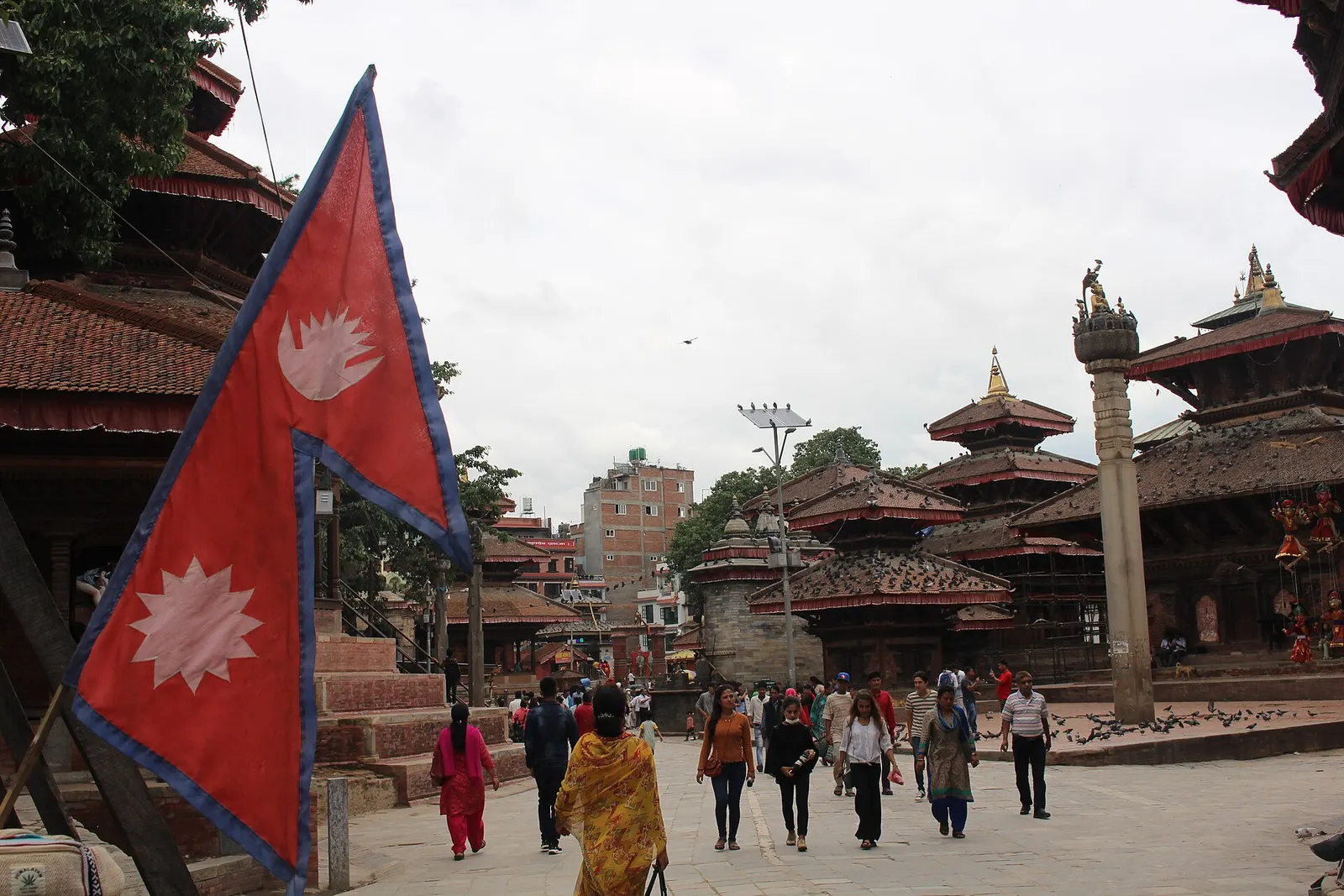
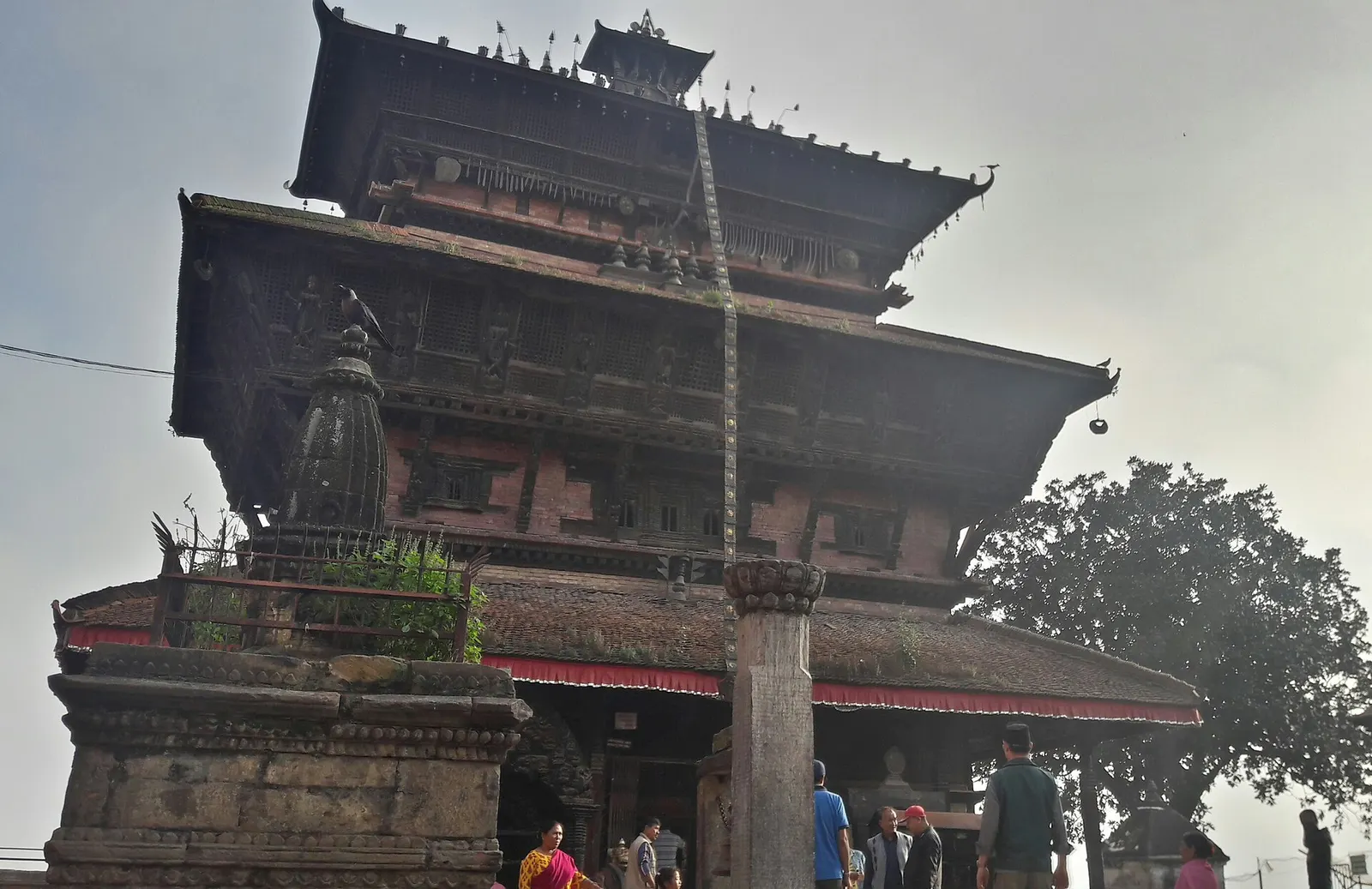
An old Newar hill town on Kathmandu's south-western edge, with temples, valley views and a dramatic history of resistance.
Kathmanduहनुमानढोका दरबार क्षेत्र
The old royal heart of Kathmandu, a cluster of Malla and Shah-era palaces and temples, and home of the Kumari, the living goddess.
This is the royal square in central Kathmandu (Hanuman Dhoka); Patan and Bhaktapur have their own Durbar Squares.
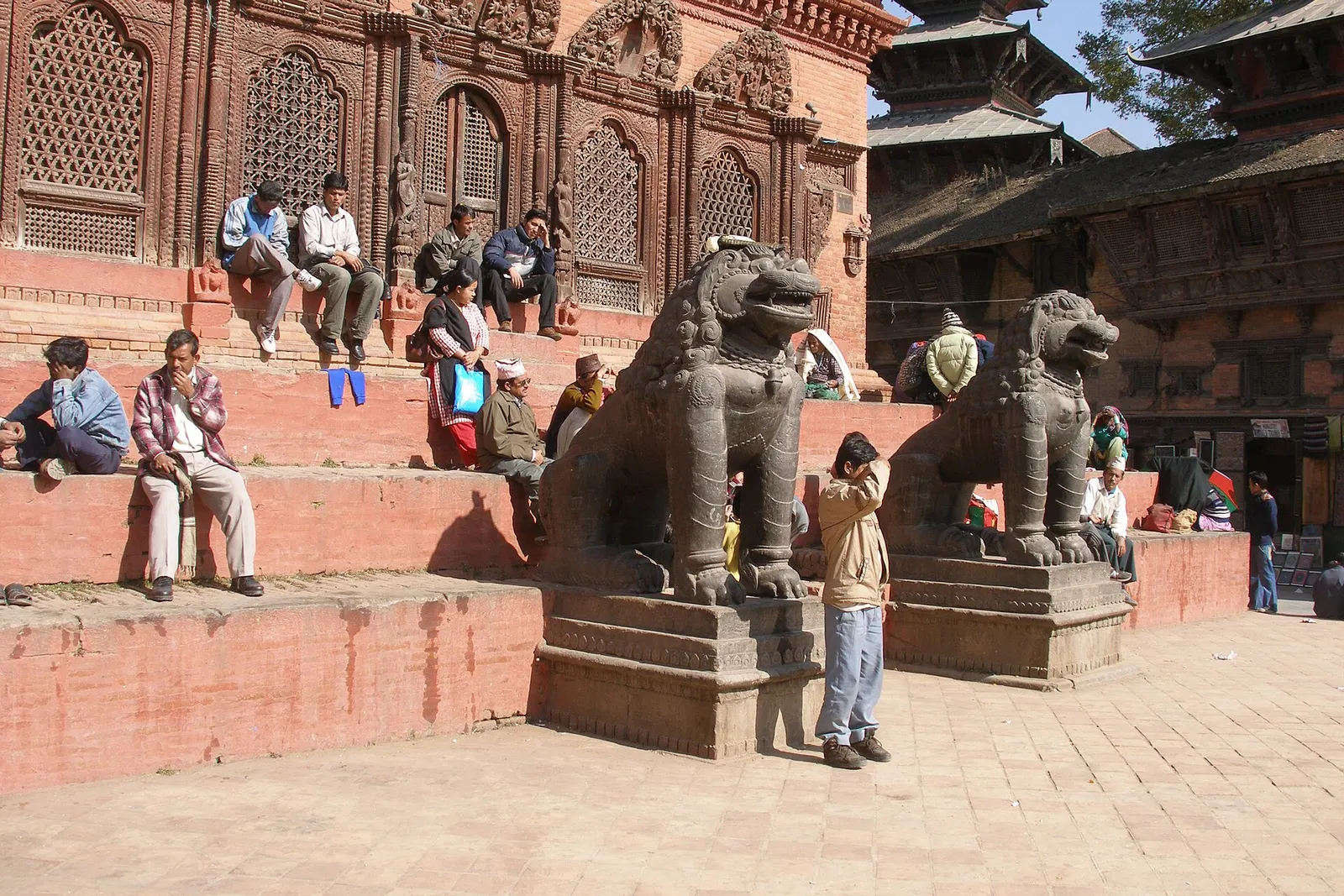
Kathmandu Durbar Square, also called Hanuman Dhoka after the palace gate guarded by a stone Hanuman, is the historic centre of the city and the place where its kings were crowned. It is not one square but a chain of open spaces: Basantapur, a wide plaza in the south lined with souvenir sellers; the main square with tiered temples on high plinths; and the palace complex with its many courtyards, towers and museum rooms.
Among the buildings to look for are the Kumari Ghar, the three-storey residence of the Kumari with its carved windows and courtyard; the Taleju temple, the tallest in the square on a twelve-stage plinth; the Jagannath temple with its carved roof struts; the huge stone Kal Bhairav image; the Shiva Parvati temple, where carved figures of the couple look out from an upper window; and the nine-storey Basantapur tower built after the unification of Nepal. The Kasthamandap, the wooden rest house from which the city's name derives, collapsed in the 2015 earthquake and has since been rebuilt.
The square is a 20-30 minute walk south of Thamel through the bazaars of Asan and Indra Chowk, and Freak Street, the old hippie-era lane, runs off Basantapur. Allow at least half a day, including time in the Hanuman Dhoka palace museum and the courtyards that have reopened after earthquake restoration.
The site has been a centre of power since at least the Licchavi period, and archaeological work after 2015 traced the Kasthamandap's earliest phase back to that era. Most of the present temples date from the 16th and 17th centuries under Malla kings such as Mahendra Malla, who built the Taleju temple, and Pratap Malla. After 1768 the Shah kings expanded the palace, and Prithvi Narayan Shah added the nine-storey tower to mark the unification of Nepal. The royal family moved to Narayanhiti Palace in the 19th century, but coronations continued here until 2001.
The Kumari, a young girl from the Newar Shakya community chosen as the living embodiment of the goddess Taleju, lives in the Kumari Ghar until puberty and is venerated by Hindus and Buddhists. During Indra Jatra in September she is carried through the old city in a chariot, and masked dances are performed in the square. The 2015 earthquake destroyed or damaged many buildings here; restoration, much of it using traditional materials and craftsmen, has continued for years since.
See the Kumari's courtyard
Enter the Kumari Ghar courtyard; the Kumari sometimes appears at a window, but photographing her is not allowed.
Tour the palace museum
Walk the Hanuman Dhoka courtyards and museum rooms, which cover the Shah kings and the palace's history.
Sit on a temple plinth
Climb the steps of one of the tall temples to watch the square, as residents do in the late afternoon.
Walk the bazaars from Thamel
Arrive on foot via Asan and Indra Chowk, and leave via Freak Street.
Forecast for 1,310 m. Conditions change fast in the mountains.
Weather data: MET Norway, licensed CC BY 4.0. A forecast, not a guarantee.
Feb-Mar, Sep-Dec
Thamel is a 20-30 minute walk away; a few guesthouses also stand around Freak Street and Basantapur.
No partner stays are listed here yet. List a property.
The square is in the old centre of Kathmandu, about 1-1.5 km south of Thamel.
Nearest hub: Kathmandu
Nearest hub: Kathmandu. Times are typical ranges, not schedules, and vary with roadworks, weather and the season.
By busfrom Kathmanduabout 0.2-0.5 hLocal buses
Buses and microbuses stop at Ratna Park and New Road, each about 10 minutes' walk from Basantapur.
By car or jeepfrom Kathmanduabout 0.2-0.5 h
Taxis can reach Basantapur, but the surrounding lanes are narrow and partly pedestrianised, so the last stretch is usually quicker on foot.
Road: Sealed roads via the Ring Road; the last lanes into the old quarters are narrow and sometimes brick-paved.
By motorbikefrom Kathmanduabout 0.15-0.4 hEasy riding
Easy short run, but parking around Basantapur is scarce and partly restricted.
Road: Sealed roads via the Ring Road; the last lanes into the old quarters are narrow and sometimes brick-paved.
On footfrom Thamelabout 0.3-0.5 h20-30 minutes from Thamel, about 1 to 1.5 km, flat
South through Asan and Indra Chowk, the classic old-bazaar walk.
Entry fee
Foreign visitors pay an entry fee for the Durbar Square area, collected at counters on the approaches; the same ticket usually covers the palace museum.
Verify before travel: permit rules and fees change. Checked 2026-10-06 against Kathmandu, Wikivoyage.
What this place is typically exposed to, and when. These are seasonal patterns, not a report on conditions now.
Othermoderate in a typical yearDec-Apr
Dry-season dust and haze are a normal feature of the Kathmandu valley, where measured PM2.5 has run several times the WHO guideline level. Visitors prone to asthma usually do better on early mornings and after rain.
Floodinglow in a typical yearJun-Sep
The square is on the high ground of the old city, but the surrounding lanes drain slowly and typically flood in the heaviest June to September downpours.
Road blockageslow in a typical yearJun-Sep
About two thirds of the valley's rain falls between June and September, and sustained downpours typically waterlog junctions and slow valley roads, so short cross-city journeys can take much longer than planned.
Coldlow in a typical yearDec-Feb
Valley nights from December to February typically fall to around freezing, with morning fog burning off by mid-morning, and few buildings have heating.
Check current conditions before you travel
Roads, trails, passes and flights change with the weather and with roadworks, and nothing on this page describes conditions today. Before you set off, check the Department of Hydrology and Meteorology for weather and flood warnings, the Nepal Disaster Risk Reduction Portal for incidents, and the local authority, police or your licensed operator for road, trail and flight status.
Yes, foreign visitors pay an entry fee at counters on the approaches to the square. Check the current amount on arrival.
The Kumari sometimes appears briefly at a window of the Kumari Ghar courtyard. Photographing her is not allowed.
About 1-1.5 km, a 20-30 minute walk south through the bazaars of Asan and Indra Chowk.
Yes. Several buildings collapsed, including the Kasthamandap, and restoration has continued for years since.
Town or village · 1,400 m
An old Newar hill town on Kathmandu's south-western edge, with temples, valley views and a dramatic history of resistance.
Town or village · 1,570 m
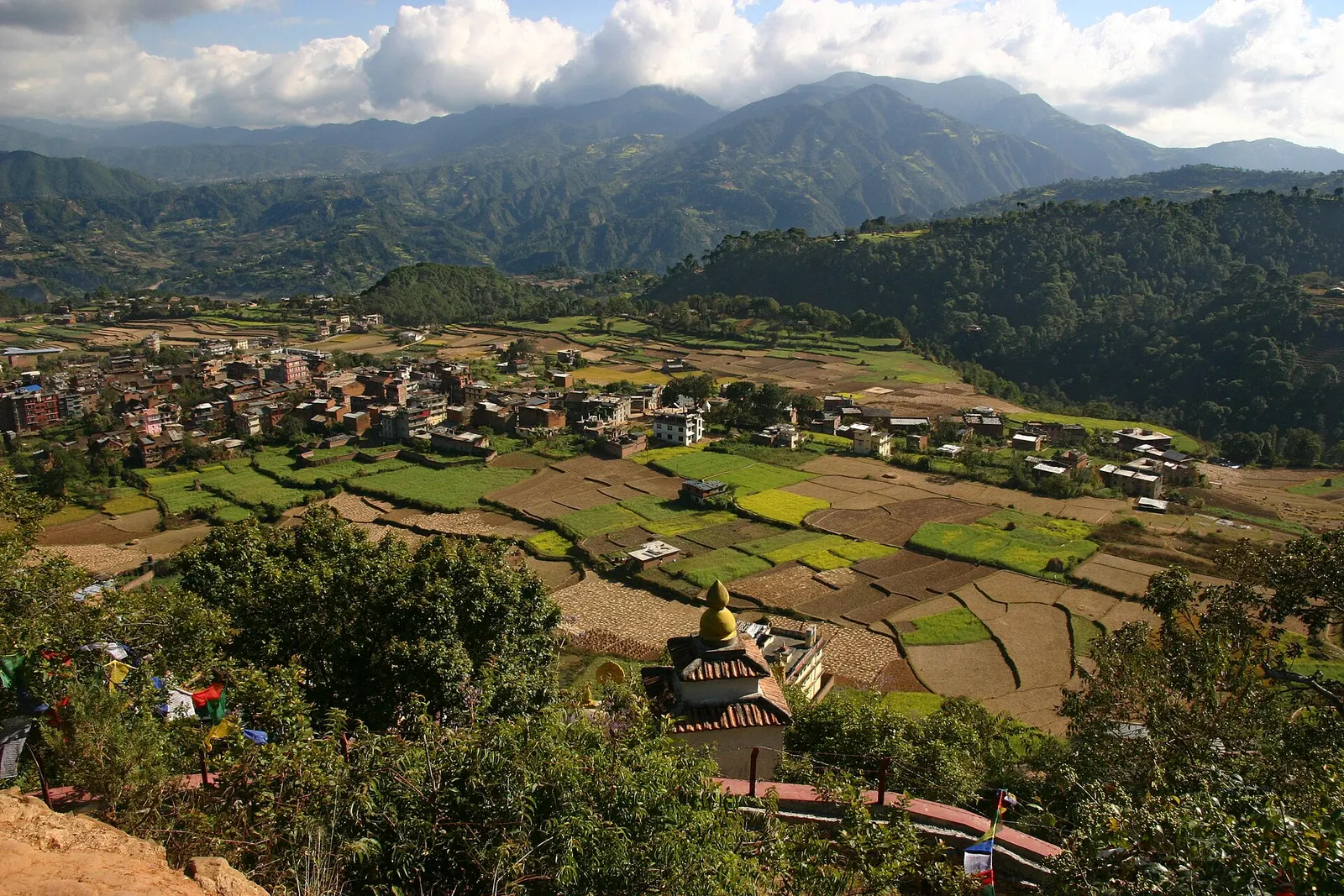
A small Newar town on the southern rim of the Kathmandu Valley, sacred to Vajrayana Buddhists for Guru Rinpoche's meditation caves.
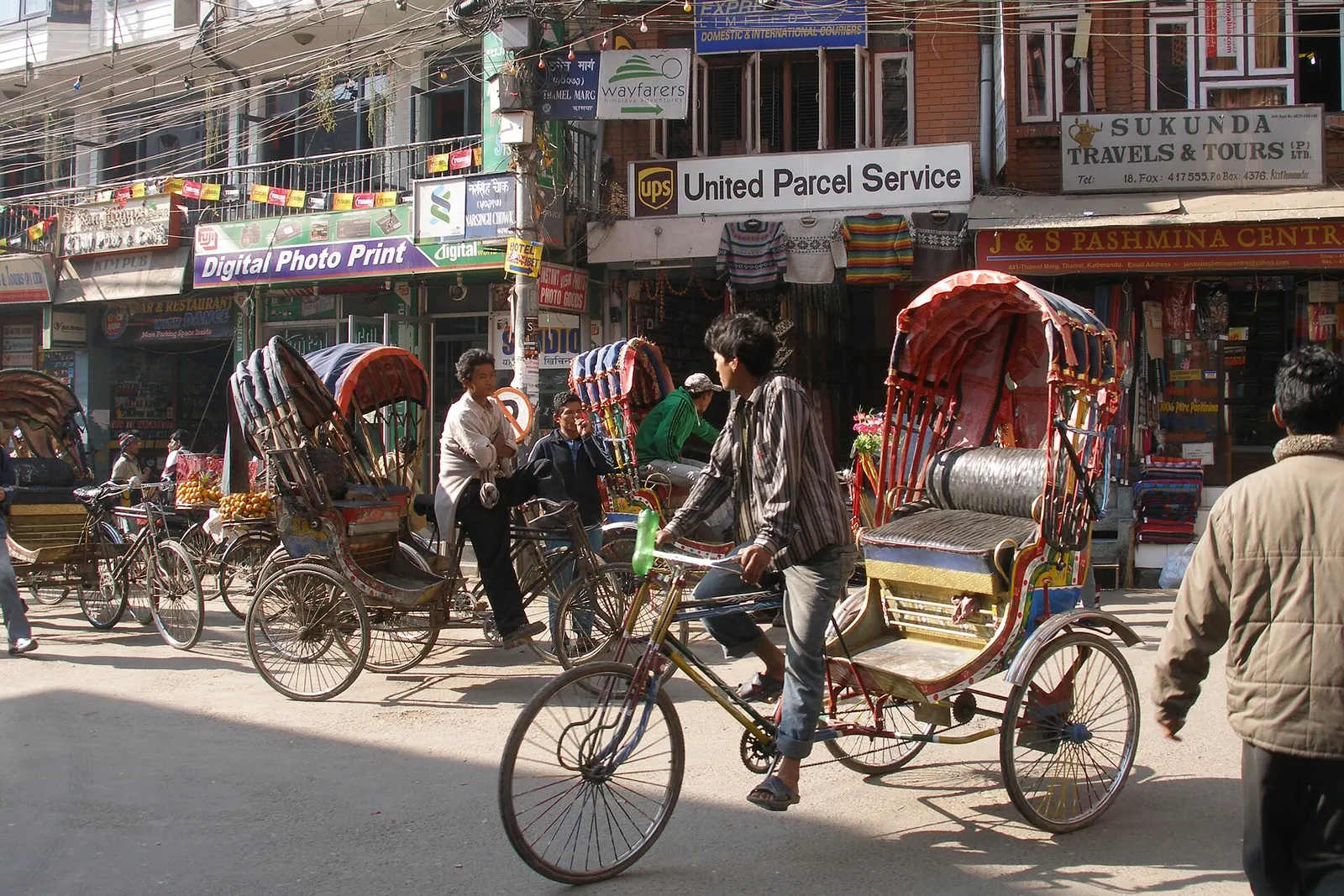
Town or village · 1,320 m
Kathmandu's traveller quarter of narrow lanes, guesthouses, trekking shops and cafes, a short walk north of the old city.
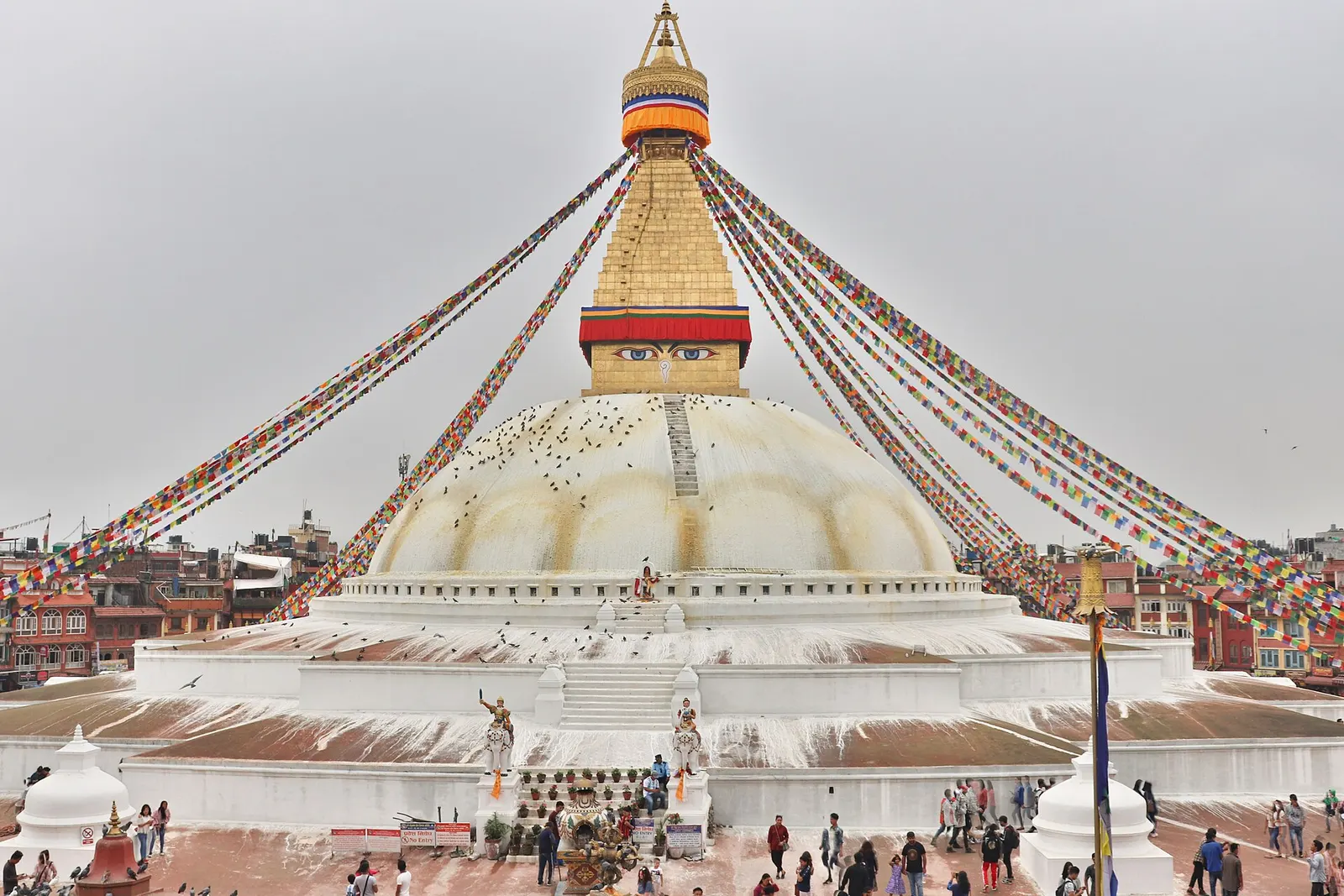
Temple, monastery or heritage site · 1,340 m
The great white stupa of north-east Kathmandu, centre of the valley's Tibetan Buddhist community and its many monasteries.
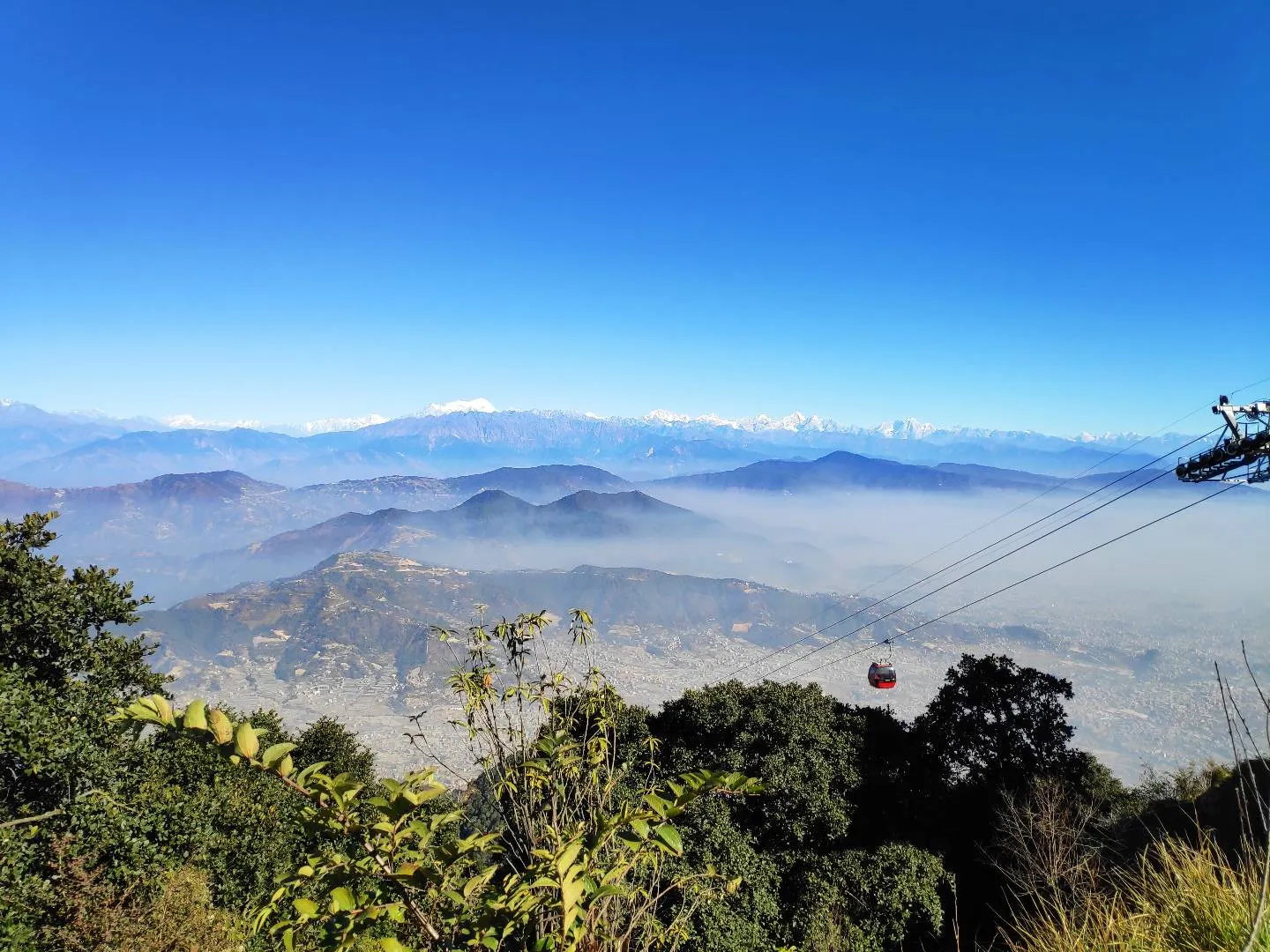
Viewpoint · 2,551 m
A hill on the Kathmandu Valley's south-western rim, reached by cable car, with a Shiva temple and wide Himalayan views.
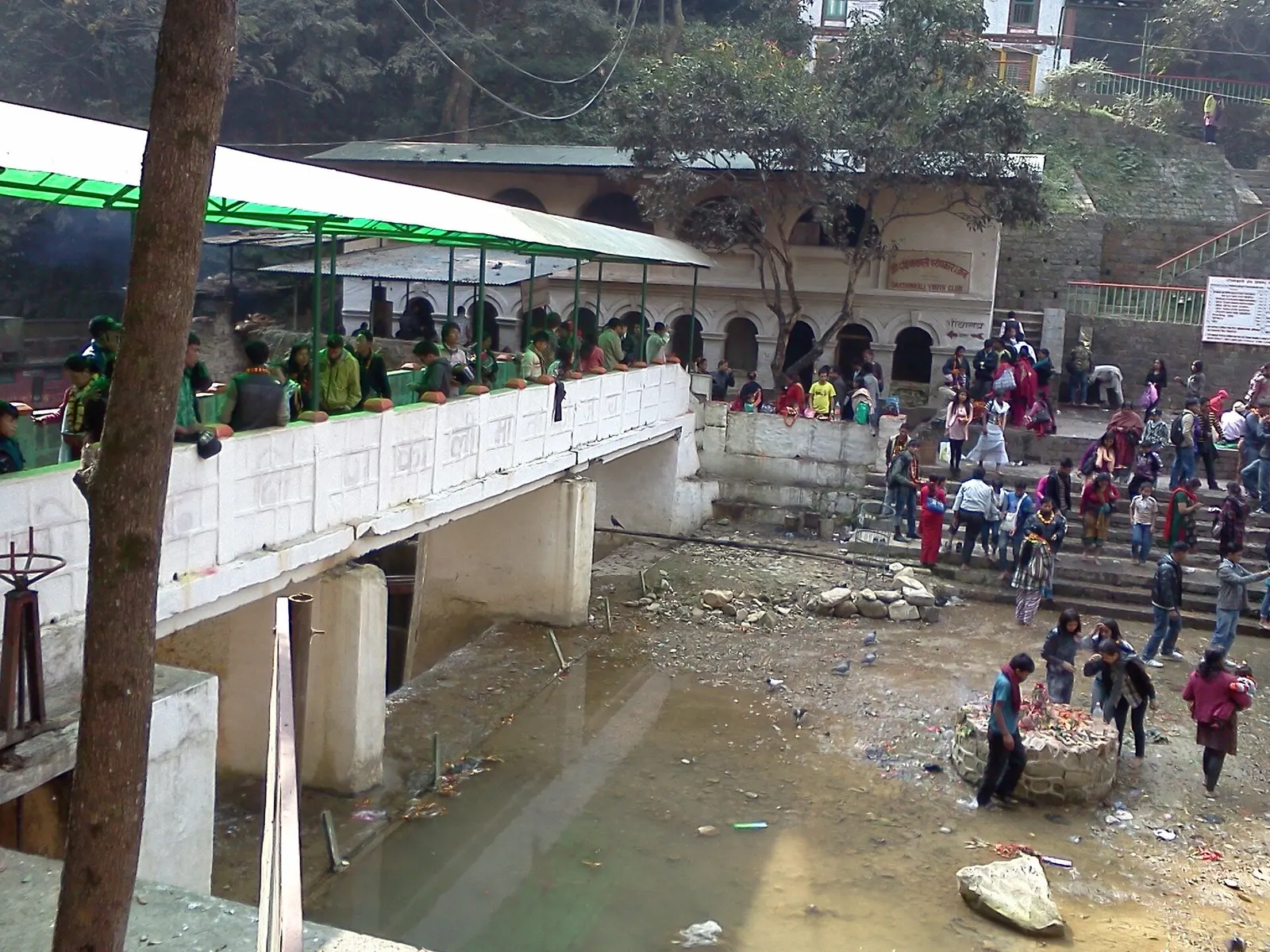
Temple, monastery or heritage site · 1,480 m
A Hindu temple to the goddess Kali in a forested gorge south of Pharping, known for its Tuesday and Saturday animal sacrifices.
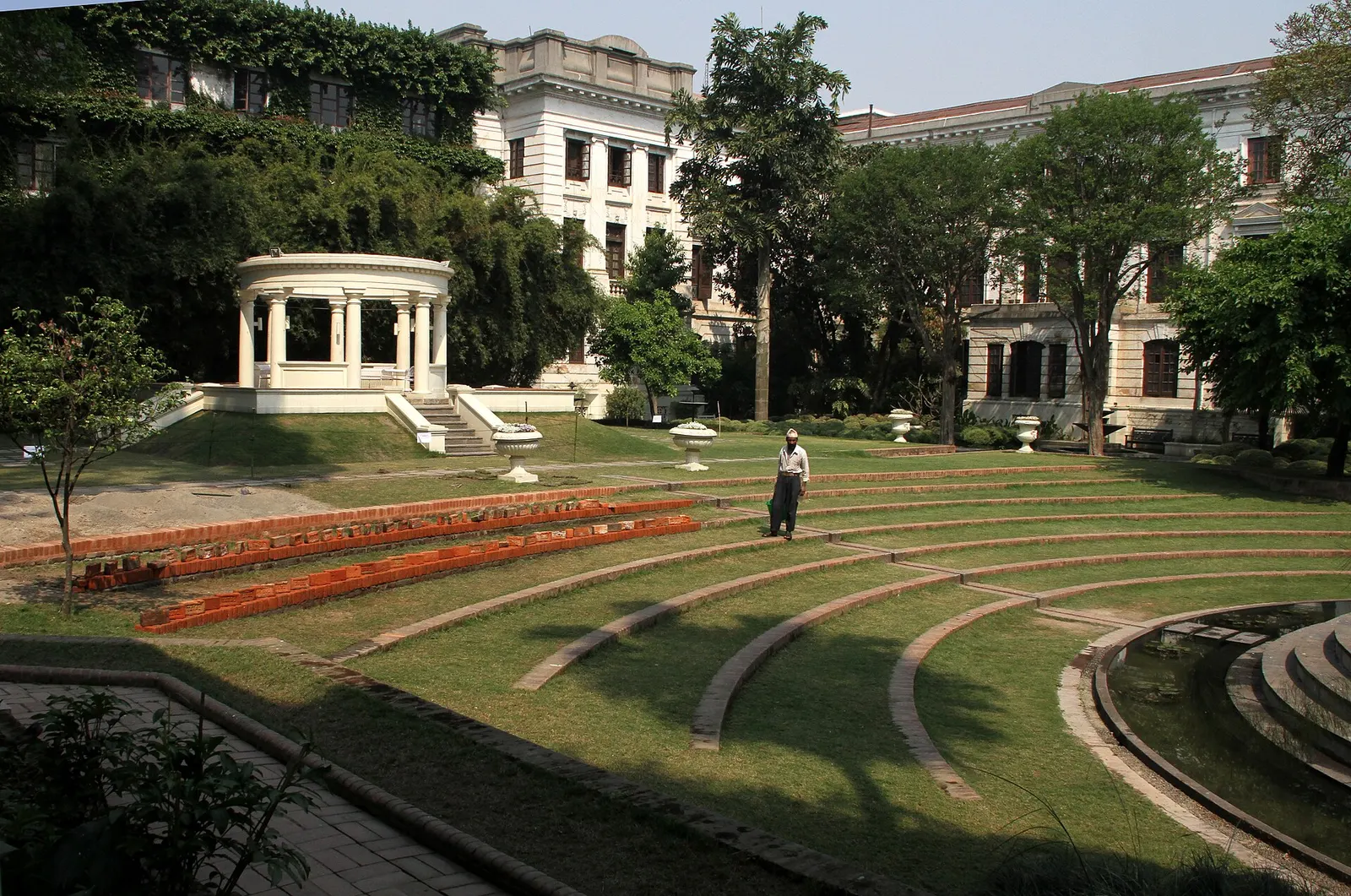
Temple, monastery or heritage site · 1,320 m
A restored 1920s Rana-era garden of pavilions, ponds and lawns at the edge of Thamel.
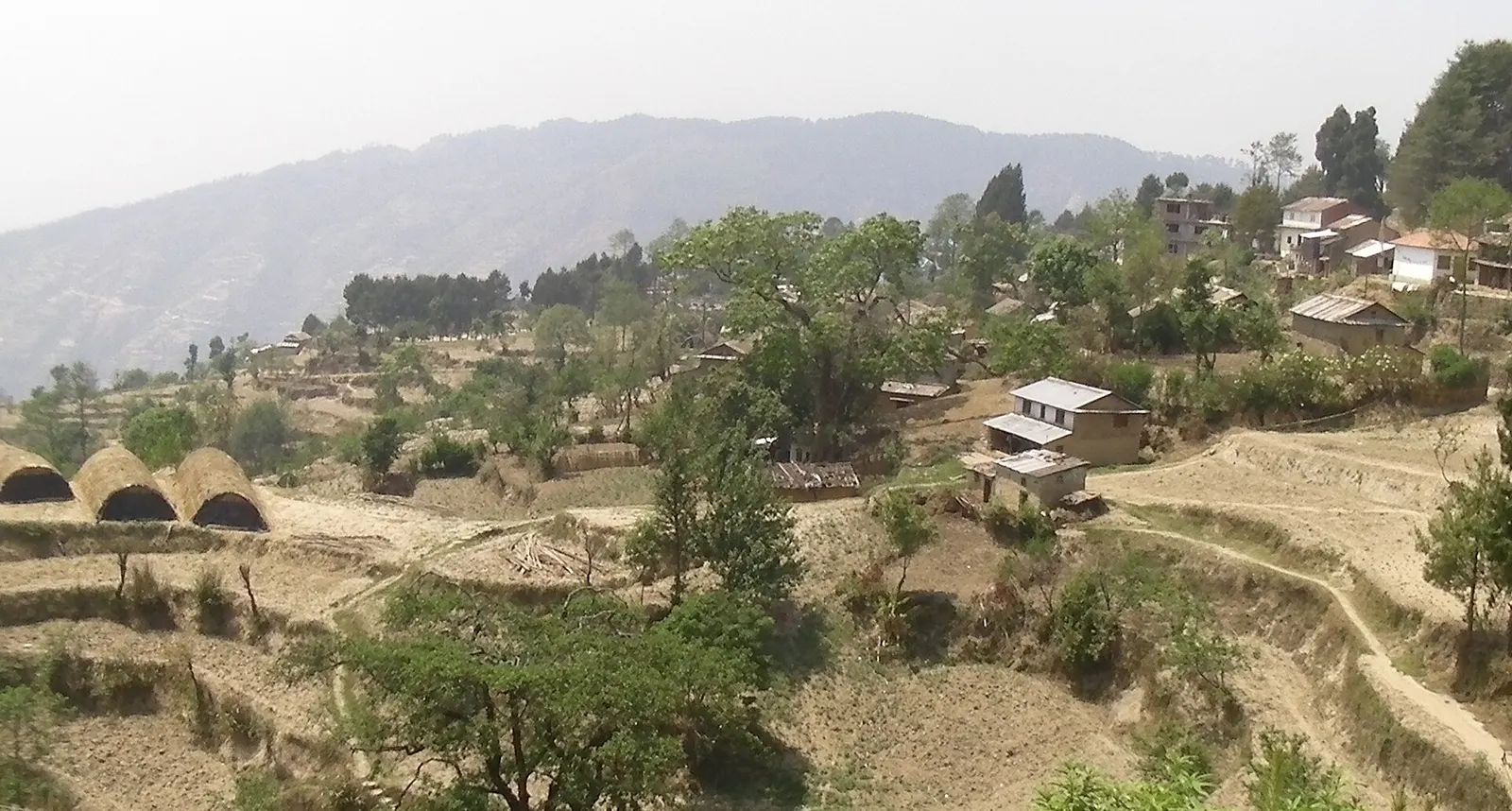
Viewpoint · 2,030 m
A quiet hill station just outside the Kathmandu Valley in Nuwakot, with Himalayan views, strawberry farms and memorial parks.
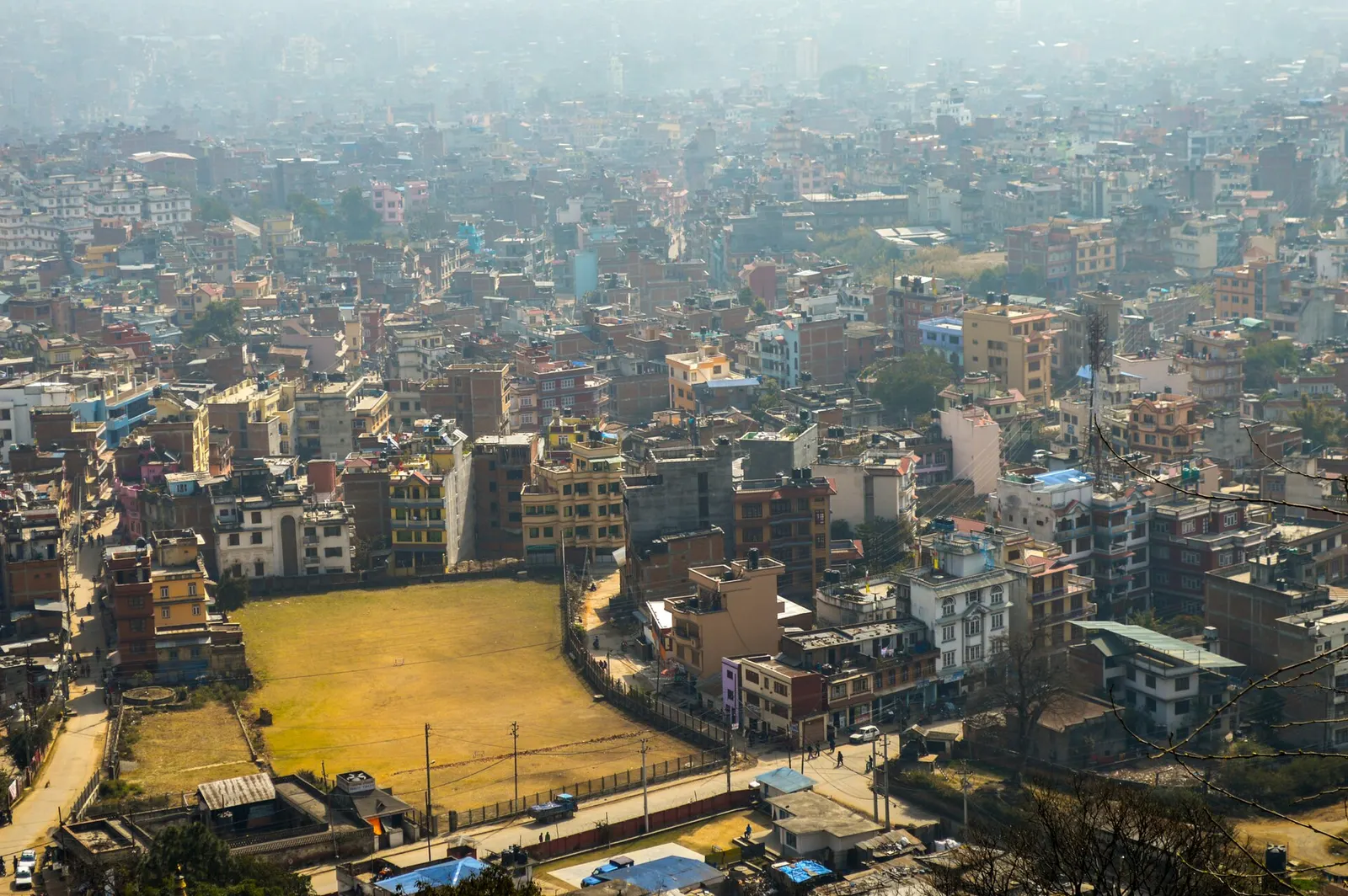
Town or village · 1,400 m
Nepal's capital, a sprawling valley city wrapped around a medieval Newar core, with major Hindu and Buddhist sites and the country's main airport.
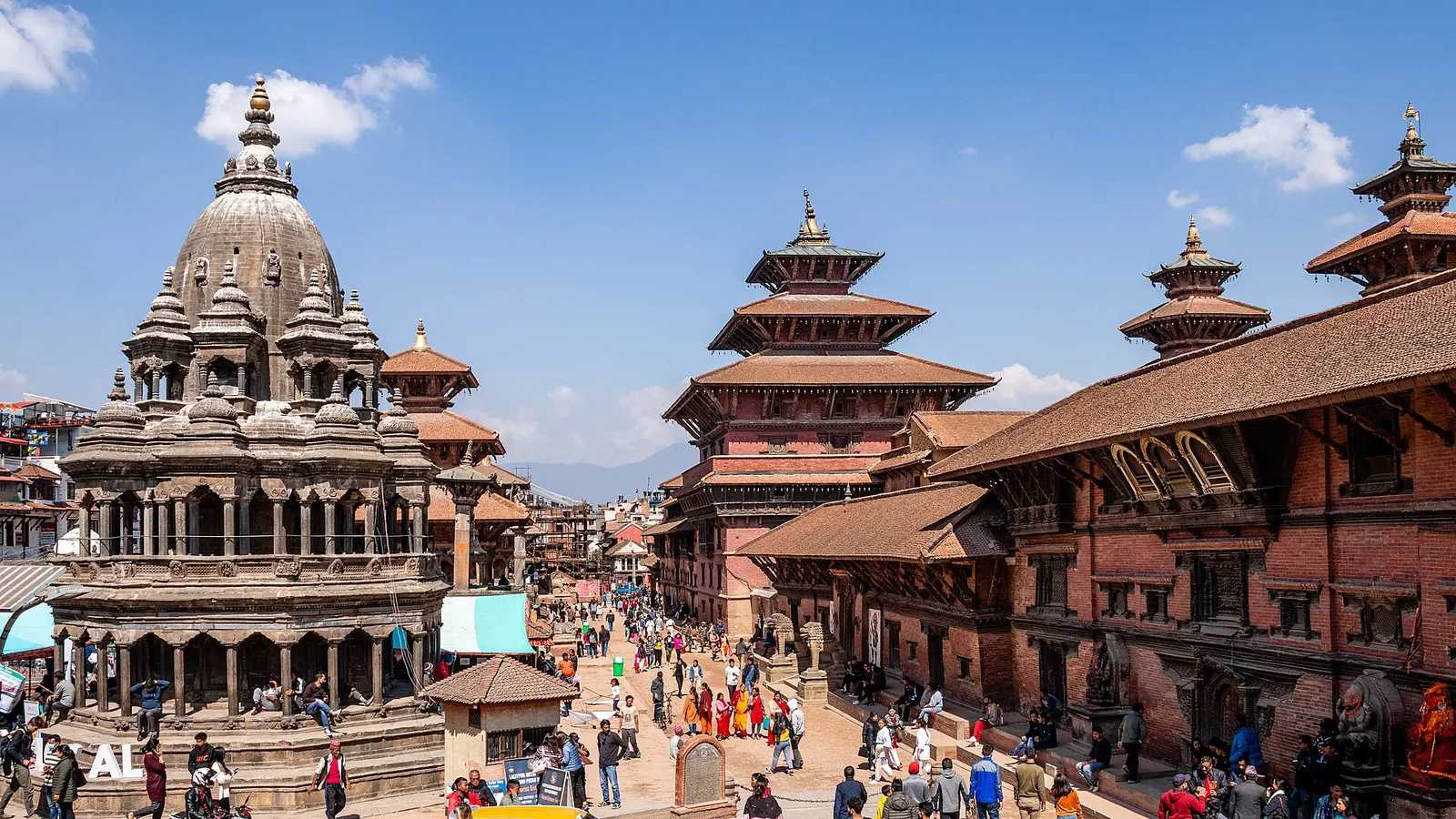
Temple, monastery or heritage site · 1,330 m
The former royal square of Patan, a row of Malla-era temples facing a palace that now houses one of Nepal's finest museums.