
Town or village · 1,400 m
Kirtipur
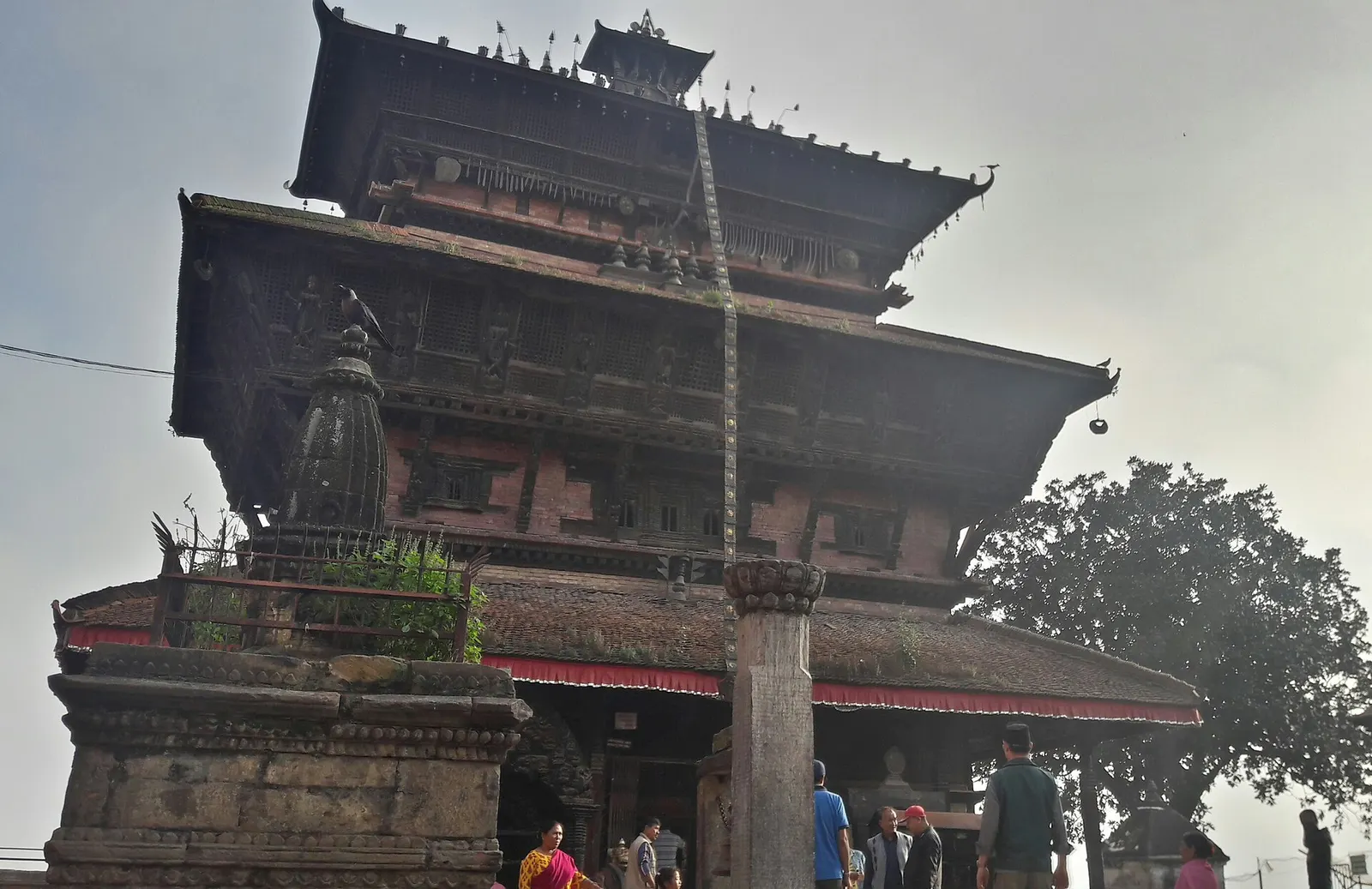
An old Newar hill town on Kathmandu's south-western edge, with temples, valley views and a dramatic history of resistance.
Kathmanduकाठे स्वयम्भू
A centuries-old miniature of Swayambhunath in a quiet courtyard a few minutes' walk south of Thamel.
This is the small stupa near Thamel in central Kathmandu, a replica of Swayambhunath; it is not Swayambhunath itself on the hill west of the city.
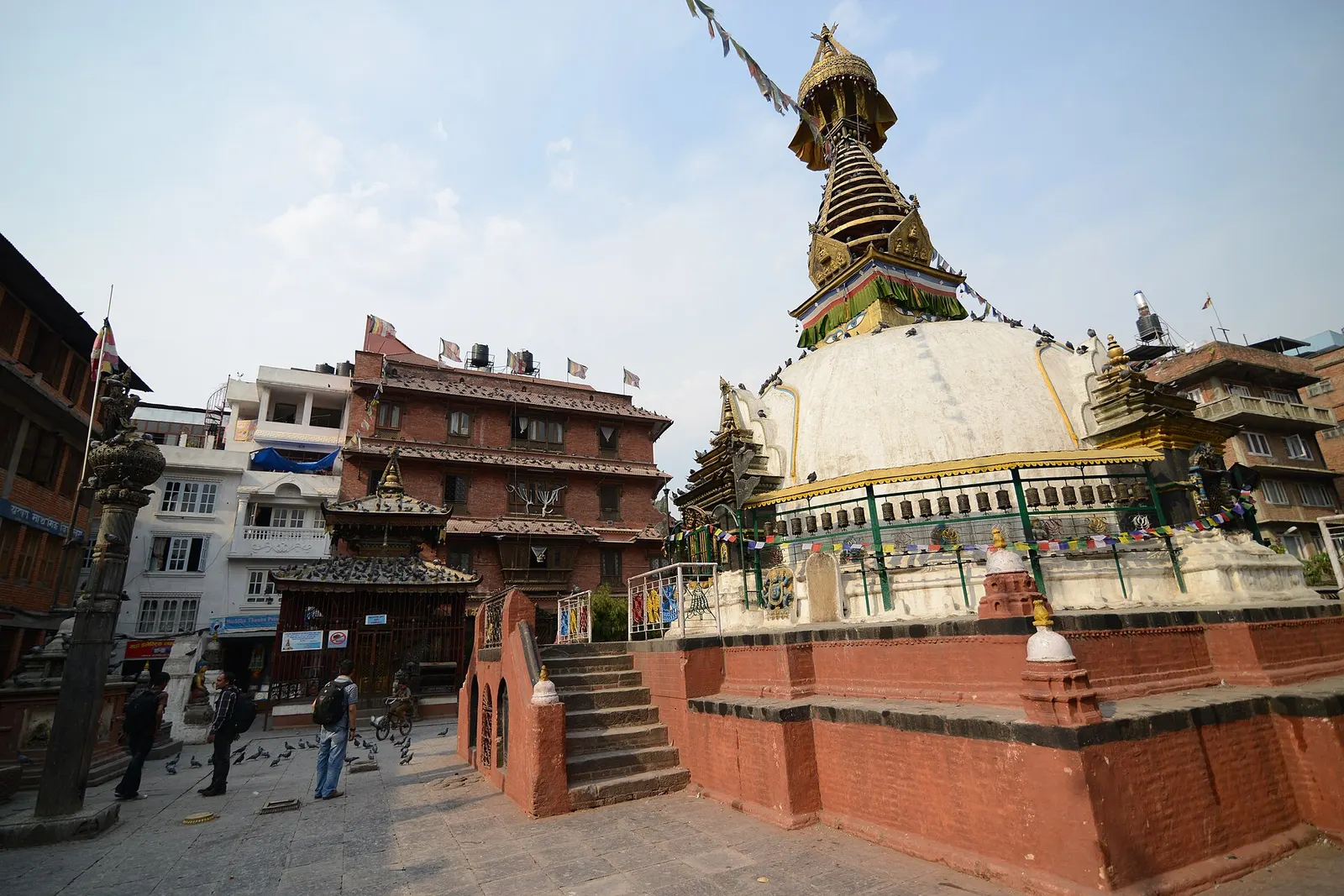
Kathesimbhu is a small stupa in a courtyard off the old lanes between Thamel and Asan, roughly 300-500 m south of the main Thamel streets. It is a scaled-down copy of Swayambhunath, with the same white dome, gilded tower and painted eyes, ringed by smaller stone chaityas, inscriptions and statues, with a statue of Avalokiteshvara in front of the stupa and a cloister on one side that resembles a Tibetan monastery.
Its appeal is that it is an everyday, working shrine rather than a ticketed monument. Local people stop on their way to work to walk around it, children play in the courtyard and pigeons crowd the dome. It is easy to fit into a walk from Thamel to Kathmandu Durbar Square through the bazaars, and it is a calm place to sit for a few minutes away from the traffic.
Tradition holds that elderly or sick people who cannot climb the hill to Swayambhunath can earn the same merit by visiting Kathesimbhu, which is one reason it has always been well used by the neighbourhood.
An inscription of 1552 (Nepal Sambat 762) records that a man named Megharaja donated the golden pinnacle in memory of his son and set up a guthi, a community trust, to fund annual rituals; the guthi is linked to the priests of nearby Kwa Bahal. The stupa was repaired under King Pratap Malla in the 17th century, de-consecrated in 1647 and restored by a Vajracharya priest in 1653. Its full name is Kaathe Swayambhu Shree Gha Chaitya.
One legend says the priest Vak-vajra of Kwa Bahal, on pilgrimage to Benares, was asked to consecrate a chaitya built by the king there; when the king doubted his powers, he lifted it by meditation and carried it to Kathmandu. Another story says it was built with materials left over from Swayambhunath. Both are traditional accounts. The Shakya community of nearby Ason holds a festival at the stupa on the full moon of Asoj, in September or October.
Stop on the bazaar walk
Visit on the way from Thamel south to Asan and Indra Chowk, then continue to Kathmandu Durbar Square.
Walk the circuit with locals
Early morning is when neighbourhood residents walk around the stupa and make offerings.
Look at the smaller chaityas
Take a few minutes to look at the carved stone chaityas and inscriptions around the main stupa.
Forecast for 1,310 m. Conditions change fast in the mountains.
Weather data: MET Norway, licensed CC BY 4.0. A forecast, not a guarantee.
Oct-Apr
Plenty of guesthouses and hotels in Thamel, a few minutes' walk away.
No partner stays are listed here yet. List a property.
Kathesimbhu is in the old city just south of Thamel, a few minutes on foot.
Nearest hub: Kathmandu
Nearest hub: Kathmandu. Times are typical ranges, not schedules, and vary with roadworks, weather and the season.
By busfrom Kathmanduabout 0.3-0.6 hLocal buses
Microbuses and tempos stop at Ratna Park, Indra Chowk and Asan; from any of them the courtyard is about 10 minutes' walk.
By car or jeepfrom Kathmanduabout 0.1-0.3 h
Taxis can reach Thahiti, but the lanes around the courtyard are narrow and often blocked by handcarts, so most people walk the last few minutes.
Road: Sealed roads via the Ring Road; the last lanes into the old quarters are narrow and sometimes brick-paved.
By motorbikefrom Kathmanduabout 0.1-0.3 hEasy riding
Very short run, though parking in the old lanes is difficult.
Road: Sealed roads via the Ring Road; the last lanes into the old quarters are narrow and sometimes brick-paved.
On footfrom Thamelabout 0.1-0.2 h5-10 minutes from central Thamel, about 300 to 500 m, flat
South towards Thahiti, the shortest heritage walk from Thamel.
None needed
There is no entry fee; it is a neighbourhood shrine open to visitors.
Verify before travel: permit rules and fees change. Checked 2026-10-06 against Kaathe Swyambhu, Wikipedia.
What this place is typically exposed to, and when. These are seasonal patterns, not a report on conditions now.
Othermoderate in a typical yearDec-Apr
Dry-season dust and haze are a normal feature of the Kathmandu valley, where measured PM2.5 has run several times the WHO guideline level. Visitors prone to asthma usually do better on early mornings and after rain.
Floodinglow in a typical yearJun-Sep
The courtyard is on old-city high ground and little affected, though the surrounding Thahiti lanes typically flood briefly during the heaviest June to September downpours.
Road blockageslow in a typical yearJun-Sep
About two thirds of the valley's rain falls between June and September, and sustained downpours typically waterlog junctions and slow valley roads, so short cross-city journeys can take much longer than planned.
Coldlow in a typical yearDec-Feb
Valley nights from December to February typically fall to around freezing, with morning fog burning off by mid-morning, and few buildings have heating.
Check current conditions before you travel
Roads, trails, passes and flights change with the weather and with roadworks, and nothing on this page describes conditions today. Before you set off, check the Department of Hydrology and Meteorology for weather and flood warnings, the Nepal Disaster Risk Reduction Portal for incidents, and the local authority, police or your licensed operator for road, trail and flight status.
It is in a courtyard in the old city just south of Thamel, about 5-10 minutes on foot from the main Thamel streets.
No. Kathesimbhu is a smaller replica of Swayambhunath in central Kathmandu; Swayambhunath itself stands on a hill about 2 km to the west.
No, it is a neighbourhood shrine with no ticket.
Town or village · 1,400 m
An old Newar hill town on Kathmandu's south-western edge, with temples, valley views and a dramatic history of resistance.
Town or village · 1,570 m
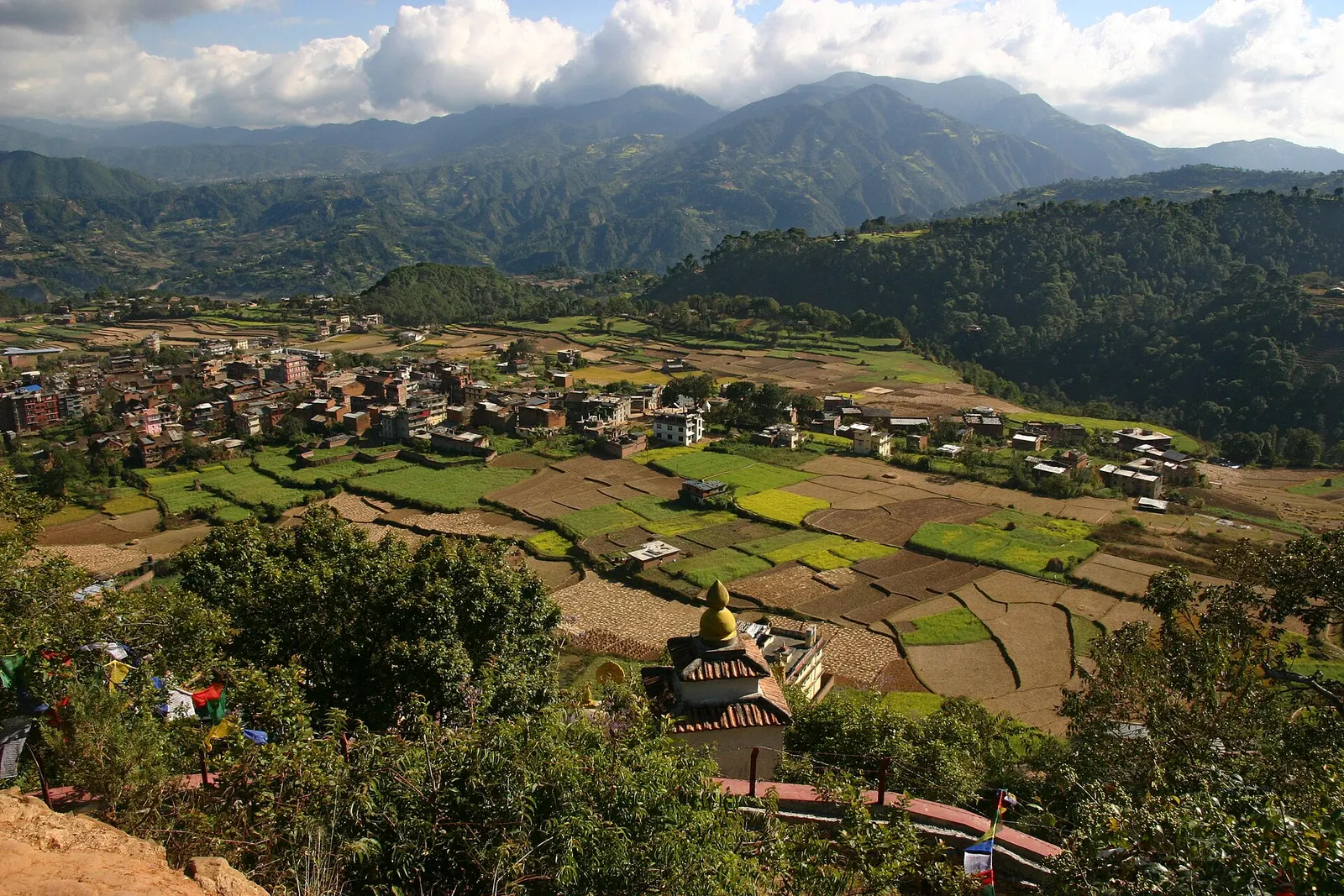
A small Newar town on the southern rim of the Kathmandu Valley, sacred to Vajrayana Buddhists for Guru Rinpoche's meditation caves.
Town or village · 1,320 m
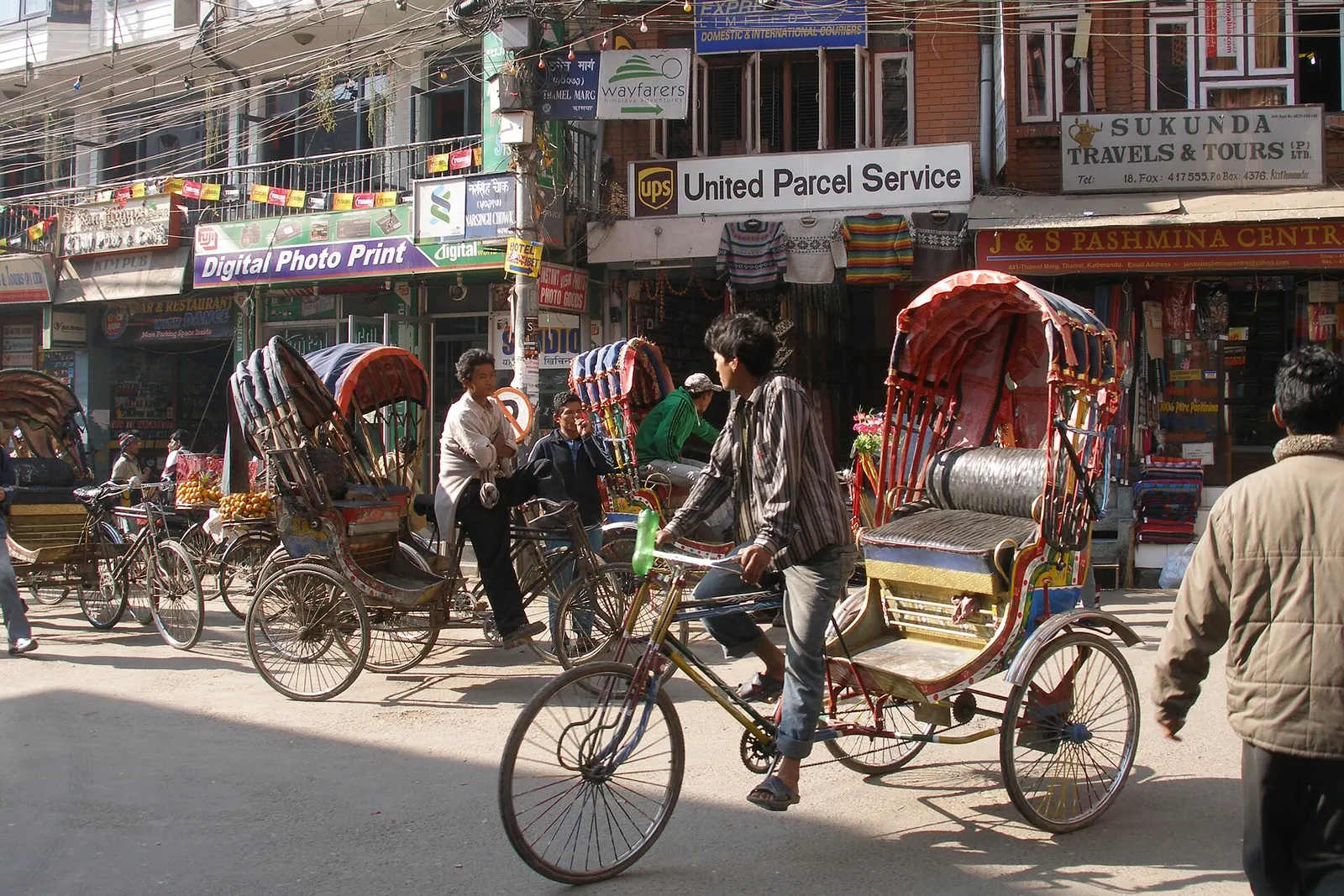
Kathmandu's traveller quarter of narrow lanes, guesthouses, trekking shops and cafes, a short walk north of the old city.
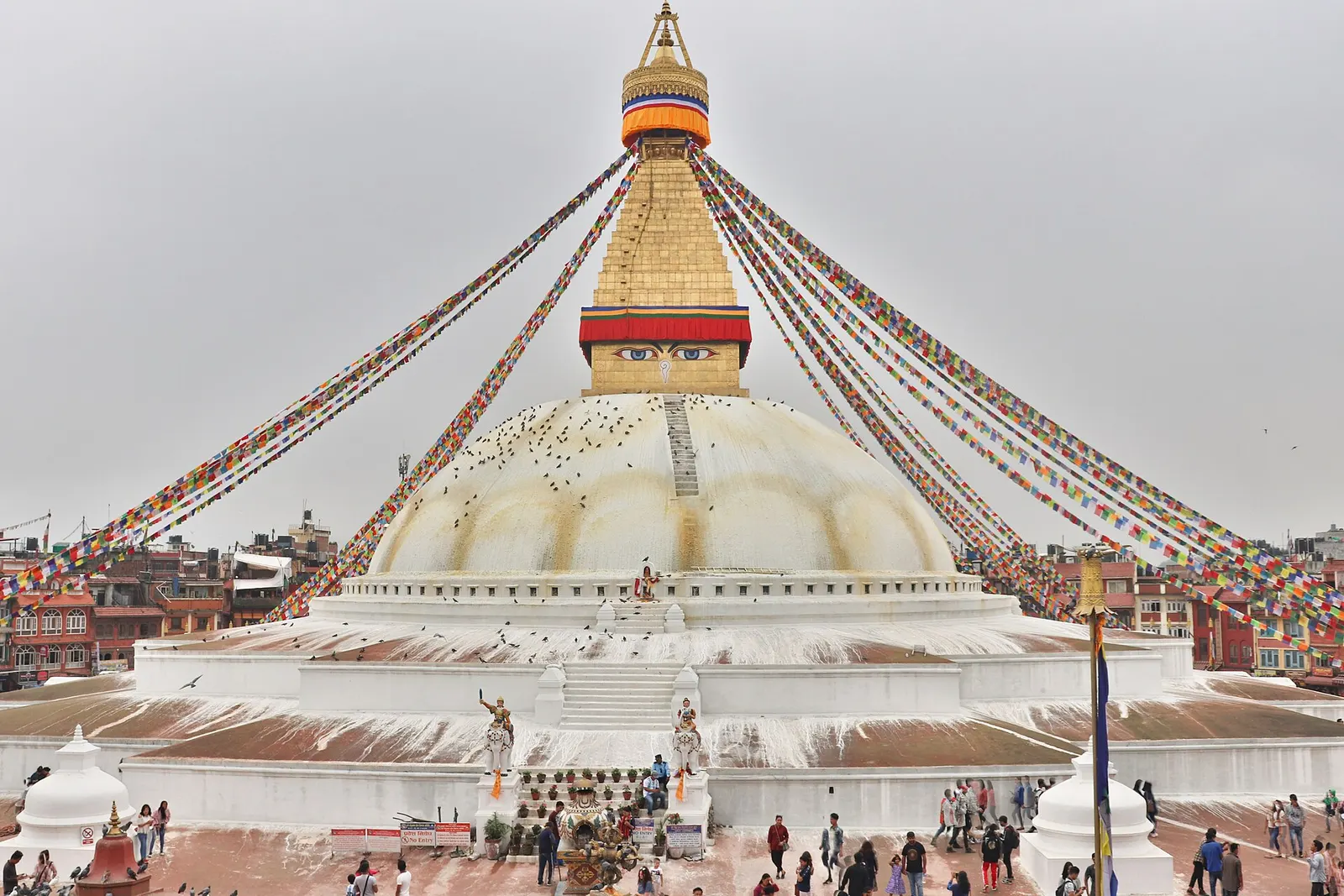
Temple, monastery or heritage site · 1,340 m
The great white stupa of north-east Kathmandu, centre of the valley's Tibetan Buddhist community and its many monasteries.
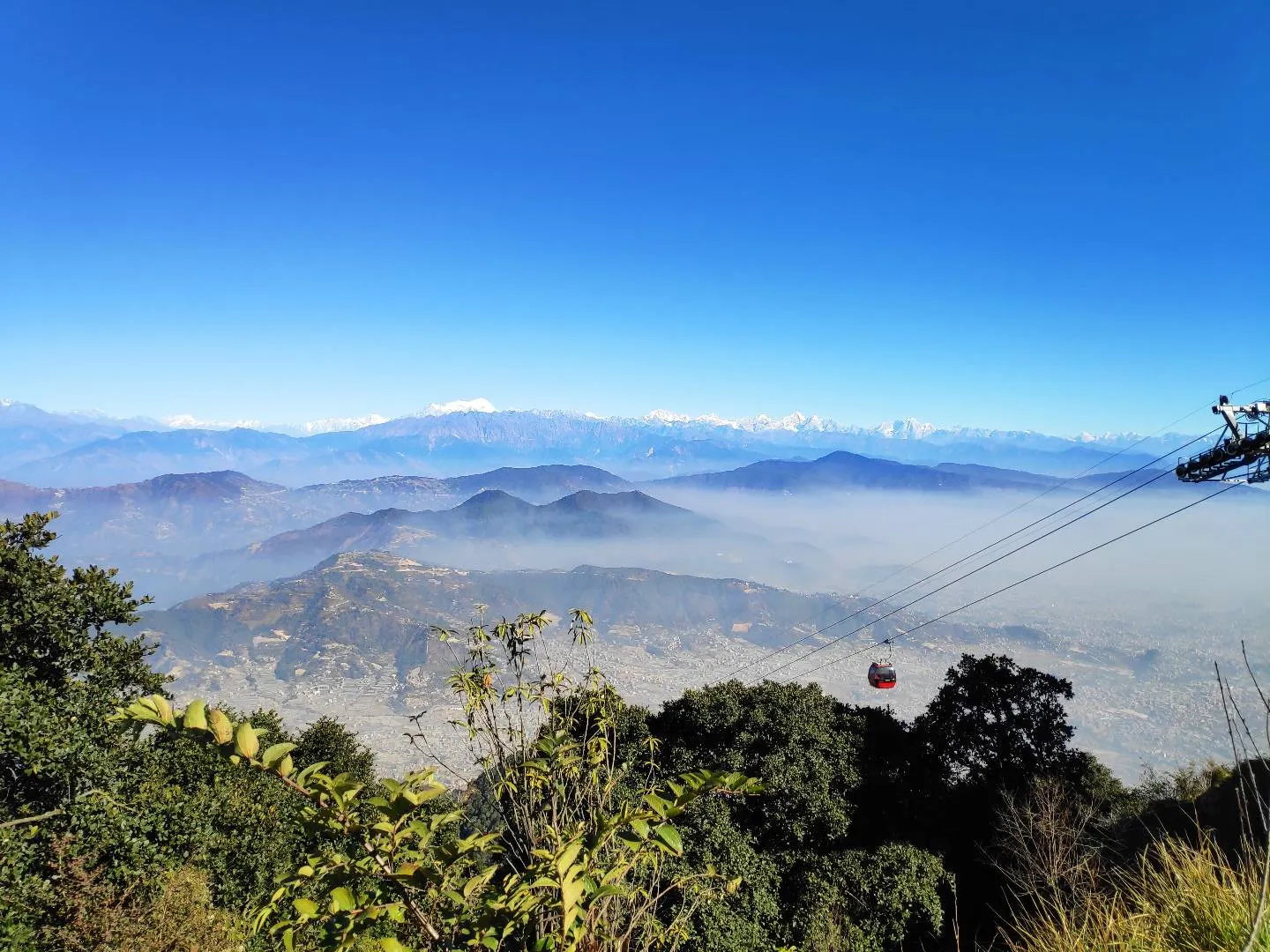
Viewpoint · 2,551 m
A hill on the Kathmandu Valley's south-western rim, reached by cable car, with a Shiva temple and wide Himalayan views.
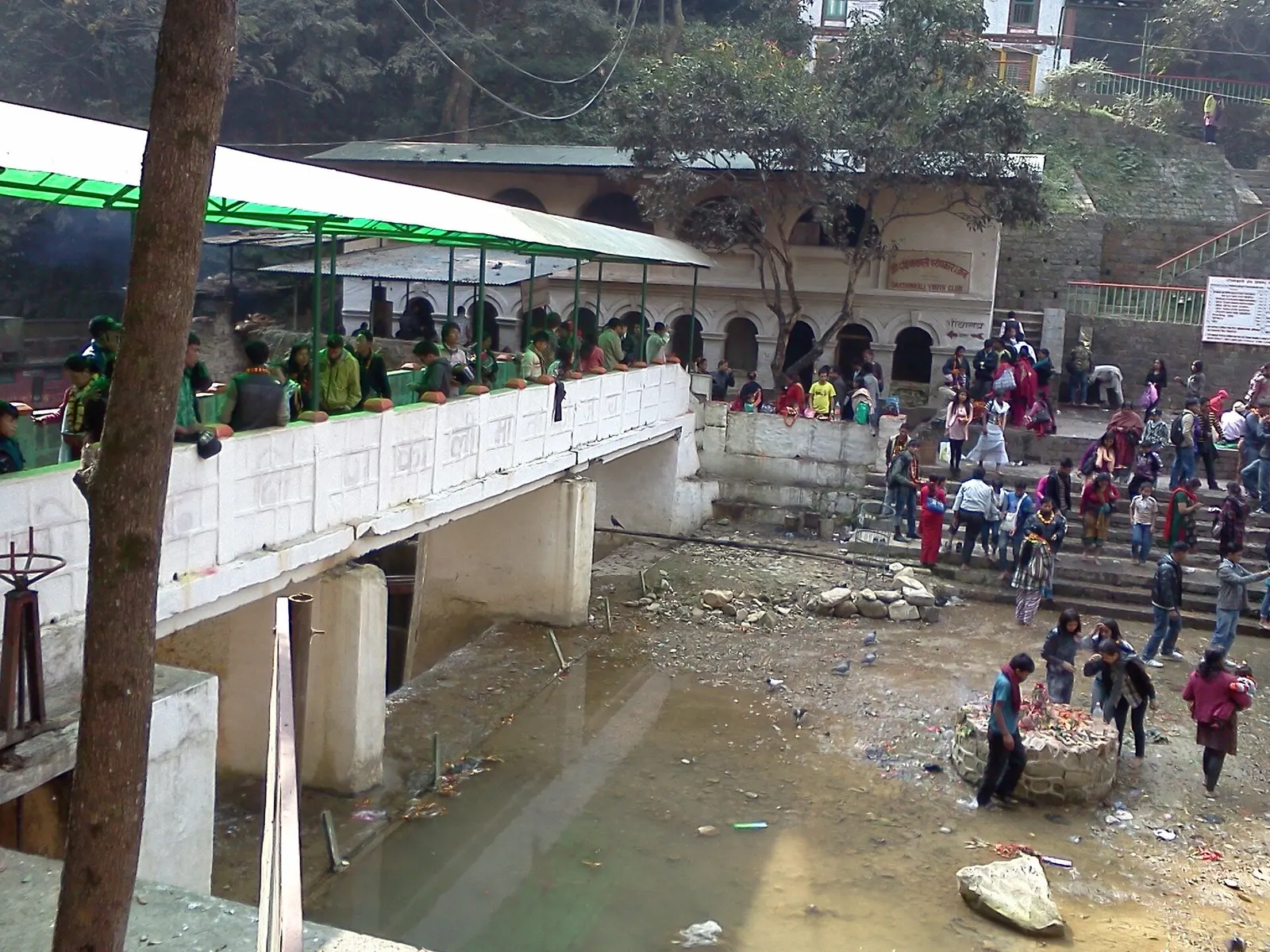
Temple, monastery or heritage site · 1,480 m
A Hindu temple to the goddess Kali in a forested gorge south of Pharping, known for its Tuesday and Saturday animal sacrifices.
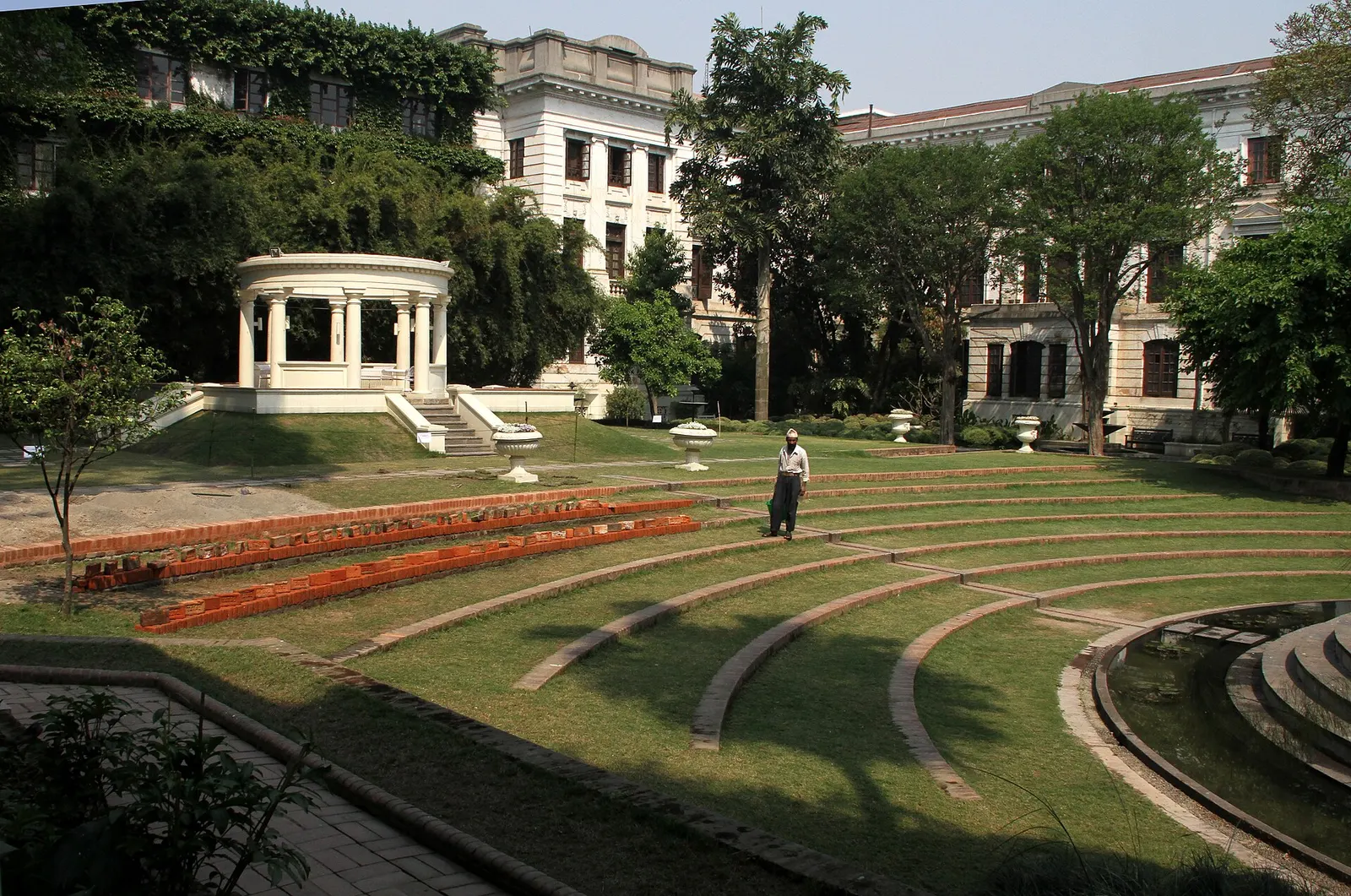
Temple, monastery or heritage site · 1,320 m
A restored 1920s Rana-era garden of pavilions, ponds and lawns at the edge of Thamel.
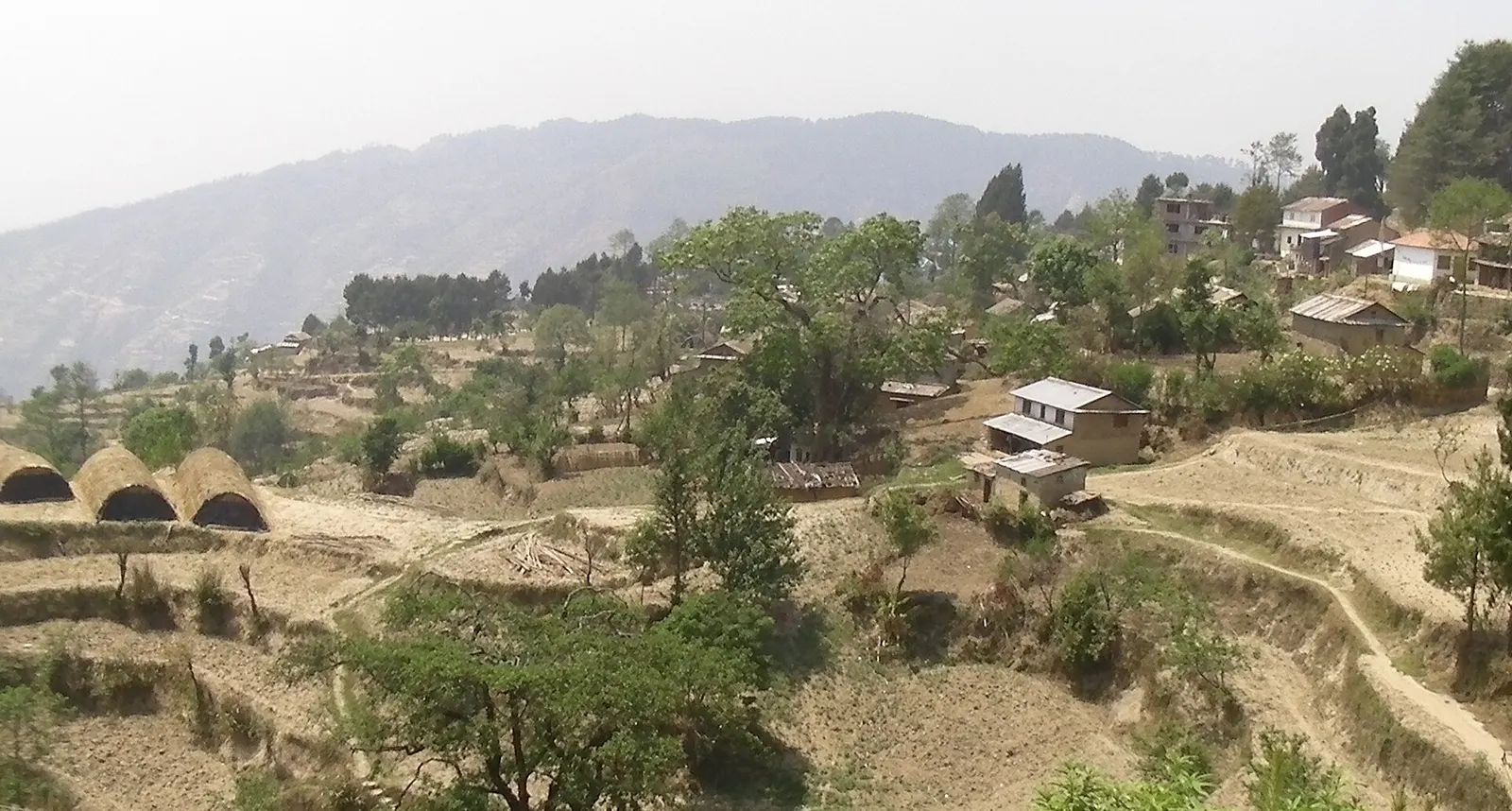
Viewpoint · 2,030 m
A quiet hill station just outside the Kathmandu Valley in Nuwakot, with Himalayan views, strawberry farms and memorial parks.
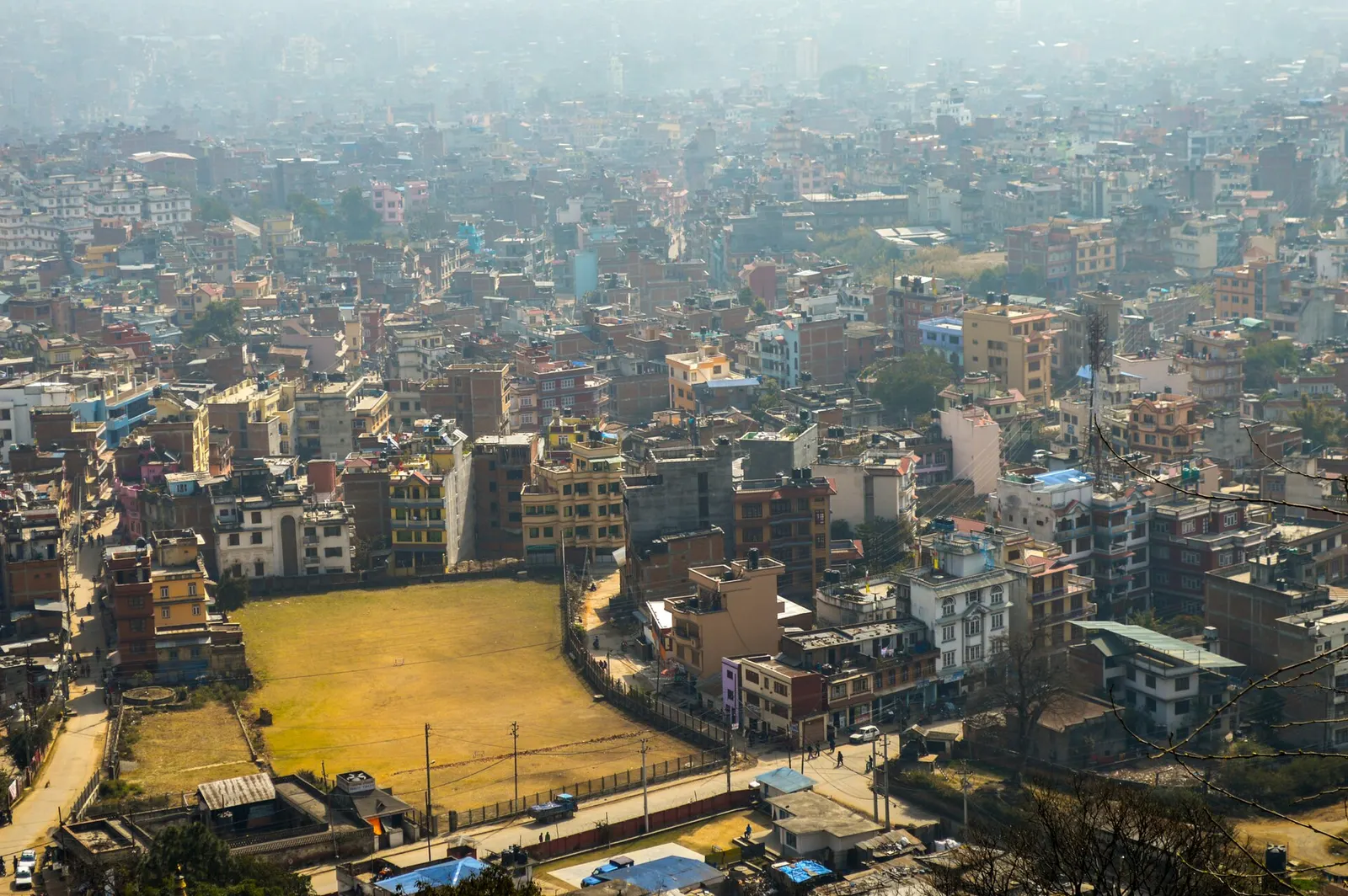
Town or village · 1,400 m
Nepal's capital, a sprawling valley city wrapped around a medieval Newar core, with major Hindu and Buddhist sites and the country's main airport.