Hiring a trekking guide or porter in Nepal
The difference between a guide, a porter and a porter-guide, what the 2023 licensed-guide rule means, how to treat porters fairly, and how Firfirey requests work.
By Firfirey editorial. Editorial draft, facts being checked against official sources.
Guide, porter or both
The three roles are different, and it helps to know which you are asking for:
| Role | What they do | Good to know |
|---|---|---|
| Trekking guide | Leads the route, arranges lodges and permits, makes daily pace and altitude decisions, translates and explains the culture | Should hold a trekking guide licence issued under Department of Tourism rules |
| Porter | Carries your main bag between lodges | Usually walks separately and meets you at the lodge; speaks limited English |
| Porter-guide | Carries a lighter load and also shows the way | A middle option for small groups on well-trodden routes |
The 2023 licensed-guide rule
From 1 April 2023, under a rule announced by the Nepal Tourism Board, foreign trekkers in Nepal's national parks and conservation areas are required to trek with a licensed guide, with the TIMS card issued through registered trekking agencies. In the Everest region, the Khumbu Pasang Lhamu Rural Municipality issues its own entry permit and has said it does not apply the guide requirement in its area, so independent trekking has continued there in practice. Enforcement elsewhere has varied, so check the current position with the Nepal Tourism Board or a licensed agency shortly before you travel.
Restricted areas, such as Upper Mustang, Upper Dolpo and Manaslu, have always required a registered agency and a licensed guide.
Licensed guides and registered agencies
In Nepal, trekking guides are licensed under rules administered by the Department of Tourism, after training. Trekking agencies must be registered, and many are members of the Trekking Agencies' Association of Nepal (TAAN).
When you book through an agency, ask for your guide's name and to see their licence card at the start of the trek. A good agency will also insure its guides and porters; ask them to confirm it.
Porter welfare
Porters carry the heaviest loads at the highest altitudes, often with the least equipment and the lowest pay. The International Porter Protection Group (IPPG) sets out guidelines that responsible trekkers and agencies follow. In summary:
- Porters should have clothing and footwear suited to the season and altitude, including for snow.
- They should have shelter, food and hot drinks at the same standard as the lodge allows for trekkers, or adequate shelter on camping treks.
- They should receive the same standard of medical care and insurance as trekkers.
- A porter who falls ill must never be sent down alone, but with someone who speaks their language and understands the problem.
- No porter should be asked to carry a load too heavy for their physical ability. Weight limits depend on altitude, trail and weather.
Questions to ask before you book
Whoever arranges your trek, ask:
- Is the guide licensed, and can I see the licence?
- Are the guide and porter insured, including for rescue?
- What is the porter's maximum load, and what equipment will they have?
- What exactly is included: permits, transport, food, lodging for the crew, and tips?
- What happens if I or a crew member gets ill, or if flights are cancelled?
How Firfirey requests work
Firfirey is software made in Nepal by Nepfex Innovations Pvt. Ltd. It is not a trekking agency and does not employ guides or porters. When you send a guide or porter request through Firfirey, it goes to licensed partner agencies, who reply with their availability, price and inclusions.
Your agreement is with the agency that provides the service. It is responsible for the licensed guide, permits, insurance and the trek itself. Firfirey passes requests and messages between you and the agency.
Tipping
Tips are a meaningful part of guide and porter income. Give them at the end of the trek, directly to each person, so the porter does not depend on someone else passing it on. Ask your agency what is customary for the length of your trek.
Questions
Do I have to hire a guide to trek in Nepal?
Under the rule in force from April 2023, foreign trekkers in national parks and conservation areas are required to use a licensed guide, though the Khumbu (Everest) area has said it does not enforce this. Restricted areas always need a guide. Check the latest position before you go.
What is the difference between a guide and a porter?
A guide leads the trek, handles logistics and makes safety decisions. A porter carries your main bag. A porter-guide does a lighter version of both.
How much should a porter carry?
There is no single rule; it depends on altitude, trail and weather. Ask the agency for its maximum load, and pack light so the load is reasonable.
Does Firfirey provide guides?
No. Firfirey is software. Requests go to licensed partner agencies, which provide the licensed guides and porters and run the trek.
Sources
Related treks
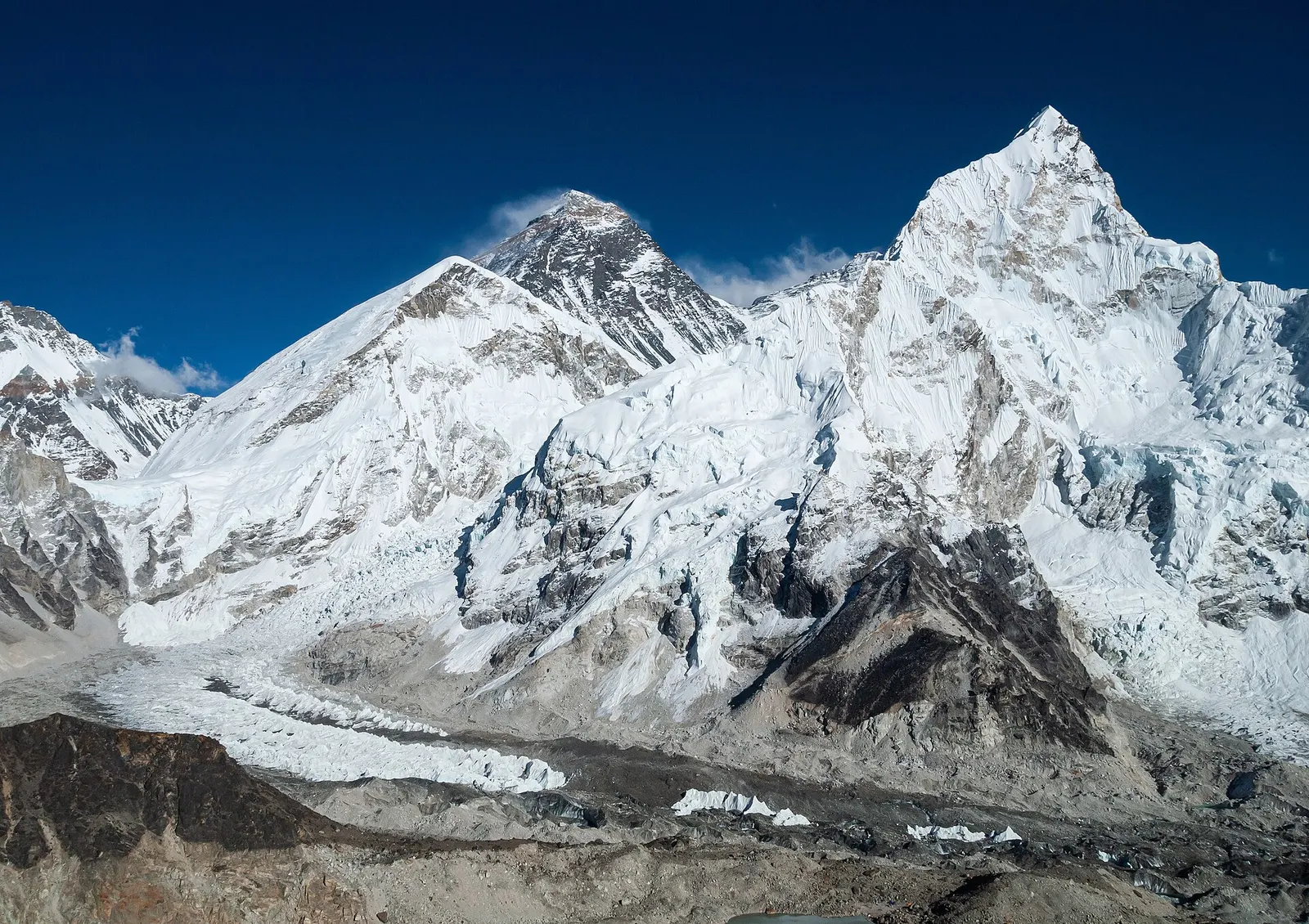
The classic teahouse trek from Lukla through Sherpa villages to Everest Base Camp (5,364 m) and the Kala Patthar viewpoint, with acclimatisation days in Namche and Dingboche.
- Days
- 12 days
- Maximum altitude
- 5,644 m
- Difficulty
- Strenuous
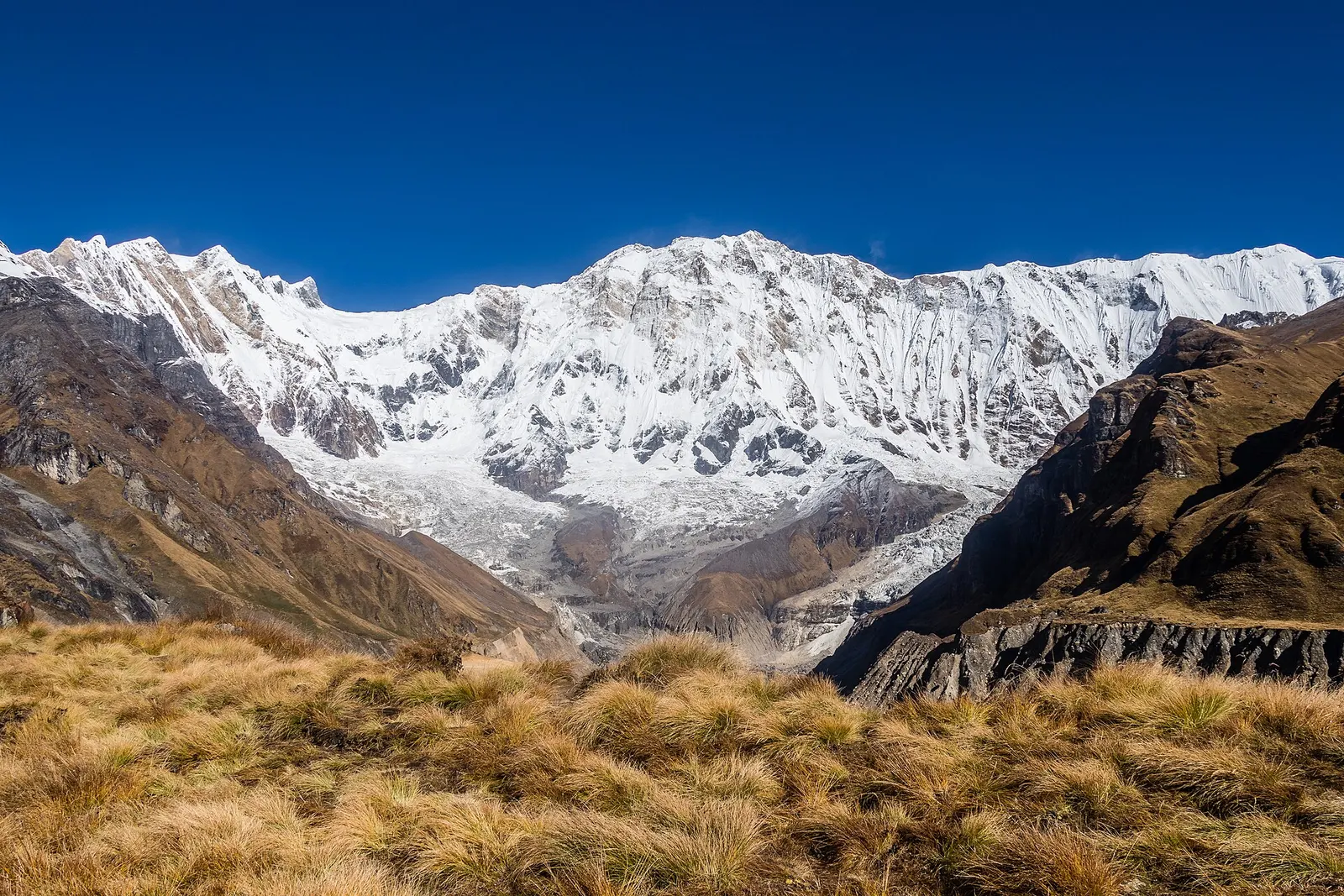
A teahouse trek from the road heads north of Pokhara through Gurung villages and the bamboo forest of the Modi Khola gorge into the Annapurna Sanctuary, to Annapurna Base Camp at about 4,130 m.
- Days
- 8 days
- Maximum altitude
- 4,130 m
- Difficulty
- Moderate
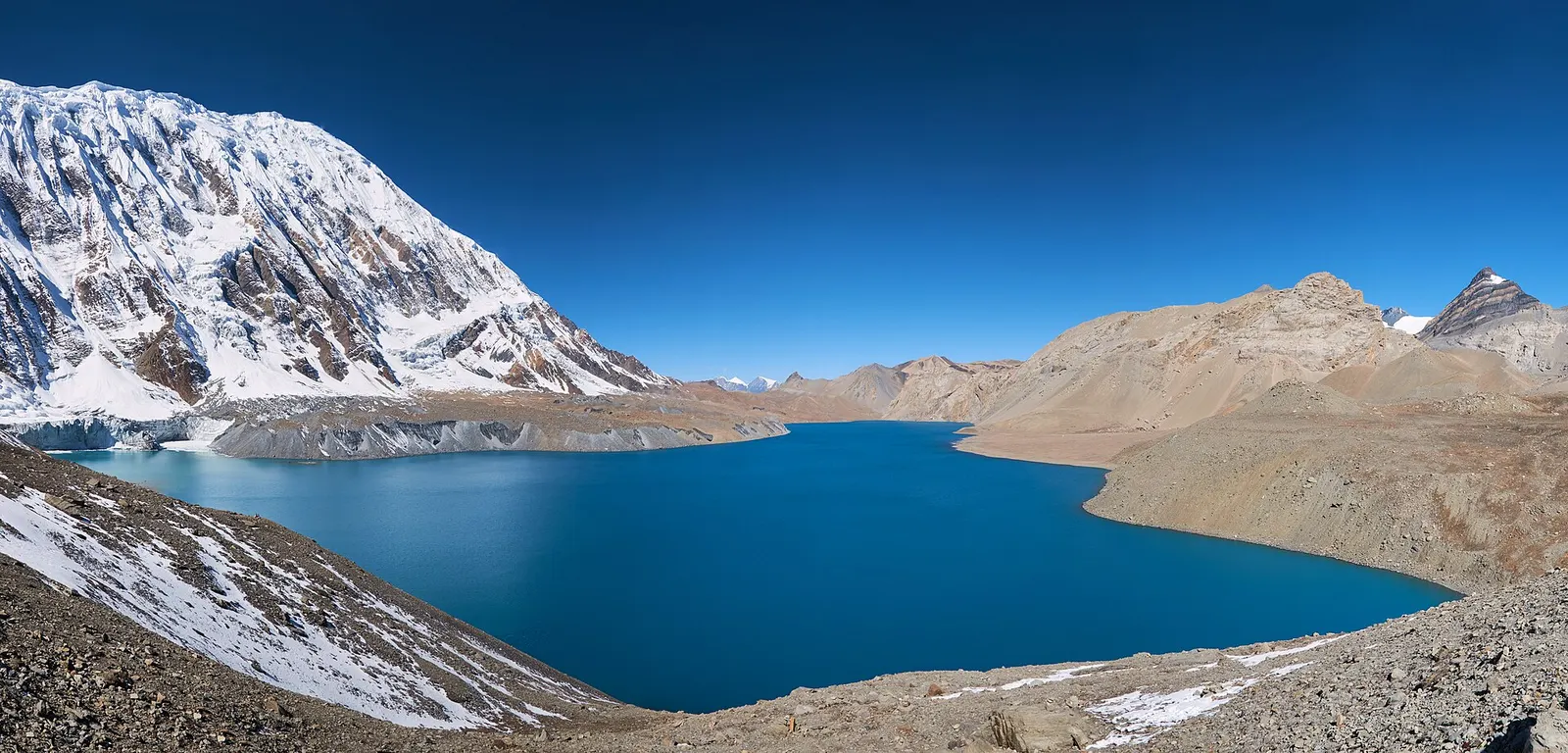
A teahouse journey around the Annapurna massif, from the green Marsyangdi valley through Manang and over the Thorong La (5,416 m) to Muktinath and the dry Kali Gandaki valley.
- Days
- 11 days
- Maximum altitude
- 5,416 m
- Difficulty
- Strenuous
Related places
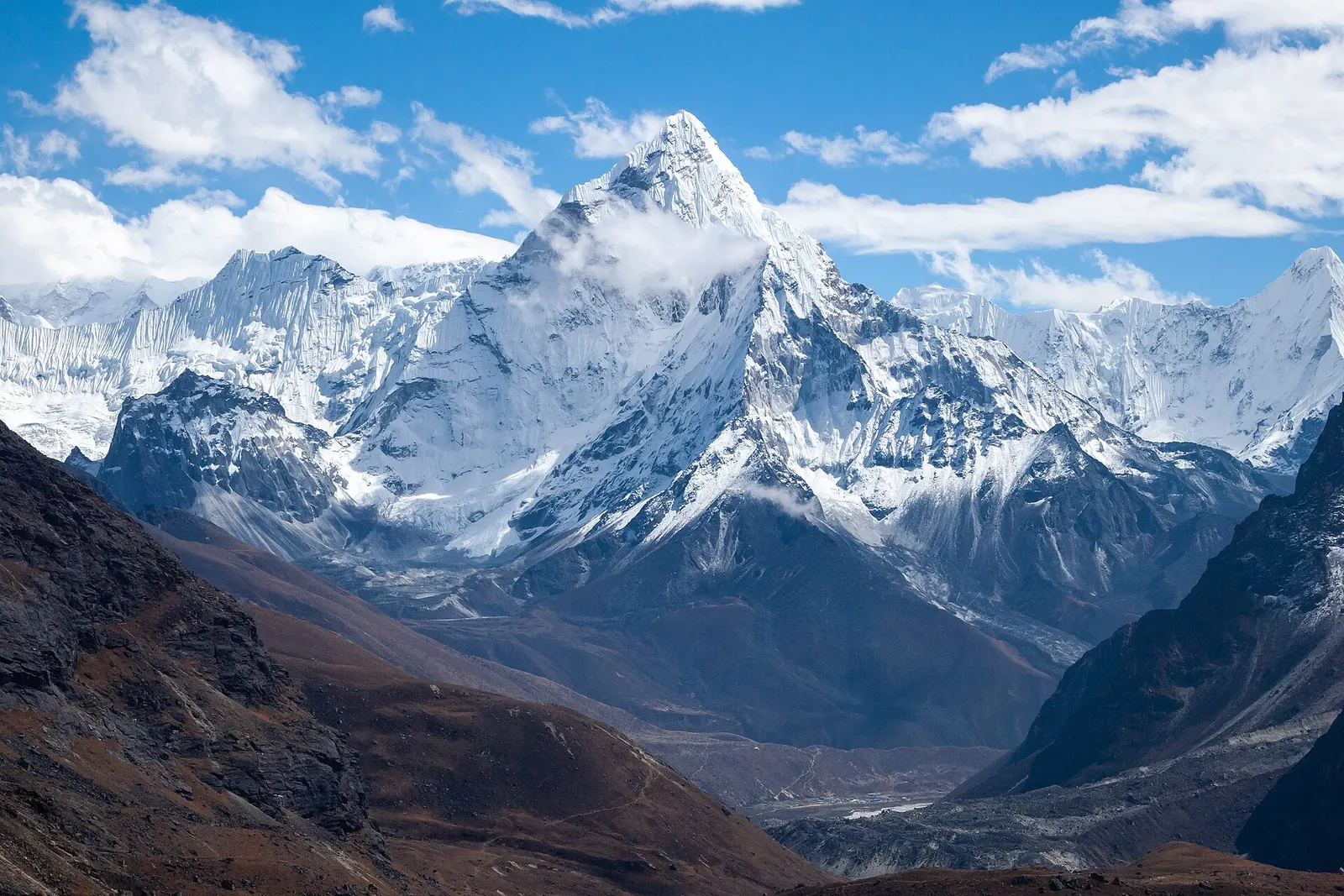
Everest Region
3,440 m, best Mar-May, Oct-Nov
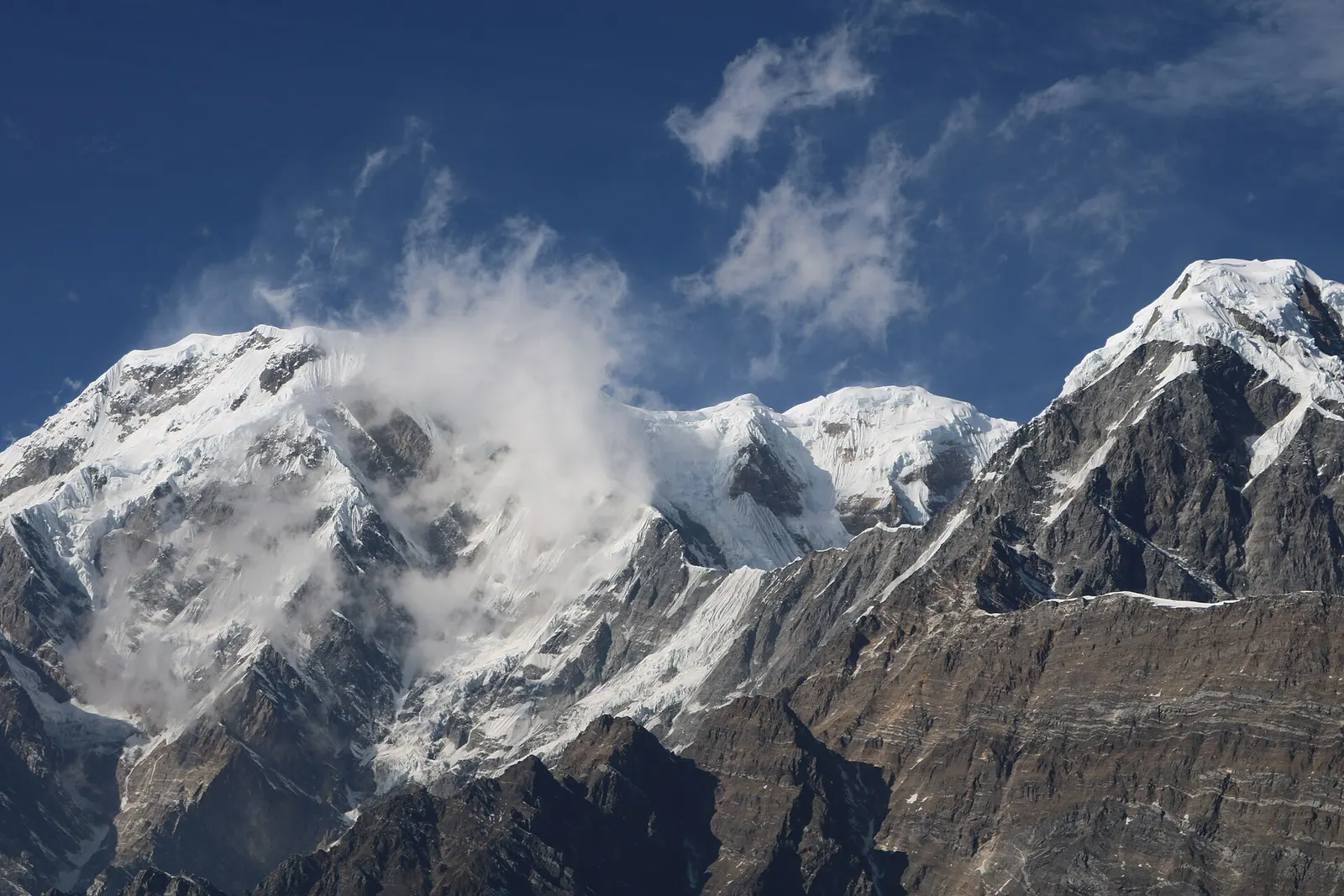
Annapurna Region
4,130 m, best Mar-Apr, Oct-Nov
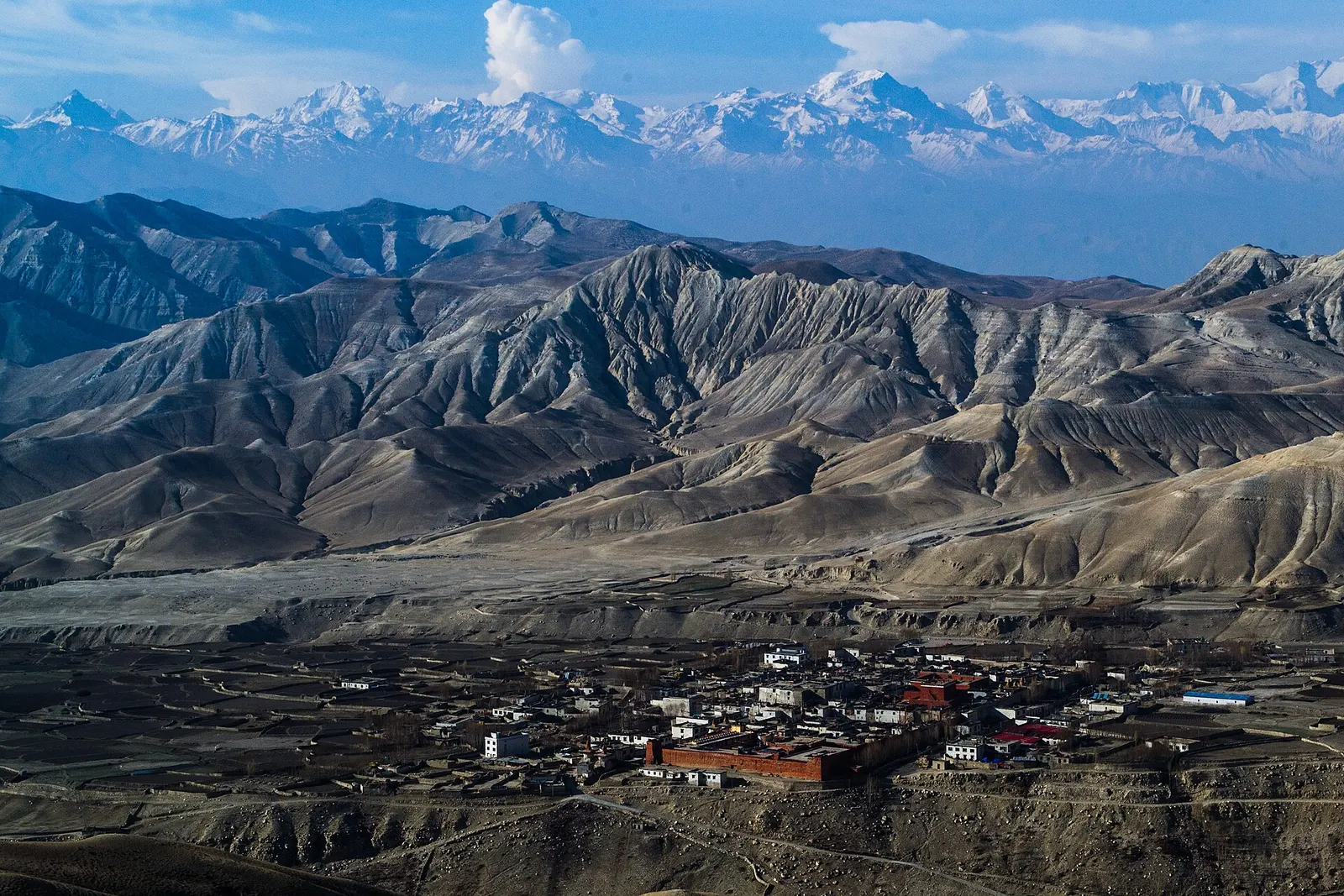
Upper Mustang
3,840 m, best Mar-Nov
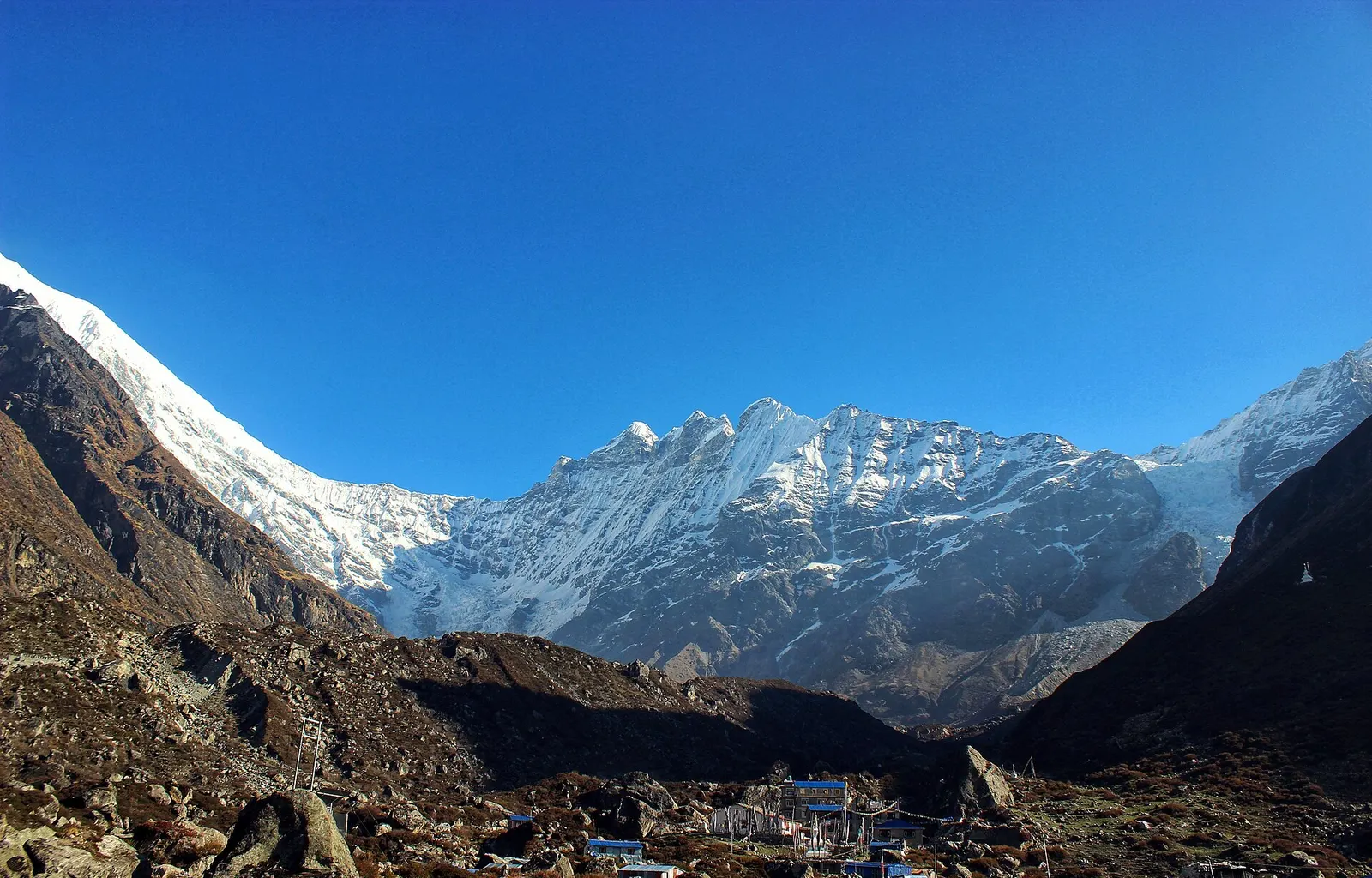
Langtang Valley
3,870 m, best Mar-May, Oct-Nov