Altitude sickness in Nepal
General information on acute mountain sickness, HAPE and HACE: how they happen, the warning signs, how to reduce the risk, and what to do if someone is unwell.
By Firfirey editorial. Editorial draft, facts being checked against official sources.
General information, not medical advice
Speak to a doctor before travelling to high altitude, and carry insurance that covers helicopter evacuation.Read this first
This page is general information, not medical advice. Talk to a doctor before you travel, especially if you have a health condition or take regular medicine, and ask them about altitude. Buy travel insurance that covers trekking and helicopter evacuation up to the highest altitude you plan to reach.
Why altitude affects you
As you go higher, the air pressure falls and each breath delivers less oxygen. The body adapts over days, by breathing faster and making changes in the blood, but it cannot be hurried. Altitude illness happens when you go up faster than your body can adjust.
Anyone can be affected, whatever their age or fitness. Being fit does not protect you, and having been fine at altitude before does not guarantee you will be fine next time. Symptoms are common above about 2,500 m and many of Nepal's treks sleep well above 3,500 m.
The three conditions
Altitude illness is usually described in three forms:
| Condition | What it is | Warning signs |
|---|---|---|
| Acute mountain sickness (AMS) | The common, milder form | Headache plus one or more of: nausea or vomiting, loss of appetite, tiredness or weakness, dizziness |
| High-altitude cerebral oedema (HACE) | Swelling of the brain; a medical emergency | Confusion, unusual behaviour, drowsiness, loss of coordination (stumbling, unable to walk heel to toe in a straight line) |
| High-altitude pulmonary oedema (HAPE) | Fluid in the lungs; a medical emergency | Breathlessness at rest, a dry then wet cough, chest tightness, much lower exercise capacity than others in the group |
Reducing the risk
The most important protection is a slow ascent. Above about 3,000 m, a widely used guideline from the CDC Yellow Book and the Wilderness Medical Society is not to increase your sleeping altitude by more than about 500 m a day, and to spend an extra night at the same altitude every 3 to 4 days. Day hikes higher than where you sleep ('climb high, sleep low') can help.
Good trek itineraries in Nepal already include acclimatisation days, such as Namche Bazaar and Dingboche on the way to Everest Base Camp, or Manang on the Annapurna Circuit. Do not skip them to save time.
- Walk slowly enough to talk comfortably.
- Drink enough to stay hydrated; drinking extra water beyond that does not prevent altitude illness.
- Avoid alcohol and sleeping pills at altitude.
- Some people take medicine to help prevent altitude illness. This is a prescription decision for your doctor.
- Driving or flying to high places quickly (for example a jeep to Muktinath, or a helicopter to the Khumbu) gives your body no time to adjust.
The golden rules
Mountain doctors repeat the same simple rules:
- Assume any illness at altitude is altitude illness until proven otherwise.
- Never go higher with symptoms of AMS. Rest at the same altitude until they go away.
- If symptoms get worse, or do not improve with rest, go down.
- Signs of HACE or HAPE mean descend immediately, even at night, and get help.
- Never leave someone who is unwell on their own, and never send them down alone.
Help on the trail
On the main routes, the Himalayan Rescue Association runs seasonal aid posts staffed by doctors, for example at Pheriche on the Everest trail and at Manang on the Annapurna Circuit, and gives daily talks on altitude. Elsewhere, medical help may be days away.
Helicopter evacuation is possible from many trekking areas in good weather. It is expensive, so check that your insurance covers it at your planned altitude, carry your policy details, and make sure your guide or agency knows how to reach your insurer.
Questions
At what altitude does altitude sickness start?
Symptoms are commonly reported above about 2,500 m, and become more likely the higher and faster you go. Many Nepal treks sleep above 3,500 m.
Does being fit protect me?
No. Fitness makes the walking easier but does not prevent altitude illness. A slow ascent is what matters.
Should I take medicine to prevent altitude sickness?
That is a decision for your doctor, who can advise on whether a preventive medicine suits you and how to use it.
What should I do if I get a headache at altitude?
Stop going up, rest, drink and watch for other symptoms. If it gets worse or comes with confusion, unsteadiness or breathlessness at rest, go down and get help.
Sources
Related treks
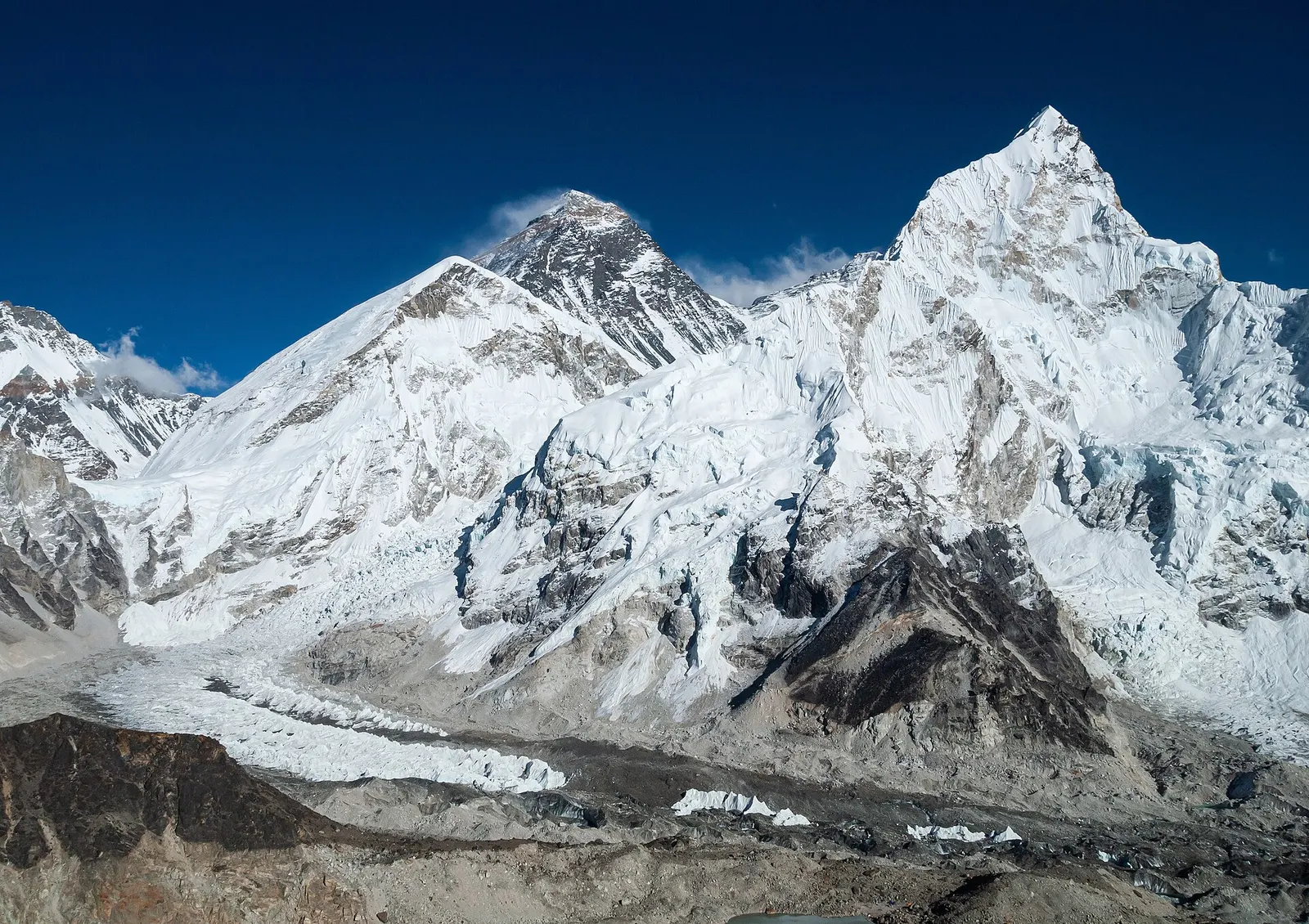
The classic teahouse trek from Lukla through Sherpa villages to Everest Base Camp (5,364 m) and the Kala Patthar viewpoint, with acclimatisation days in Namche and Dingboche.
- Days
- 12 days
- Maximum altitude
- 5,644 m
- Difficulty
- Strenuous
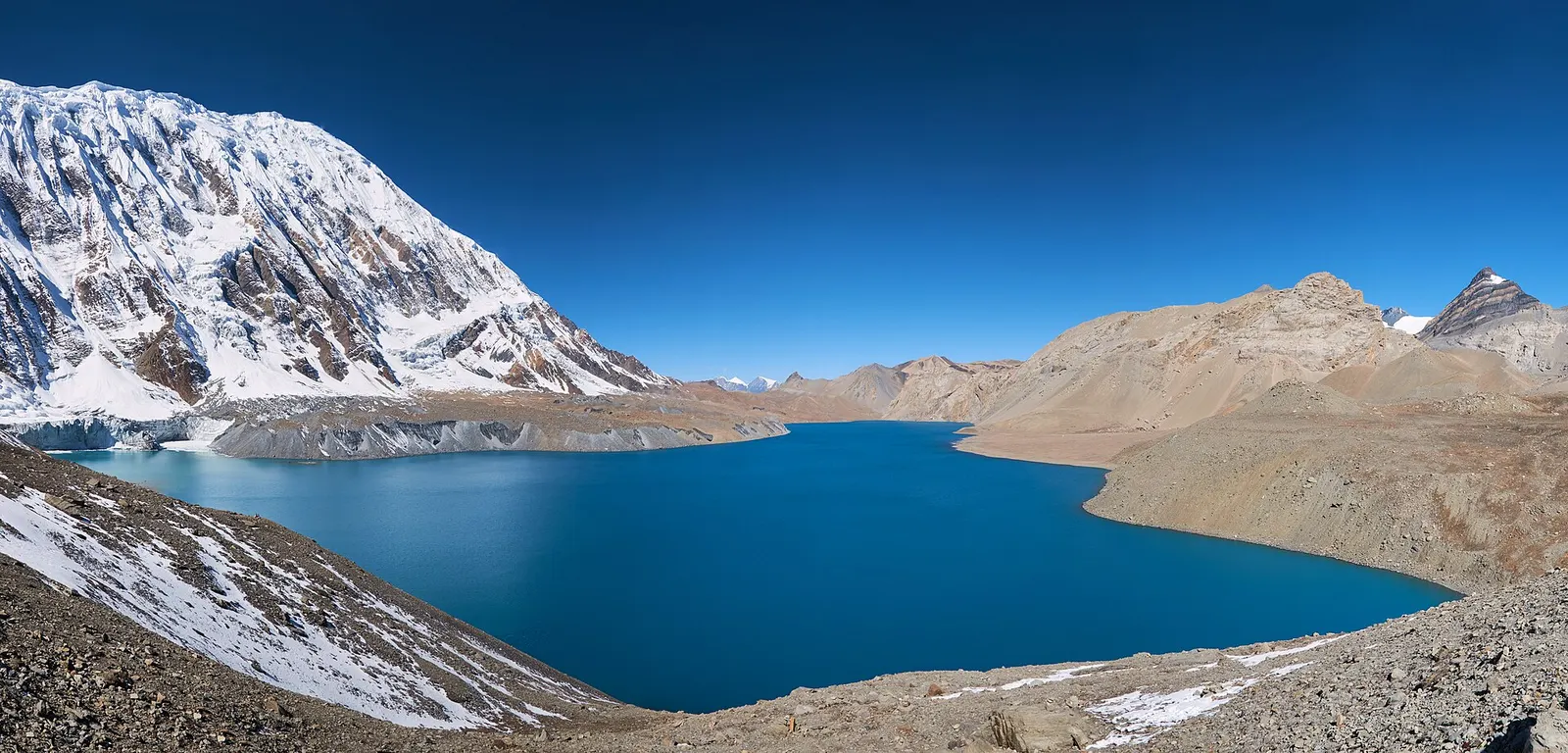
A teahouse journey around the Annapurna massif, from the green Marsyangdi valley through Manang and over the Thorong La (5,416 m) to Muktinath and the dry Kali Gandaki valley.
- Days
- 11 days
- Maximum altitude
- 5,416 m
- Difficulty
- Strenuous
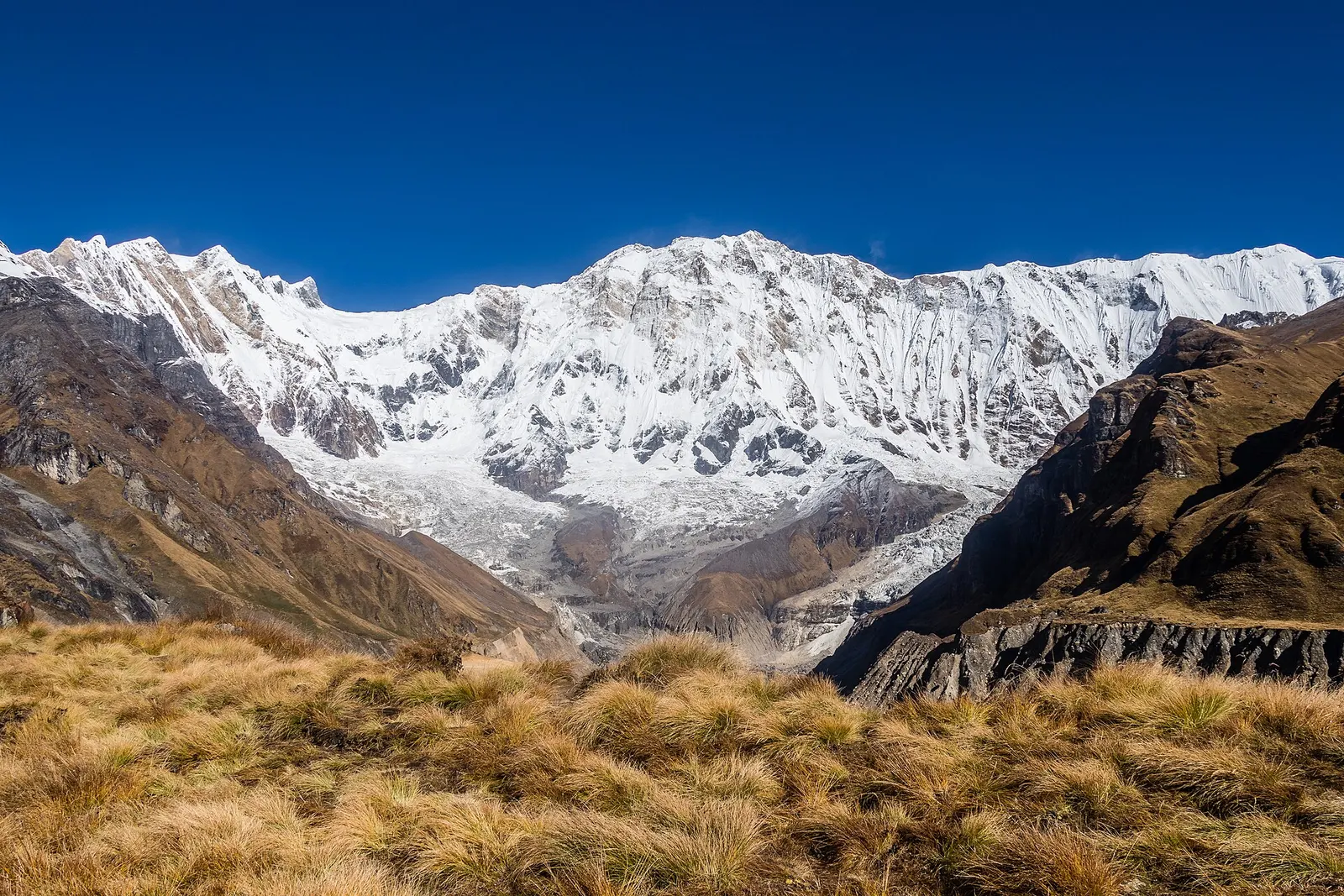
A teahouse trek from the road heads north of Pokhara through Gurung villages and the bamboo forest of the Modi Khola gorge into the Annapurna Sanctuary, to Annapurna Base Camp at about 4,130 m.
- Days
- 8 days
- Maximum altitude
- 4,130 m
- Difficulty
- Moderate
Related places
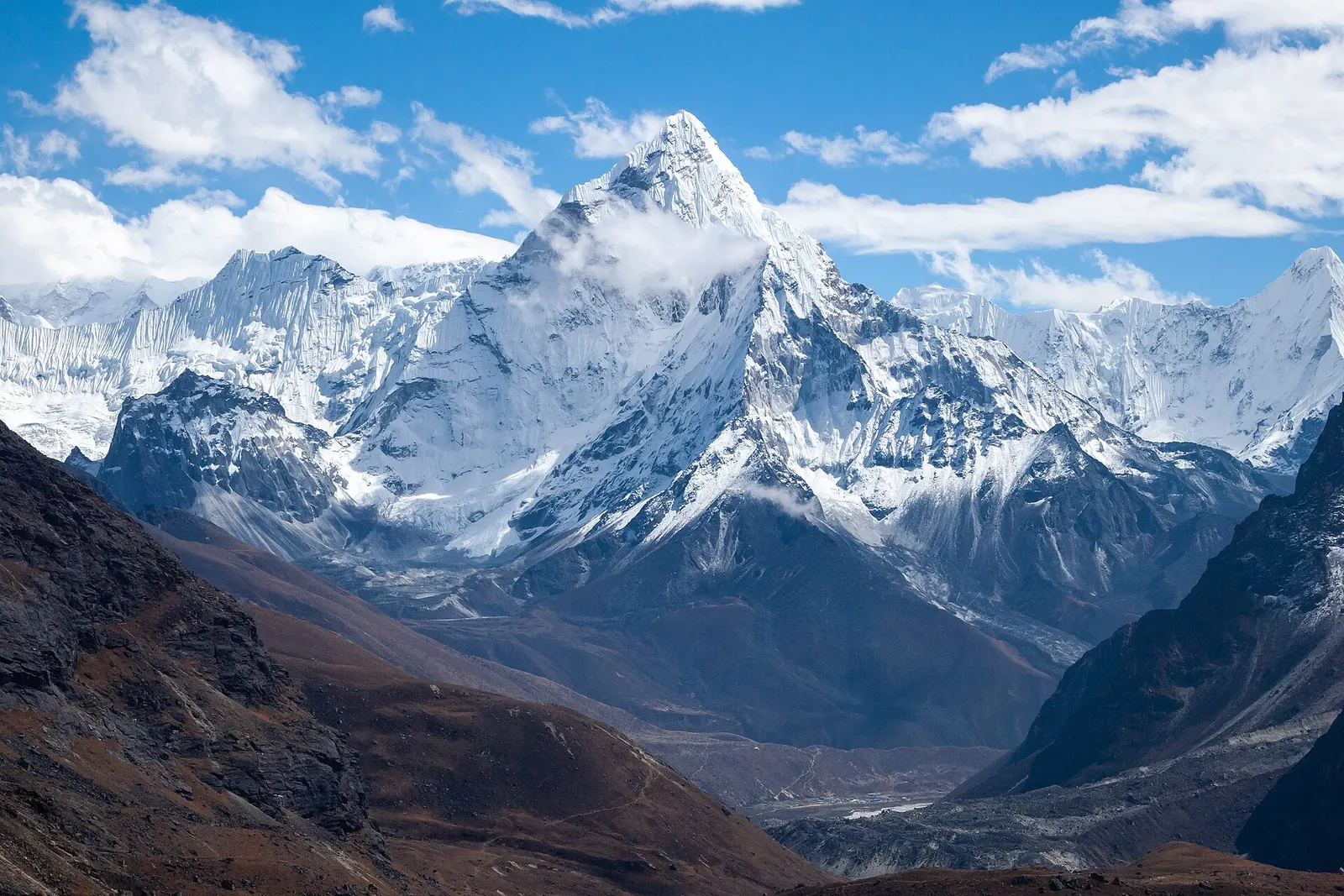
Everest Region
3,440 m, best Mar-May, Oct-Nov
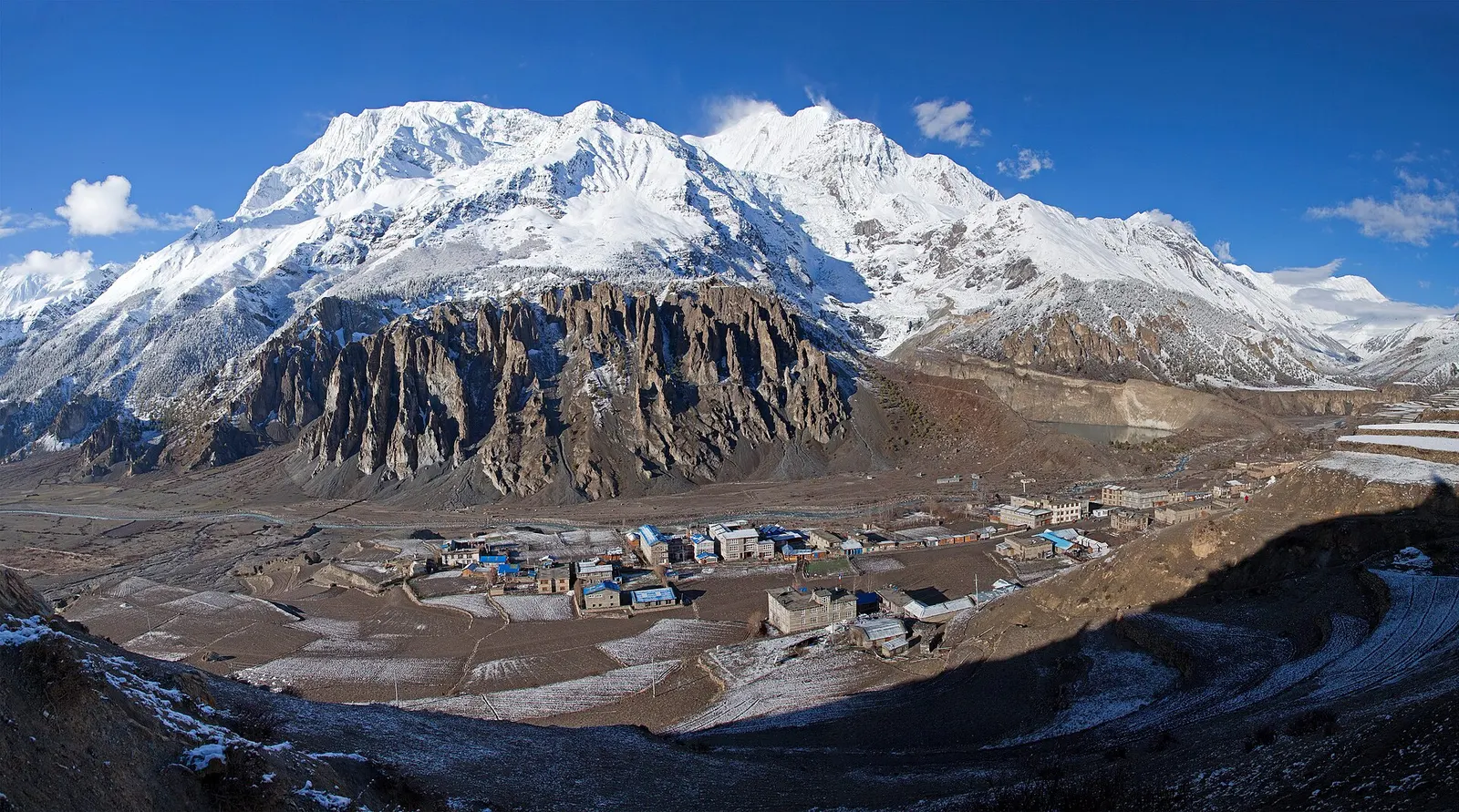
Manang
3,519 m, best Mar-May, Oct-Nov
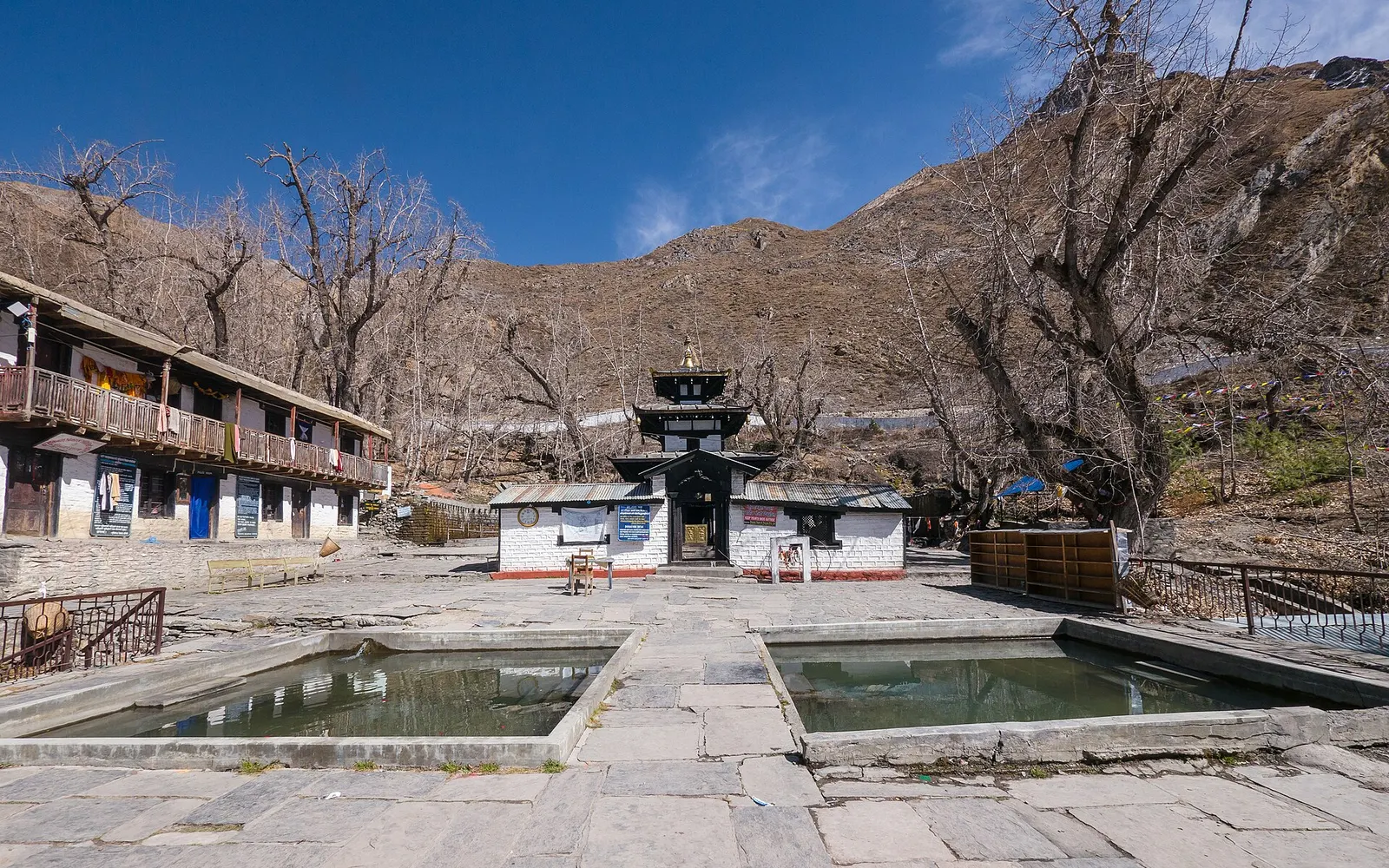
Muktinath
3,800 m, best Mar-Nov
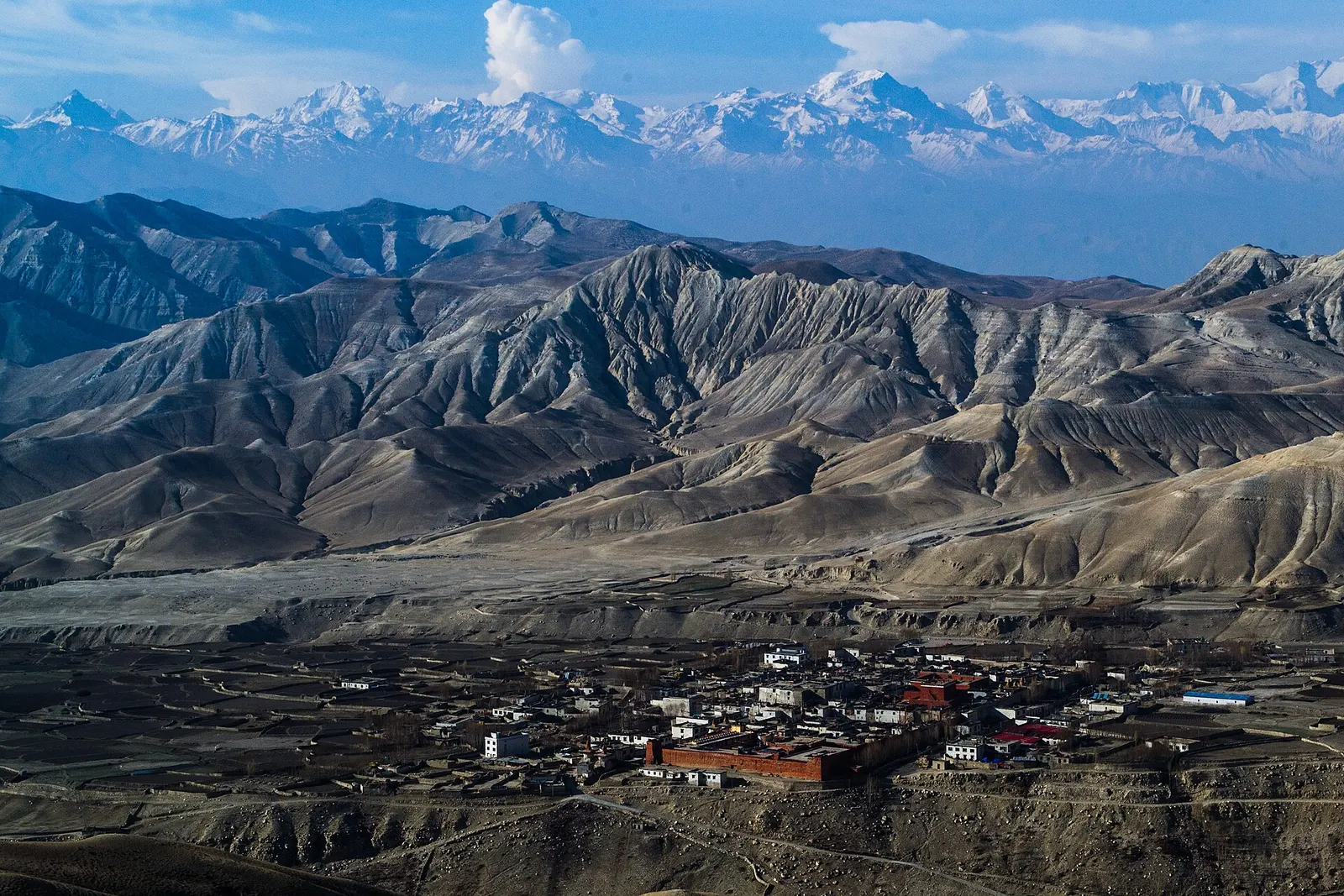
Upper Mustang
3,840 m, best Mar-Nov