Etiquette and customs in Nepal
How to greet people, dress, visit temples and homes, eat, take photographs and bargain in Nepal, with the reasons behind the customs.
By Firfirey editorial. Editorial draft, facts being checked against official sources.
Greetings
The usual greeting is namaste: palms pressed together at chest height with a slight bow. It works for everyone, at any time of day. Handshakes are common between men in cities, but wait for a woman to offer her hand.
Nepalis often address each other with family terms: dai (older brother), didi (older sister), bhai (younger brother) and bahini (younger sister). Using them politely with shopkeepers or lodge staff is friendly and normal. Adding 'ji' after a name shows respect.
Temples, stupas and monasteries
Religion is part of daily life, and most customs at sacred sites are simple:
- Take off your shoes before entering a temple, monastery or home. Look for the shoe racks.
- Leather is not allowed in many Hindu temples. Leave leather belts and bags outside if asked.
- Some temples, including the inner area of Pashupatinath, admit only Hindus. Signs will tell you.
- Walk clockwise around stupas, chortens, mani walls and temples, keeping them on your right. Spin prayer wheels clockwise.
- Do not touch offerings or statues, climb on monuments, or point your feet at a shrine.
- Ask before photographing inside temples and monasteries; some do not allow it.
Hands, feet and heads
Give and receive things, especially money and food, with your right hand, or with both hands as a sign of respect. The left hand is traditionally used for washing.
The head is considered the most sacred part of the body and the feet the least. Avoid touching someone's head, even a child's, and do not point your feet at people or step over someone sitting on the floor.
Food and the idea of jutho
Food or drink that has touched someone's mouth or plate is jutho, ritually impure for others. Do not offer food from your plate or take a bite of someone else's, and when drinking from a shared bottle, pour it into your mouth without touching your lips to it.
In homes and local eateries, wash your hands before and after eating. Eating with the right hand is normal; ask for a spoon if you prefer. In a dal bhat restaurant, your plate will be refilled until you say 'pugyo' (enough).
Kitchens and hearths can be sacred spaces, so wait to be invited in.
Dress and behaviour
Dress modestly, especially at religious sites and in villages: cover shoulders and knees. Shorts and vests are common in Thamel and Lakeside but stand out elsewhere.
Public displays of affection are not common. Keep them low-key, and avoid them entirely at religious sites. Raising your voice or showing anger in public is frowned upon; calm patience solves more problems.
Photography
Ask before photographing people, and accept a no. Some sadhus at temples expect a small payment for photos. Never photograph cremations at Pashupatinath or grieving families, and be careful around military or security sites.
Bargaining and money
Bargaining is normal in markets and souvenir shops, not in restaurants, supermarkets or places with fixed prices. Keep it friendly and remember the difference often matters more to the seller than to you.
On the trail
Pass mani walls and chortens on the left side, so they stay on your right. Do not remove prayer flags or stones. Carry your rubbish out, and use water purification rather than buying plastic bottles.
Questions
How do I greet people in Nepal?
Say namaste with your palms together at chest height and a small bow. It is polite for any age, at any time of day.
Can tourists enter Hindu temples in Nepal?
Many temples are open to all, but some inner areas, including at Pashupatinath, are for Hindus only. Follow the signs and remove shoes and leather where asked.
Which way should I walk around a stupa?
Clockwise, keeping the stupa on your right. The same goes for prayer wheels, chortens and mani walls.
Sources
Related treks
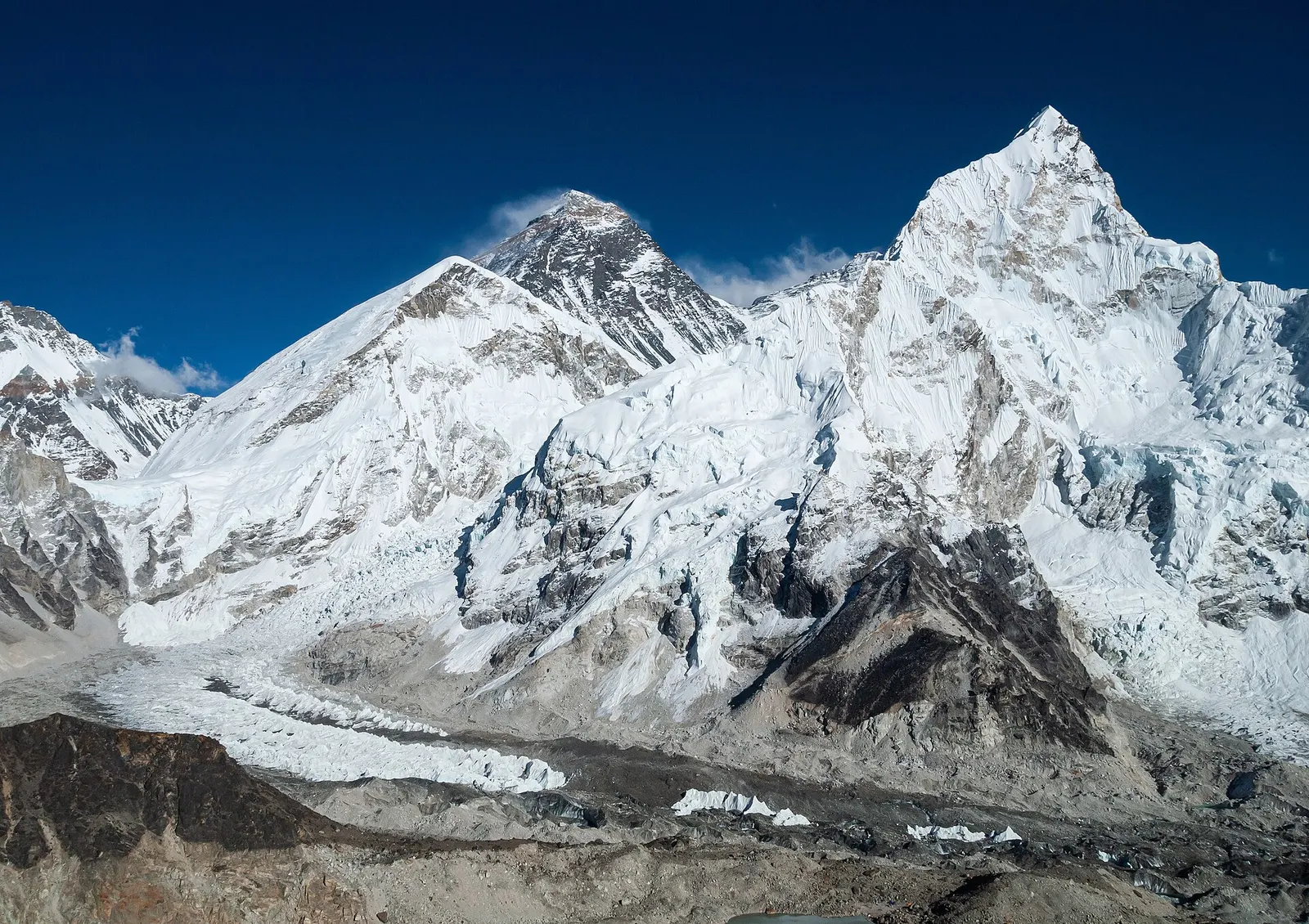
The classic teahouse trek from Lukla through Sherpa villages to Everest Base Camp (5,364 m) and the Kala Patthar viewpoint, with acclimatisation days in Namche and Dingboche.
- Days
- 12 days
- Maximum altitude
- 5,644 m
- Difficulty
- Strenuous
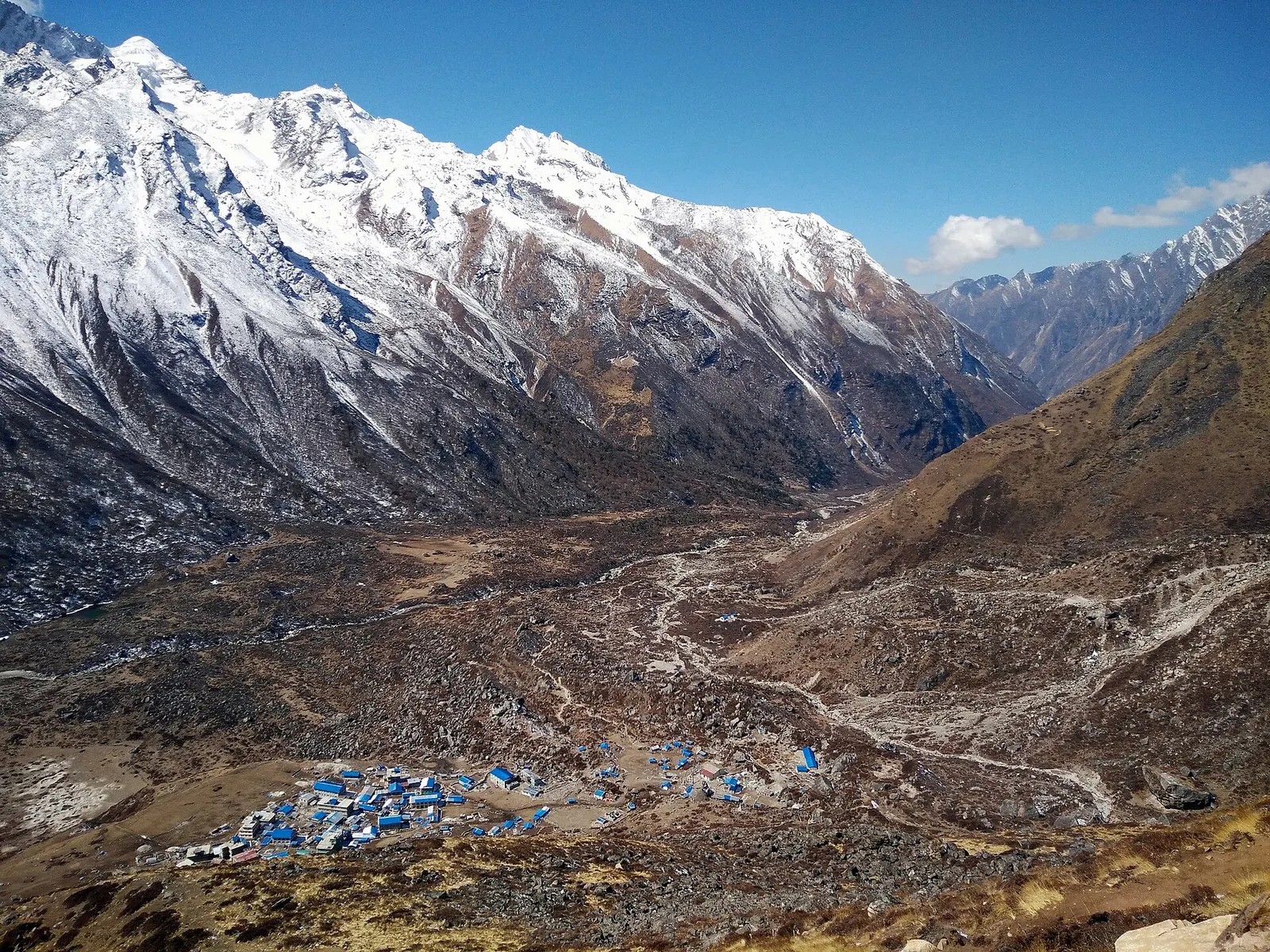
A road-accessed teahouse trek from Syabrubesi up the Langtang Khola to Kyanjin Gompa (about 3,870 m), with an optional climb to Tserko Ri for close views of Langtang Lirung. Check road access after the August 2026 floods.
- Days
- 8 days
- Maximum altitude
- 4,984 m
- Difficulty
- Moderate
Related places
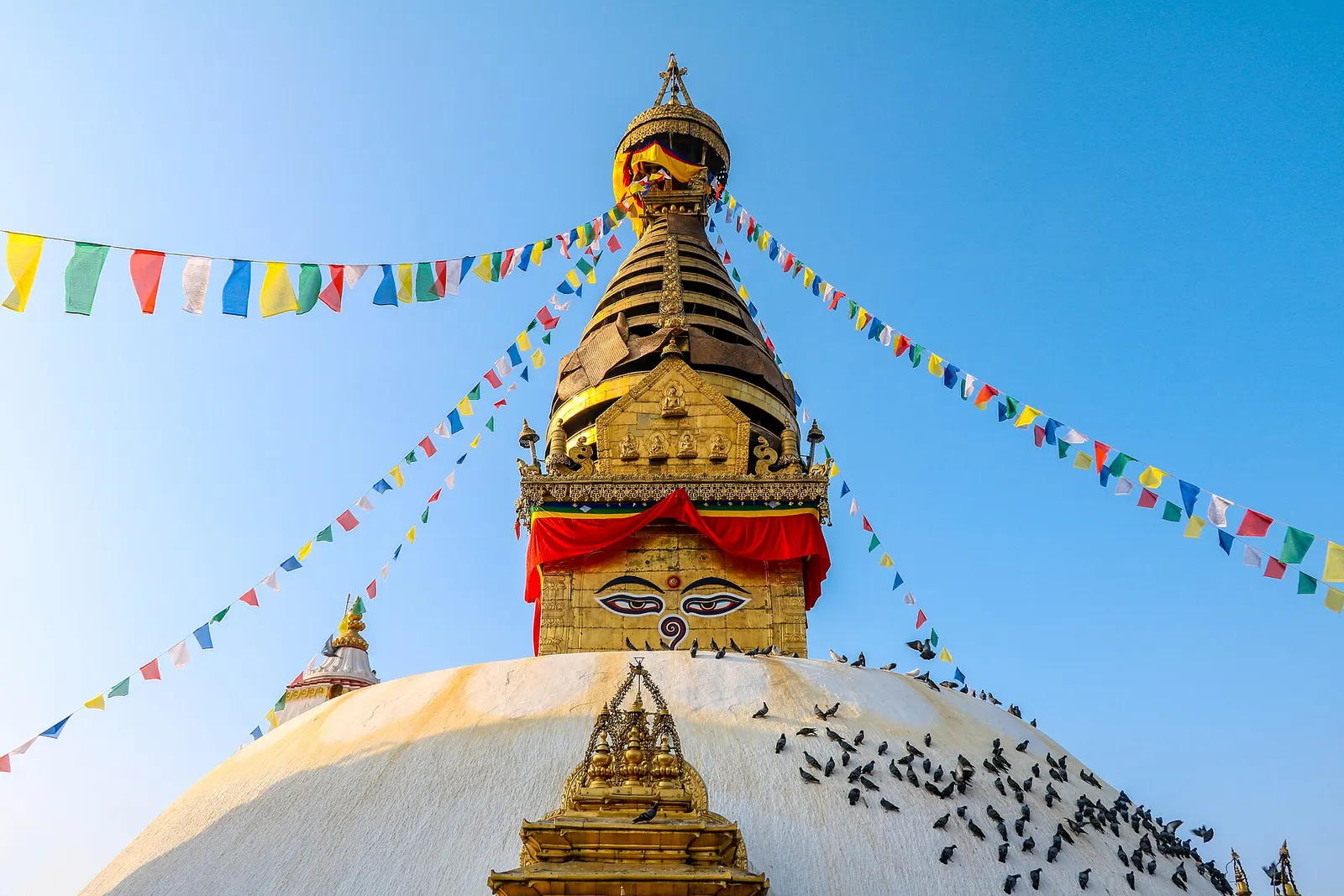
Kathmandu
1,400 m, best Feb-Apr, Oct-Dec
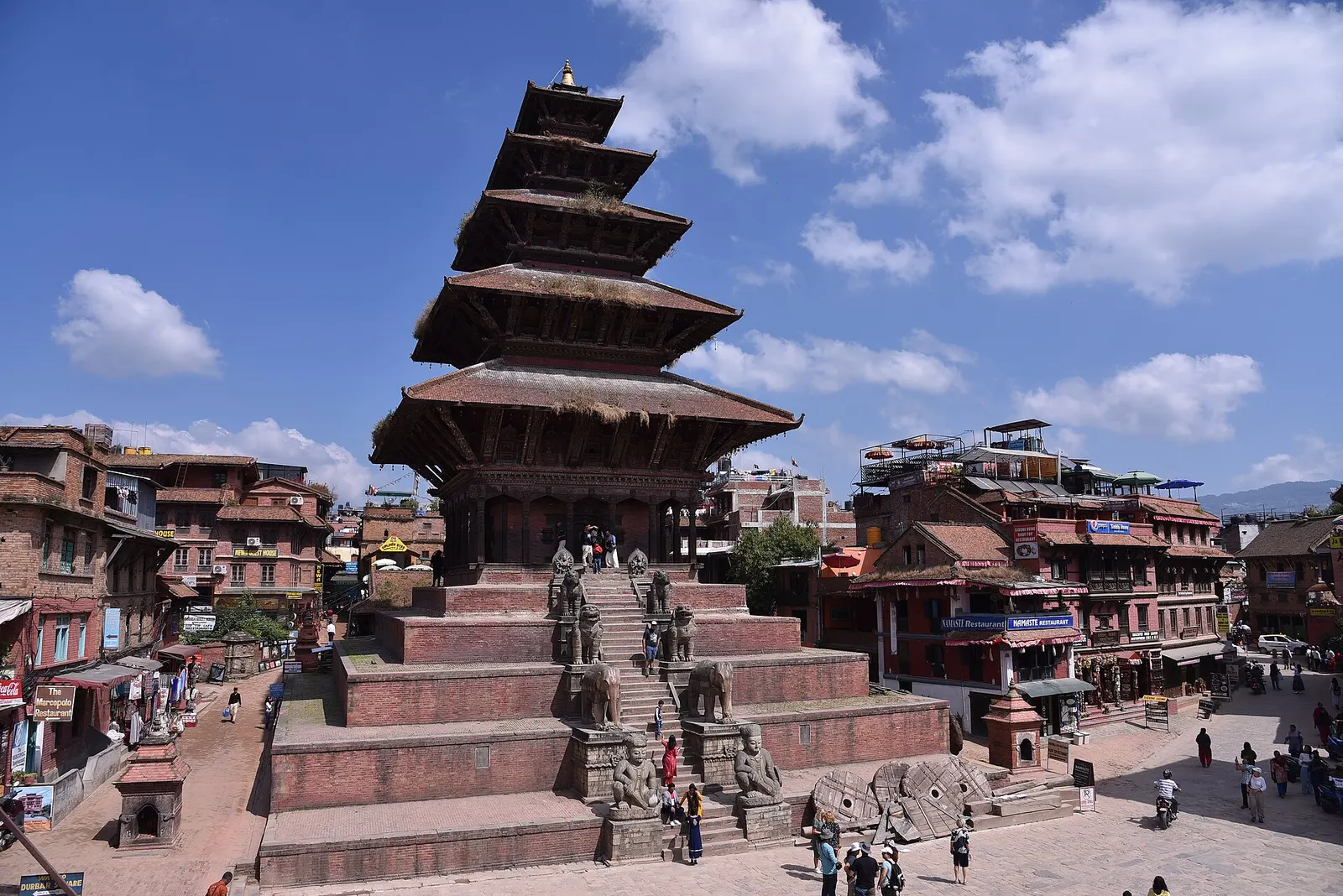
Bhaktapur
1,401 m, best Oct-May
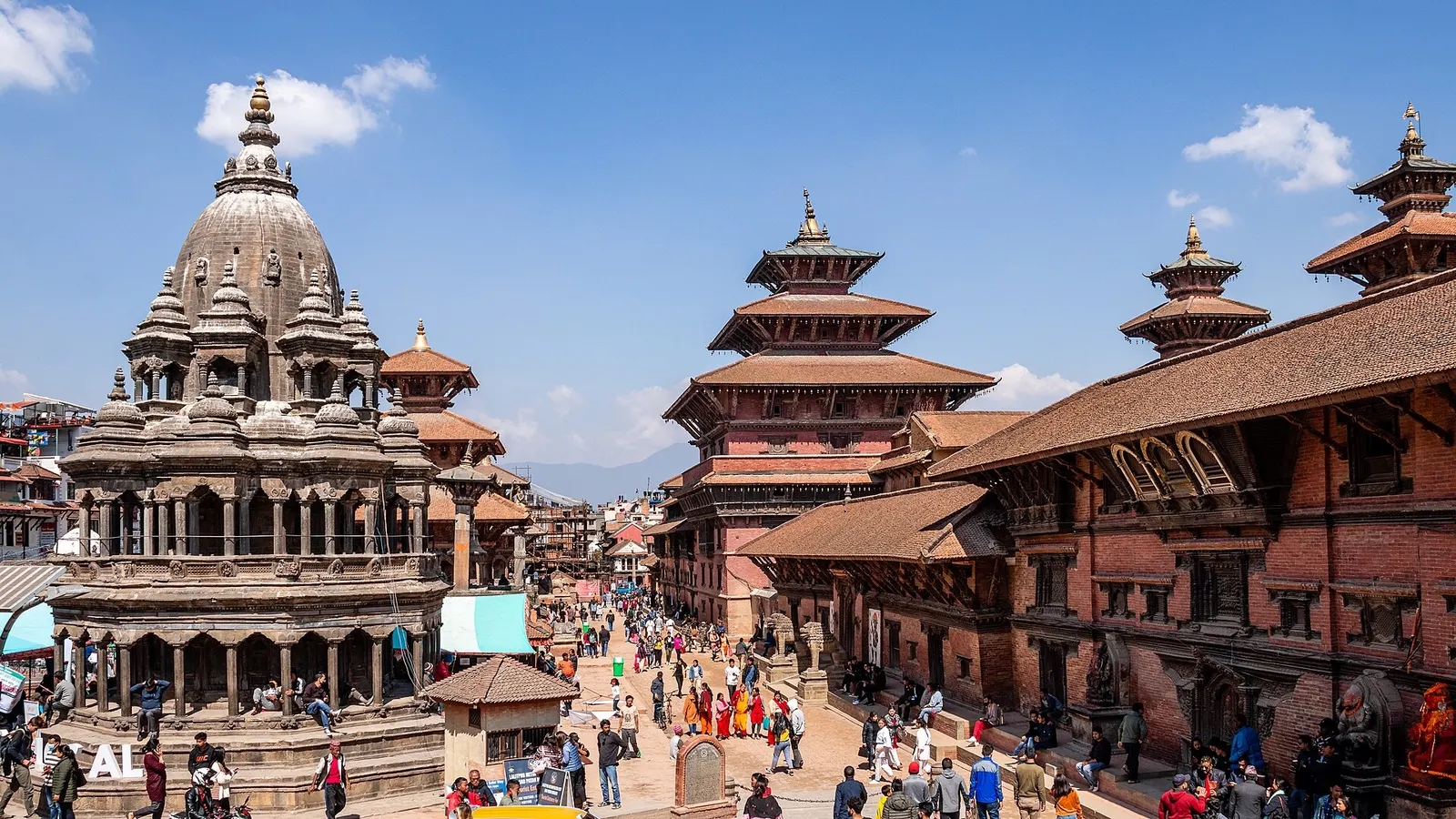
Patan (Lalitpur)
1,350 m, best Oct-May
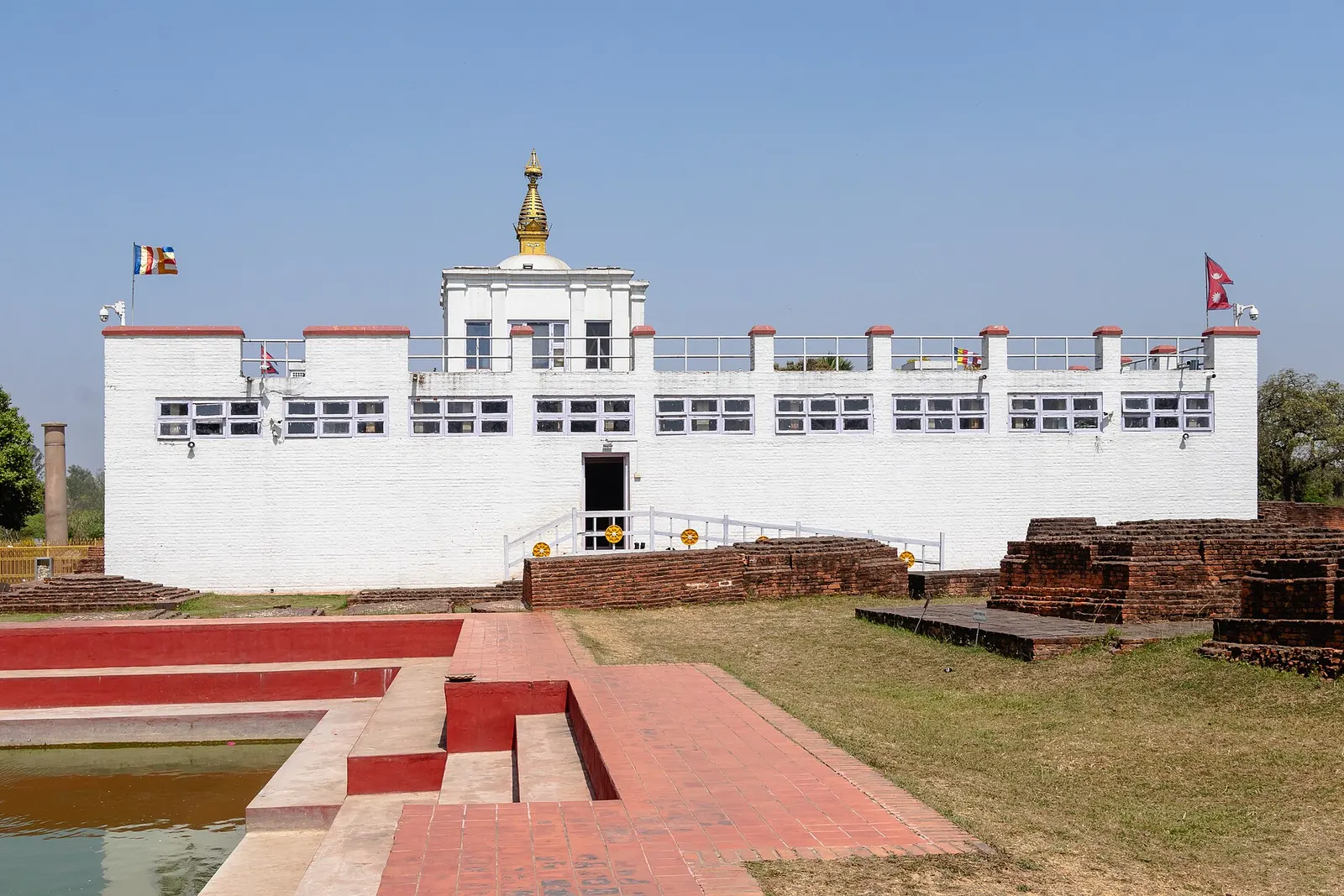
Lumbini
150 m, best Oct-Mar