
Town or village · 1,360 m
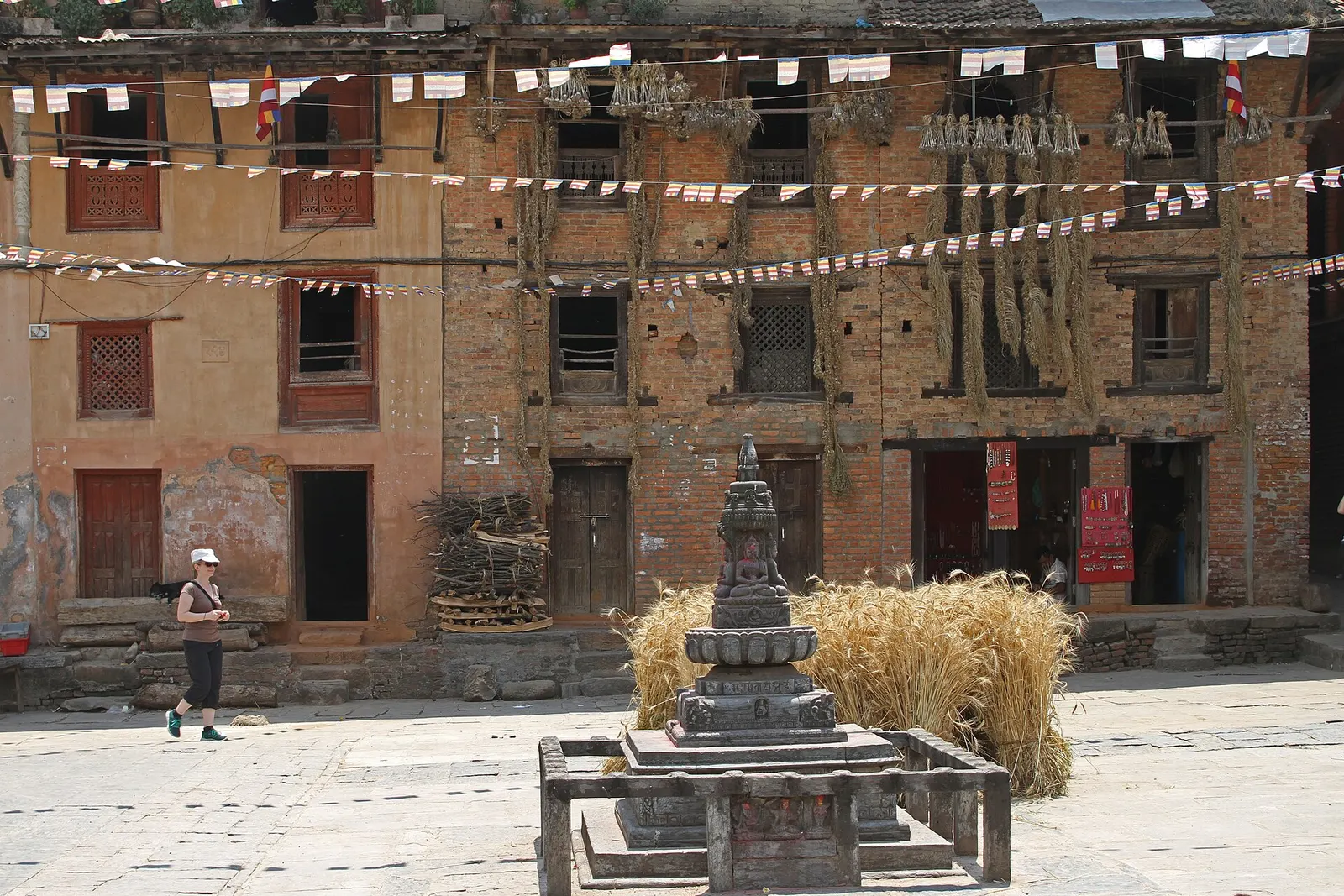
Bungamati
A Newar village on a spur above the Bagmati, home of the rain god Rato Machhindranath and known for its woodcarvers.
Kathmandu Valleyललितपुर (पाटन)
The valley's city of craftspeople, with an elegant durbar square and a fine museum.
This is Patan, also called Lalitpur, the old royal city just south of Kathmandu across the Bagmati river; it is not Patan in Gujarat, India, or Patan in Baitadi in far-western Nepal.
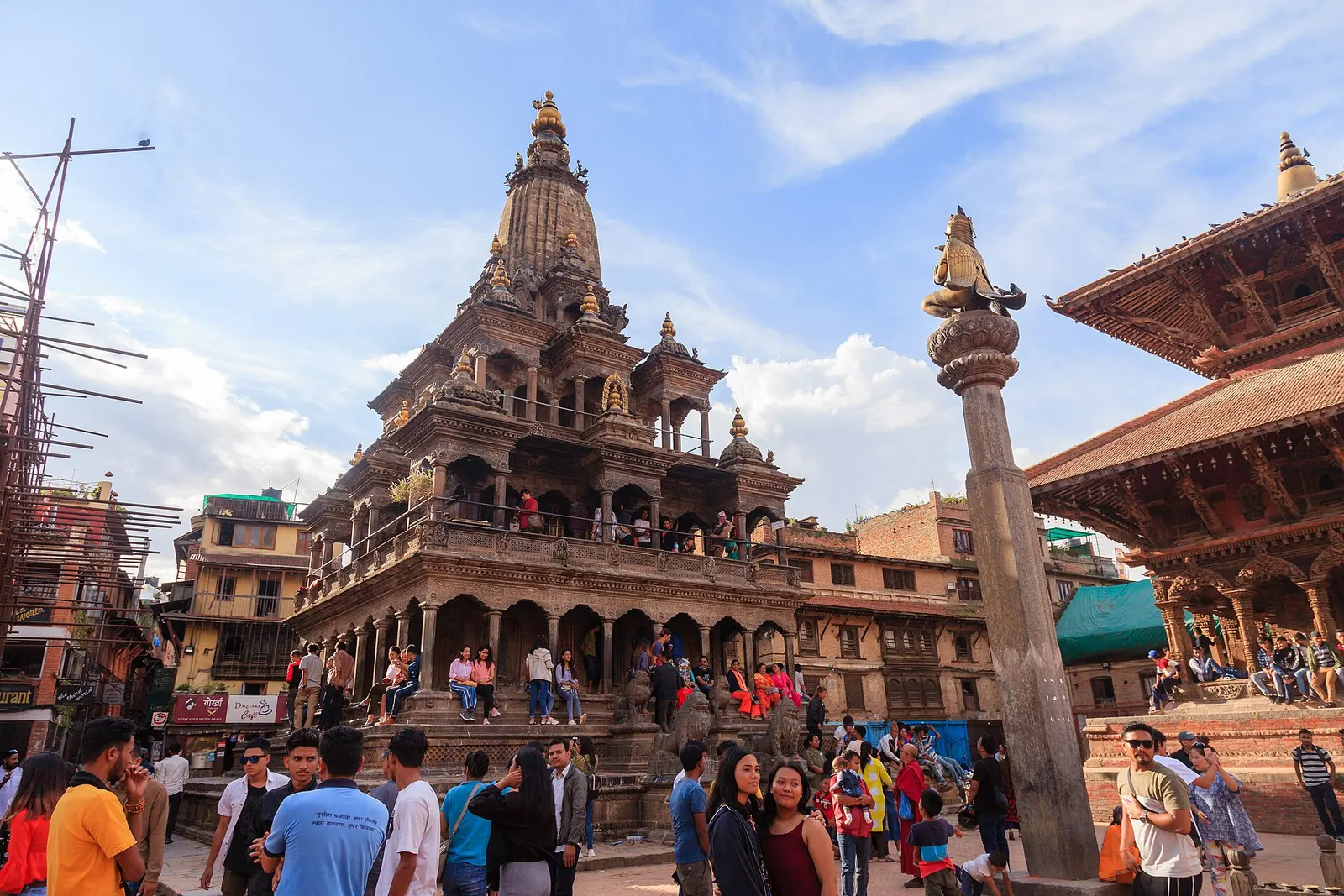
Patan, officially Lalitpur and known in Newar as Yala, sits just south of Kathmandu across the Bagmati river, so close that the two cities have grown together. Its historic core is a dense web of brick lanes, courtyards (bahal and bahi) and squares, with more Buddhist monasteries than any other city in the valley and a long tradition of fine craftsmanship in bronze, copper and wood.
The heart of the city is Patan Durbar Square, the former royal palace and its temples, now home to the Patan Museum. A short walk north, the Golden Temple (Hiranya Varna Mahavihar) is a gilded Buddhist monastery courtyard, and the five-tiered Kumbheshwar temple is one of only two free-standing five-roofed temples in the valley. To the south, the Rato Machhindranath temple sits in a large courtyard, and Mahabouddha, a terracotta temple covered in images of the Buddha, is tucked into a tight lane. Four old stupas mark the edges of the old city.
Many travellers prefer to stay in Patan rather than Thamel: it is quieter, has good cafes, guesthouses in restored houses and a strong local culture, and Kathmandu is only 15-30 minutes away by taxi. South of the city, the rest of Lalitpur district opens up: the Newar villages of Khokana and Bungamati are 6-8 km away, Godawari and its botanical garden lie about 10-14 km to the south-east, and Phulchowki, the highest point on the valley rim, rises above Godawari.
The story
No leather may cross the threshold of the Golden Temple, and turtles live in its courtyard. Patan is also home for part of every year to Rato Machhindranath, the god of rain, whose chariot festival is one of the longest and oldest in the valley.
Town or village · 1,360 m
A Newar village on a spur above the Bagmati, home of the rain god Rato Machhindranath and known for its woodcarvers.
Town or village · 1,520 m
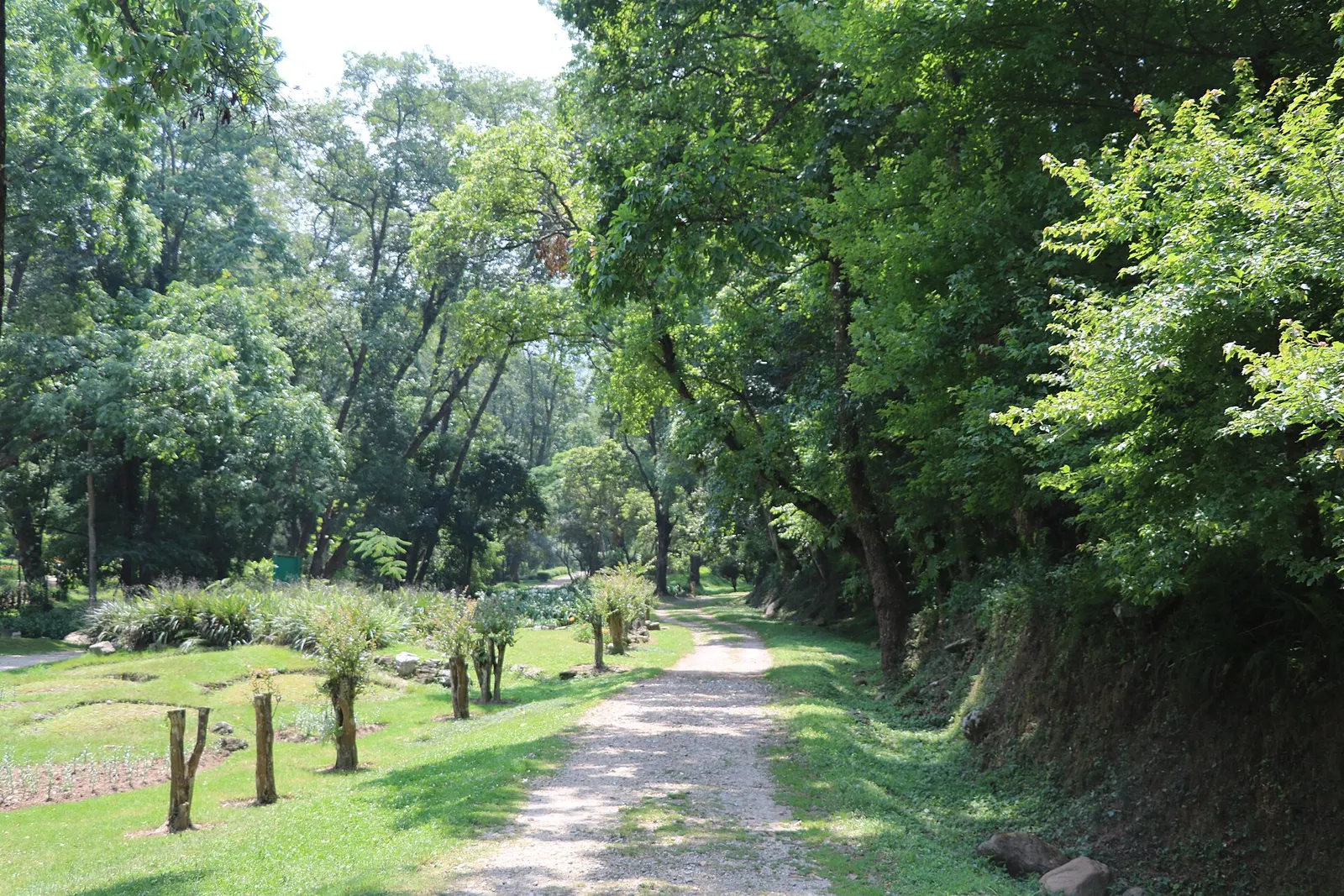
A green corner at the foot of Phulchowki, south-east of Patan, with Nepal's national botanical garden, sacred springs and forest walks.
Town or village · 1,340 m
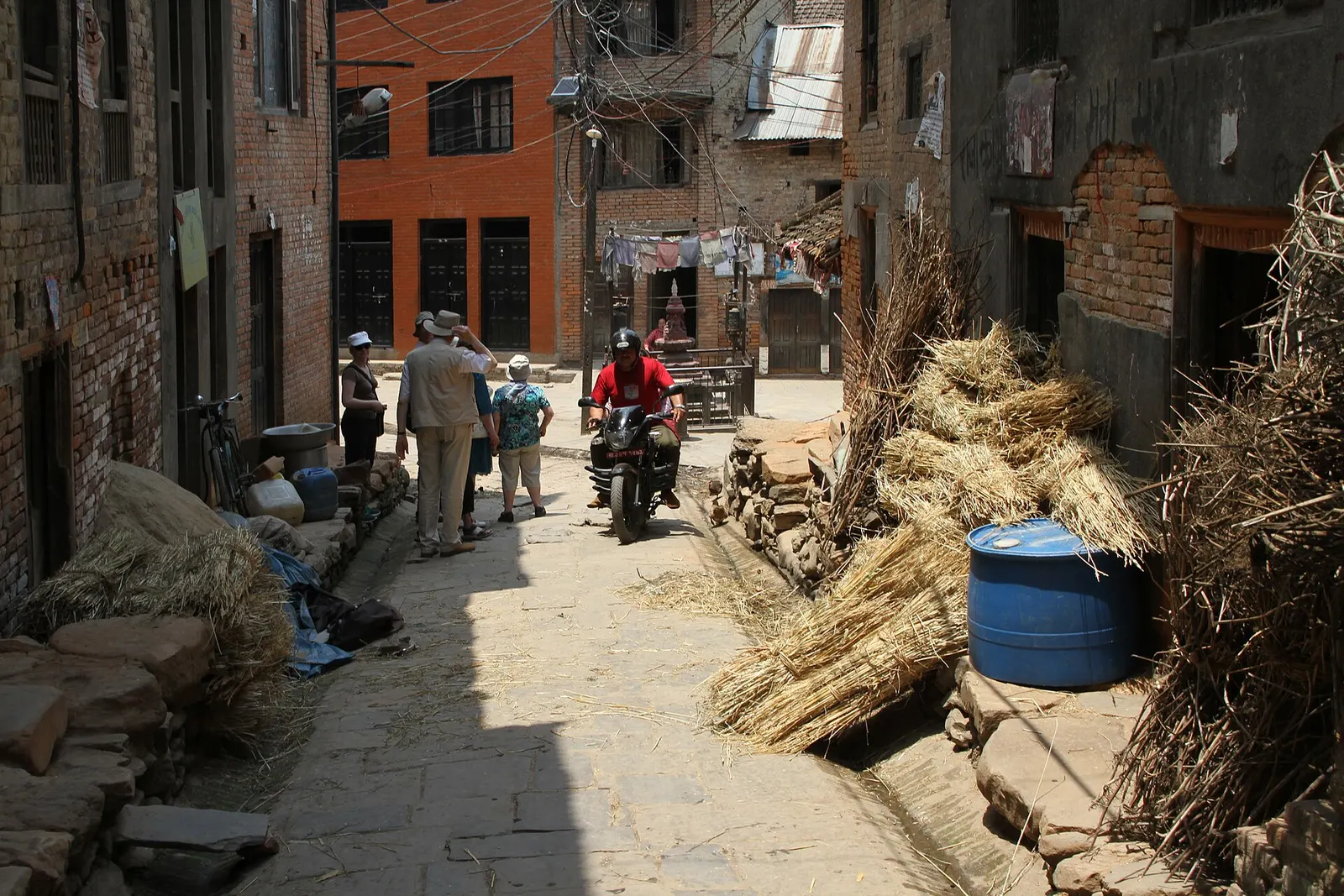
A traditional Newar farming village south of Patan, known for mustard-oil pressing and the Rudrayani temple.
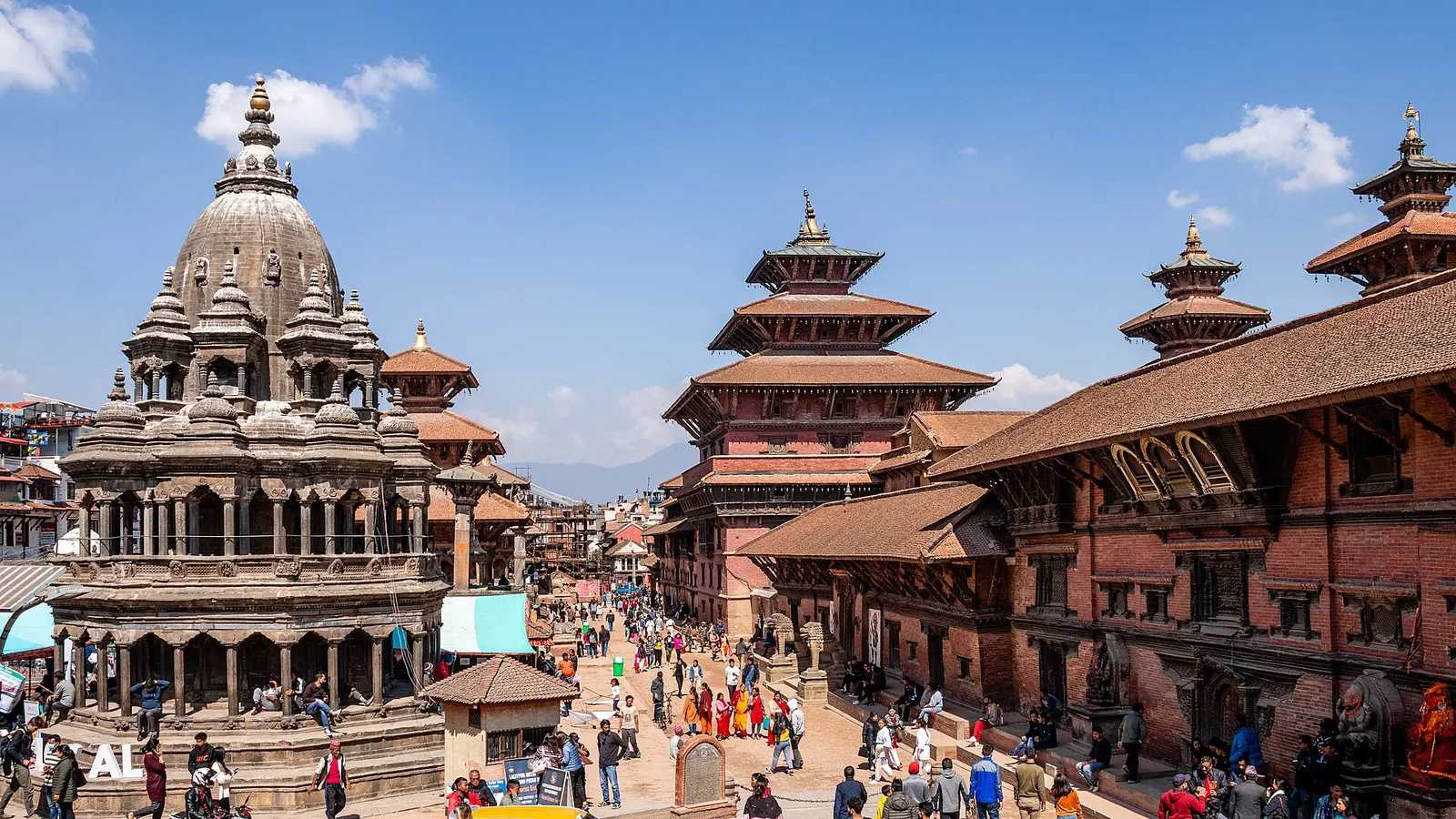
Temple, monastery or heritage site · 1,330 m
The former royal square of Patan, a row of Malla-era temples facing a palace that now houses one of Nepal's finest museums.
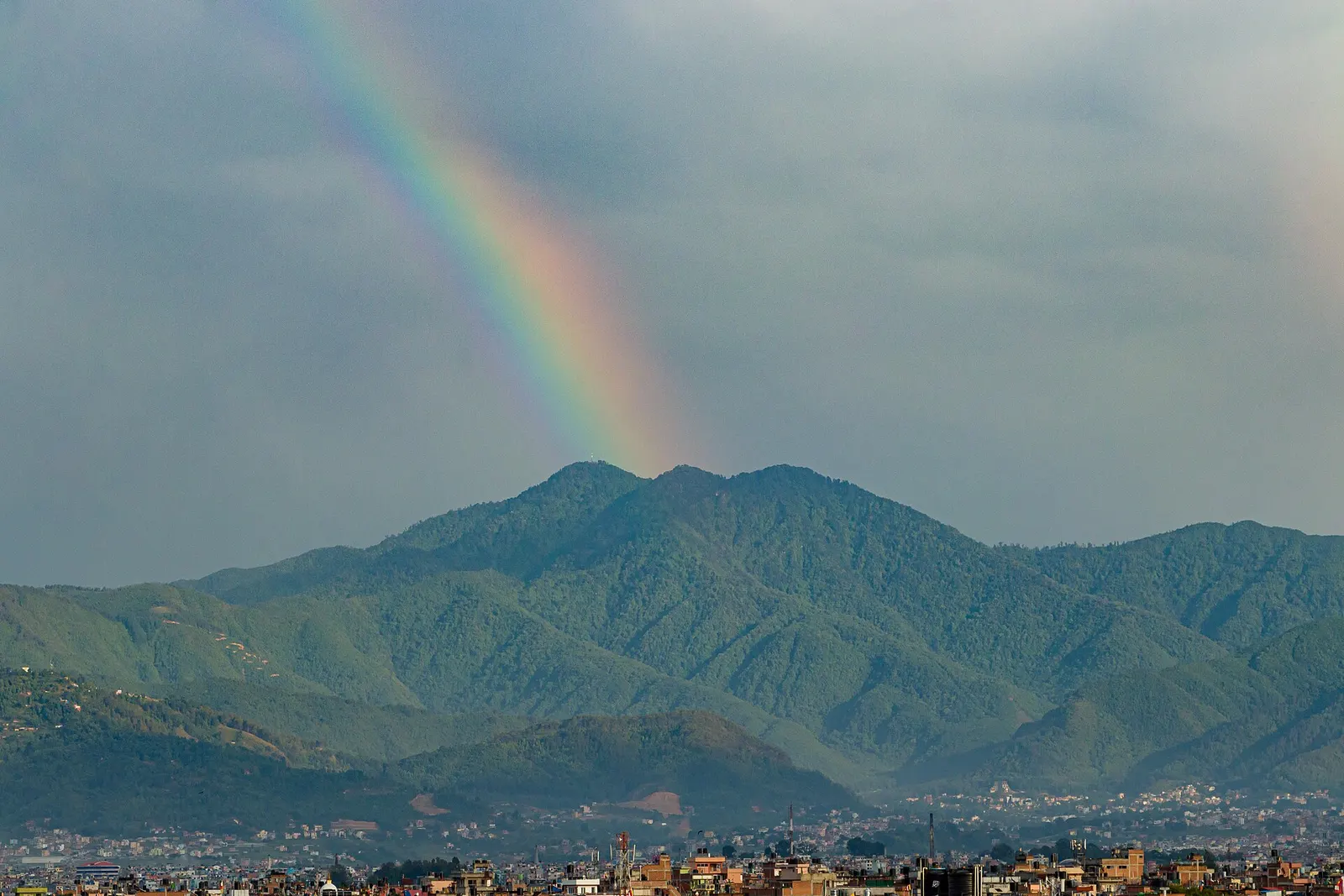
Viewpoint · 2,782 m
The highest point on the Kathmandu Valley rim, a forested hill above Godawari known for birds, rhododendrons and mountain views.
Patan is one of the oldest cities of the valley. Legend credits the Indian emperor Ashoka with building the four stupas at its corners in the 3rd century BCE, though there is no firm evidence he visited, and inscriptions show the area was important under the Licchavi kings by the 6th and 7th centuries. It became an independent Malla kingdom in the late 15th century, and most of the palace and temples on Durbar Square were built in the 17th century under kings such as Siddhi Narsingh Malla and Srinivasa Malla. It came under the Shah dynasty in 1768 during the unification of Nepal.
The Newar community, both Buddhist and Hindu, shapes city life. The biggest event is the Rato Machhindranath Jatra, held over several weeks in spring and early summer, when a towering chariot carrying the rain god Bunga Dyah is pulled through Patan's streets; it ends with the display of a jewelled vest, the Bhoto Jatra. Patan's metal-casting families still make bronze statues for monasteries across the Himalaya, and their workshops can be seen in the lanes north of Durbar Square.
Metalwork studio visitBookable locally
Workshops around Mahabouddha welcome visitors to see lost-wax bronze casting. Ask at a workshop or arrange through a licensed local operator.
indicative, about US$10-30
Patan MuseumBookable locally
Allow two hours for the collection of bronze and stone sculpture in the restored palace. Pay at the museum entrance.
Courtyard walkFree
Walk north of the square through the bahals (courtyards) to the Golden Temple and Kumbheshwar.
Spend a morning on Durbar Square
See the temples and visit the Patan Museum in the old palace, then sit on a temple plinth to watch the square.
Walk the courtyard circuit
Link the Golden Temple, Kumbheshwar, Mahabouddha and Rato Machhindranath on foot in two to three hours.
Watch metalworkers
In the lanes north of the square, small workshops cast and finish bronze statues using the lost-wax method.
Day trip to Khokana and Bungamati
Cycle or take a taxi 6-8 km south to the two Newar villages, and walk between them in about 30 minutes.
Go further south to Godawari
Visit the botanical garden or hike up Phulchowki for views over the valley.
Forecast for 1,350 m. Conditions change fast in the mountains.
Weather data: MET Norway, licensed CC BY 4.0. A forecast, not a guarantee.
Mar-May, Oct-Dec
Guesthouses in restored Newar houses near Durbar Square offer a quieter alternative to staying in Kathmandu.
Guesthouses in restored Newar houses near Durbar Square, and larger hotels in the Jhamsikhel and Kupondole areas.
No partner stays are listed here yet. List a property.
Local bhattis (small eateries) serve samay baji and other Newari khaja. Café terraces above the square are good for watching it at dusk.
Patan is directly south of Kathmandu across the Bagmati river, about 5-7 km from Thamel.
Nearest hub: Kathmandu
Nearest hub: Kathmandu. Times are typical ranges, not schedules, and vary with roadworks, weather and the season.
By busfrom Kathmanduabout 0.3-0.7 hLocal buses
Microbuses and buses run constantly to Patan Dhoka and Lagankhel, the hub for buses on south towards Godawari and Bungamati.
By car or jeepfrom Kathmanduabout 0.25-0.5 h
About 5 to 7 km south across the Bagmati; taxis from Thamel to Patan Durbar Square are a standard fare worth agreeing first.
Road: Sealed roads via the Ring Road; the last lanes into the old quarters are narrow and sometimes brick-paved.
By motorbikefrom Kathmanduabout 0.25-0.5 hEasy riding
Easy sealed run across the Bagmati bridge; the old lanes around Mangal Bazaar are tight.
Road: Sealed roads via the Ring Road; the last lanes into the old quarters are narrow and sometimes brick-paved.
On footfrom Kathmanduabout 1-1.5 h1-1.5 h from central Kathmandu, flat, across the Bagmati
South across the Bagmati bridge via Kupondole into Patan Dhoka.
Entry fee
Foreign visitors pay an entry fee for Patan Durbar Square; the Patan Museum and some temples, such as the Golden Temple, charge separately.
Verify before travel: permit rules and fees change. Checked 2026-10-06 against Patan, Wikivoyage.
What this place is typically exposed to, and when. These are seasonal patterns, not a report on conditions now.
Floodingmoderate in a typical yearJun-Sep
Patan lies between the Bagmati and the Nakkhu, and both run high from June to September; the record late-September 2024 rain flooded riverside neighbourhoods on this side of the valley.
Othermoderate in a typical yearDec-Apr
Dry-season dust and haze are a normal feature of the Kathmandu valley, where measured PM2.5 has run several times the WHO guideline level. Visitors prone to asthma usually do better on early mornings and after rain.
Road blockageslow in a typical yearJun-Sep
About two thirds of the valley's rain falls between June and September, and sustained downpours typically waterlog junctions and slow valley roads, so short cross-city journeys can take much longer than planned.
Coldlow in a typical yearDec-Feb
Valley nights from December to February typically fall to around freezing, with morning fog burning off by mid-morning, and few buildings have heating.
Check current conditions before you travel
Roads, trails, passes and flights change with the weather and with roadworks, and nothing on this page describes conditions today. Before you set off, check the Department of Hydrology and Meteorology for weather and flood warnings, the Nepal Disaster Risk Reduction Portal for incidents, and the local authority, police or your licensed operator for road, trail and flight status.
Safety
Remove leather items before entering the Golden Temple courtyard and follow signs at temples about shoes and photography.Yes. Lalitpur is the official name of the city, Patan is the common historical name and Yala is its Newar name.
Take a taxi, about 5-7 km and 15-30 minutes from Thamel, or a microbus from Ratna Park to Patan Dhoka or Lagankhel.
Yes, foreign visitors pay a ticket for the square, and the Patan Museum charges separately. Check the current amounts on arrival.
Many travellers prefer it: it is quieter, has guesthouses in old Newar houses and is a short ride from central Kathmandu.
Yes. Patan's square is more compact and the Patan Museum gives context for everything you see across the valley.
Yes. Metalworkers and thangka painters work in studios around the old town, and many welcome visitors.
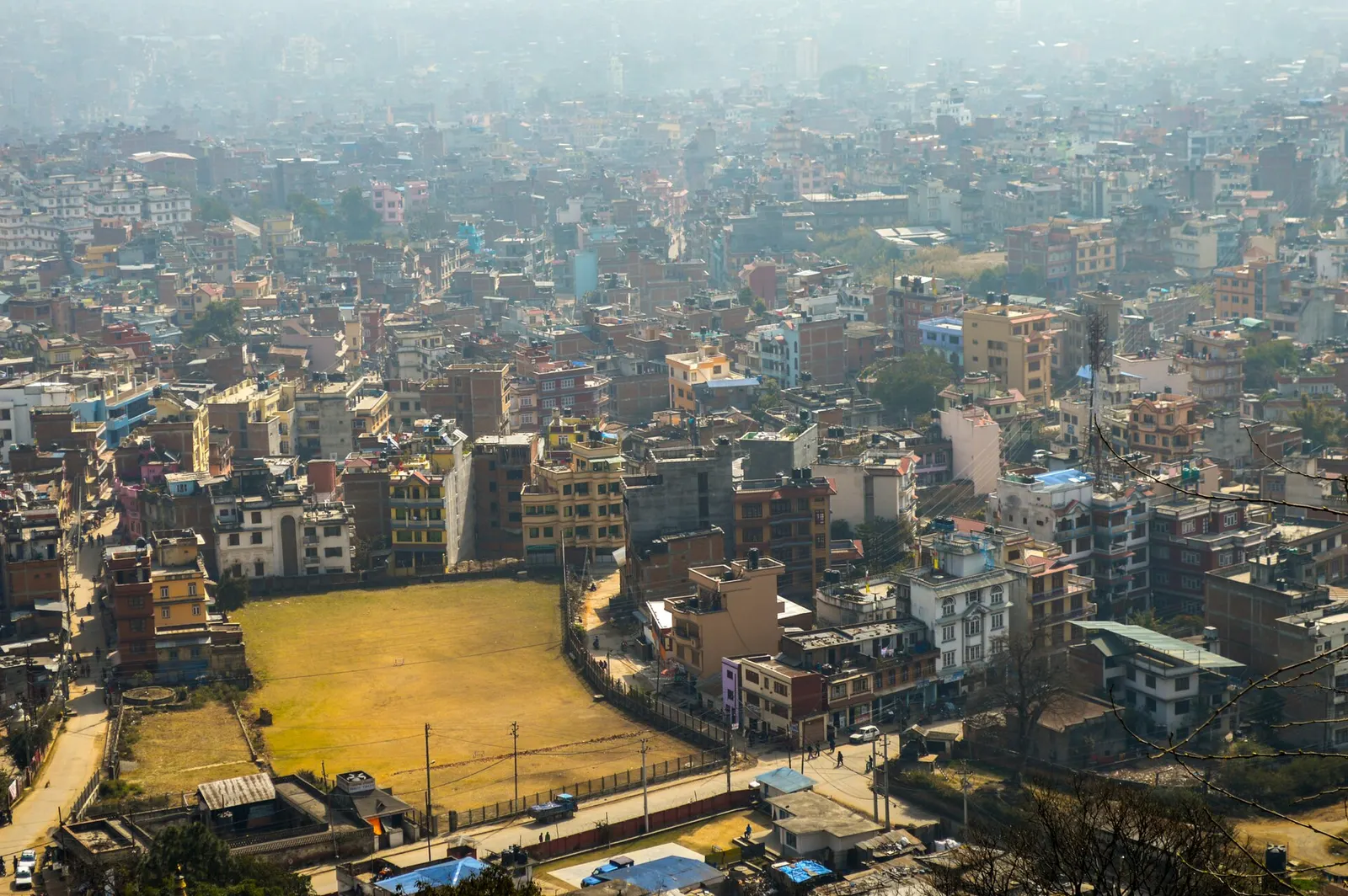
Town or village · 1,400 m
Nepal's capital, a sprawling valley city wrapped around a medieval Newar core, with major Hindu and Buddhist sites and the country's main airport.
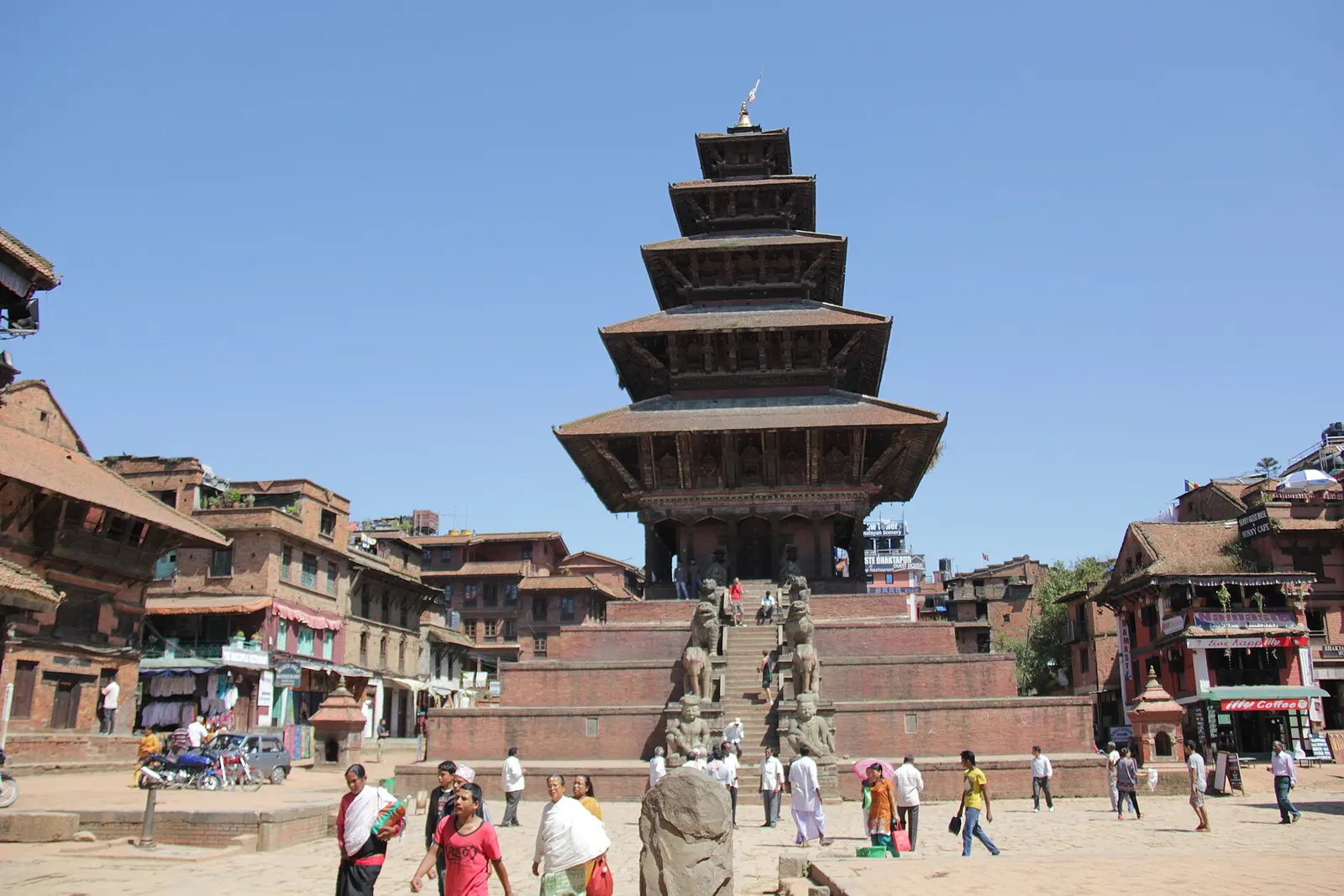
Town or village · 1,401 m
A medieval Newar city in the east of the Kathmandu Valley, known for its temple squares, pottery, woodcarving and festivals.