

Temple, monastery or heritage site · 150 m
Lumbini
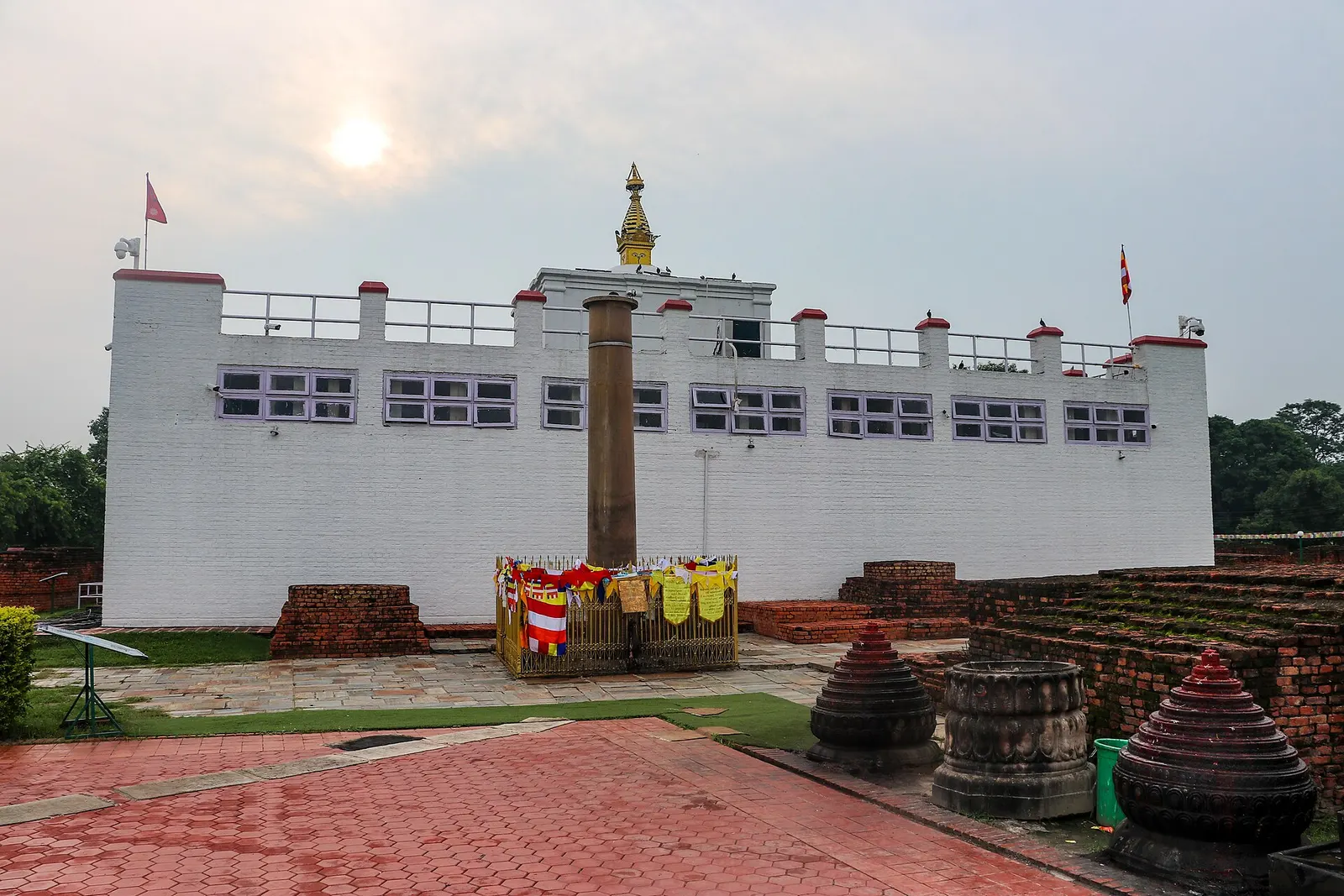
The birthplace of the Buddha in the Terai, a sacred garden with an Ashokan pillar, ringed by monasteries from across the Buddhist world.
Chitwan & Teraiचितवन राष्ट्रिय निकुञ्ज
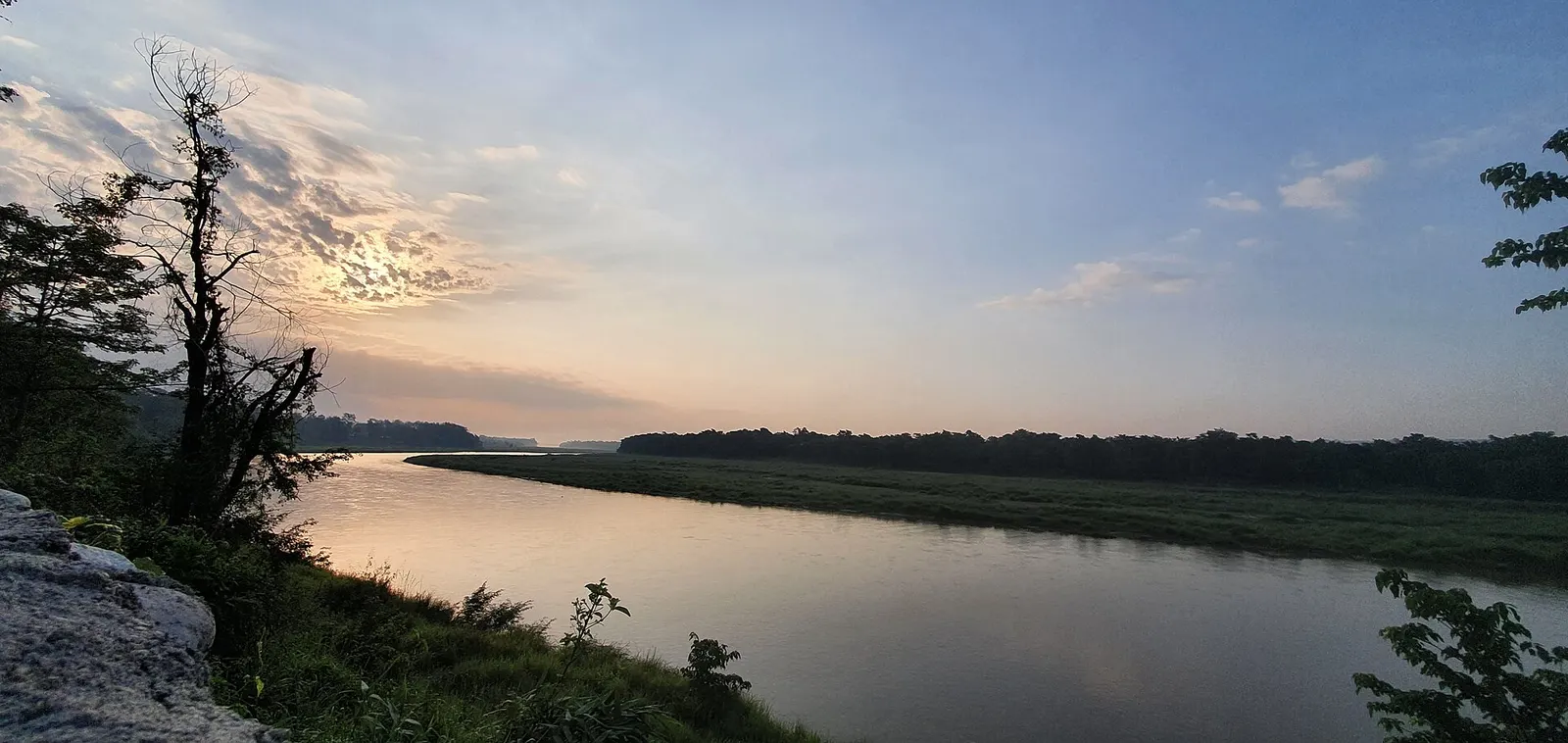
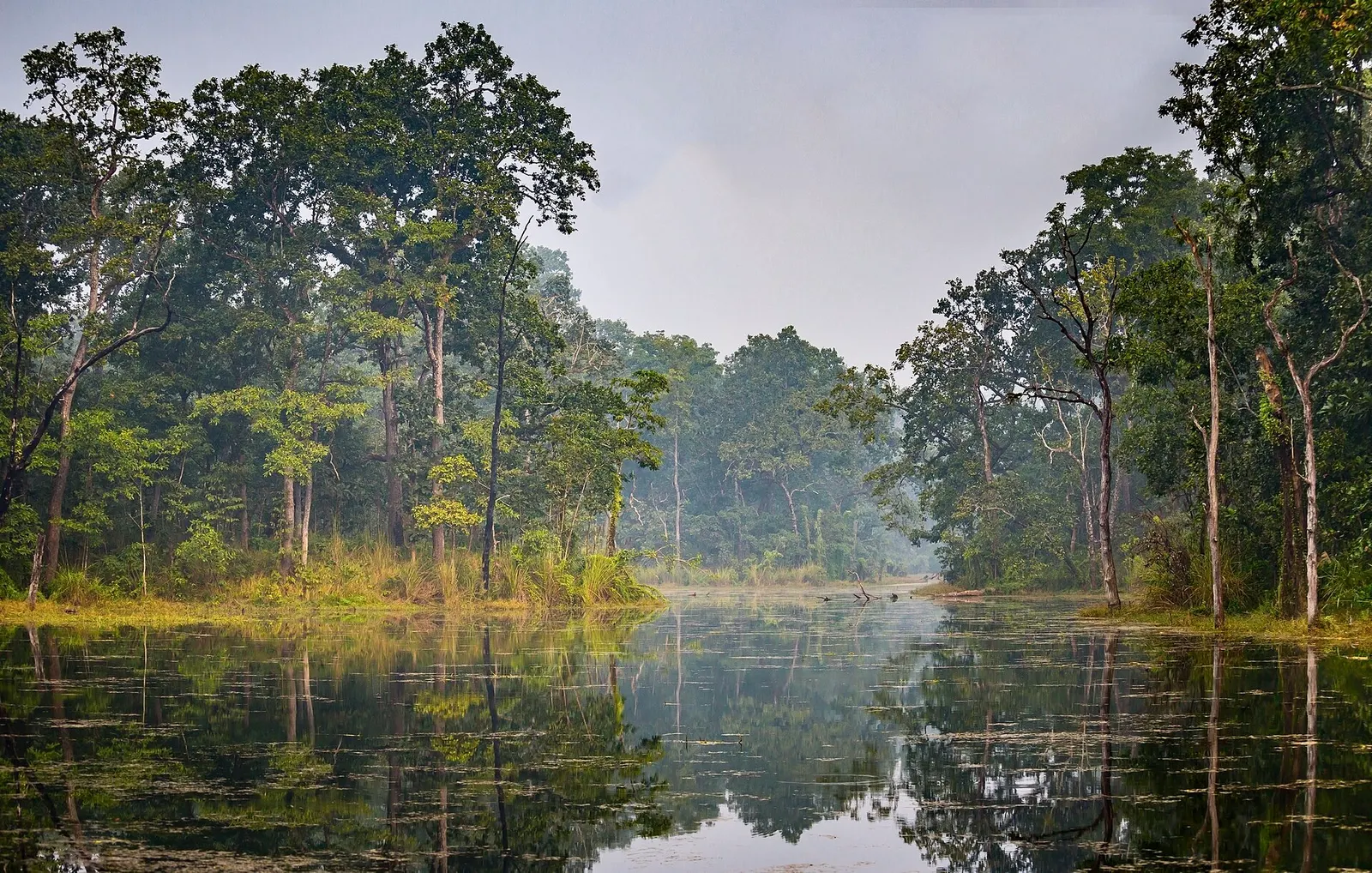
Grassland and sal forest on the Rapti River, home to one-horned rhinos and Bengal tigers.
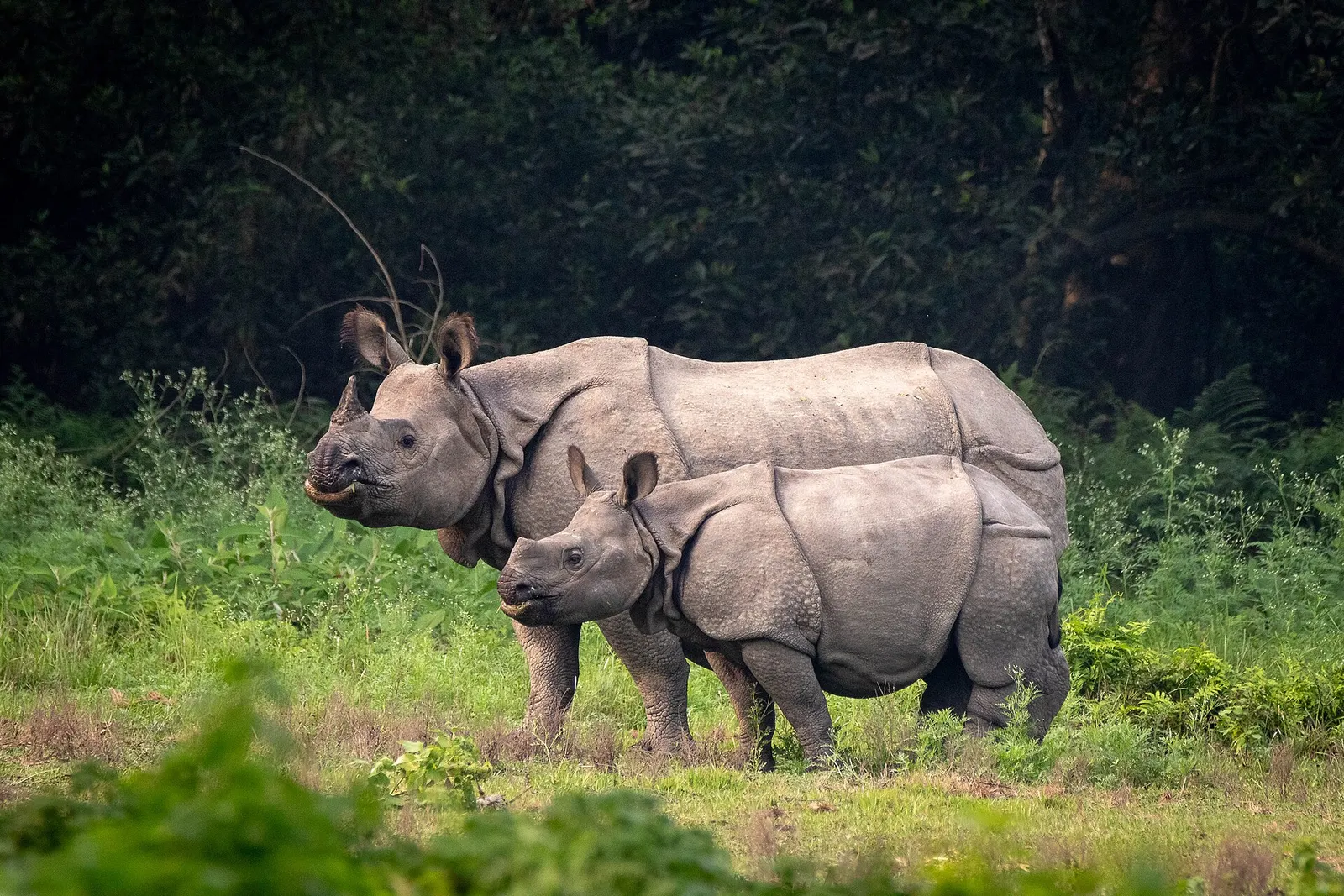
Chitwan National Park covers about 953 km2 of the inner Terai in south-central Nepal, between the Narayani and Rapti rivers in the north and west and the Sivalik (Churia) Hills to the south, with a further buffer zone around it. It was Nepal's first national park and was inscribed as a UNESCO World Heritage Site in 1984. Together with Parsa National Park next door and India's Valmiki Tiger Reserve to the south, it forms one of the largest protected lowland forest and grassland blocks in South Asia.
About 70 percent of the park is sal forest, with riverine forest, tall elephant grass and oxbow lakes along the rivers. It is the stronghold of Nepal's greater one-horned rhinoceros, holds a significant population of Bengal tigers, and is home to sloth bears, leopards, gaur, several deer species, mugger crocodiles and the critically endangered gharial. More than 540 bird species have been recorded, making it one of the richest birding areas in the country.
Most visitors stay in Sauraha on the park's northern edge, or in quieter villages around the buffer zone, and enter with licensed guides on jeep safaris, guided walks or dugout canoe trips on the Rapti. Visits also include the gharial breeding centre at Kasara, elephant breeding centre, community forests and Tharu villages. Two or three nights allow a reasonable chance of seeing rhinos; tigers are seen far less often.
The story
Deep in the park is the shrine of Bikram Baba, where Tharu and hill communities tie threads and make wishes to a forest deity. The Tharu people lived in these forests for centuries alongside rhinos and tigers, protected, they say, by the spirits of the forest.
Until the 1950s the Chitwan valley was a malarial forest used by Nepal's rulers for winter hunting expeditions in which large numbers of tigers and rhinos were shot. Malaria control and resettlement from the hills in the 1950s and 1960s cleared most of the forest, and by the late 1960s only about 95 rhinos were left. Armed rhino patrols were set up, and the park was gazetted in 1970 and established in 1973, then enlarged in 1977, with a buffer zone added in 1996-97. 'Royal' was dropped from its name in 2006. Rhino numbers have since recovered to several hundred, and animals have been moved to other parks such as Bardiya.
The Tharu are the indigenous people of Chitwan, with their own language, mud-walled houses and dances such as the stick dance. Park creation forced many Tharu families off their land, a history that is still felt; today buffer-zone community forests share part of park revenue with local people. Visiting Tharu villages and cultural programmes in Sauraha is a common part of a stay.
Jeep safariWith a guide
Half-day and full-day drives into the park with a licensed naturalist. Lodges usually arrange the park permit with the drive. Arranged through a licensed local operator.
indicative, about US$45-60
Canoe trip on the RaptiWith a guide
A quiet one to two hour drift in a dugout canoe, best at sunrise for gharial, mugger crocodiles and birdlife. Arranged through your lodge or a licensed local operator.
indicative, about US$15-20
Guided jungle walkWith a guide
Walking in the park is only allowed with licensed naturalist guides, usually two per group. Walks last two to four hours and focus on tracks, birds and plants as well as large animals.
indicative, about US$25-35
Tharu cultural danceBookable locally
Evening stick-dance performances in Sauraha, with tickets sold at the venue or through your lodge.
indicative, about NPR 200-300
Canoe on the Rapti
Drift downstream in a dugout canoe in the early morning for mugger crocodiles, gharials and water birds.
Birdwatching
Winter brings migratory species; early mornings along the rivers and lakes are best.
Tharu village visit
Walk or cycle through Tharu villages near Sauraha and attend a cultural dance programme.
Forecast for 264 m. Conditions change fast in the mountains.
Weather data: MET Norway, licensed CC BY 4.0. A forecast, not a guarantee.
Oct-Mar
Sauraha, on the park boundary, has the most options, from guesthouses to lodges. The western side of the park, around Meghauli and Amaltari, is quieter with fewer places to stay.
Sauraha has a wide range of hotels and guesthouses; resorts and lodges lie around the buffer zone, and community homestays operate in Tharu villages. There is no accommodation inside the park.
No partner stays are listed here yet. List a property.
Riverside restaurants in Sauraha are popular at sunset. Ask your lodge whether it can arrange a Tharu dinner, which may include ghonghi (river snails) and dhikri (steamed rice-flour dumplings).
Sauraha, the main base, is reached by road from Kathmandu or Pokhara, or by flight to Bharatpur and a short drive.
Nearest hub: Bharatpur
Entry fee
An entry permit is charged for each day inside the park, with different rates for Nepali, SAARC and other foreign visitors. Entry is with licensed guides, and visitors must leave the park by dusk. Check the latest rates with the park or your operator.
Verify before travel: permit rules and fees change. Checked 2026-10-06 against Chitwan National Park (Wikivoyage).
Safety
Inside the park, walk only with licensed naturalist guides and follow their instructions; rhinos, elephants, sloth bears and tigers can be dangerous at close range. Wild animals also enter Sauraha at night, so avoid walking along the riverbank after dark. Use insect repellent; the Terai is hot and humid from April to September.Take a tourist bus or car to Sauraha (about 5-7 hours) or fly to Bharatpur (about 20-30 minutes) and drive 30-45 minutes.
Yes. An entry permit is charged per day and visits inside the park are with licensed guides. Rates change, so check before you go.
February to April, after the tall grass is cut, gives the best visibility; October to March is the most comfortable weather.
Yes, Chitwan National Park was inscribed on the World Heritage List in 1984.
Tigers live in the park, but sightings are uncommon. Rhinos, deer, crocodiles and birds are seen far more often.
Probably not. Tigers live in the park but are shy and rarely seen. Rhinos, deer, crocodiles and many bird species are much more likely.
October to March is mild and dry. February to April, after the grass has been cut, can be good for sightings but gets hot. In the monsoon (June to September) some activities are reduced and the forest is dense.
No. Entry into the park on foot is only permitted with licensed naturalist guides.
Temple, monastery or heritage site · 150 m
The birthplace of the Buddha in the Terai, a sacred garden with an Ashokan pillar, ringed by monasteries from across the Buddhist world.
Valley or region
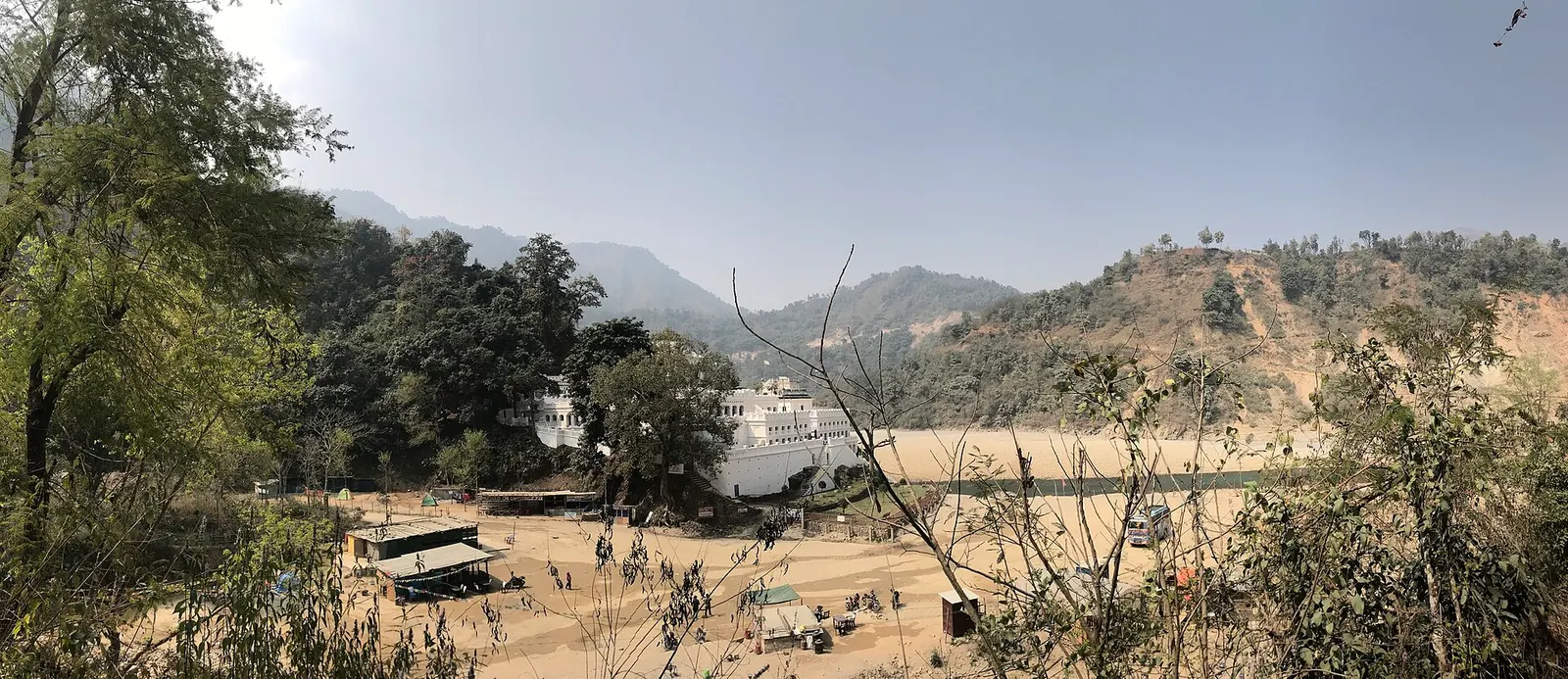
A hill district between Pokhara and the plains, home to the old bazaar town of Tansen, Magar villages and the Rani Mahal palace on the Kali Gandaki.
Temple, monastery or heritage site · 74 m
The capital of Madhesh Province and a centre of Mithila culture, built around the white marble Janaki Mandir and dozens of sacred ponds.