

Viewpoint · 2,175 m
Nagarkot
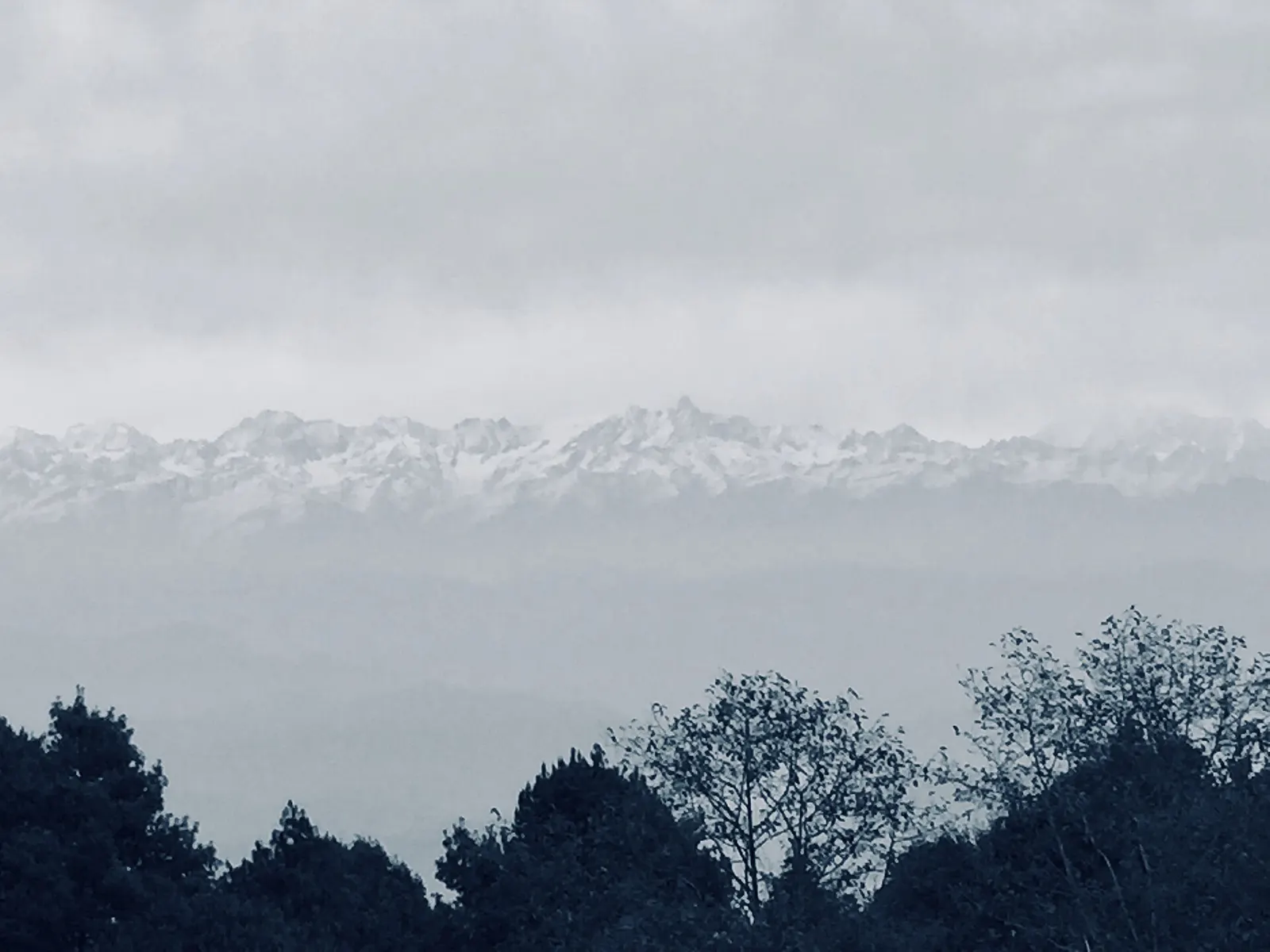
A ridge-top village on the eastern rim of the Kathmandu Valley, known for sunrise views across the Himalaya.
Kathmandu Valleyभक्तपुर
A brick-built Newar city of squares, pagodas and potters on the east side of the valley.
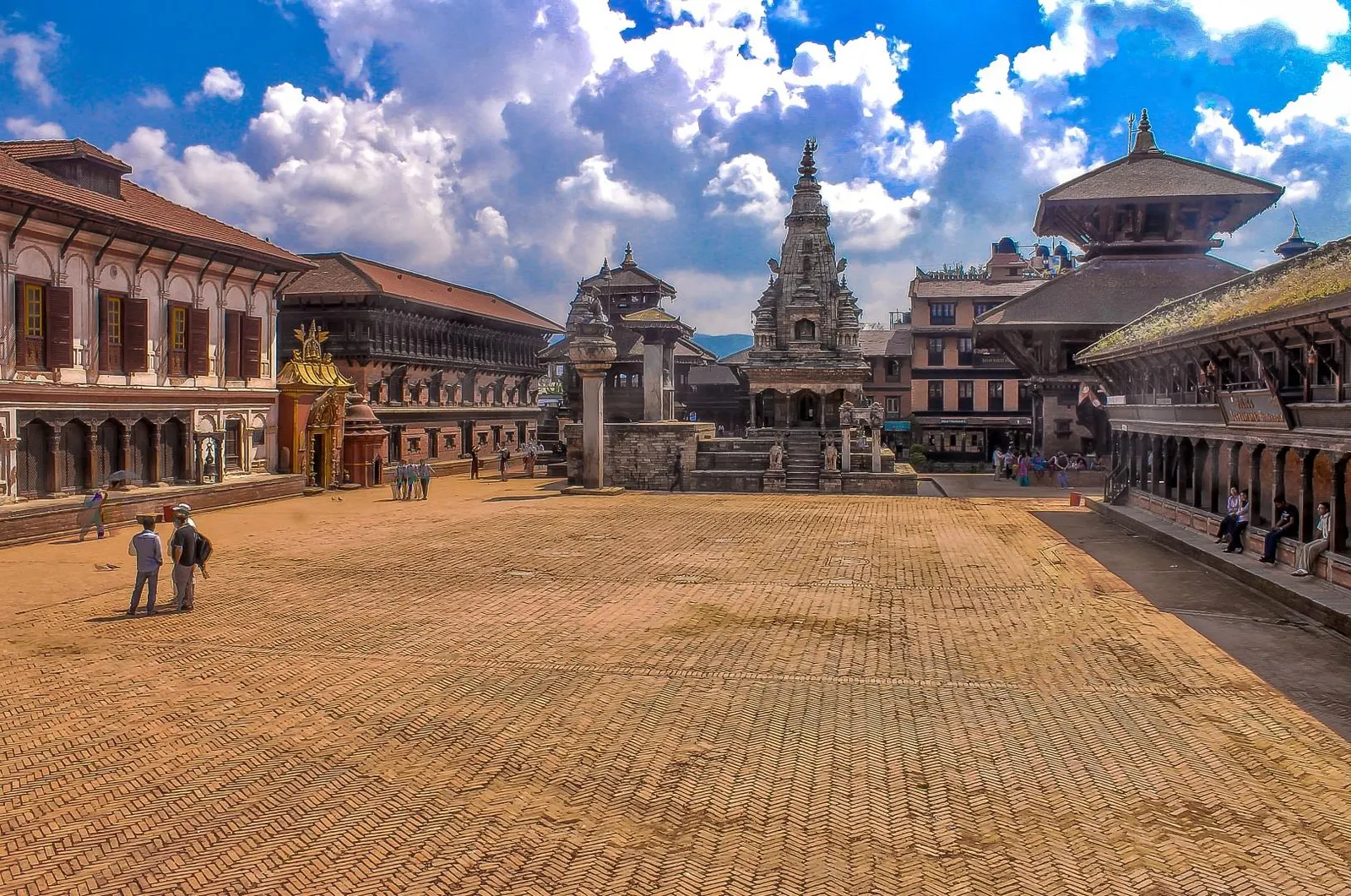
Bhaktapur, known in the local Newar language as Khwopa, is the smallest and best preserved of the three old royal cities of the Kathmandu Valley, about 12-15 km east of central Kathmandu. Its brick lanes open onto a series of squares, each with temples, rest houses, water spouts and carved wooden windows, and much of the old centre has limited traffic, which makes it pleasant to explore on foot.
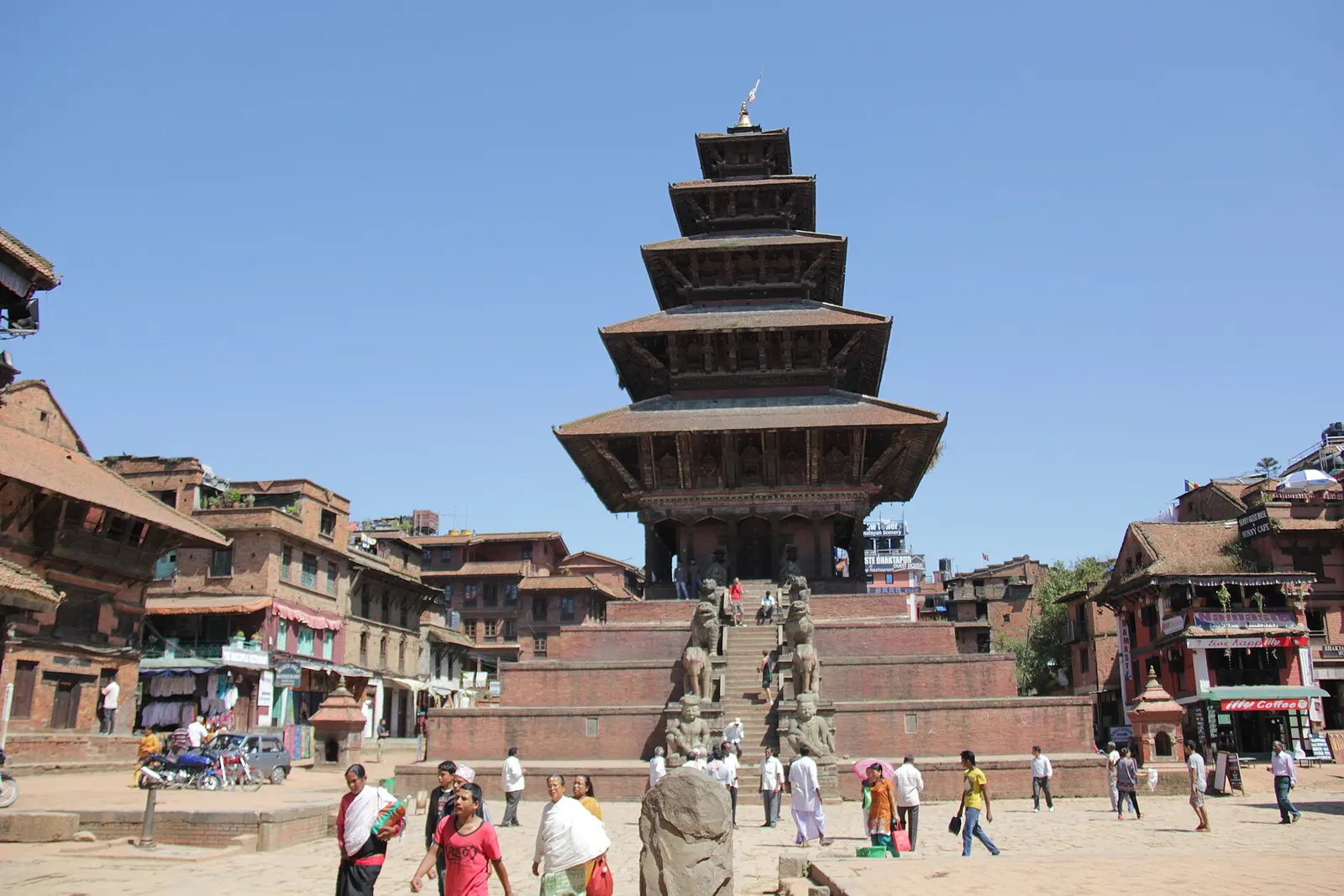
The main sights cluster around three squares. Durbar Square holds the old royal palace with its Golden Gate and the Palace of 55 Windows, the National Art Gallery, and temples including the stone Vatsala Durga. Taumadhi Square, a few minutes' walk away, is dominated by the five-tiered Nyatapola temple, the tallest pagoda in the valley, and the Bhairavnath temple. Further east, Tachupal Square is the oldest part of town, with the Dattatreya temple and the Pujari Math, famous for its peacock window. Between them is Pottery Square, where potters shape and dry clay pots in the open.
Many visitors come on a day trip, but staying a night lets you see the squares at dawn and dusk, when residents gather at the temples and the day-trippers have gone. Bhaktapur is also a base for nearby places: Nagarkot, a hill station on the valley rim with mountain views, is about 13-15 km by road to the north-east, and the Changu Narayan temple, another monument zone of the World Heritage property, is around 6-7 km to the north. Bhaktapur's own food is worth trying, particularly juju dhau, a rich sweet yoghurt set in clay pots.
The story
The steps of Nyatapola, built in 1702, are guarded by pairs of stone figures. By tradition each pair is ten times stronger than the pair below: wrestlers, then elephants, lions, griffins and finally goddesses. The temple is dedicated to Siddhi Lakshmi, a tantric goddess, and only her priests may enter the sanctum.
Viewpoint · 2,175 m
A ridge-top village on the eastern rim of the Kathmandu Valley, known for sunrise views across the Himalaya.
Bhaktapur was the capital of the Malla kings from the 12th century until 1482, when the valley split into the three kingdoms of Kathmandu, Patan and Bhaktapur. As an independent kingdom it flourished in the 17th and early 18th centuries; King Bhupatindra Malla commissioned many of its finest buildings, including the Nyatapola, completed in 1702. The town was annexed by Prithvi Narayan Shah in 1769 during the unification of Nepal. It was badly damaged in earthquakes in 1934 and 2015, and several monuments have since been rebuilt with traditional methods. The historic city was also restored in the 1970s-80s through a West German-funded development project.
The population is mostly Newar, and Bhaktapur keeps an exceptionally full calendar of festivals and masked dances; it is often called the city of music and dance. Bisket Jatra at Nepali New Year in April is the largest, with giant chariots hauled through the streets in a tug-of-war between upper and lower town and a tall pole raised and toppled. During Gai Jatra in August or September, processions commemorate family members who died in the past year.
Pottery wheel sessionBookable locally
Ask a potter in Pottery Square to let you try the wheel and make a small piece.
indicative, about NPR 500
Heritage walk with a local guideWith a guide
A two to three hour walk through the squares and courtyards with a licensed guide, who can be found near the ticket office at the city entrance or arranged through a licensed local operator.
indicative, about US$15-20
Early-morning squaresFree
Walk the squares at dawn, when residents visit the temples and the light is soft.
Walk the three squares
Link Durbar Square, Taumadhi and Tachupal on foot in two to four hours, with stops at courtyards and water spouts along the way.
Watch the potters
Spend time in Pottery Square, where wheels turn in the open and pots dry in rows; small workshops sell pieces.
Stay for dawn
Spend a night to see residents making morning offerings at the temples before tour groups arrive.
Visit the National Art Gallery
Inside the old palace, the gallery holds paintings, manuscripts and stone and metal sculpture.
Day trip to Changu Narayan or Nagarkot
Changu Narayan is about 6-7 km north and Nagarkot about 13-15 km north-east, by taxi or on foot.
Forecast for 1,401 m. Conditions change fast in the mountains.
Weather data: MET Norway, licensed CC BY 4.0. A forecast, not a guarantee.
Mar-Apr, Oct-Dec
Stay inside the old town, in one of the restored guesthouses around Durbar Square or Taumadhi Square, to see the squares in the quiet early morning and evening.
Guesthouses in restored Newar houses around the squares, plus a few larger hotels on the edge of town.
No partner stays are listed here yet. List a property.
Juju dhau, the 'king of yogurts', is set in clay pots and sold in the lanes. Look for bara (lentil patties) and chatamari (rice-flour crepes) in local Newari eateries. Rooftop cafés overlooking the squares are good for a pause.
Bhaktapur is about 12-15 km east of central Kathmandu by road along the Araniko Highway.
Nearest hub: Kathmandu
Nearest hub: Kathmandu. Times are typical ranges, not schedules, and vary with roadworks, weather and the season.
By busfrom Kathmanduabout 0.7-1.1 hLocal buses
Local buses run along the Araniko Highway to Bhaktapur's bus park, a short walk from the old centre; buses to Nagarkot leave from the same area.
By car or jeepfrom Kathmanduabout 0.7-1.25 h
About 12 to 15 km east on the Araniko Highway; vehicles stop outside the old town, which is walked and has a heritage entry fee.
Road: Sealed highway the whole way, heavily congested on the valley stretch at peak hours.
By motorbikefrom Kathmanduabout 0.6-1 hEasy riding
Easy sealed run east; the old town lanes are brick-paved and largely closed to vehicles.
Road: Sealed highway, congested in the valley; brick lanes in the old town.
On footfrom Nagarkotabout 3-5 h3-5 h down from Nagarkot, about 13 to 15 km, roughly 750 m of descent
The downhill walk off the rim ends in Bhaktapur, a common way to use the morning after a Nagarkot sunrise.
Entry fee
Foreign visitors pay a city entry fee at checkpoints on the edge of the heritage area; the ticket covers the main squares.
Verify before travel: permit rules and fees change. Checked 2026-10-06 against Bhaktapur, Wikivoyage.
What this place is typically exposed to, and when. These are seasonal patterns, not a report on conditions now.
Floodingmoderate in a typical yearJun-Sep
Bhaktapur district was among those with casualties in the record late-September 2024 monsoon, and prolonged June to September rain typically floods the Hanumante bottomlands and low-lying lanes below the old town.
Road blockagesmoderate in a typical yearJun-Sep
The Araniko Highway, the road in from Kathmandu, is slow in heavy monsoon rain and its hill sections east of the valley are landslide-prone after downpours.
Othermoderate in a typical yearDec-Apr
Dry-season dust and haze are a normal feature of the Kathmandu valley, where measured PM2.5 has run several times the WHO guideline level. Visitors prone to asthma usually do better on early mornings and after rain.
Coldlow in a typical yearDec-Feb
Valley nights from December to February typically fall to around freezing, with morning fog burning off by mid-morning, and few buildings have heating.
Check current conditions before you travel
Roads, trails, passes and flights change with the weather and with roadworks, and nothing on this page describes conditions today. Before you set off, check the Department of Hydrology and Meteorology for weather and flood warnings, the Nepal Disaster Risk Reduction Portal for incidents, and the local authority, police or your licensed operator for road, trail and flight status.
Safety
Foreign visitors pay an entry fee at the city's ticket booths; keep the ticket with you. Temple steps are steep and worn.Take a taxi, about 12-15 km and 40-75 minutes depending on traffic, or a local bus to Bhaktapur's bus park, then walk into the old town.
Yes, foreign visitors pay a city entry fee at the entry points to the heritage area. Check the current amount on arrival.
Yes. Staying a night lets you see the squares at dawn and dusk when they are quieter and full of local life.
Bisket Jatra is held around Nepali New Year in mid-April and lasts several days.
Yes. Its squares, courtyards and side streets are best seen slowly, and an overnight stay lets you see the town before and after the day visitors.
Bisket Jatra is held around Nepali New Year in mid-April, with chariot processions and a tall pole raised and lowered in the town.
Juju dhau, the local set yogurt, is the one to try. Newari snacks such as bara and chatamari are widely available.
Town or village · 1,400 m
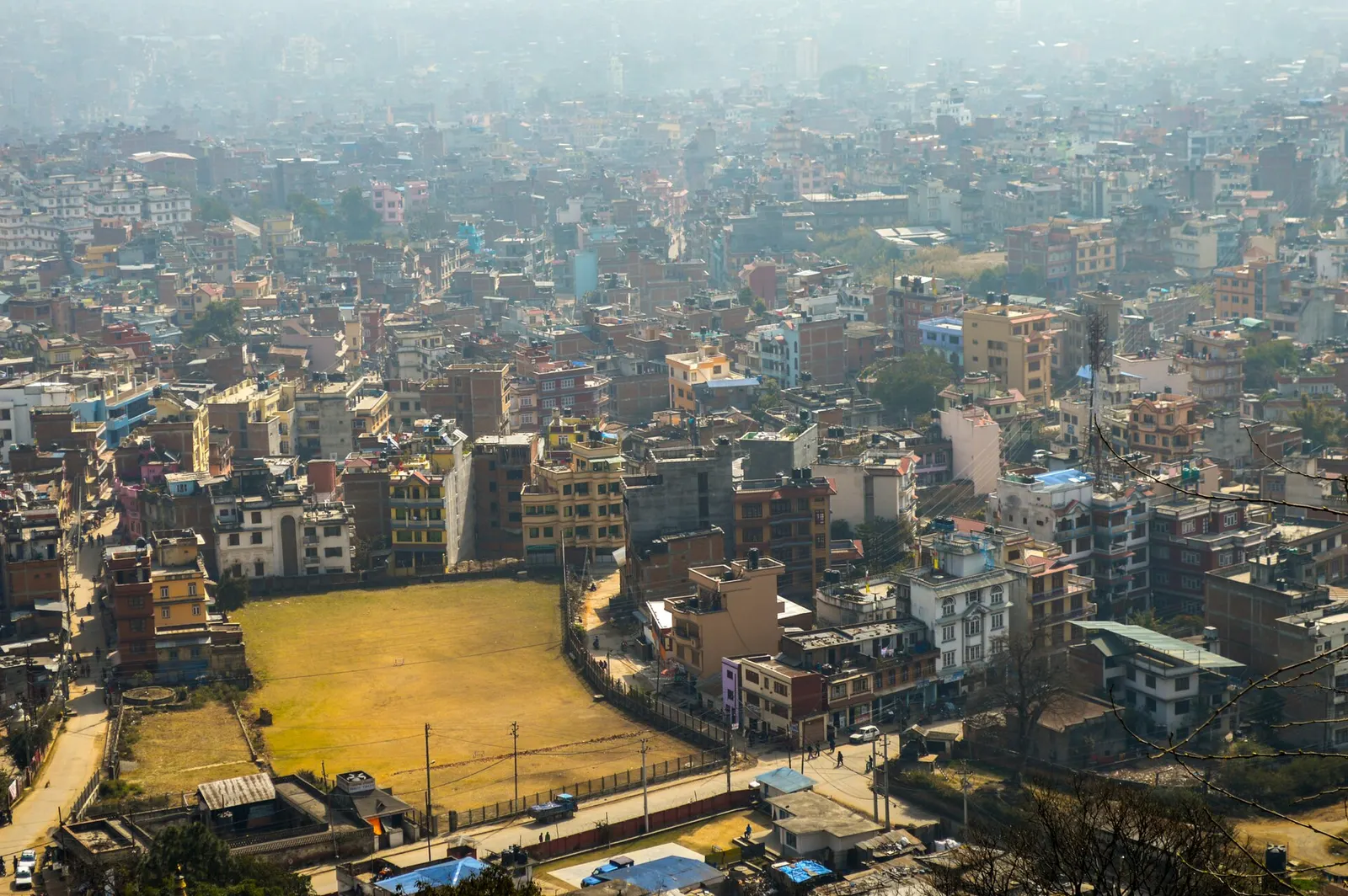
Nepal's capital, a sprawling valley city wrapped around a medieval Newar core, with major Hindu and Buddhist sites and the country's main airport.
Viewpoint · 2,175 m
A ridge-top village on the eastern rim of the Kathmandu Valley, known for sunrise views across the Himalaya.
Town or village · 1,350 m
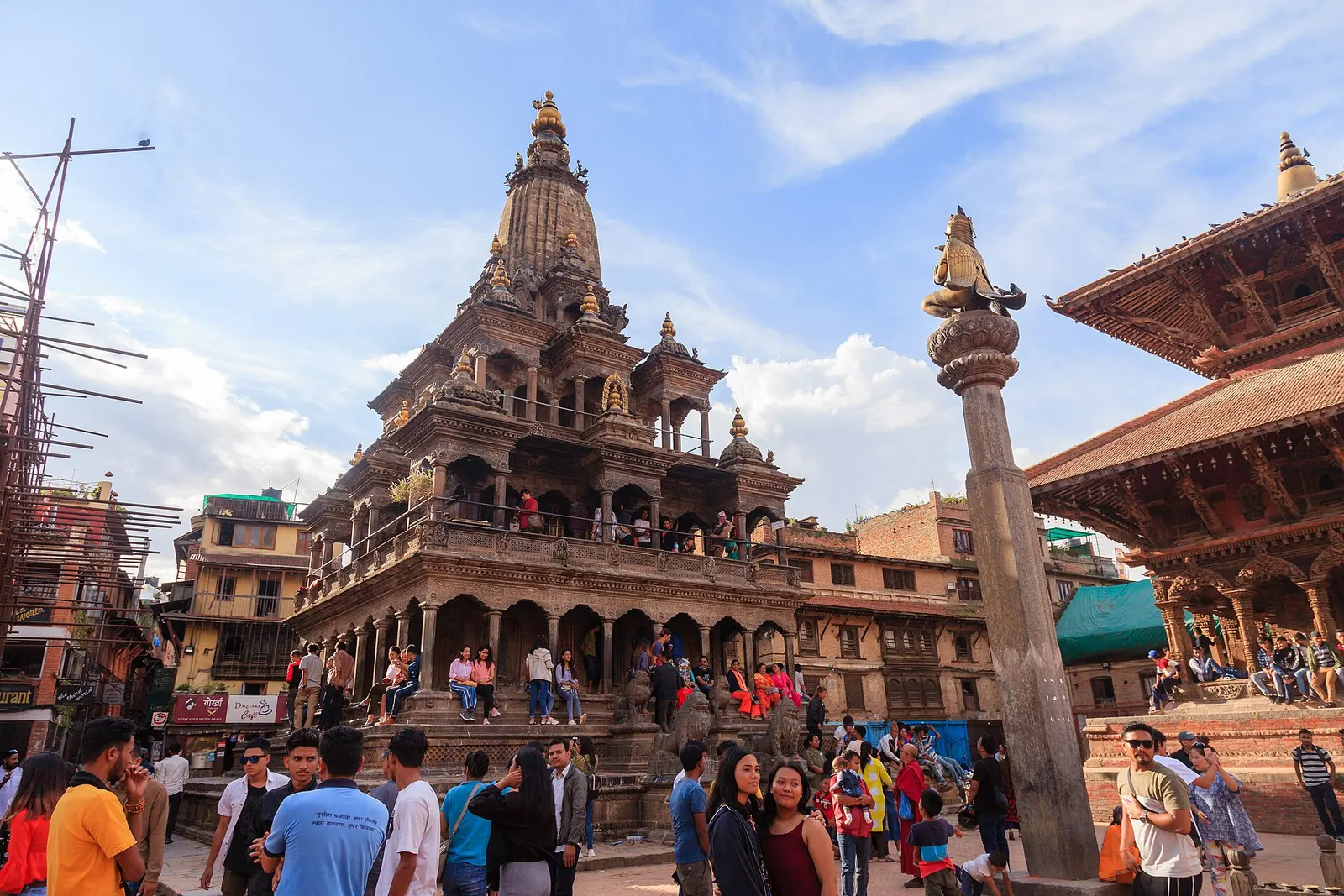
The old Newar city of Lalitpur across the Bagmati from Kathmandu, known for its Durbar Square, Buddhist courtyards and metalwork.