Festivals in Nepal
A calendar of Nepal's main festivals, from Dashain and Tihar to Holi, Indra Jatra and Buddha Jayanti, with what happens and how they affect travel.
By Firfirey editorial. Editorial draft, facts being checked against official sources.
Dates move every year
Most festivals in Nepal follow the lunar calendar, so their dates in the Western calendar change from year to year, sometimes by several weeks. A few, such as Nepali New Year and Maghe Sankranti, follow the solar calendar and fall on about the same dates. Check the dates for your year with the Nepal Tourism Board or a current Nepali calendar.
Festival calendar
Approximate timing of the main festivals:
| Usual timing | Festival | What happens |
|---|---|---|
| Mid-January | Maghe Sankranti | Marks the sun's turn towards spring; feasts of yam, sesame sweets and ghee; Maghi, the Tharu new year |
| January to March | Losar | Tibetan-calendar new year celebrations among Tamang, Gurung, Sherpa and other communities, at different times |
| February or March | Maha Shivaratri | Night of Shiva; pilgrims and sadhus gather at Pashupatinath |
| February or March | Holi | Festival of colours in the streets |
| Mid-April | Nepali New Year and Bisket Jatra | New year in the Bikram Sambat calendar; chariot festival in Bhaktapur |
| April or May | Buddha Jayanti | The Buddha's birth; lamps and prayers at Lumbini, Boudhanath and Swayambhunath |
| July or August | Janai Purnima | Sacred threads renewed; pilgrimages to high lakes |
| August or September | Gai Jatra, Teej | Processions remembering the dead; women's festival with fasting, red saris and dancing |
| September | Indra Jatra | Masked dances and the Kumari's chariot in Kathmandu |
| September or October | Dashain | Nepal's biggest festival: family, tika blessings, kites and swings |
| October or November | Tihar | Festival of lights honouring crows, dogs, cows and siblings |
| October or November | Chhath | Offerings to the sun at rivers and ponds, especially in the Terai |
Dashain
Dashain lasts about fifteen days and celebrates the goddess Durga's victory over the buffalo demon Mahishasura. Families gather, elders place tika (rice, yoghurt and red powder) on the foreheads of younger relatives, children fly kites and bamboo swings go up in villages.
Almost everyone travels home, so buses and flights are full before and after the main days, and many offices and shops close. Book transport well ahead.
Tihar
Tihar, also called Deepawali, lasts five days. Crows, dogs and cows are honoured on successive days, homes are lit with oil lamps and garlands of marigold, and Laxmi, goddess of wealth, is welcomed. On the last day, Bhai Tika, sisters bless their brothers with seven-colour tika, recalling the story of Yamuna protecting her brother from Yama, god of death.
The jatras of the valley
Indra Jatra in Kathmandu brings masked dances to Durbar Square, and the Kumari is carried through the old town on her chariot. Bisket Jatra in Bhaktapur, around Nepali New Year, sees two chariots pulled against each other by the upper and lower halves of the town, and a tall pole raised and brought down. Rato Machhindranath, the rain god's chariot procession in Patan, runs for weeks in spring. Gai Jatra, after the August full moon, sees processions of families who lost someone that year, and a tradition of satire.
Mountain festivals
Mani Rimdu is held at Tengboche and other Khumbu monasteries, usually in October or November, with masked dances. Tiji in Lo Manthang, Upper Mustang, usually in May, is a three-day ritual of masked dances. Both follow the Tibetan calendar, so confirm dates before planning a trek around them.
Visiting during festivals
A few tips for festival time:
- Be a respectful guest: ask before photographing rituals and stay out of the way of processions.
- At Holi, wear clothes you do not mind ruining and protect your eyes and phone.
- Animal sacrifice is part of some Dashain rituals; be aware if you visit temples on the main days.
- Expect closures of offices and some shops, and fuller transport, around Dashain and Tihar.
Questions
When is Dashain?
Usually in late September or October. The exact dates follow the lunar calendar and change each year.
Is it a good idea to visit Nepal during Dashain and Tihar?
Yes, for the atmosphere, and the weather is usually good. Plan transport early, because many people travel and some businesses close.
Where is the best place to see Holi?
Kathmandu's Basantapur and Durbar Square area and Pokhara's Lakeside are lively. In the Terai, Holi is celebrated a day later than in the hills.
Sources
Related treks
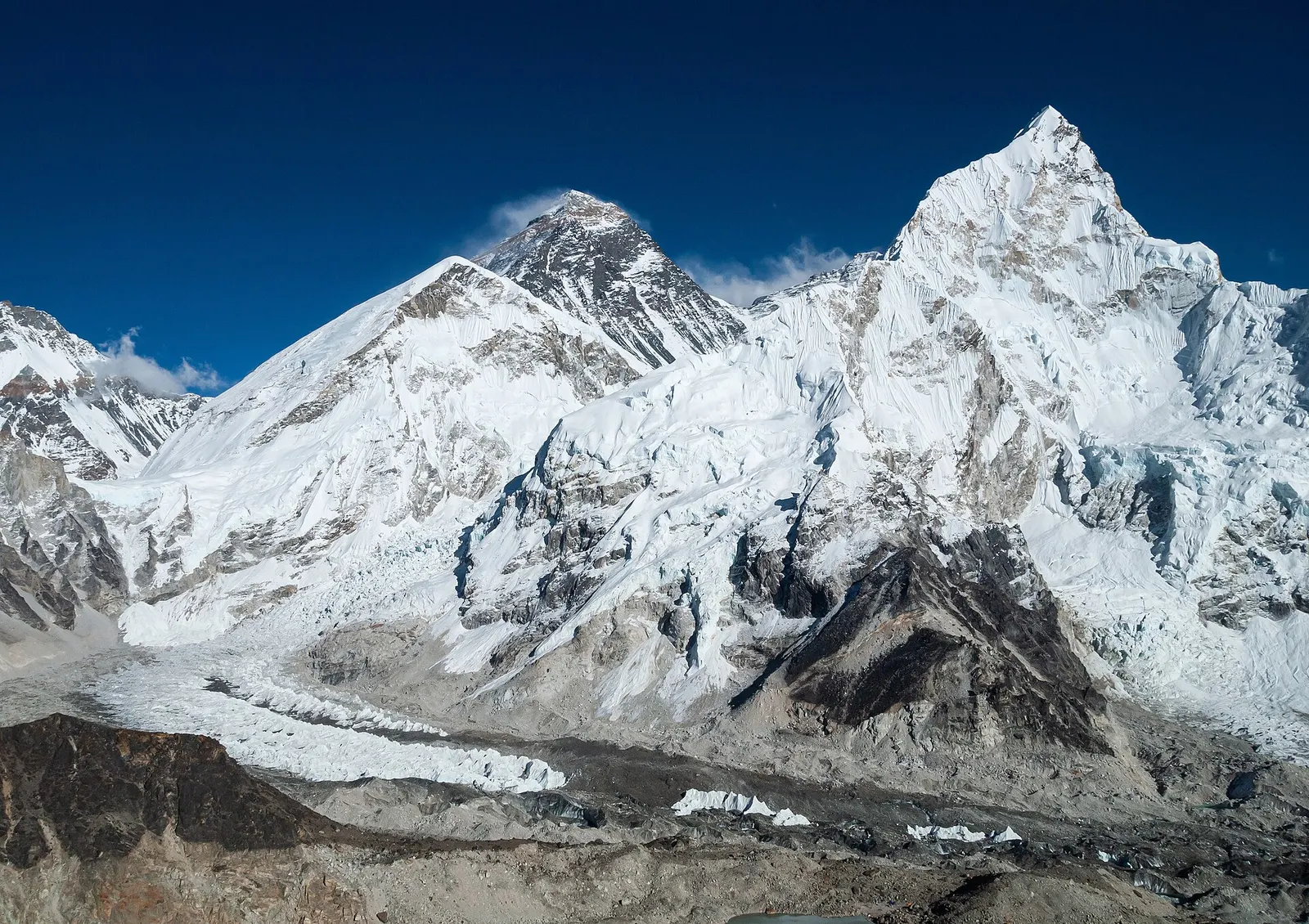
The classic teahouse trek from Lukla through Sherpa villages to Everest Base Camp (5,364 m) and the Kala Patthar viewpoint, with acclimatisation days in Namche and Dingboche.
- Days
- 12 days
- Maximum altitude
- 5,644 m
- Difficulty
- Strenuous
Related places
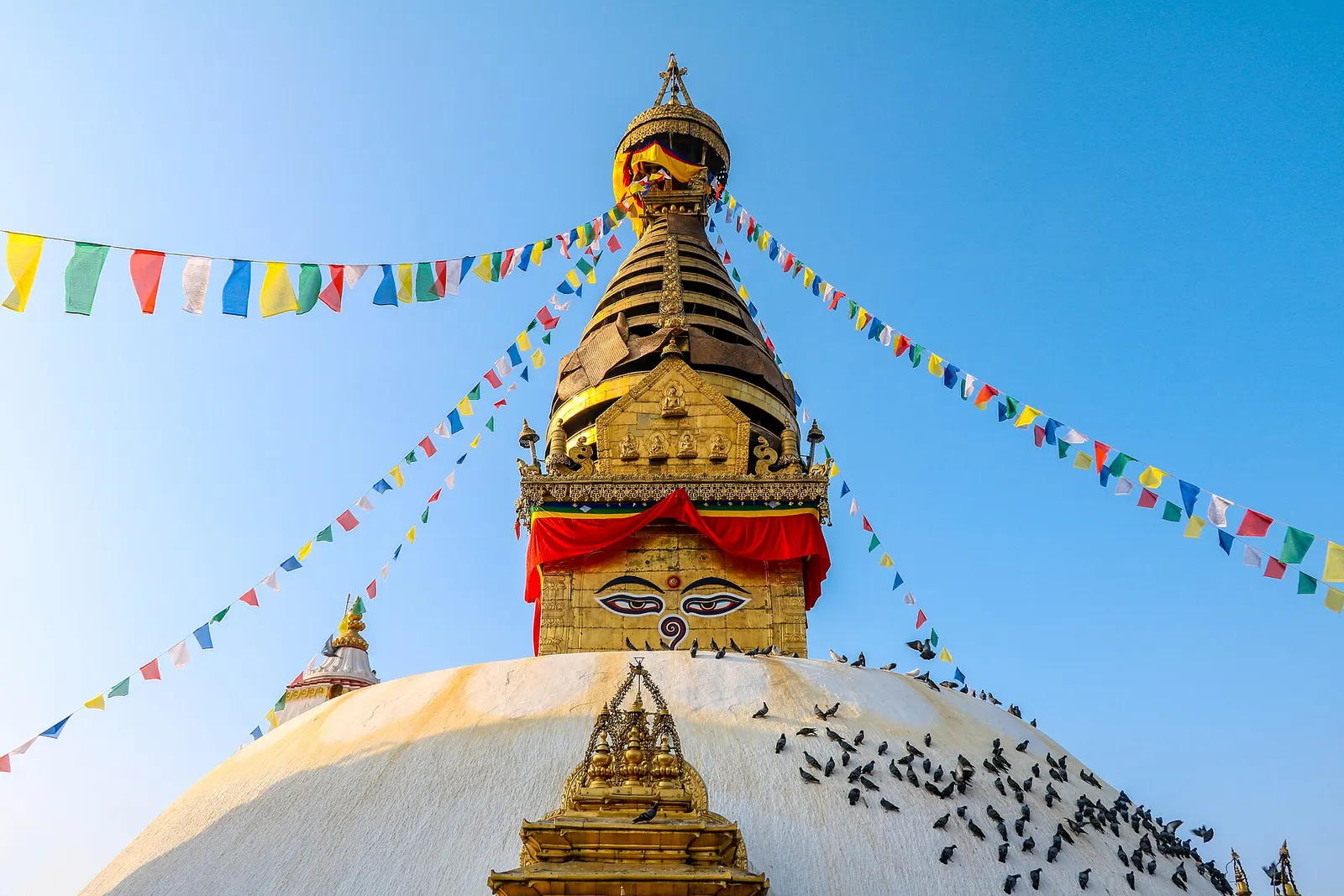
Kathmandu
1,400 m, best Feb-Apr, Oct-Dec
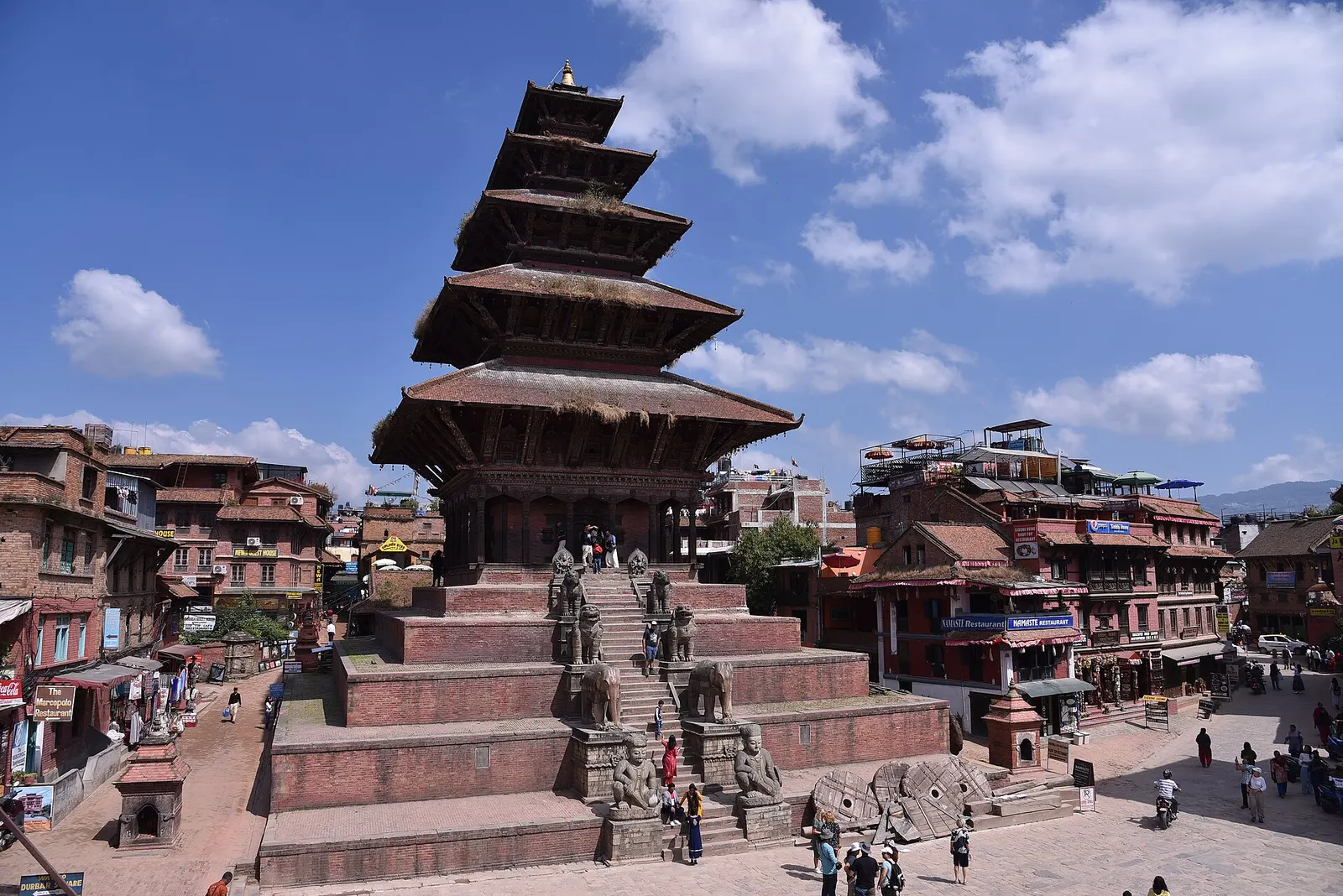
Bhaktapur
1,401 m, best Oct-May
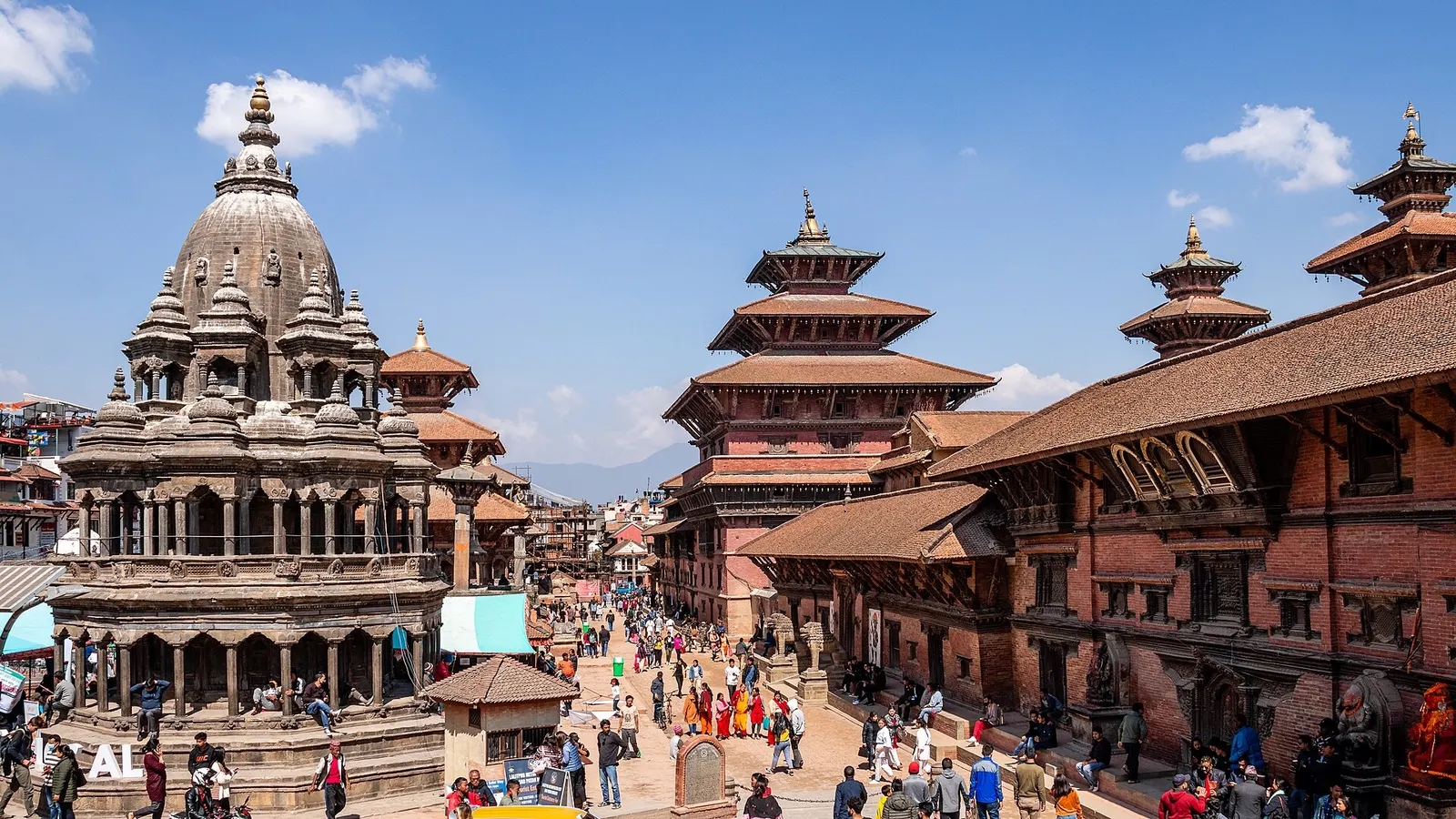
Patan (Lalitpur)
1,350 m, best Oct-May
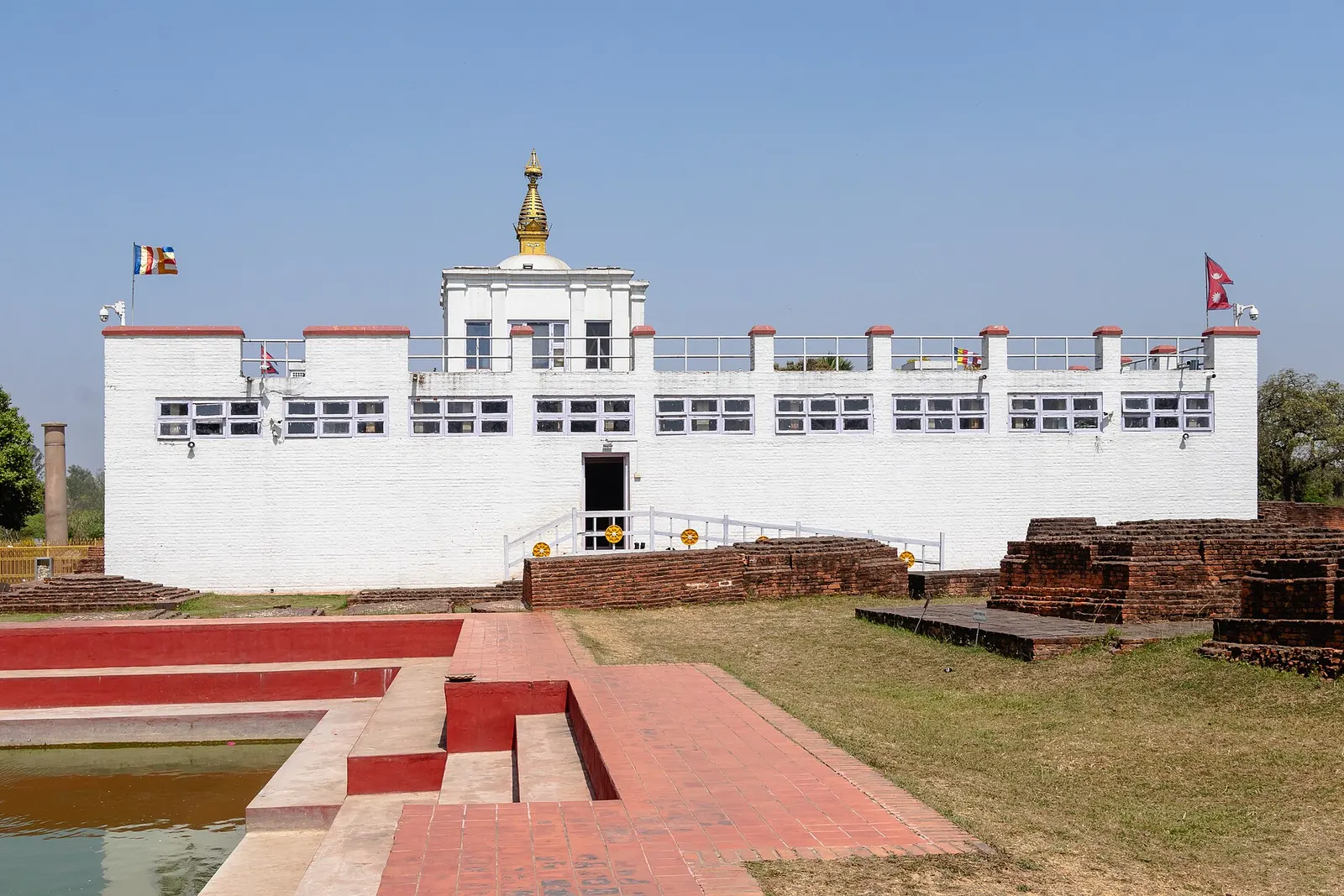
Lumbini
150 m, best Oct-Mar