Best time to visit Nepal
Nepal's seasons month by month: when the mountains are clearest, when it rains, and how festivals and trekking conditions change through the year.
By Firfirey editorial. Editorial draft, facts being checked against official sources.
Nepal's four seasons
Nepal's weather is shaped by the South Asian monsoon and by altitude. Within a day's travel you can go from the hot Terai plains at under 200 m to glaciers above 5,000 m, so the right time depends on where you are going.
Autumn (October and November) is the most popular season: the monsoon has washed the air clean and the mountains are usually clear. Spring (March to May) is the second season, warmer, with flowering rhododendrons but more haze. Winter (December to February) is dry and cold in the mountains and pleasant in the lowlands. The monsoon (roughly June to September) brings most of the year's rain.
Month by month
Conditions vary from year to year. Use this as a guide, not a forecast.
| Month | Weather | Trekking | Notable |
|---|---|---|---|
| January | Cold and dry; clear in the mountains, foggy mornings in the Terai | Lower treks fine; high passes often snowbound | Maghe Sankranti; good wildlife season in Chitwan |
| February | Cool, mostly dry, warming late in the month | Lower and mid-altitude treks; high passes may still be closed | Sonam and Gyalpo Losar in some years; Maha Shivaratri at Pashupatinath (Feb or Mar) |
| March | Warming; haze starts to build | Spring season opens; rhododendrons flower lower down | Holi (Feb or Mar) |
| April | Warm in the hills, hot in the Terai; afternoon storms | Busy spring season on most treks | Nepali New Year and Bisket Jatra in Bhaktapur (mid-April) |
| May | Hot and humid lower down; pre-monsoon storms | High treks good early in the month; Everest climbing season | Buddha Jayanti (Apr or May) |
| June | Monsoon usually arrives in mid-June | Rain-shadow areas only: Upper Mustang, Dolpo | Road disruptions begin |
| July | Peak monsoon: heavy rain, leeches, landslides | Upper Mustang and Dolpo | Green landscape; few visitors |
| August | Monsoon continues | Upper Mustang and Dolpo | Janai Purnima, Gai Jatra, Teej (Aug or Sep) |
| September | Monsoon retreats, usually late in the month | Season opens at month end; trails can still be wet | Indra Jatra in Kathmandu |
| October | Clear, dry, mild; the classic trekking month | Peak season on all major treks | Dashain (Sep or Oct); Tihar (Oct or Nov) |
| November | Clear and cooler; cold nights at altitude | Excellent for most treks | Tihar, Chhath, Mani Rimdu at Tengboche (in some years) |
| December | Cold and clear; short days | Lower treks good; high passes can close after snow | Quiet trails; Yomari Punhi in the valley |
Festivals move with the lunar calendar
Most Nepali festivals follow the lunar calendar, so their dates in the Western calendar shift by up to a few weeks each year. Dashain usually falls in late September or October and Tihar a few weeks later, in October or November. Check the dates for your year before you plan around them.
During Dashain and Tihar many people travel home, buses and flights fill up, and offices close for several days. It is a wonderful time to be in Nepal, but book transport early.
Best time by trip type
Different trips peak at different times:
| Trip | Best months | Notes |
|---|---|---|
| Everest Base Camp | Oct-Nov, Mar-May | Lukla flights are most disrupted in the monsoon |
| Annapurna Base Camp and Poon Hill | Oct-Nov, Mar-Apr | Poon Hill is walkable in winter |
| Annapurna Circuit | Oct-Nov, Apr-May | Thorong La often closed by snow Dec-Mar |
| Upper Mustang | Mar-Nov | Rain-shadow, suits the monsoon |
| Chitwan and Bardiya | Oct-Mar; Feb-Apr for sightings | Very hot from April to June |
| Kathmandu Valley | Oct-Apr | Possible all year; winter air is often hazy |
Travelling in the monsoon
The monsoon is not a reason to stay away, but it changes the trip. Mountain views are rare, many trails have leeches, and landslides can close roads for hours or days. Domestic flights to mountain airstrips are often cancelled.
On the other hand, the hills are green, the rice is planted, and there are far fewer visitors. Upper Mustang and Dolpo, in the rain shadow north of the Himalaya, are at their best, and city sightseeing in the Kathmandu Valley works well between showers.
Questions
What is the single best month to visit Nepal?
October, for clear skies and dry trails, followed by November. They are also the busiest months, so book flights and lodges early.
Can I trek in December or January?
Yes, on lower and mid-altitude treks such as Poon Hill, Ghandruk and Langtang. It is cold at night and high passes such as Thorong La are often closed by snow.
When is Dashain this year?
It depends on the lunar calendar and moves each year, usually between late September and October. Check a current Nepali calendar or the Nepal Tourism Board.
Sources
Related treks
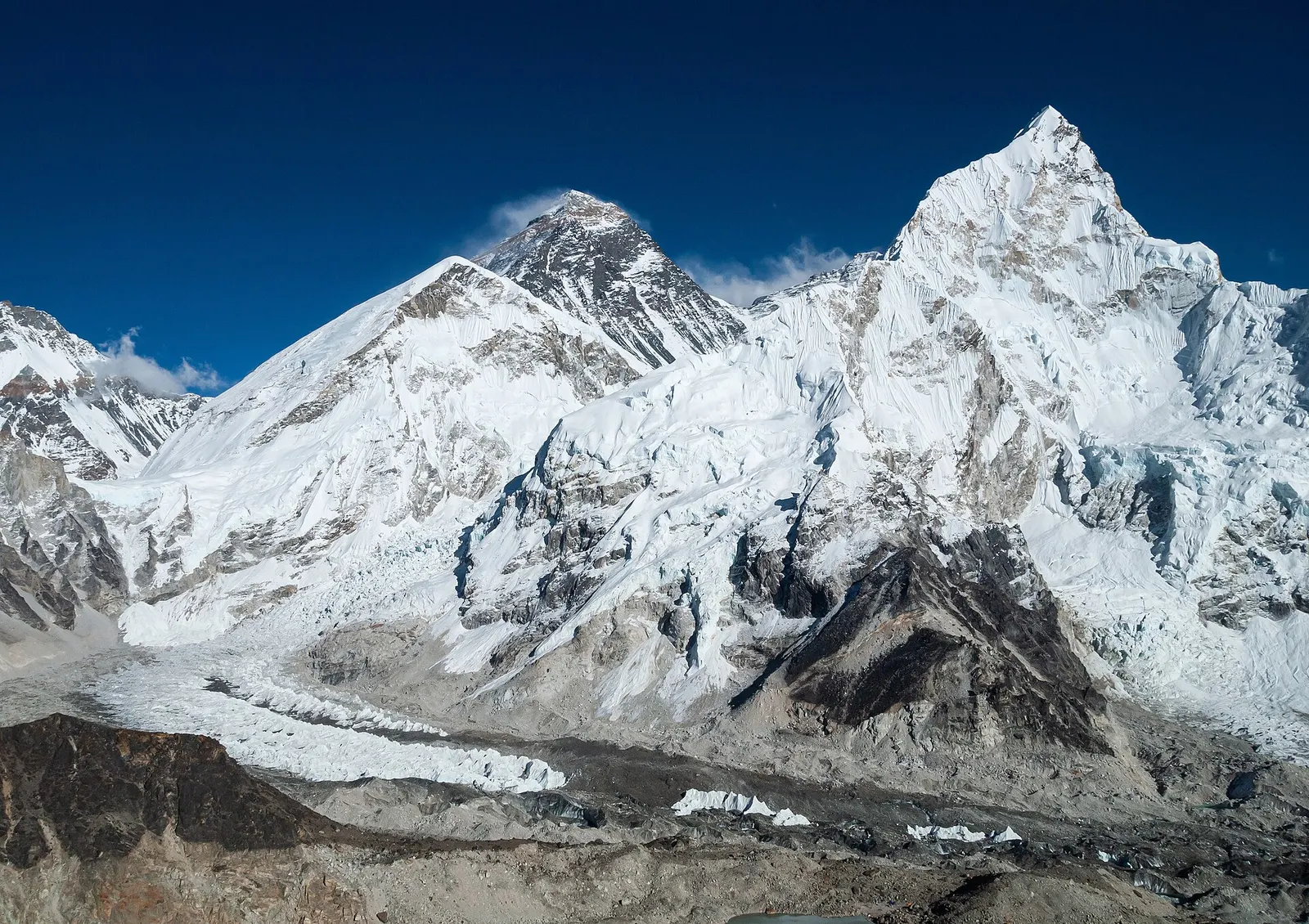
The classic teahouse trek from Lukla through Sherpa villages to Everest Base Camp (5,364 m) and the Kala Patthar viewpoint, with acclimatisation days in Namche and Dingboche.
- Days
- 12 days
- Maximum altitude
- 5,644 m
- Difficulty
- Strenuous
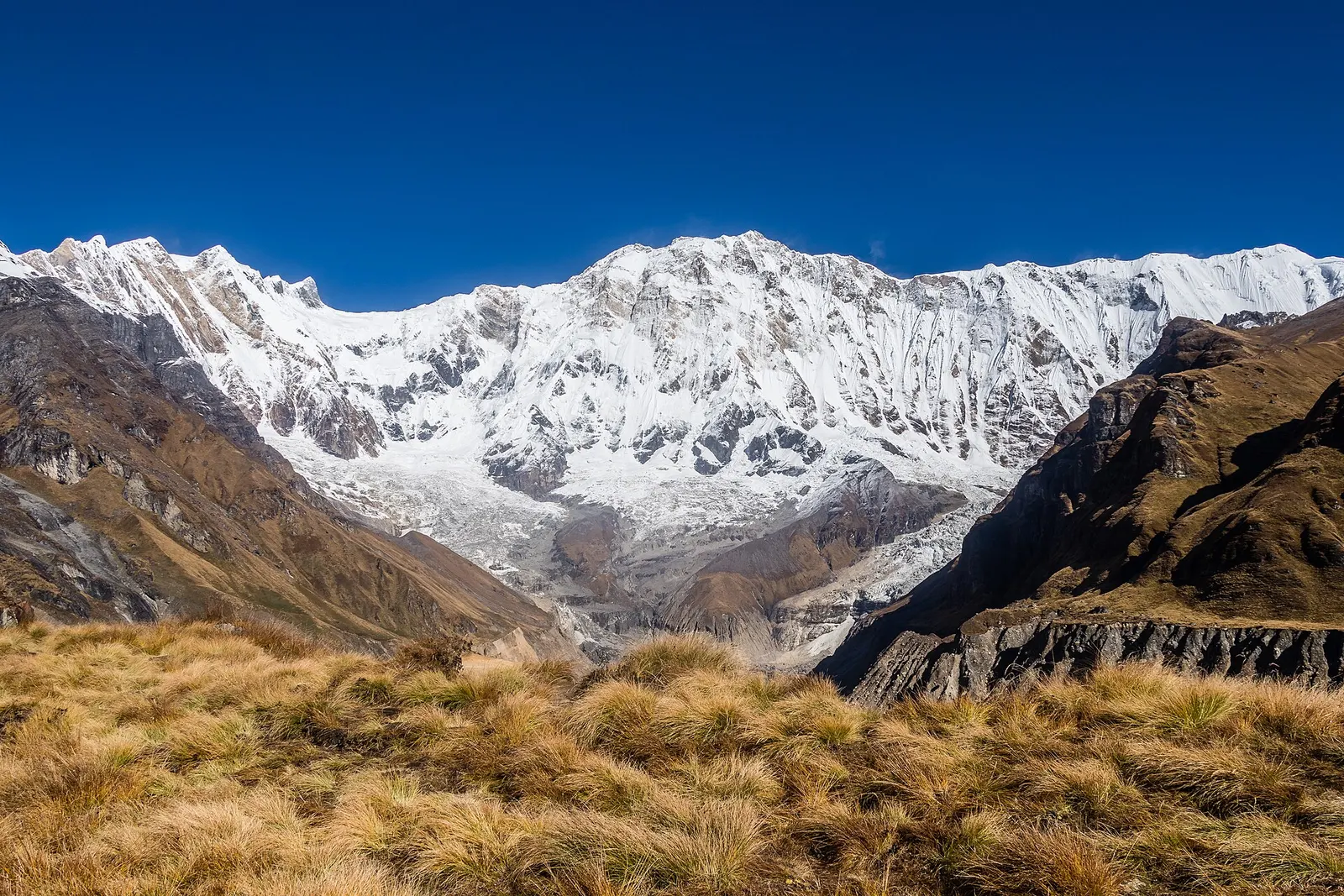
A teahouse trek from the road heads north of Pokhara through Gurung villages and the bamboo forest of the Modi Khola gorge into the Annapurna Sanctuary, to Annapurna Base Camp at about 4,130 m.
- Days
- 8 days
- Maximum altitude
- 4,130 m
- Difficulty
- Moderate
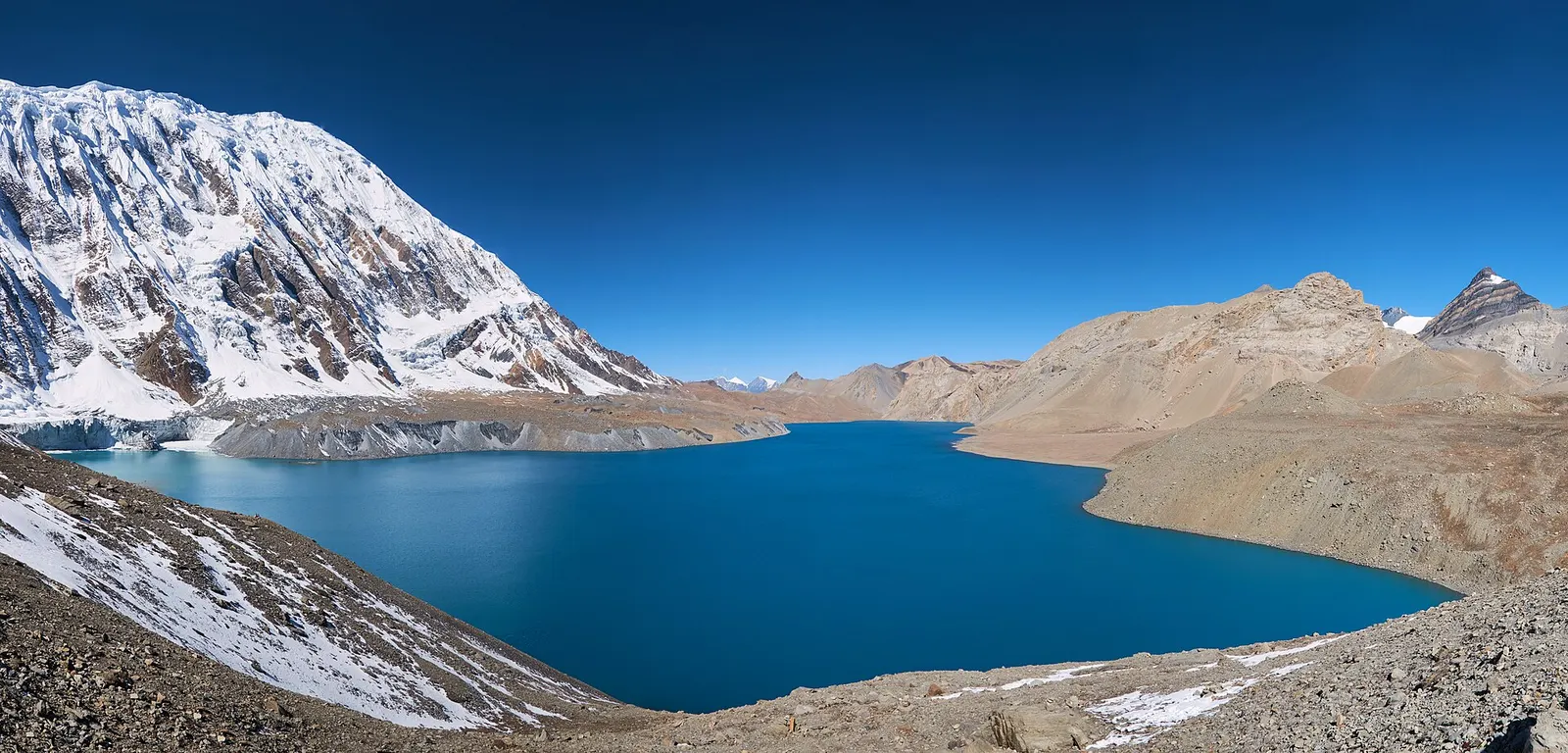
A teahouse journey around the Annapurna massif, from the green Marsyangdi valley through Manang and over the Thorong La (5,416 m) to Muktinath and the dry Kali Gandaki valley.
- Days
- 11 days
- Maximum altitude
- 5,416 m
- Difficulty
- Strenuous
Related places
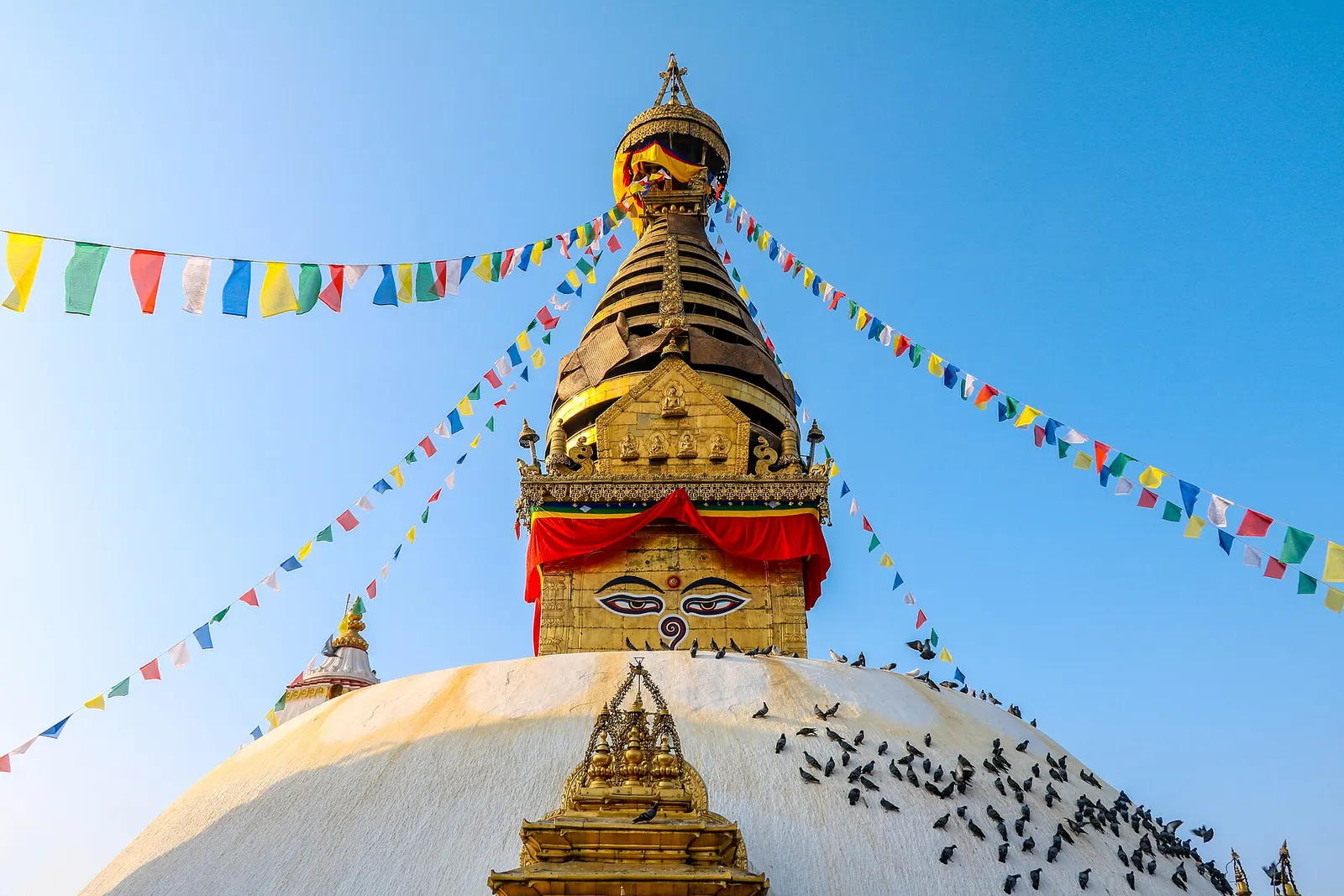
Kathmandu
1,400 m, best Feb-Apr, Oct-Dec
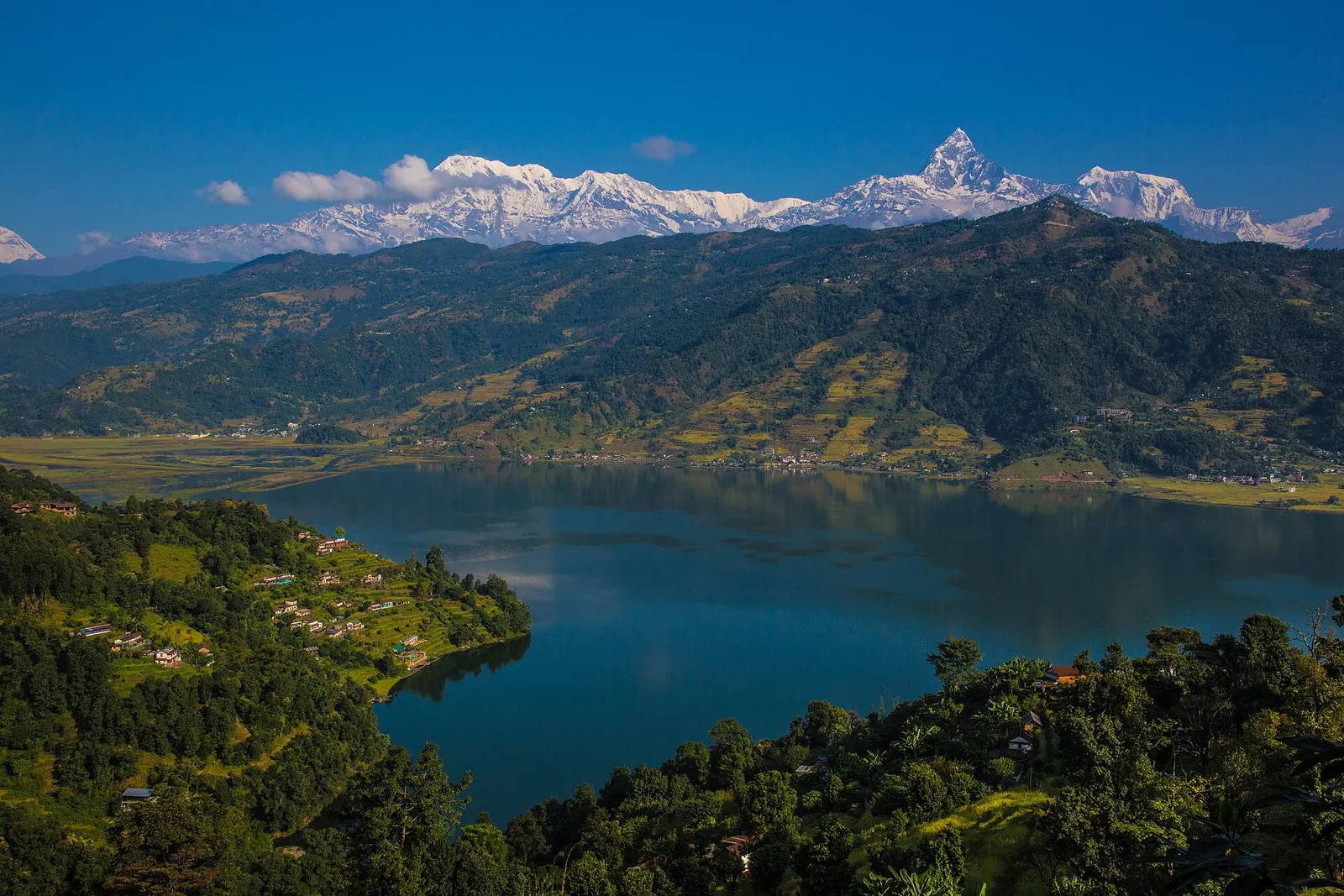
Pokhara
822 m, best Mar-May, Sep-Nov
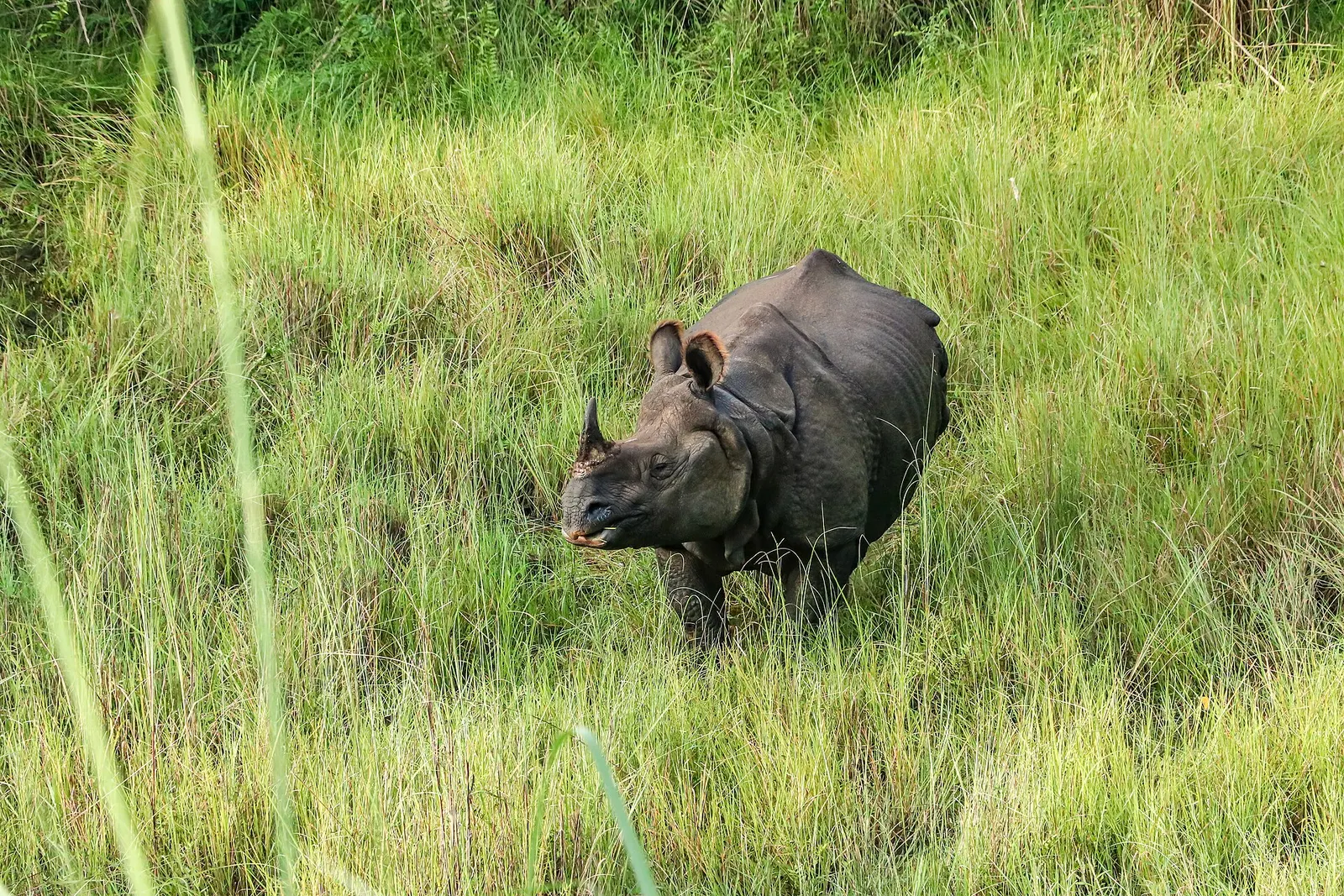
Chitwan
150 m, best Oct-Mar
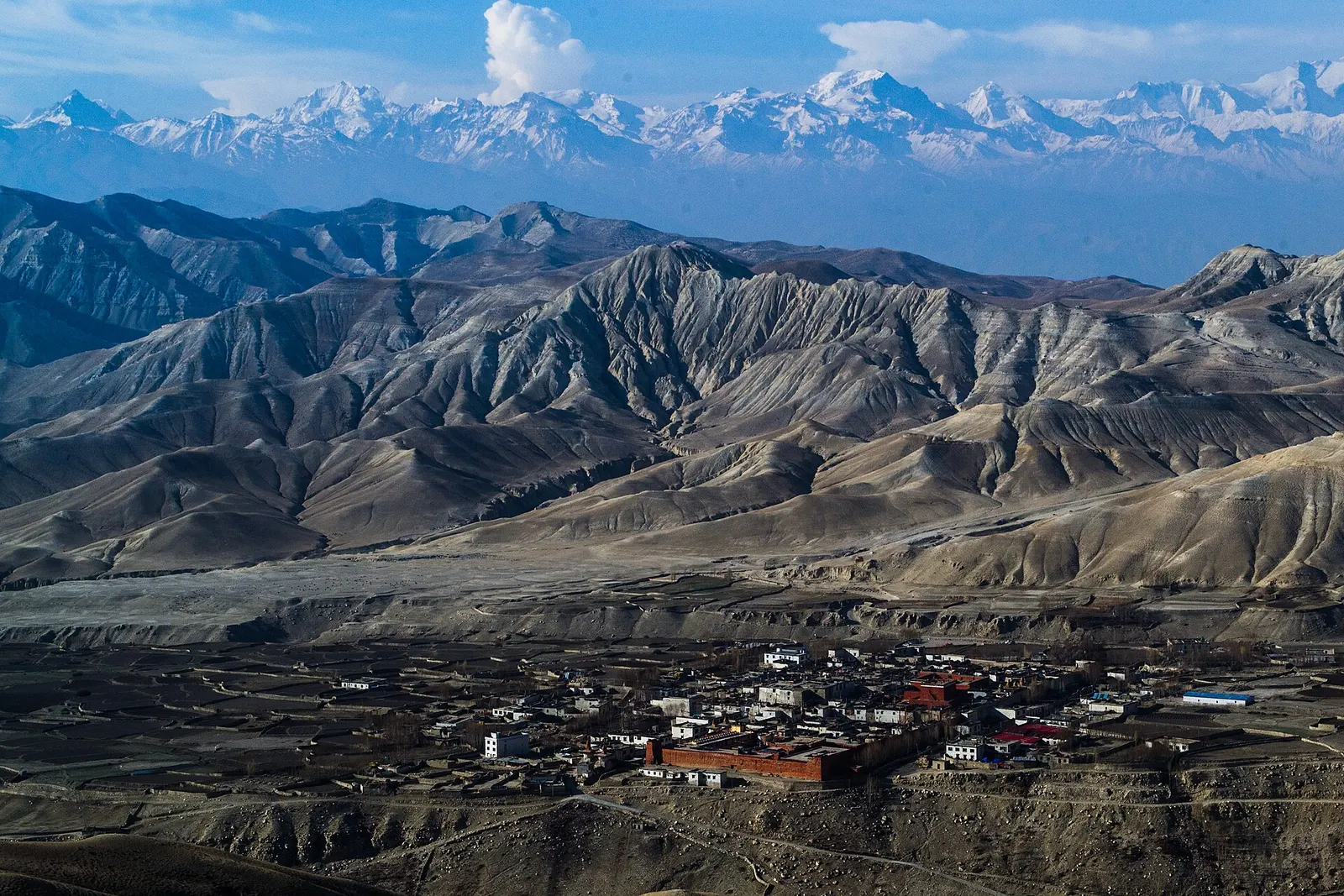
Upper Mustang
3,840 m, best Mar-Nov