

Town or village · 1,360 m
Bungamati
A Newar village on a spur above the Bagmati, home of the rain god Rato Machhindranath and known for its woodcarvers.
Patan (Lalitpur)खोकना
A traditional Newar farming village south of Patan, known for mustard-oil pressing and the Rudrayani temple.
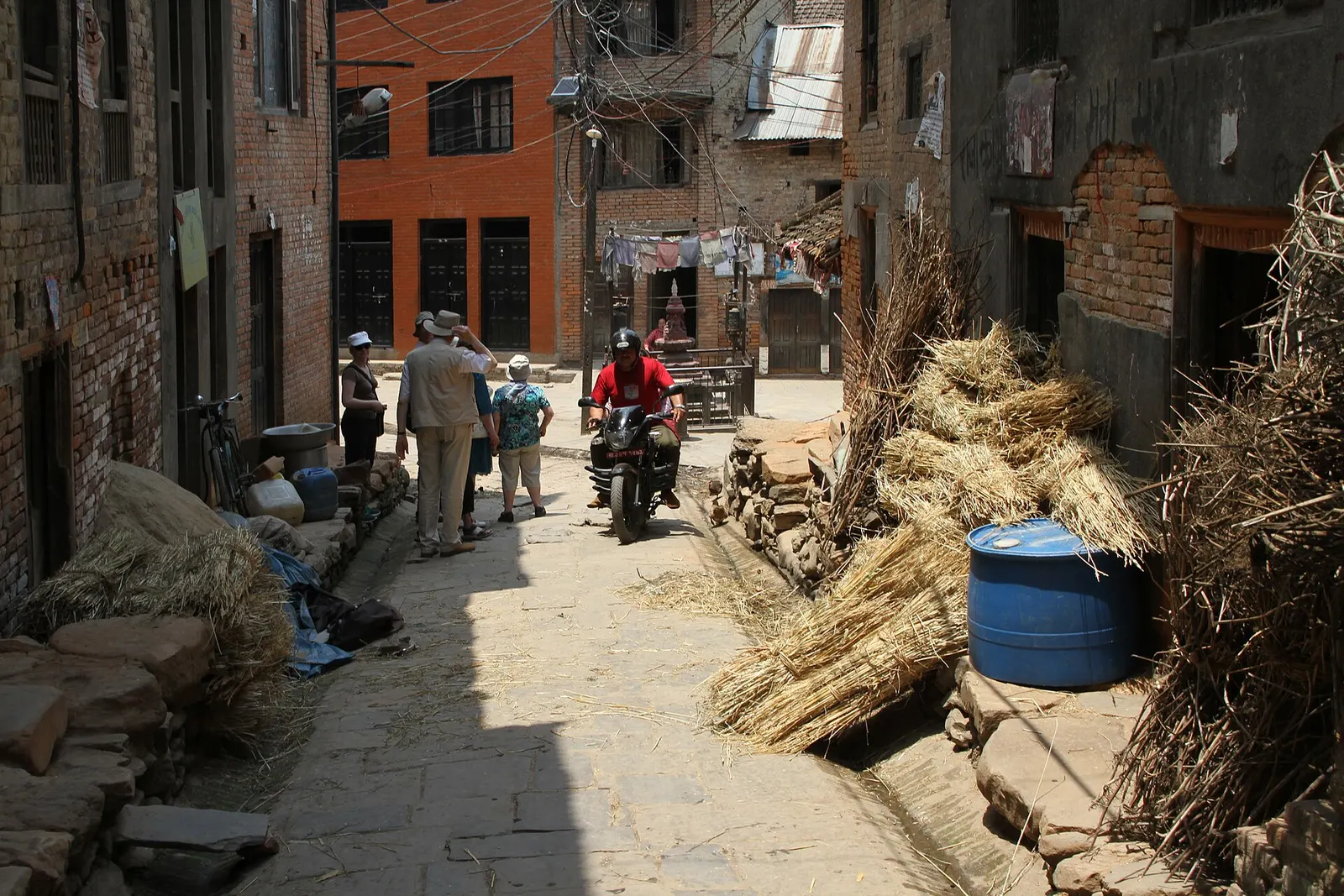
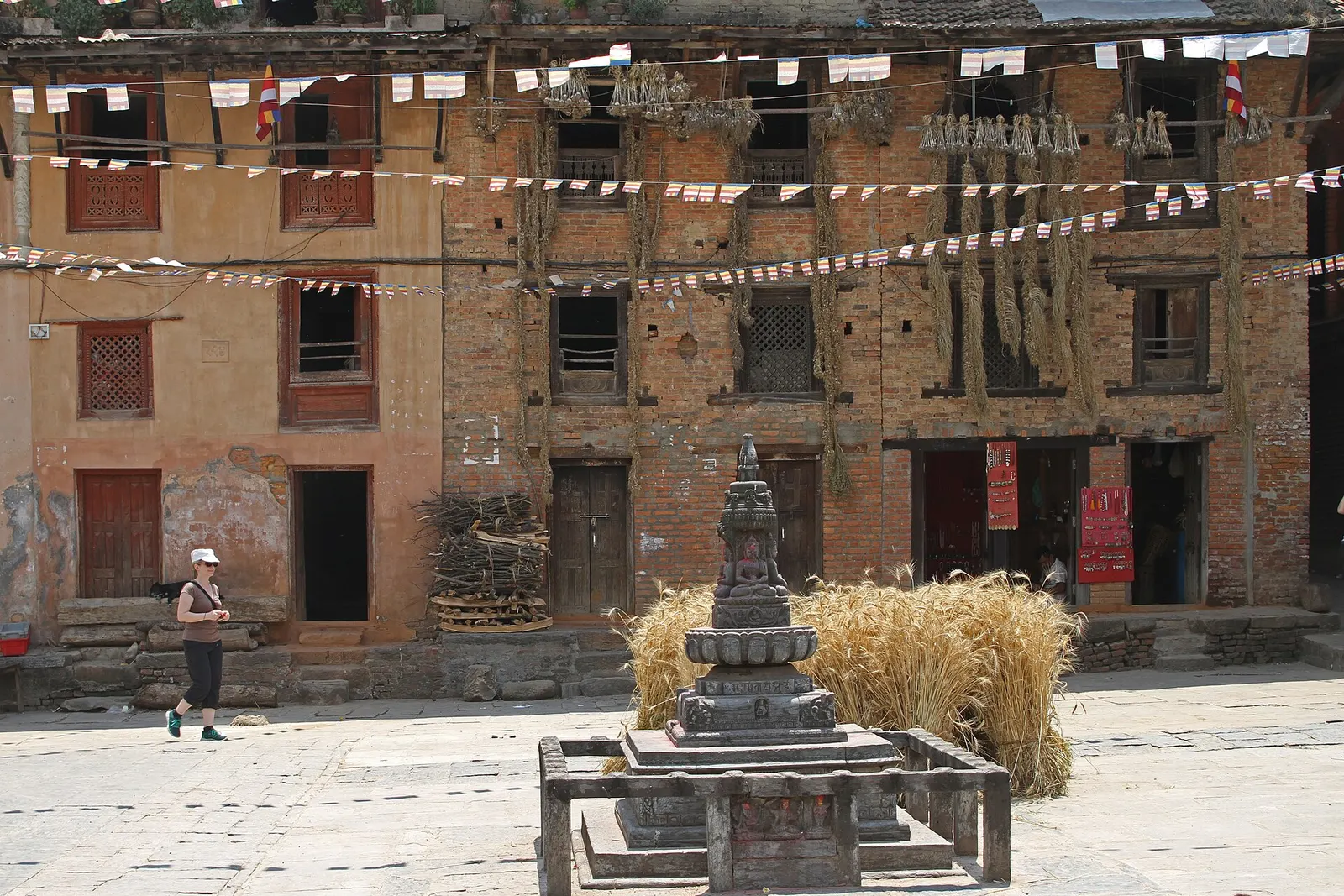
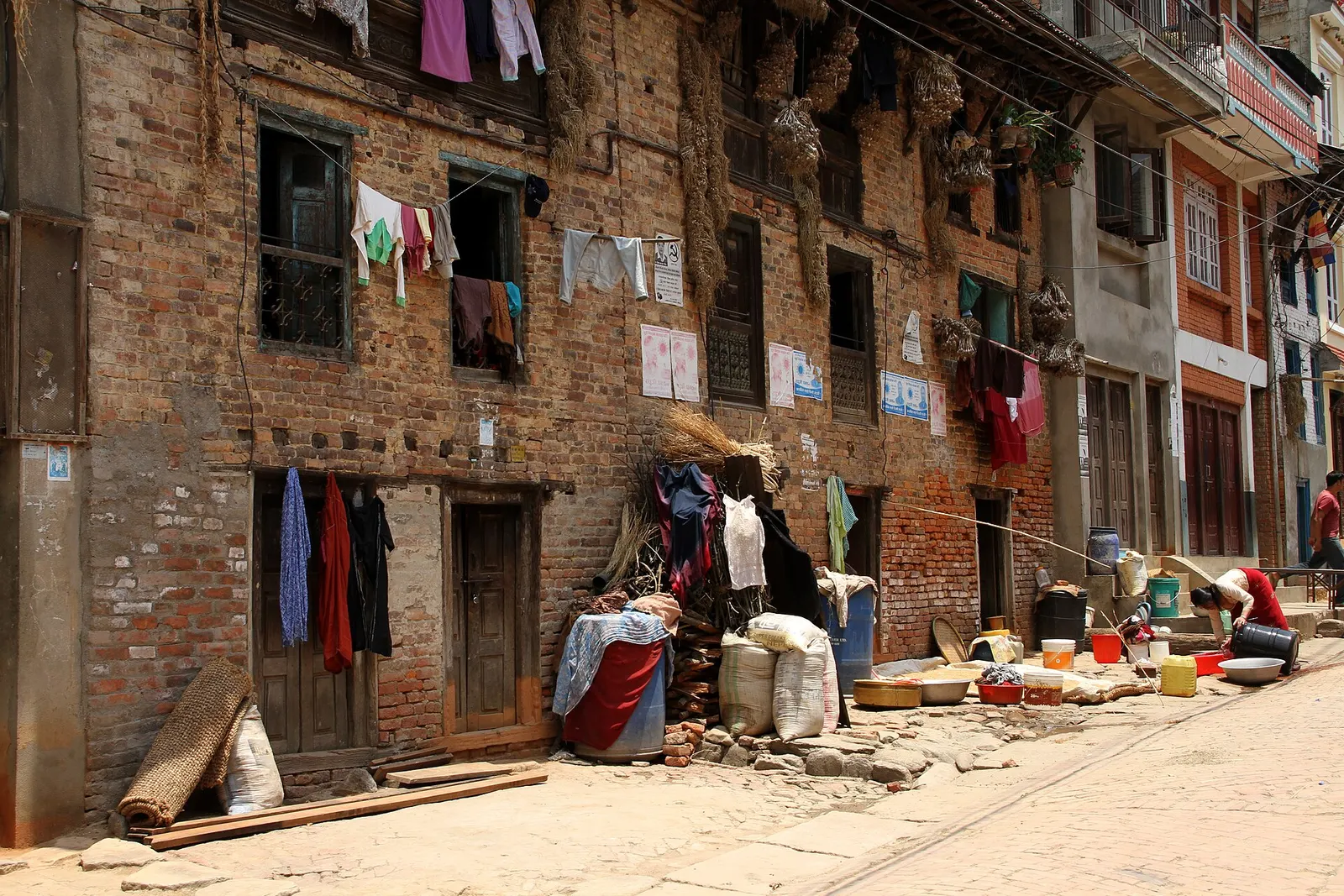
Khokana is a compact Newar village on a low plateau about 8 km south of Kathmandu, on the outskirts of Patan and now part of Lalitpur Metropolitan City. Its brick houses, many with carved windows and drying racks on their balconies, line an unusually wide main street that opens into a central square with a three-tiered temple to the goddess Rudrayani and a large ritual pond. Around the village, terraced fields run down towards the Bagmati.
For visitors, Khokana offers a glimpse of village life that has changed less than in the cities: grain and chillies drying on the street, wool being spun, and, in season, the traditional oil mills pressing mustard seed into the dark oil that made the village famous. Some mills welcome visitors to watch. The village was badly damaged in the 2015 earthquake, and rebuilding has been uneven, with traditional and new houses side by side.
Khokana is one of several villages and sights in Lalitpur district south of Patan. It is usually paired with Bungamati, a similar Newar village about 1 km away across a small stream, and the two can be walked between in 20-30 minutes.
Local tradition holds that the Rudrayani temple was rebuilt by King Amar Malla in the early 16th century, who also named the settlement Jitapur. A village legend explains the name Khokana with a story of a priest from Kathmandu and his wife, left for dead on a funeral pyre, who fled weeping (khona in Newar) and settled here under the protection of the goddess Shikali. The village was among the first places in Nepal to receive electric light, from the Pharping hydropower plant in 1911.
The inhabitants are mostly Newar farmers of the Maharjan and Dangol communities. Instead of the usual Dashain rituals, Khokana celebrates its own Shikali Jatra, a festival of several days in the Dashain period with masked dances. Khokana has been proposed for UNESCO World Heritage status as a vernacular village with a mustard-oil industry, but it is only on Nepal's tentative list and is not a World Heritage site. Large infrastructure plans, including the Kathmandu-Terai expressway nearby, have caused local disputes over land.
Watch mustard oil pressing
Ask in the village for a working oil mill, where seed is crushed and pressed in the traditional way.
Walk to Bungamati
Follow the path about 1 km across the stream to Bungamati, 20-30 minutes.
Visit Rudrayani temple
See the temple and square, the centre of village life and festivals.
Forecast for 1,340 m. Conditions change fast in the mountains.
Weather data: MET Norway, licensed CC BY 4.0. A forecast, not a guarantee.
Feb-Apr, Oct-Dec
A few homestays; most visitors come on a day trip from Patan or Kathmandu.
No partner stays are listed here yet. List a property.
Khokana is about 8 km south of central Kathmandu, beyond Patan.
Nearest hub: Kathmandu
Nearest hub: Kathmandu. Times are typical ranges, not schedules, and vary with roadworks, weather and the season.
By busfrom Patan (Lalitpur)about 0.5-0.8 hLocal buses
Local buses from Lagankhel in Patan run towards Bungamati and Khokana through the day.
By car or jeepfrom Patan (Lalitpur)about 0.3-0.7 h
About 6 to 8 km south of Patan and 8 km from central Kathmandu; from Thamel allow 40 to 60 minutes.
Road: Sealed to the village edge, then a single brick-paved main street.
By motorbikefrom Patan (Lalitpur)about 0.25-0.6 hEasy riding
Easy short run; park at the top of the main street.
Road: Sealed roads via the Ring Road; the last lanes into the old quarters are narrow and sometimes brick-paved.
On footfrom Bungamatiabout 0.3-0.5 h20-30 minutes from Bungamati, about 1 km, flat
The field path between the two villages.
Entry fee
A small local entry fee has been collected from foreign visitors at the village entrance in recent years to support conservation.
Verify before travel: permit rules and fees change. Checked 2026-10-06 against Khokana, Wikipedia.
What this place is typically exposed to, and when. These are seasonal patterns, not a report on conditions now.
Othermoderate in a typical yearDec-Apr
Dry-season dust and haze are a normal feature of the Kathmandu valley, where measured PM2.5 has run several times the WHO guideline level. Visitors prone to asthma usually do better on early mornings and after rain.
Floodinglow in a typical yearJun-Sep
The village sits on a terrace above the Bagmati bottomlands, which flood from June to September; the field paths and the lane down to the Sikali shrine turn to mud.
Road blockageslow in a typical yearJun-Sep
About two thirds of the valley's rain falls between June and September, and sustained downpours typically waterlog junctions and slow valley roads, so short cross-city journeys can take much longer than planned.
Coldlow in a typical yearDec-Feb
Valley nights from December to February typically fall to around freezing, with morning fog burning off by mid-morning, and few buildings have heating.
Otherlow in a typical yearJun-Sep
Brick lanes and the path to Bungamati are slippery in the monsoon rain.
Check current conditions before you travel
Roads, trails, passes and flights change with the weather and with roadworks, and nothing on this page describes conditions today. Before you set off, check the Department of Hydrology and Meteorology for weather and flood warnings, the Nepal Disaster Risk Reduction Portal for incidents, and the local authority, police or your licensed operator for road, trail and flight status.
Take a taxi via Patan, about 40-60 minutes from Thamel, or a local bus from Lagankhel in Patan.
No. It is on Nepal's tentative list as a vernacular village, but it has not been inscribed as World Heritage.
Its traditional mustard-oil pressing, the Rudrayani temple and its well-preserved Newar village life.
Town or village · 1,360 m
A Newar village on a spur above the Bagmati, home of the rain god Rato Machhindranath and known for its woodcarvers.
Town or village · 1,520 m
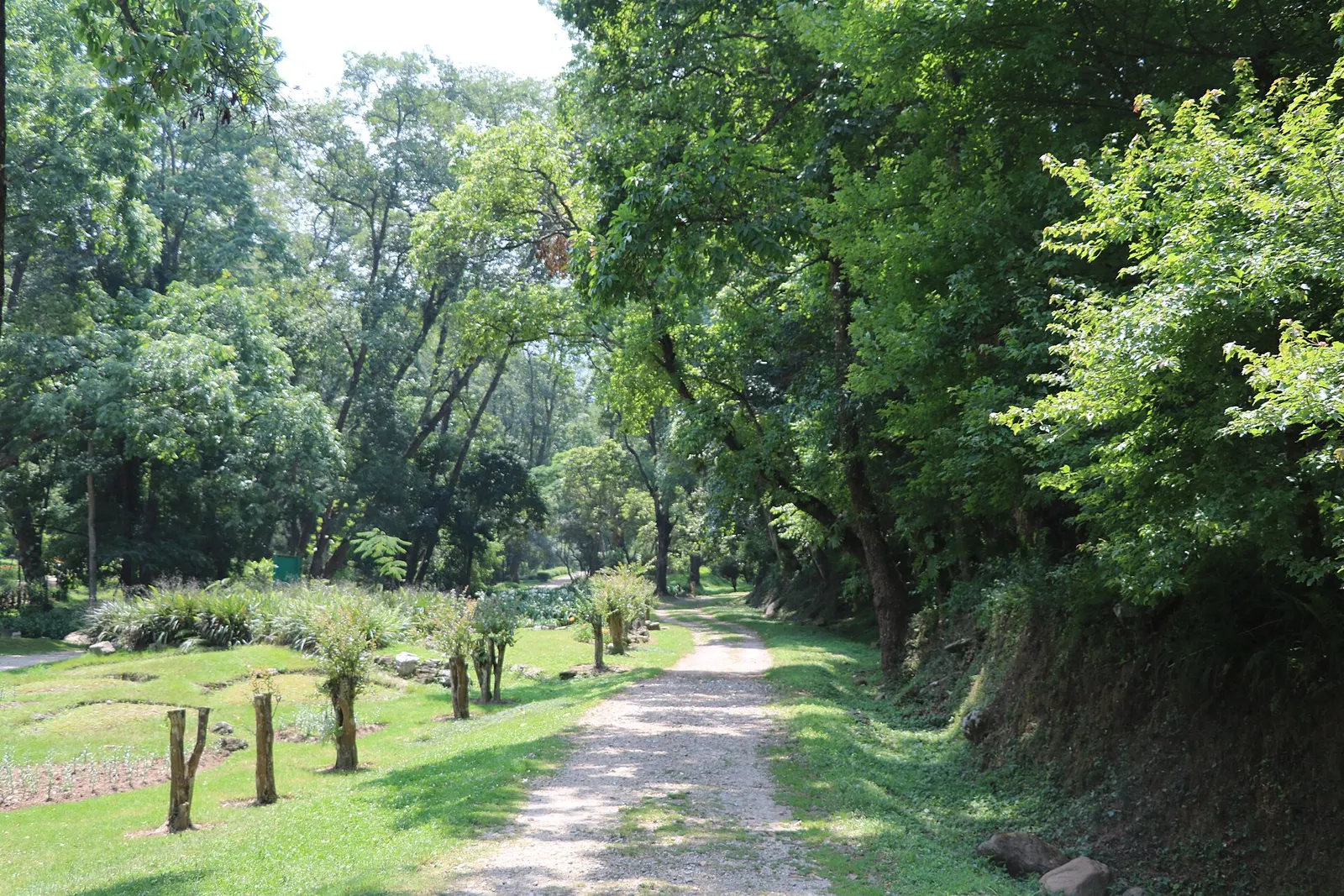
A green corner at the foot of Phulchowki, south-east of Patan, with Nepal's national botanical garden, sacred springs and forest walks.
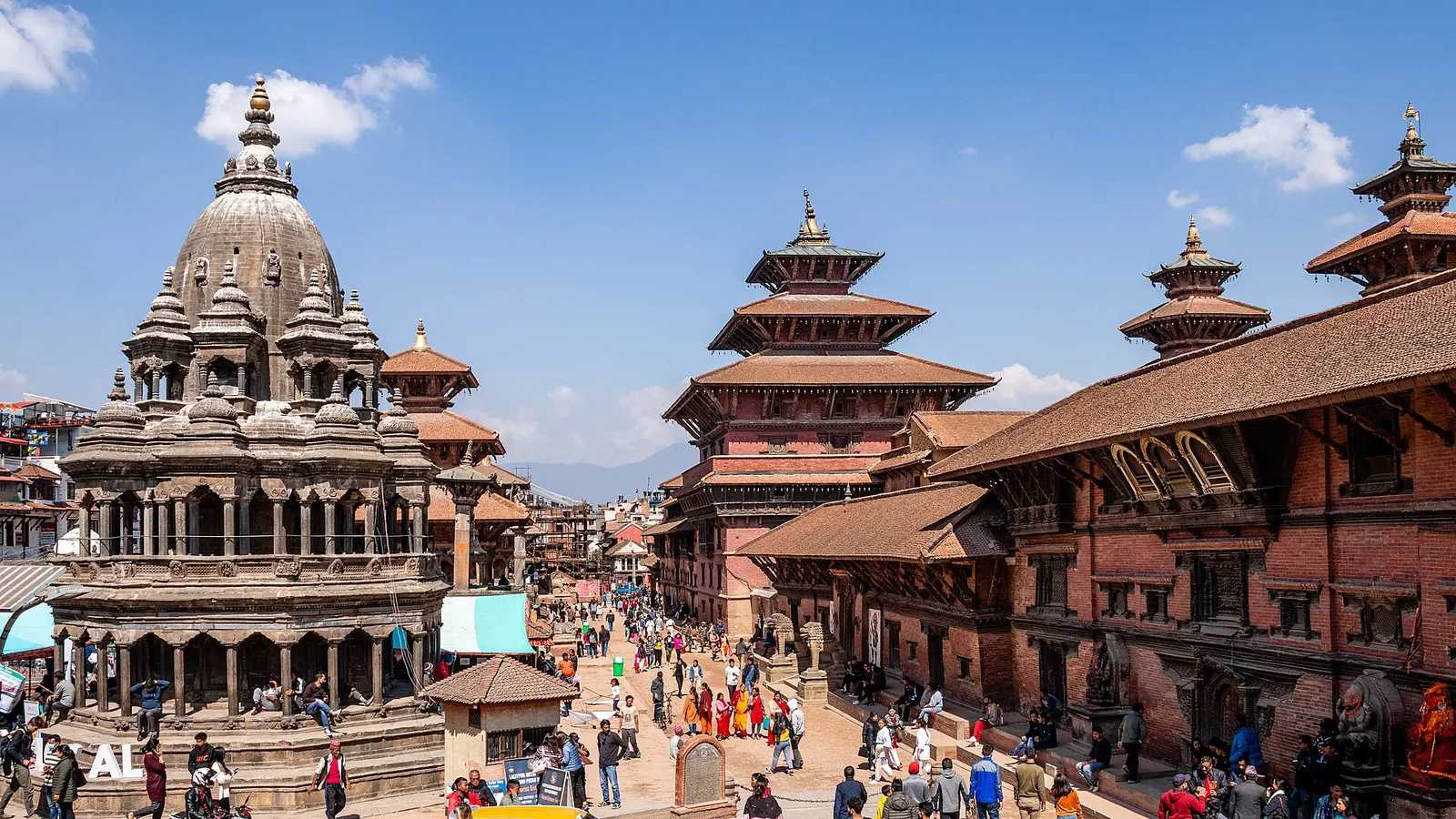
Temple, monastery or heritage site · 1,330 m
The former royal square of Patan, a row of Malla-era temples facing a palace that now houses one of Nepal's finest museums.
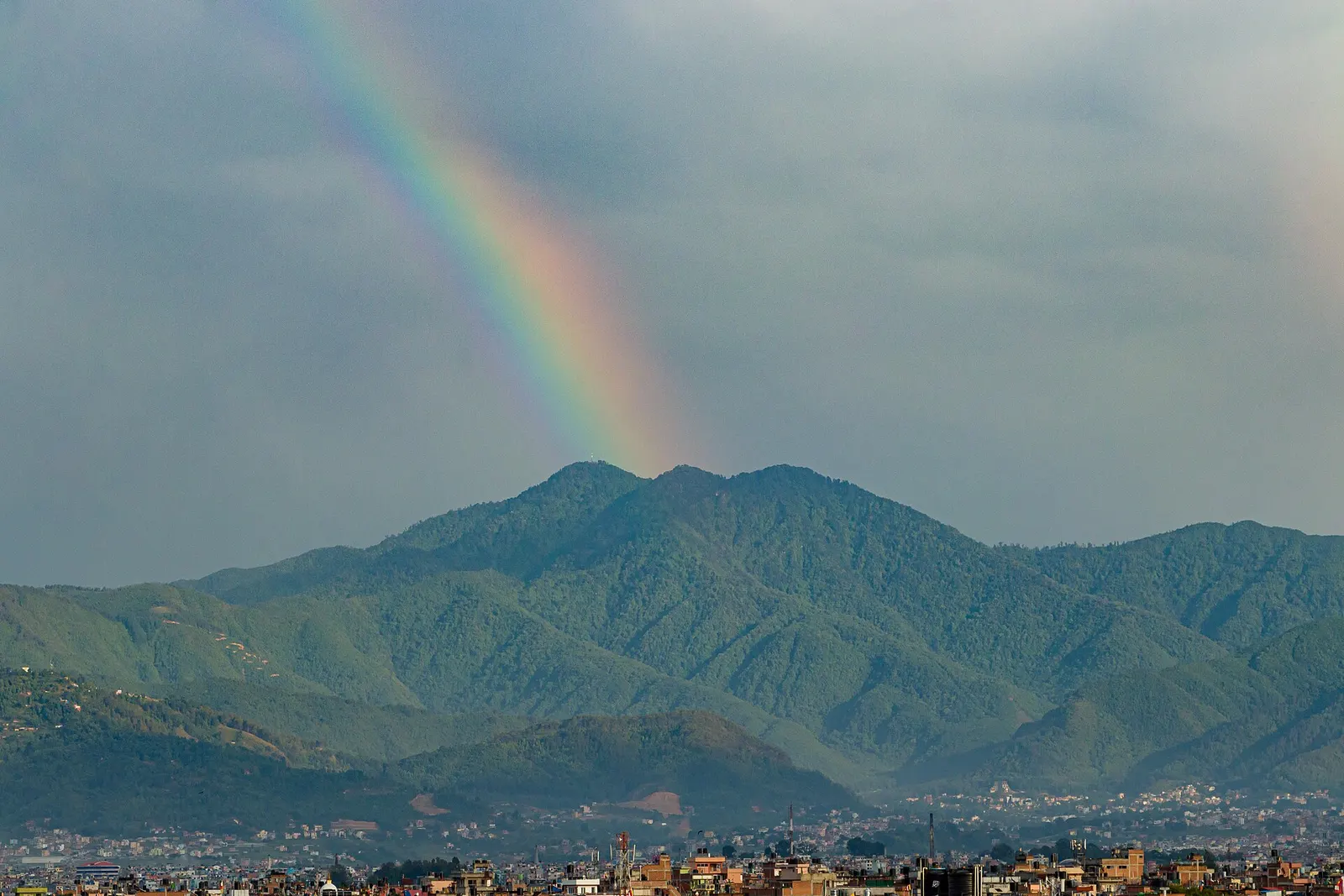
Viewpoint · 2,782 m
The highest point on the Kathmandu Valley rim, a forested hill above Godawari known for birds, rhododendrons and mountain views.
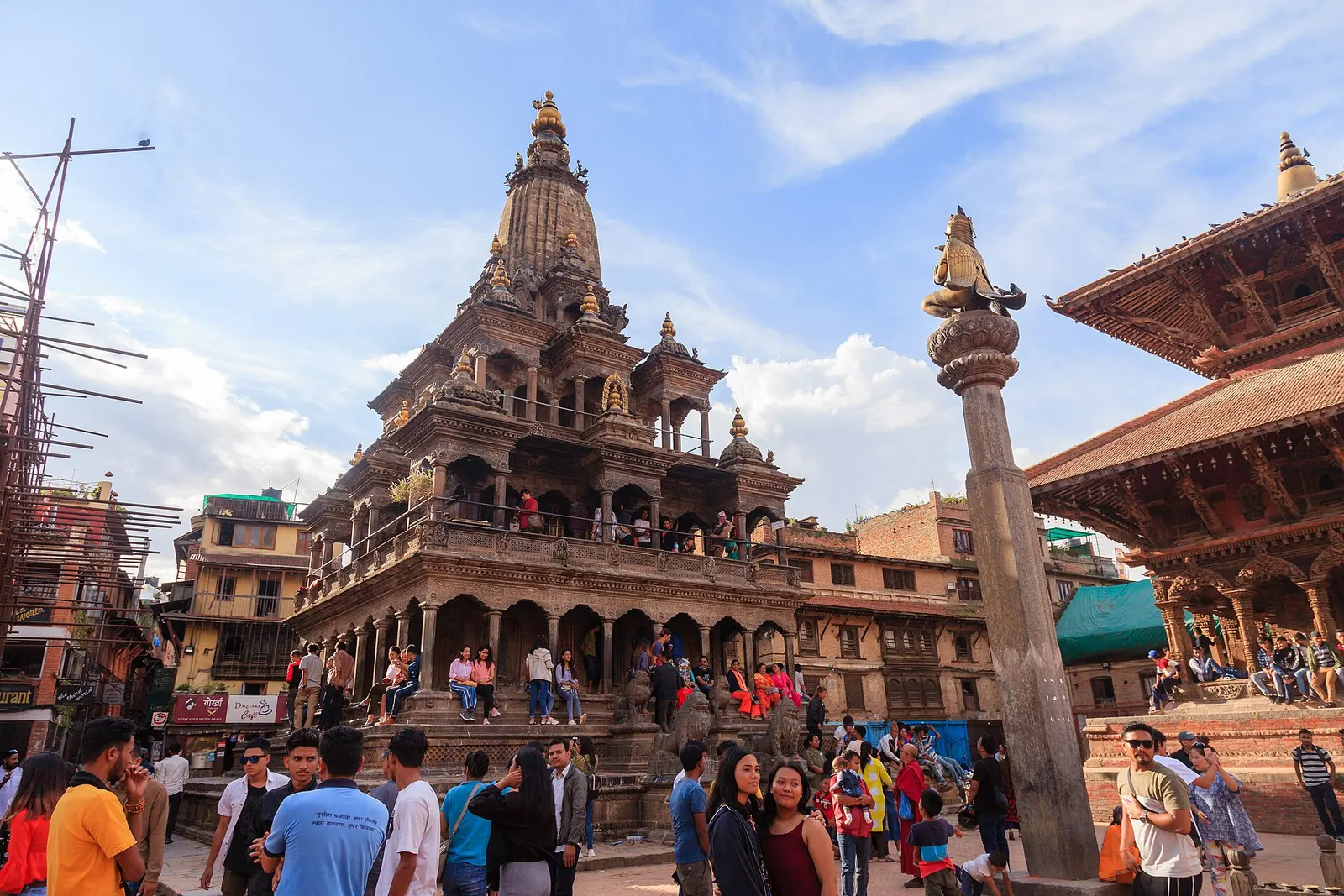
Town or village · 1,350 m
The old Newar city of Lalitpur across the Bagmati from Kathmandu, known for its Durbar Square, Buddhist courtyards and metalwork.
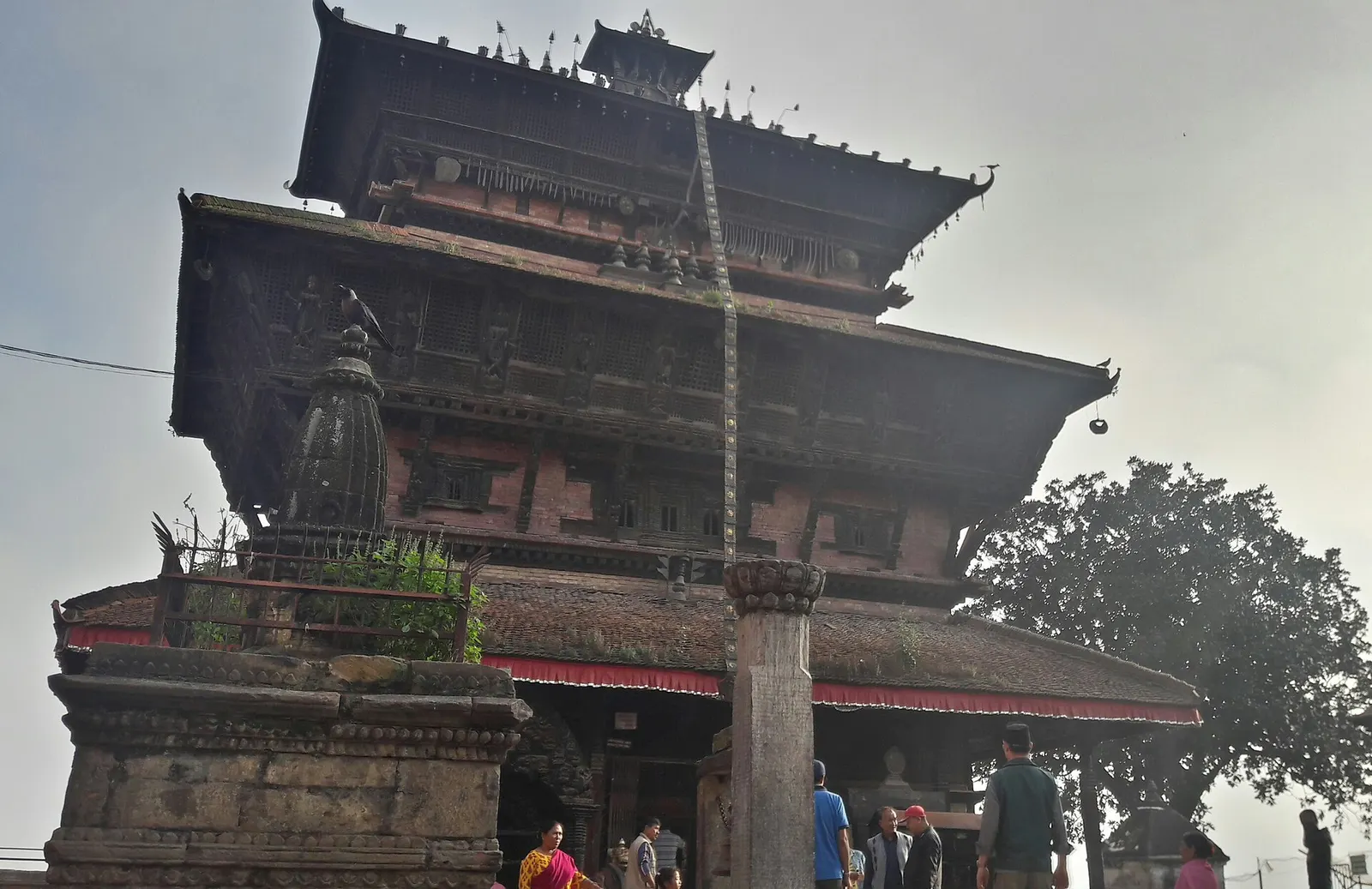
Town or village · 1,400 m
An old Newar hill town on Kathmandu's south-western edge, with temples, valley views and a dramatic history of resistance.
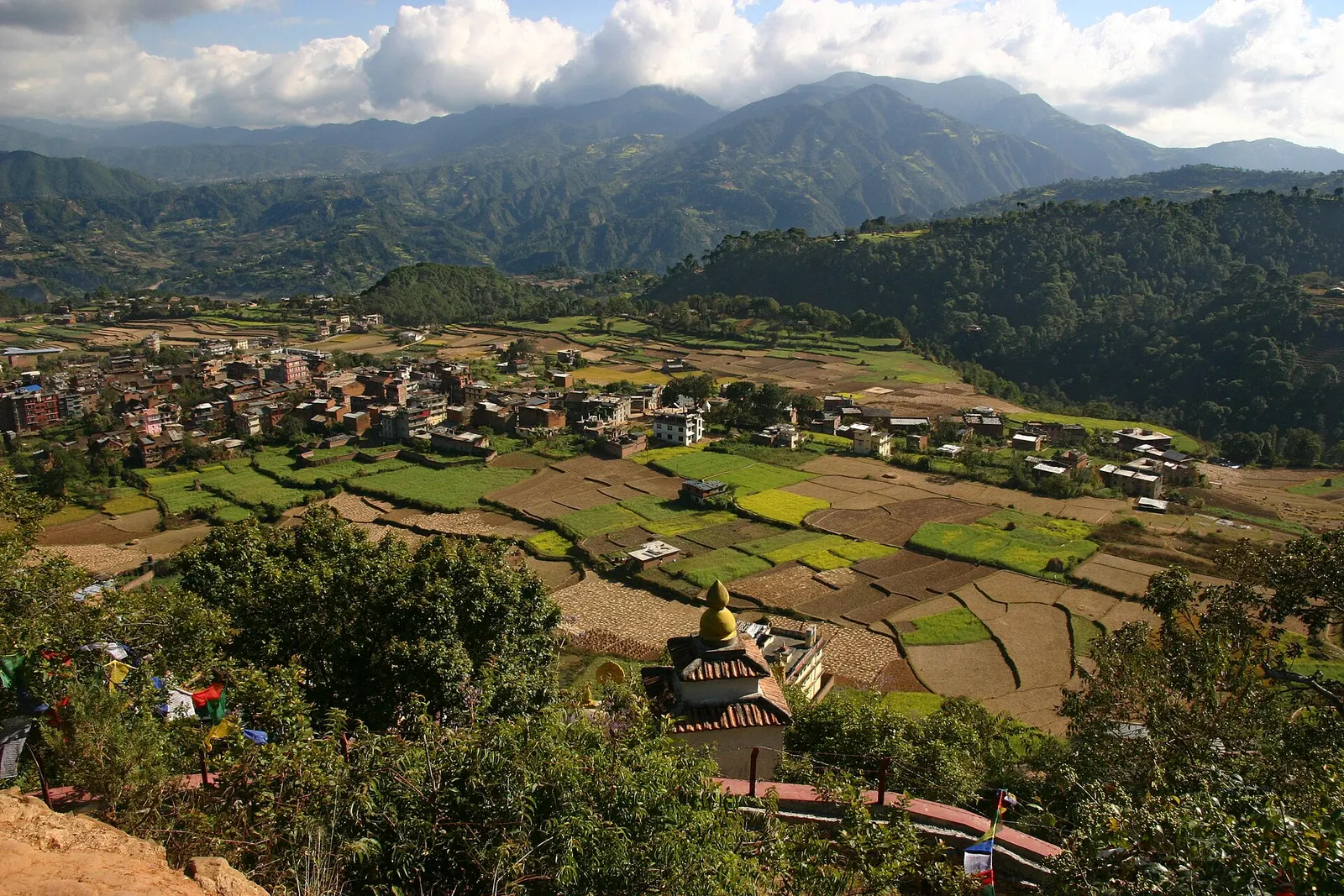
Town or village · 1,570 m
A small Newar town on the southern rim of the Kathmandu Valley, sacred to Vajrayana Buddhists for Guru Rinpoche's meditation caves.