

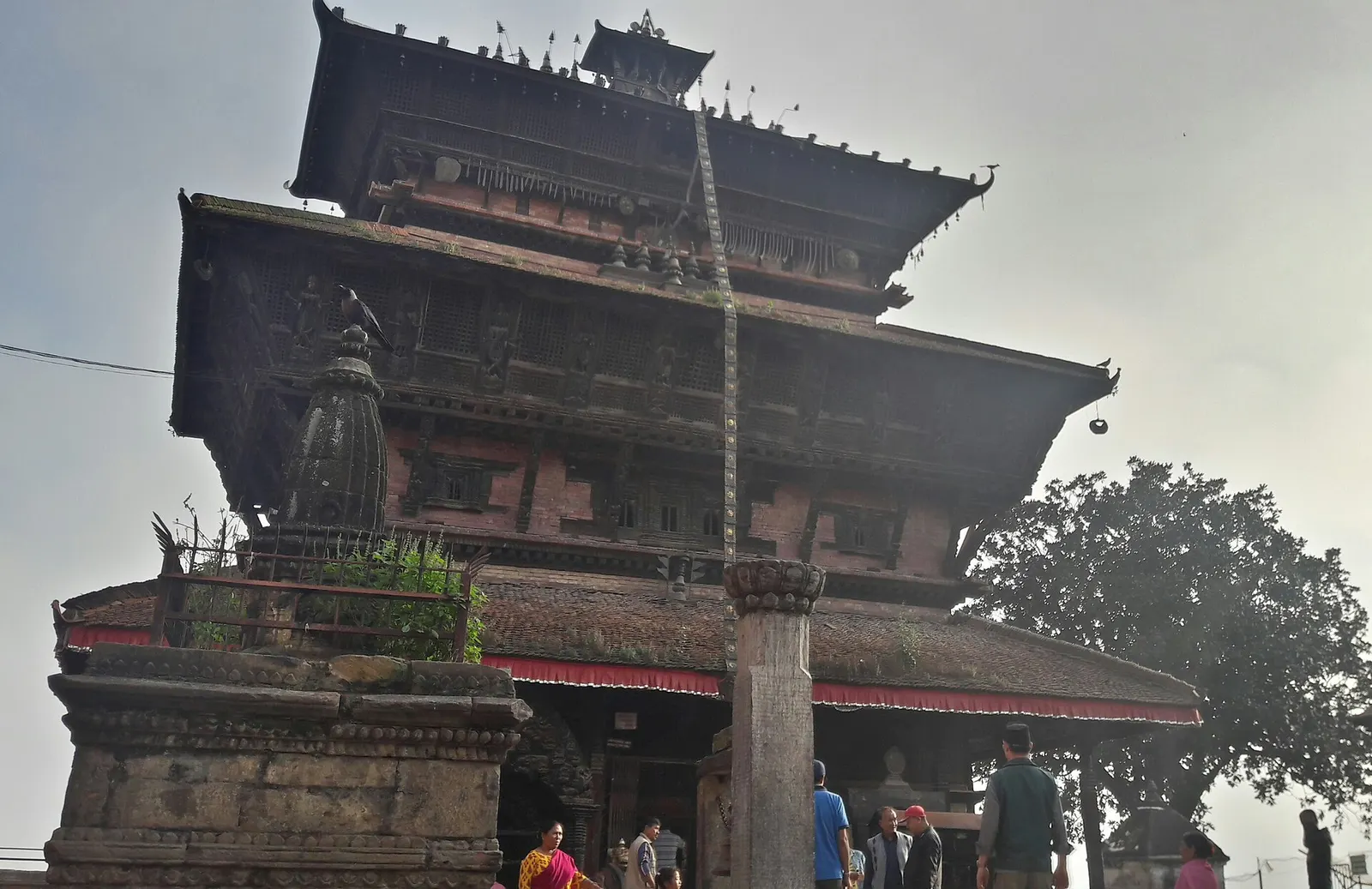
Town or village · 1,400 m
Kirtipur
An old Newar hill town on Kathmandu's south-western edge, with temples, valley views and a dramatic history of resistance.
Kathmanduस्वप्न बगैँचा
A restored 1920s Rana-era garden of pavilions, ponds and lawns at the edge of Thamel.
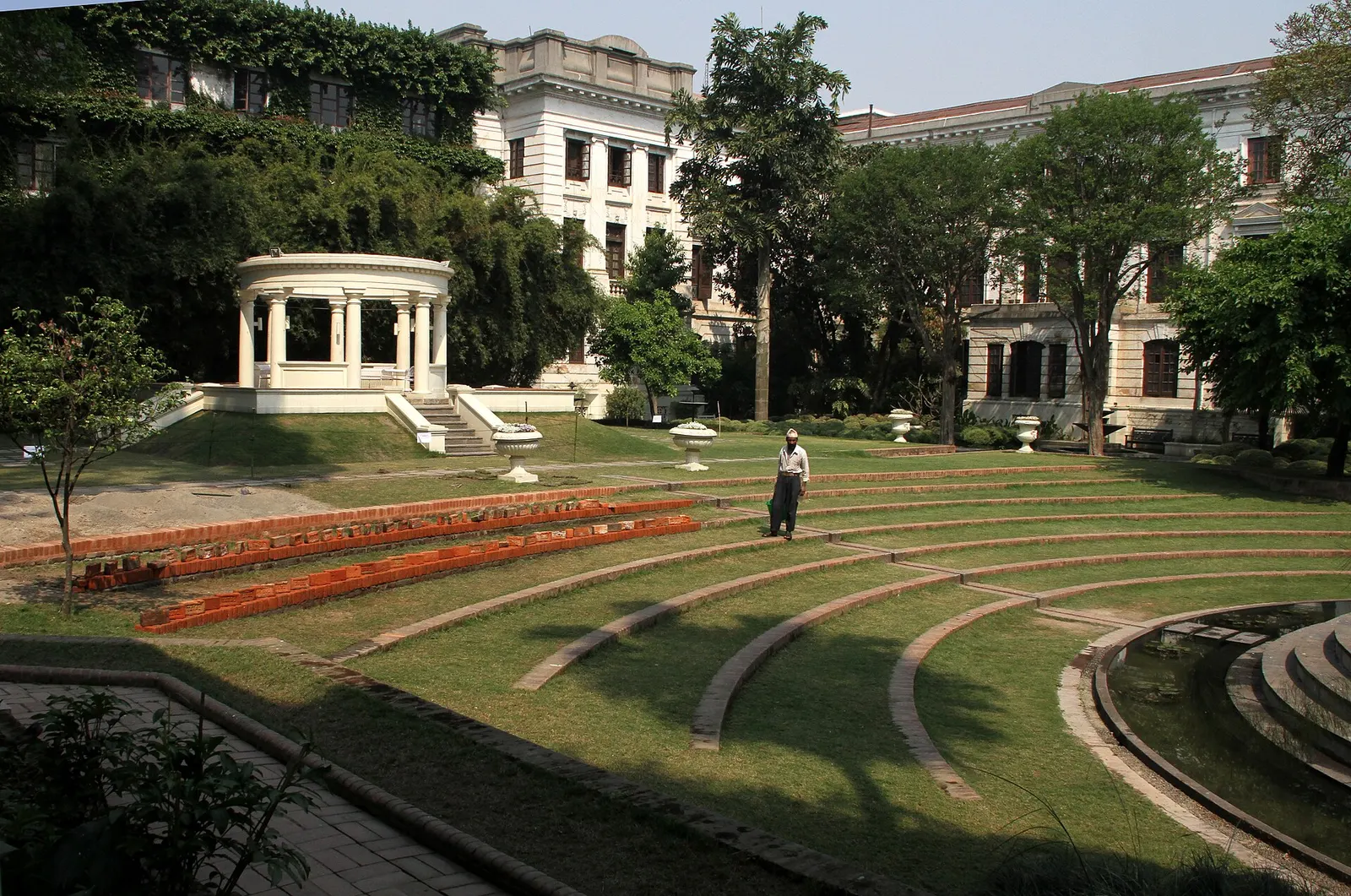
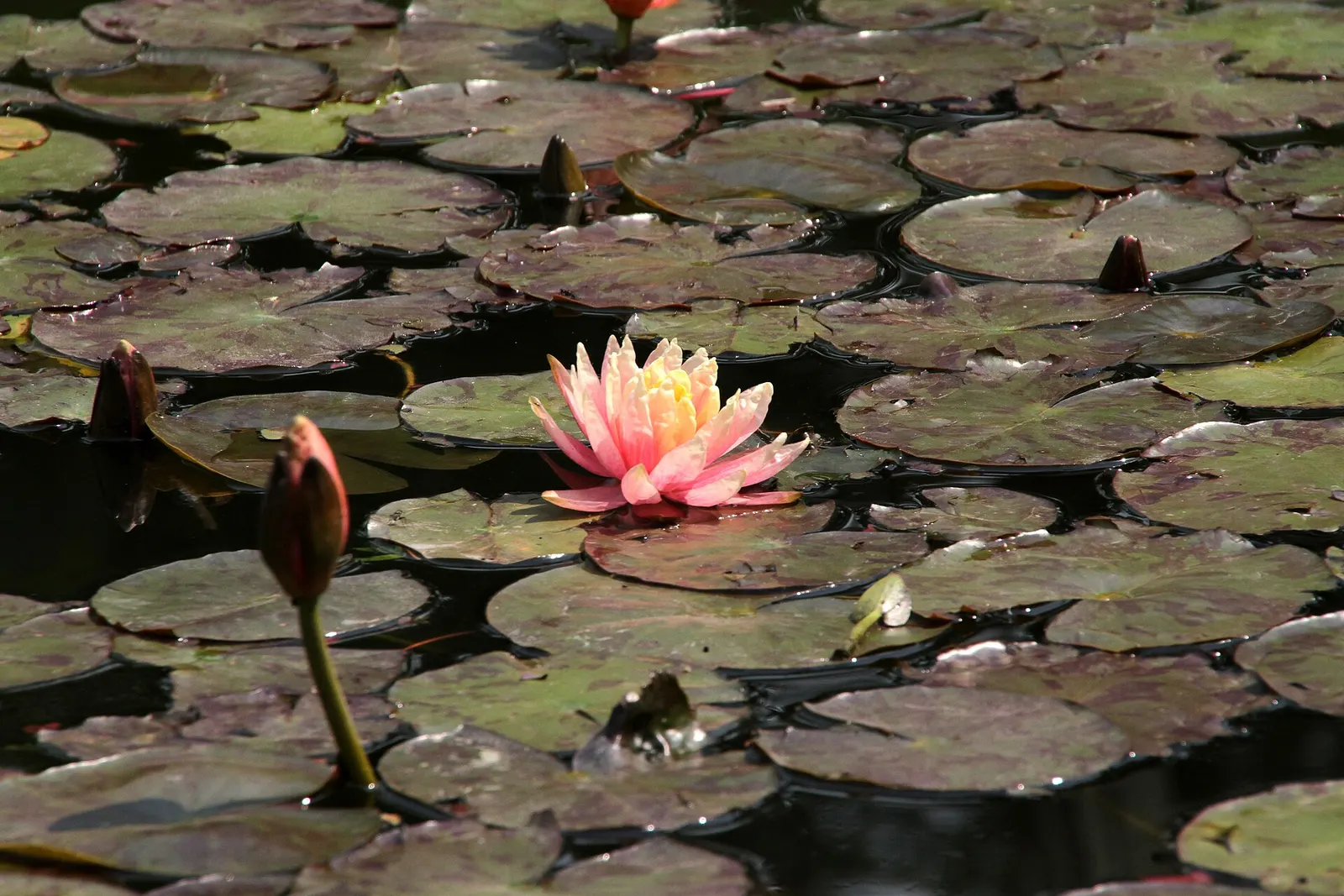
The Garden of Dreams is a walled neo-classical garden at the south-eastern corner of Thamel, opposite the former royal palace at Narayanhiti. Inside the gate, the noise of the city drops away: there are formal paths and lawns, lily ponds, pergolas, balustrades, urns, a small amphitheatre and white pavilions, with large trees and bamboo screening the surrounding streets. A cafe and restaurant operate inside the grounds.
It is a place to slow down rather than to sightsee. Visitors come to read on the lawns, sit by the ponds in the morning, or wait out the heat of the afternoon between errands in Thamel. Couples and families from Kathmandu use it too, especially at weekends. Plan on an hour or two; it fits easily before or after a walk to the Narayanhiti Palace Museum, a few minutes away.
Only about half of the original garden survives, but the restored part gives a clear idea of how the Rana elite of the early 20th century borrowed European garden design and adapted it to the climate and craft traditions of the Kathmandu Valley.
The garden was laid out around 1920 for Field Marshal Kaiser Shumsher Rana, son of the ruling Rana prime minister, in the grounds of his residence, Kaiser Mahal. It was designed by Kishore Narsingh, the architect of Singha Durbar, in a style influenced by Edwardian English gardens, and was originally called the Garden of Six Seasons: each of its pavilions was dedicated to one of the six seasons of the Nepali calendar. Kaiser Shumsher was a noted book collector, and his library remains in the adjoining palace.
After his death in 1964 the property passed to the government and the garden fell into neglect. In 1998 it was saved from demolition for a commercial development and opened as the Garden of Dreams. Between 2000 and 2007 it was restored with support from the Austrian government, led by the architect Götz Hagmüller, and the project is often cited as a model for conserving historic sites in Nepal.
Spend a slow morning
Arrive at opening time for cool air, birdsong and empty lawns before the midday crowd.
Look for the season pavilions
Find the surviving pavilions, each originally dedicated to one of Nepal's six seasons.
Combine with Narayanhiti
Walk a few minutes east to the Narayanhiti Palace Museum, the former royal palace.
Forecast for 1,320 m. Conditions change fast in the mountains.
Weather data: MET Norway, licensed CC BY 4.0. A forecast, not a guarantee.
Mar-Apr, Oct-Nov
Thamel's guesthouses and hotels are a few minutes' walk away.
No partner stays are listed here yet. List a property.
The garden is at the south-east corner of Thamel, near the junction of Tridevi Marg and Kantipath.
Nearest hub: Kathmandu
Nearest hub: Kathmandu. Times are typical ranges, not schedules, and vary with roadworks, weather and the season.
By busfrom Kathmanduabout 0.15-0.4 hLocal buses
Microbuses and tempos stop at Jamal and on Kantipath, both within 5 to 10 minutes' walk of the Tridevi Marg gate.
By car or jeepfrom Kathmanduabout 0.1-0.3 h
Taxis drop at the Tridevi Marg gate or on Kantipath; there is no visitor car park, so most people arrive on foot from Thamel.
Road: Sealed city roads throughout; allow generous extra time at peak commuting hours.
By motorbikefrom Kathmanduabout 0.1-0.3 hEasy riding
Very short sealed run; street parking on Tridevi Marg is limited.
Road: Sealed city roads throughout; allow generous extra time at peak commuting hours.
On footfrom Thamelabout 0.1-0.2 h5-10 minutes from central Thamel, flat
The garden gate is on the south-east corner of Thamel, on Tridevi Marg.
Entry fee
There is an entry fee, higher for foreign visitors than for Nepali citizens.
Verify before travel: permit rules and fees change. Checked 2026-10-06 against Garden of Dreams, Wikipedia.
What this place is typically exposed to, and when. These are seasonal patterns, not a report on conditions now.
Othermoderate in a typical yearDec-Apr
Dry-season dust and haze are a normal feature of the Kathmandu valley, where measured PM2.5 has run several times the WHO guideline level. Visitors prone to asthma usually do better on early mornings and after rain.
Floodinglow in a typical yearJun-Sep
The walled garden drains well, but the Thamel and Kantipath junctions outside it typically flood in the heaviest June to September afternoons.
Road blockageslow in a typical yearJun-Sep
About two thirds of the valley's rain falls between June and September, and sustained downpours typically waterlog junctions and slow valley roads, so short cross-city journeys can take much longer than planned.
Coldlow in a typical yearDec-Feb
Valley nights from December to February typically fall to around freezing, with morning fog burning off by mid-morning, and few buildings have heating.
Check current conditions before you travel
Roads, trails, passes and flights change with the weather and with roadworks, and nothing on this page describes conditions today. Before you set off, check the Department of Hydrology and Meteorology for weather and flood warnings, the Nepal Disaster Risk Reduction Portal for incidents, and the local authority, police or your licensed operator for road, trail and flight status.
It is at the south-east corner of Thamel on Tridevi Marg, opposite the former royal palace, about 5-10 minutes on foot from central Thamel.
Yes, there is a ticket at the gate, with a higher rate for foreign visitors. Check the current amount on arrival.
One to two hours is enough to walk around, sit by the ponds and have a drink at the cafe.
Town or village · 1,400 m
An old Newar hill town on Kathmandu's south-western edge, with temples, valley views and a dramatic history of resistance.
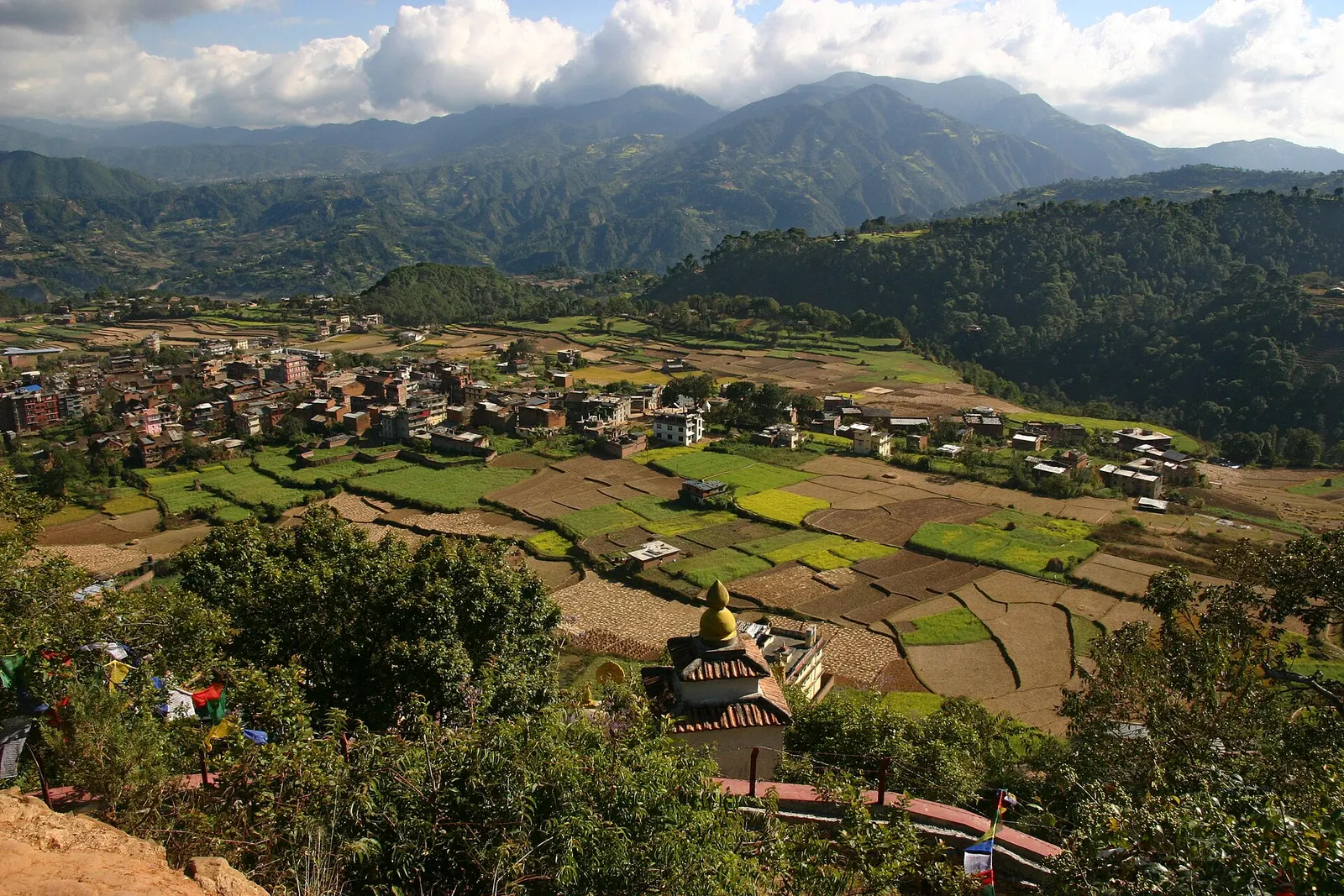
Town or village · 1,570 m
A small Newar town on the southern rim of the Kathmandu Valley, sacred to Vajrayana Buddhists for Guru Rinpoche's meditation caves.
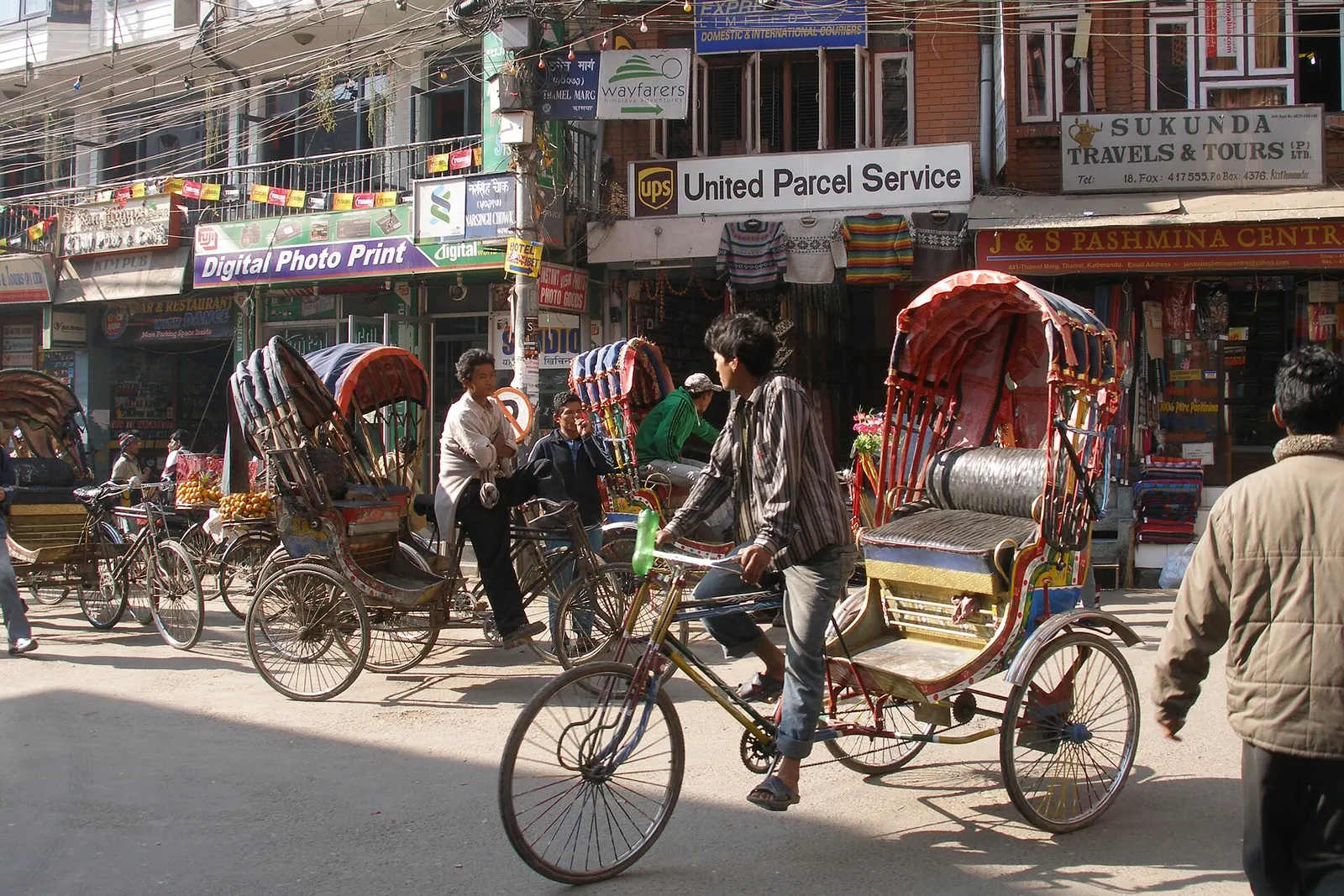
Town or village · 1,320 m
Kathmandu's traveller quarter of narrow lanes, guesthouses, trekking shops and cafes, a short walk north of the old city.
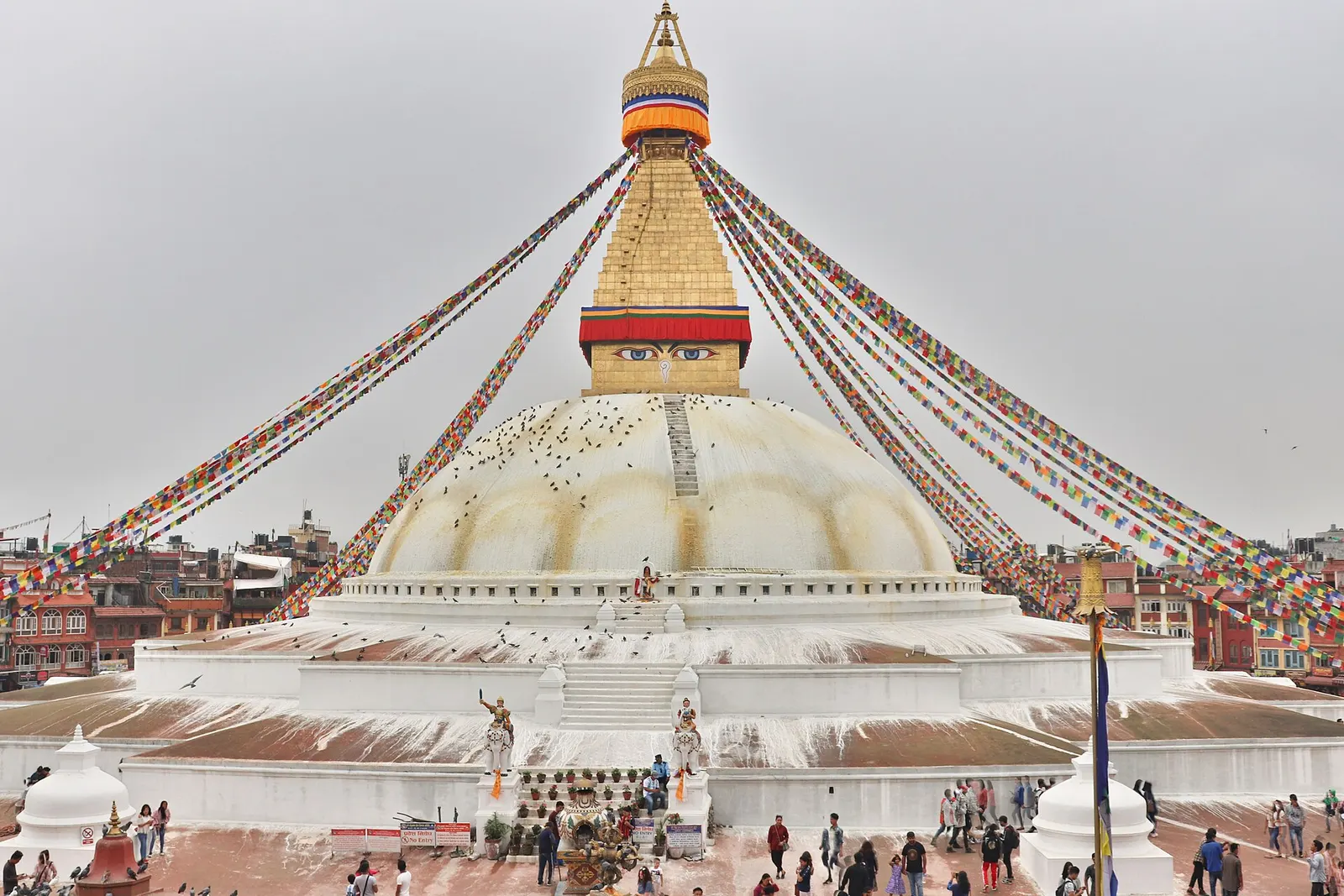
Temple, monastery or heritage site · 1,340 m
The great white stupa of north-east Kathmandu, centre of the valley's Tibetan Buddhist community and its many monasteries.
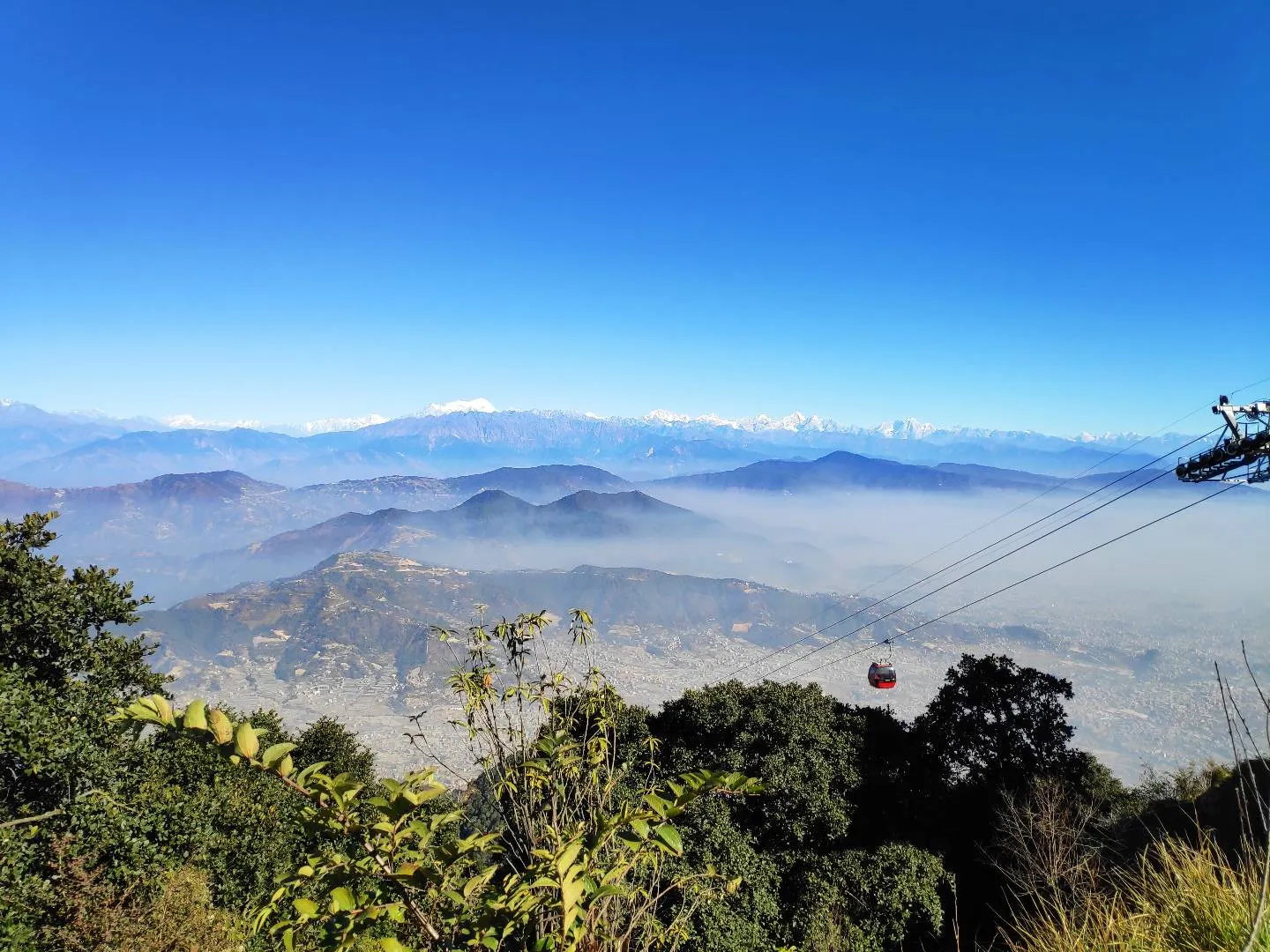
Viewpoint · 2,551 m
A hill on the Kathmandu Valley's south-western rim, reached by cable car, with a Shiva temple and wide Himalayan views.
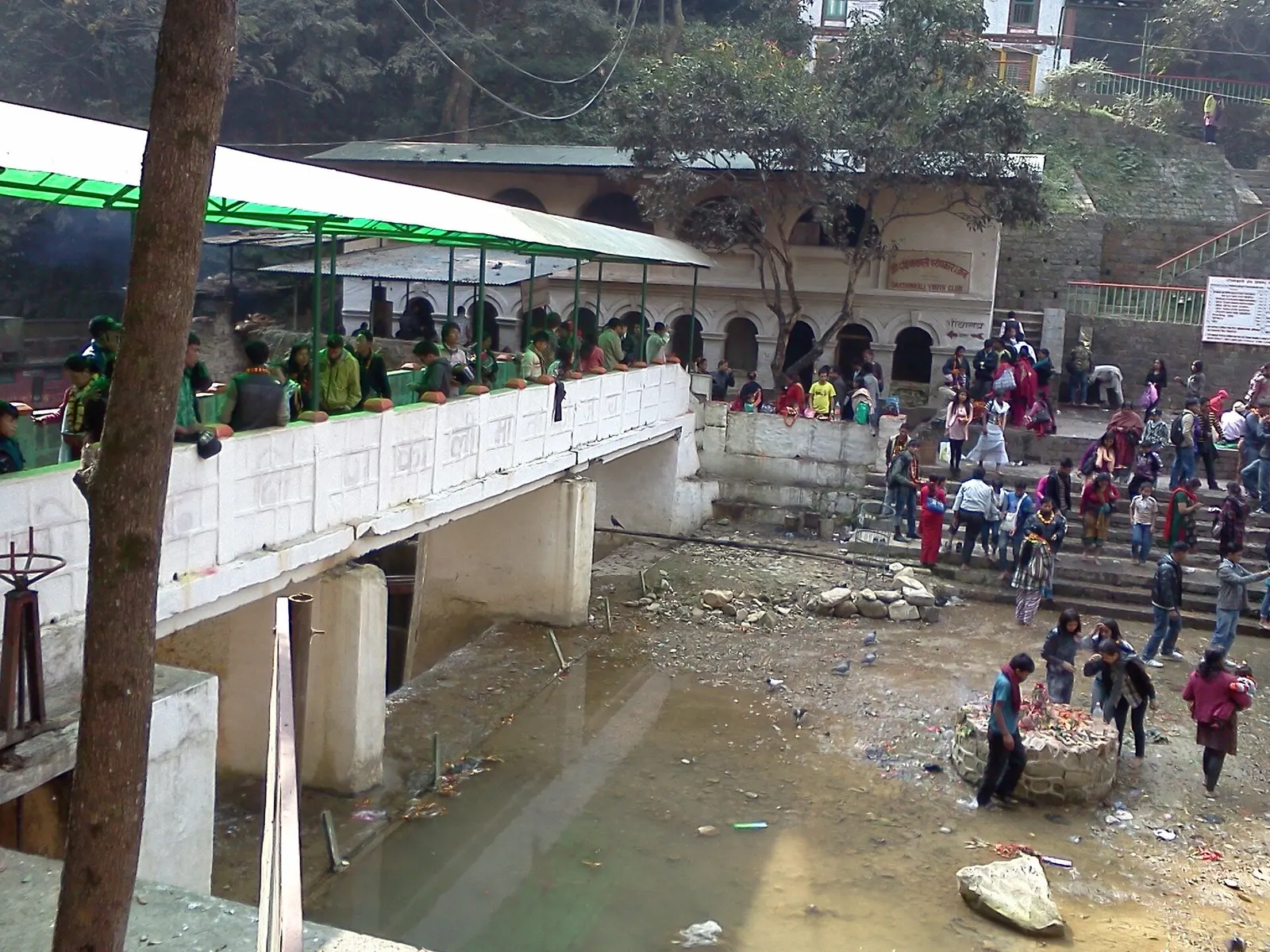
Temple, monastery or heritage site · 1,480 m
A Hindu temple to the goddess Kali in a forested gorge south of Pharping, known for its Tuesday and Saturday animal sacrifices.
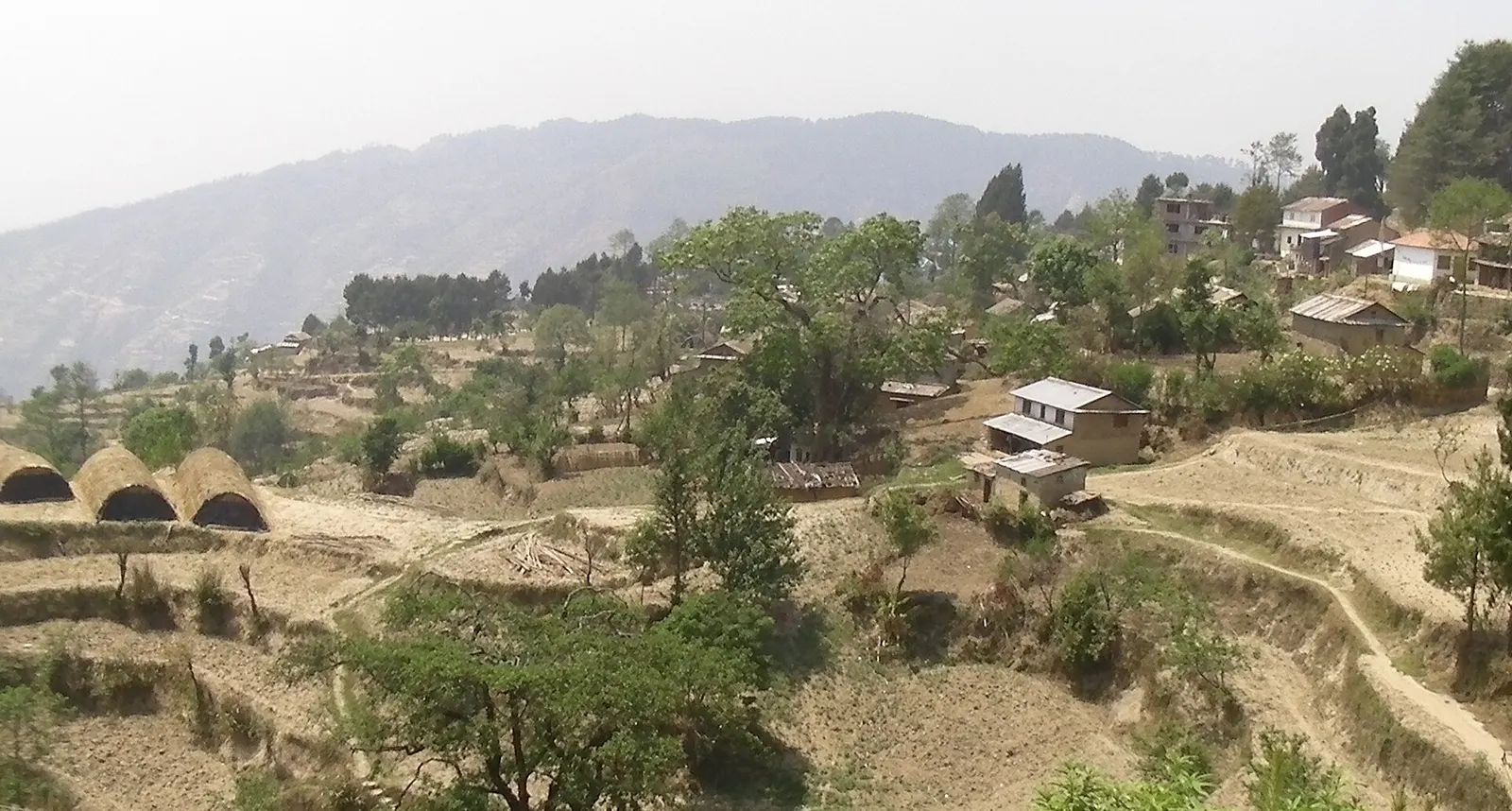
Viewpoint · 2,030 m
A quiet hill station just outside the Kathmandu Valley in Nuwakot, with Himalayan views, strawberry farms and memorial parks.
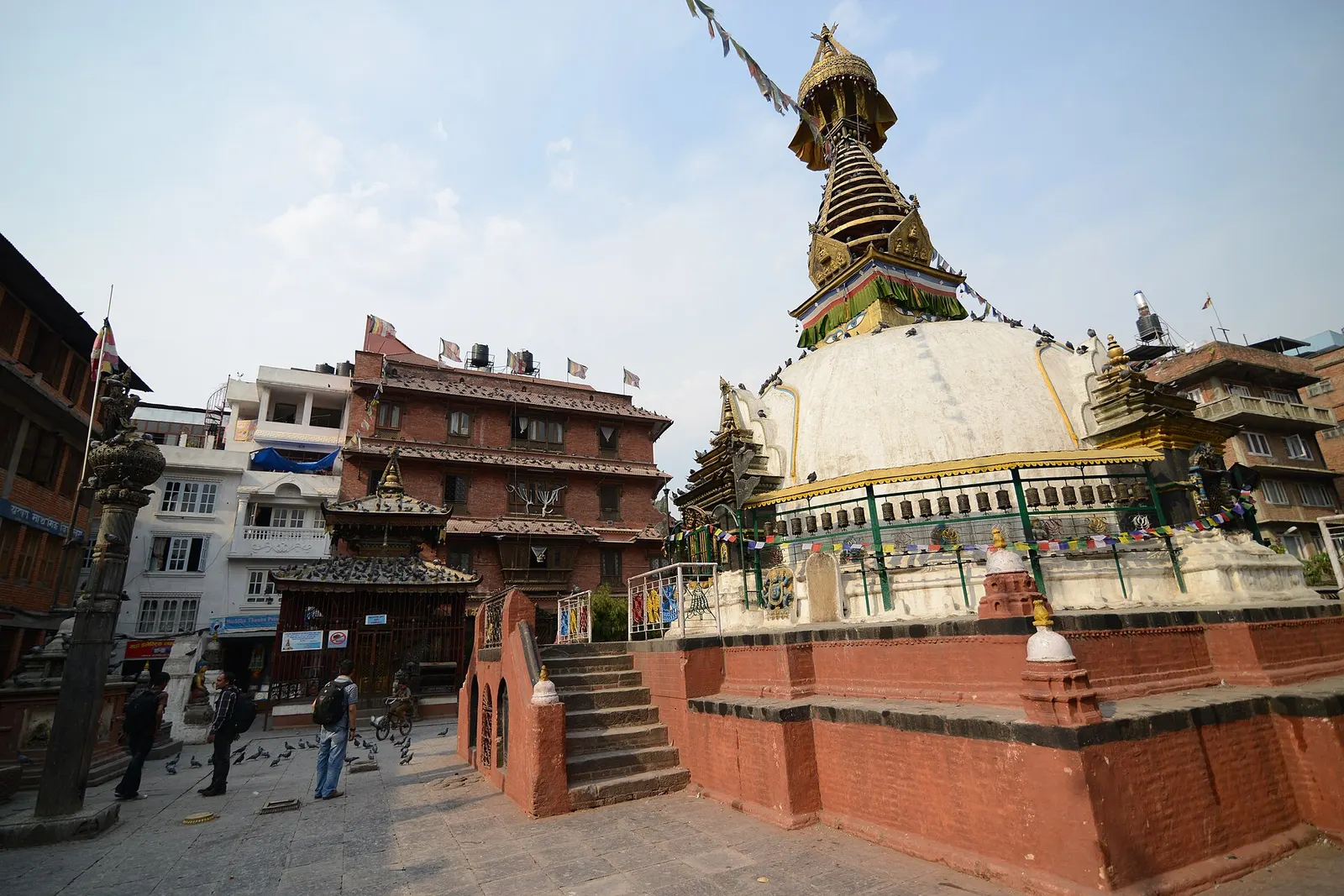
Temple, monastery or heritage site · 1,310 m
A centuries-old miniature of Swayambhunath in a quiet courtyard a few minutes' walk south of Thamel.
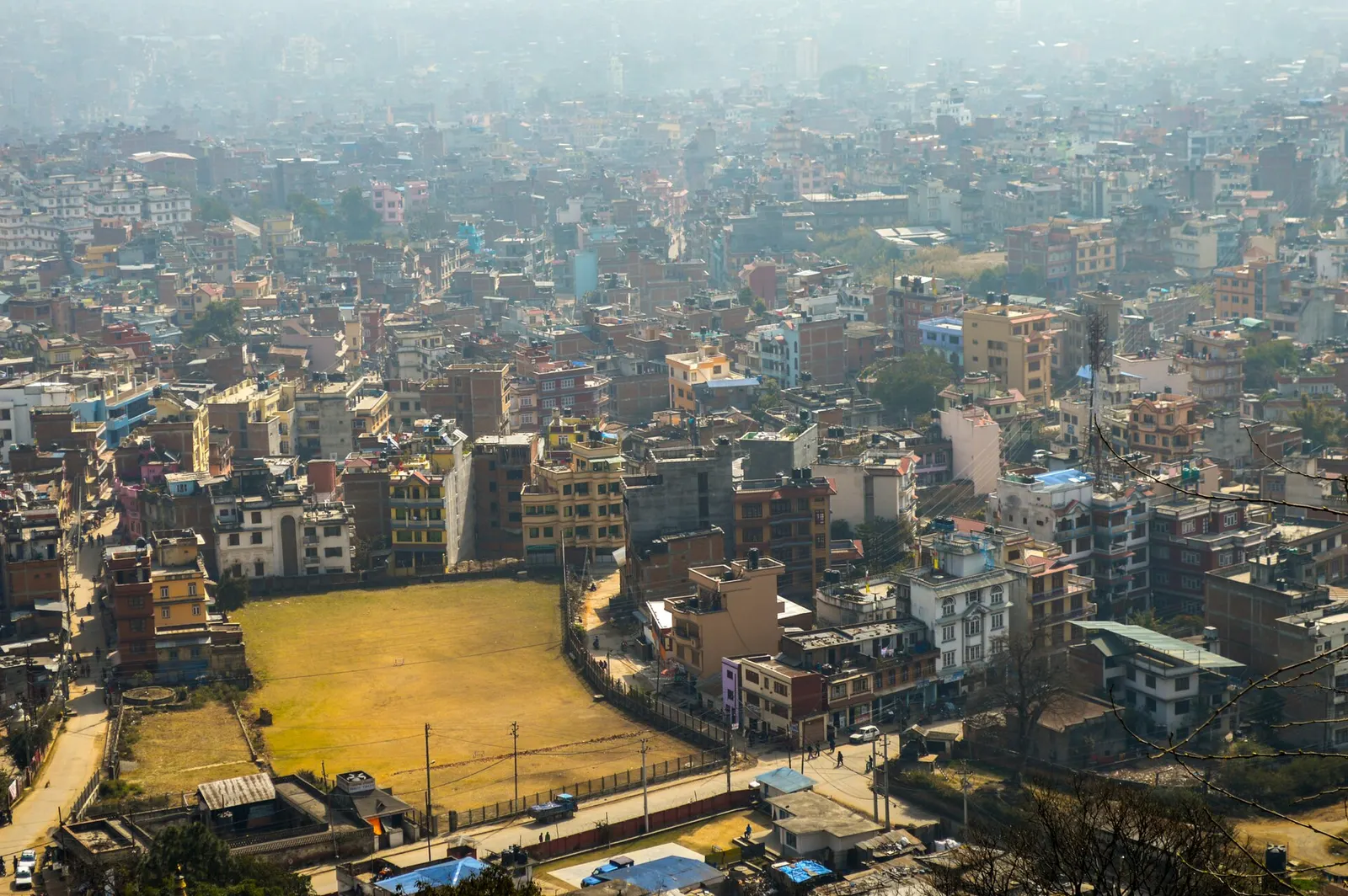
Town or village · 1,400 m
Nepal's capital, a sprawling valley city wrapped around a medieval Newar core, with major Hindu and Buddhist sites and the country's main airport.