


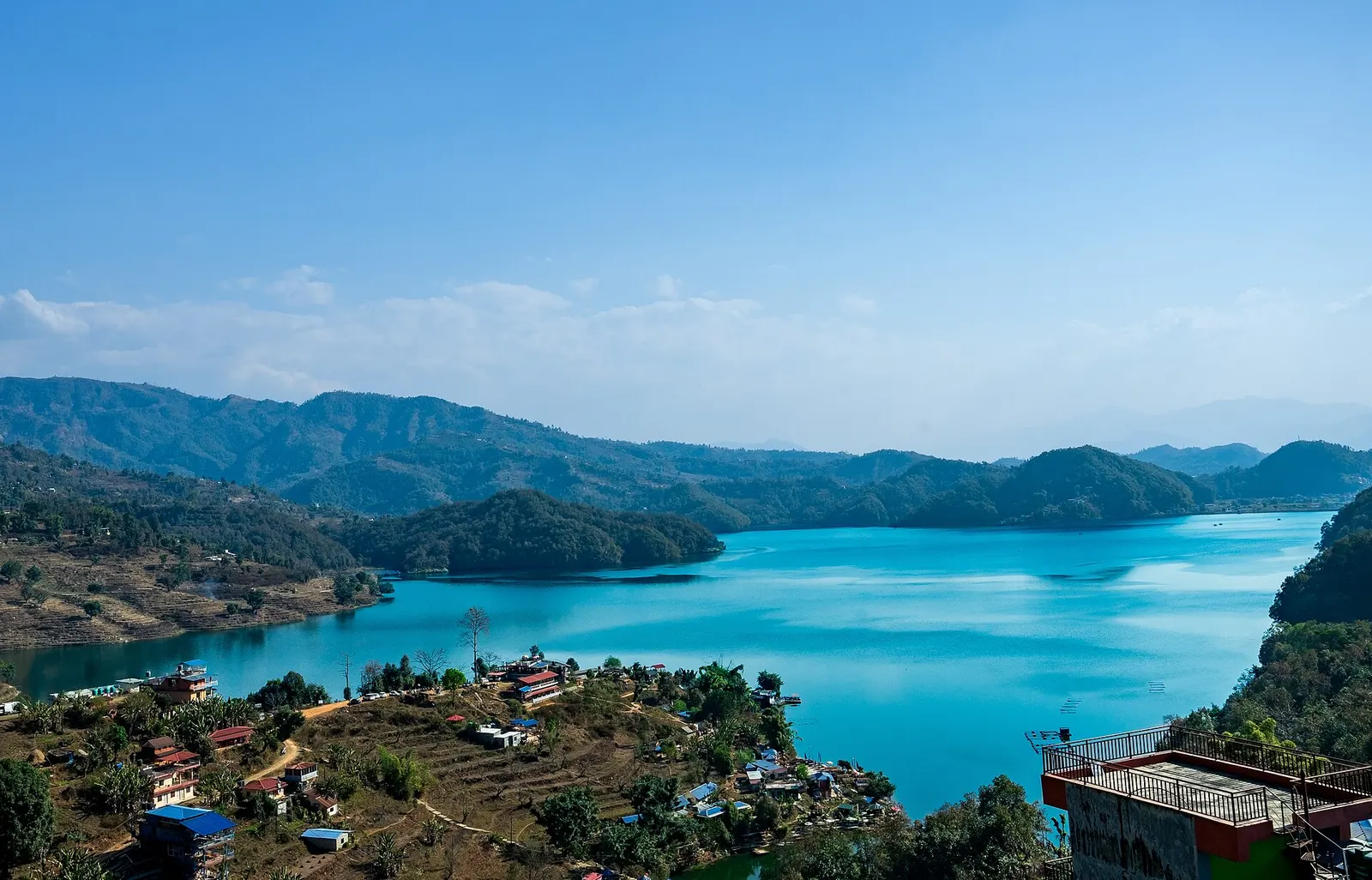
Lake · 650 m
Begnas Lake
A quieter freshwater lake in the east of the Pokhara valley, ringed by forested ridges, rice terraces and fish farms.
Pokharaतालबाराही मन्दिर
A small two-tiered pagoda temple to the goddess Barahi on a wooded island in Phewa Tal, reached only by boat.
The island temple of the goddess Barahi in Phewa Tal, Pokhara, not the other Barahi shrines elsewhere in Nepal.
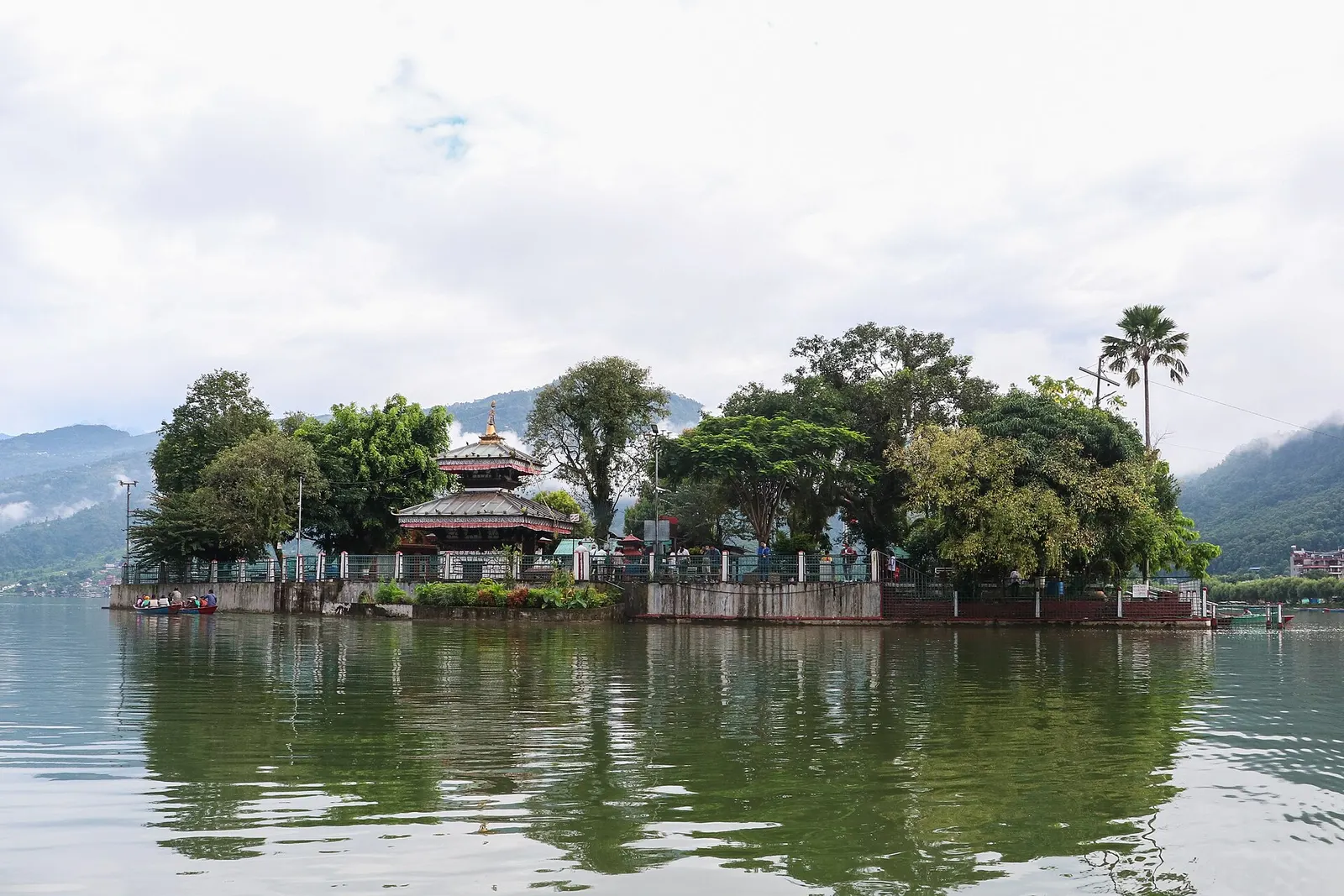
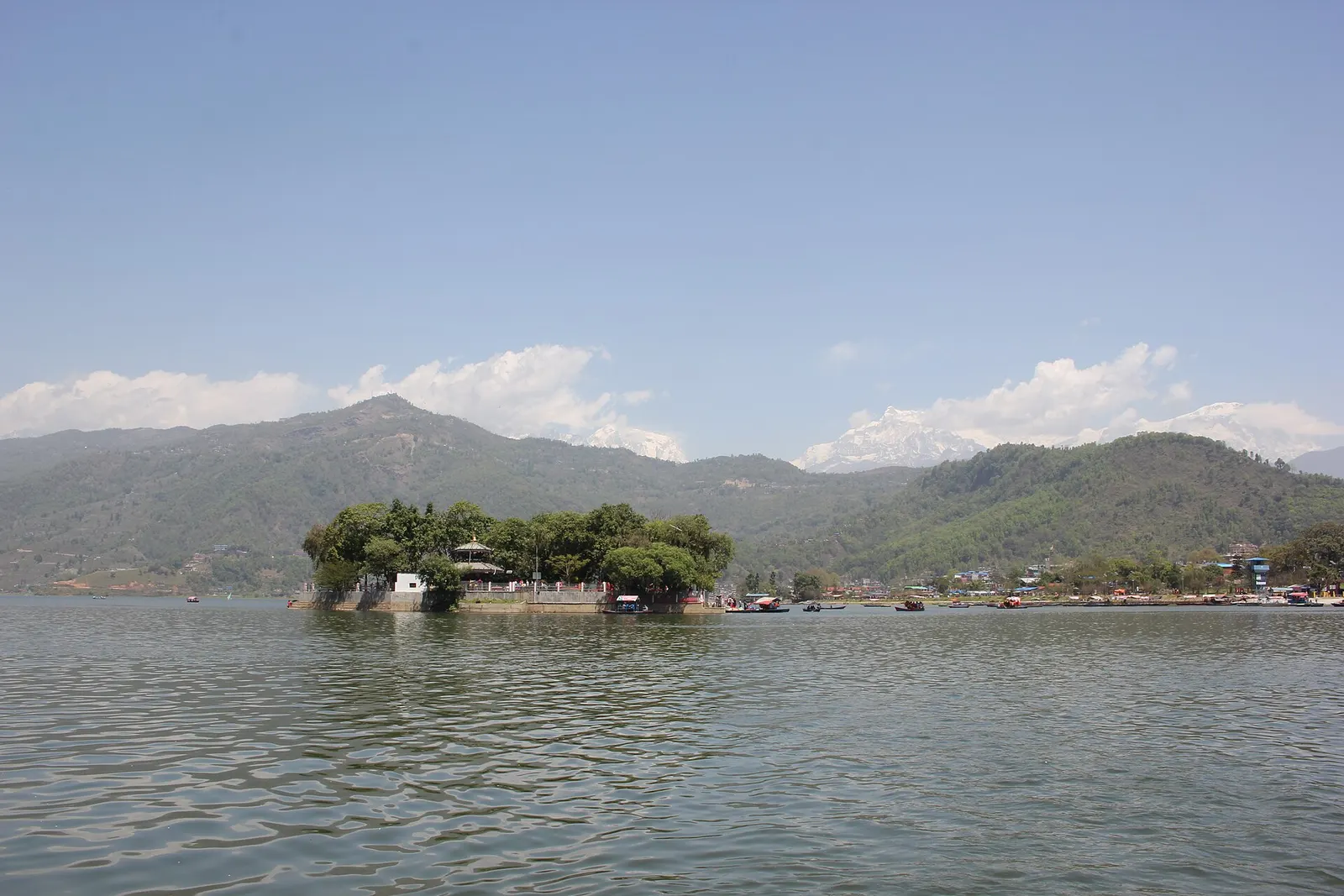
Tal Barahi stands on a tiny tree-covered island in Phewa Tal, a few hundred metres off the Lakeside shore of Pokhara. It is the city's most important Hindu shrine and one of the first places visitors see from the lake. The only way across is by boat: rowing boats and a ferry leave from the Barahi ghat in Lakeside, and the crossing takes only a few minutes.
The temple itself is modest, a stone shrine with a two-tiered pagoda roof, bells and a small courtyard that fills most of the island. The setting is what makes it memorable: water on every side, pigeons on the roofs, and on a clear morning the Annapurna range behind the hills. Saturdays and festival days are busy with local families bringing offerings, and the queue for the shrine can be long; weekday mornings are calmer.
Most visitors combine the island with a longer boat trip on Phewa Tal, or carry on across the lake to the trail up to the World Peace Pagoda on the southern ridge.
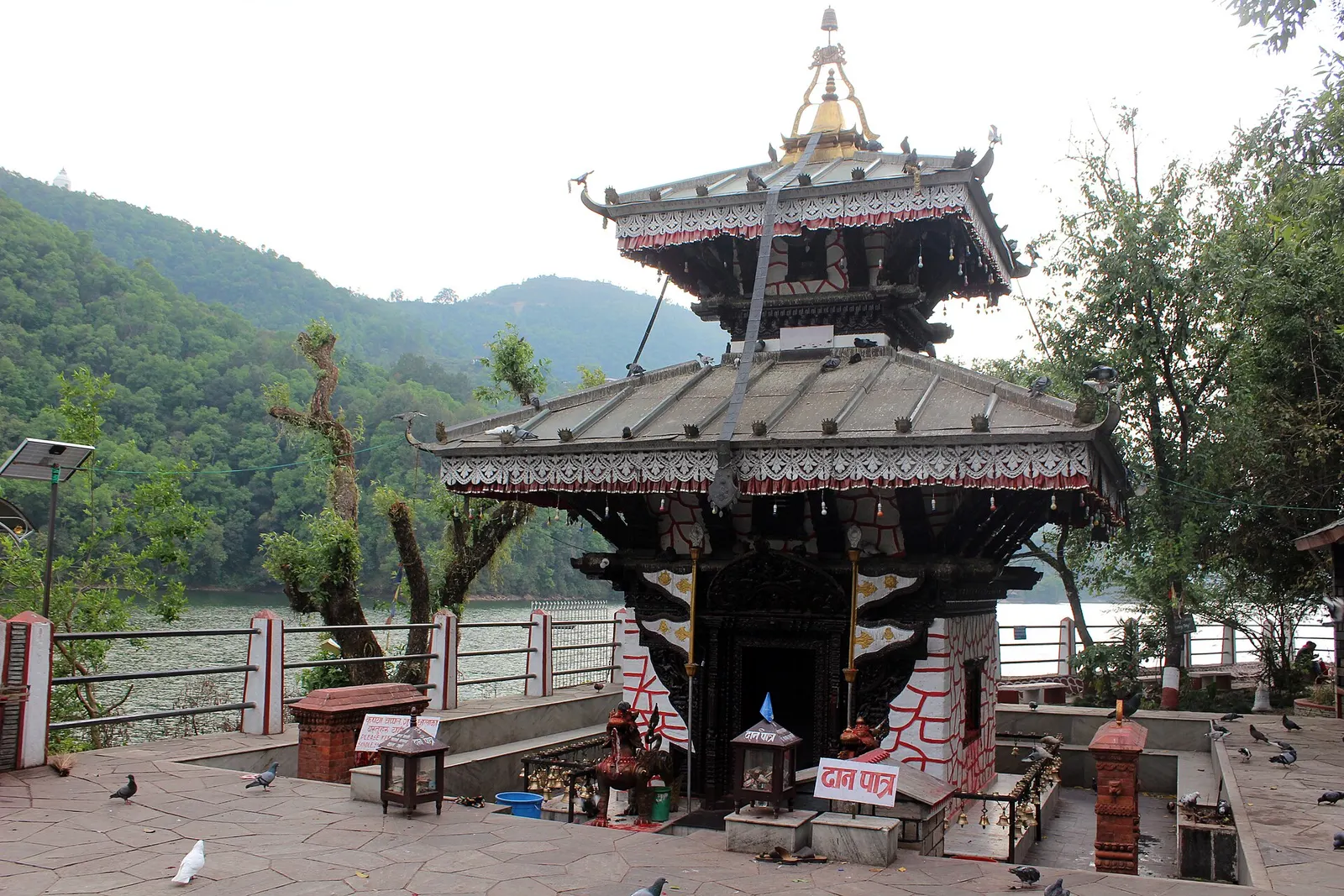
The temple is dedicated to Barahi (Varahi), a protective mother goddess, one of the Ashta Matrika and linked to the boar avatar of Vishnu. In Pokhara she is regarded as the guardian of the lake and a form of Ajima, the female divine force, and Tal Barahi is counted among the city's main Shakti shrines alongside Bindhyabasini and Bhadrakali. Local tradition links the temple's founding to the rulers of the Kaski kingdom, but reliable dates are not established. The original structure was built of stone with a pagoda-style roof.
Pilgrims come throughout the year, with larger crowds during Dashain and in the Nepali months of Baisakh (April-May) and Kartik (October-November). Many visitors make offerings of flowers, coins and red powder. A folk legend tells that the goddess, disguised as an old woman, was turned away by the valley's villagers except for one couple, and that the valley flooded to form the lake while the couple's home was spared; this is told as a legend.
Take the boat across
Hire a rowing boat or join a shared ferry from the Barahi ghat; agree the price and return arrangements first.
Visit early
Go soon after sunrise for calm water, fewer people and the best chance of clear mountain views.
Continue across the lake
From the island, row on to the south shore and walk up through forest to the World Peace Pagoda.
Forecast for 742 m. Conditions change fast in the mountains.
Weather data: MET Norway, licensed CC BY 4.0. A forecast, not a guarantee.
Feb-Apr, Oct-Dec
There is no accommodation on the island. Stay in Lakeside, within walking distance of the boat ghat.
No partner stays are listed here yet. List a property.
The island lies just off Lakeside in Phewa Tal; boats leave from the Barahi ghat on the shore.
Nearest hub: Pokhara
None needed
There is no entry fee for the temple. You pay for the boat crossing.
Verify before travel: permit rules and fees change. Checked 2026-10-06 against Taal Barahi, Kaski (Nepal Tourism Board).
Take a rowing boat or ferry from the Barahi ghat in Lakeside, Pokhara; the crossing takes only a few minutes.
The temple has no entry fee, but you pay for the boat across.
Barahi (Varahi), a protective mother goddess regarded locally as the guardian of Phewa Tal.
Saturdays, Dashain and the months of Baisakh and Kartik draw the most pilgrims.
Lake · 650 m
A quieter freshwater lake in the east of the Pokhara valley, ringed by forested ridges, rice terraces and fish farms.
Viewpoint · 780 m
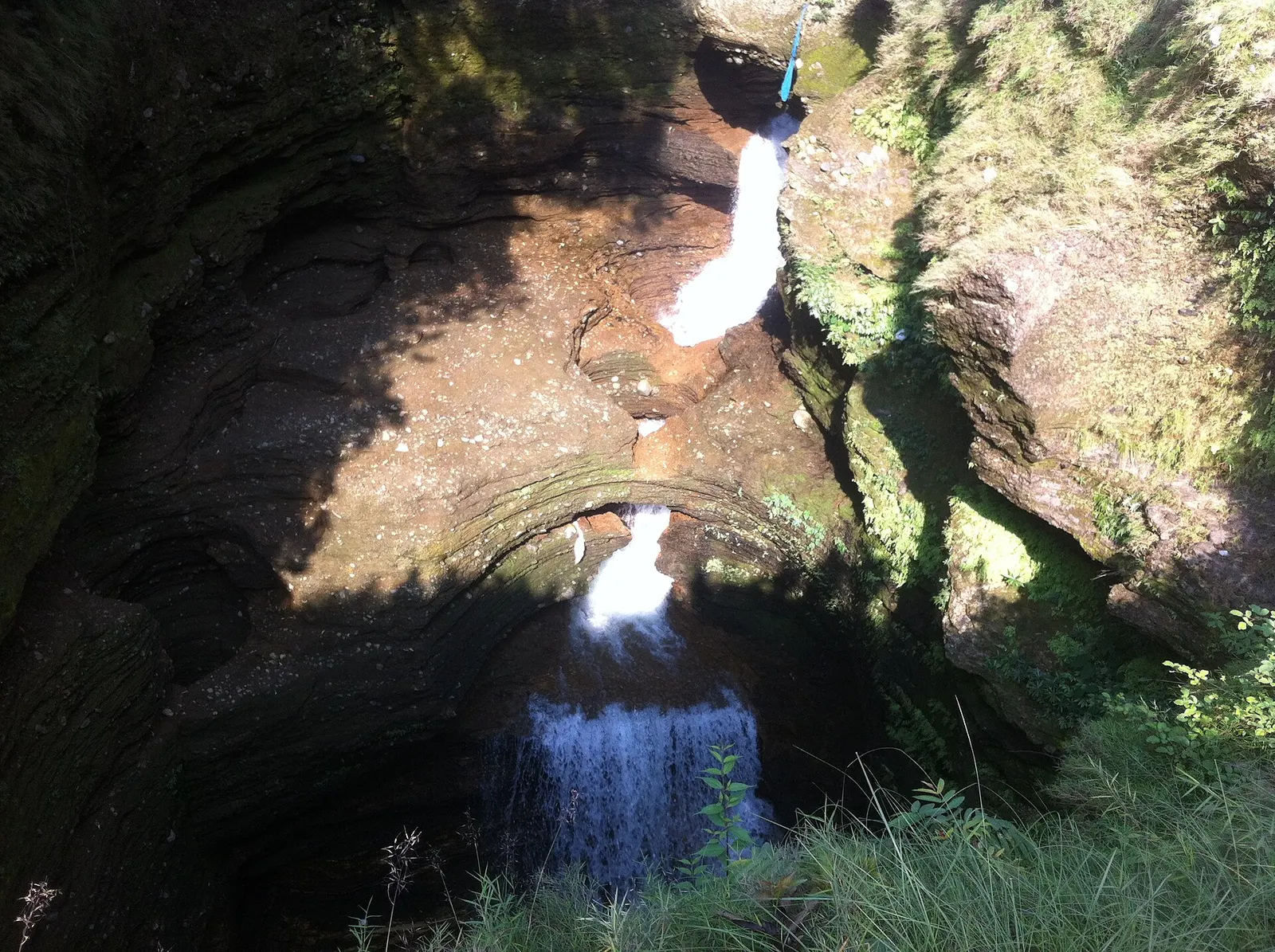
A waterfall in south Pokhara where the outflow of Phewa Tal drops into a narrow chasm and disappears underground.
Temple, monastery or heritage site · 778 m
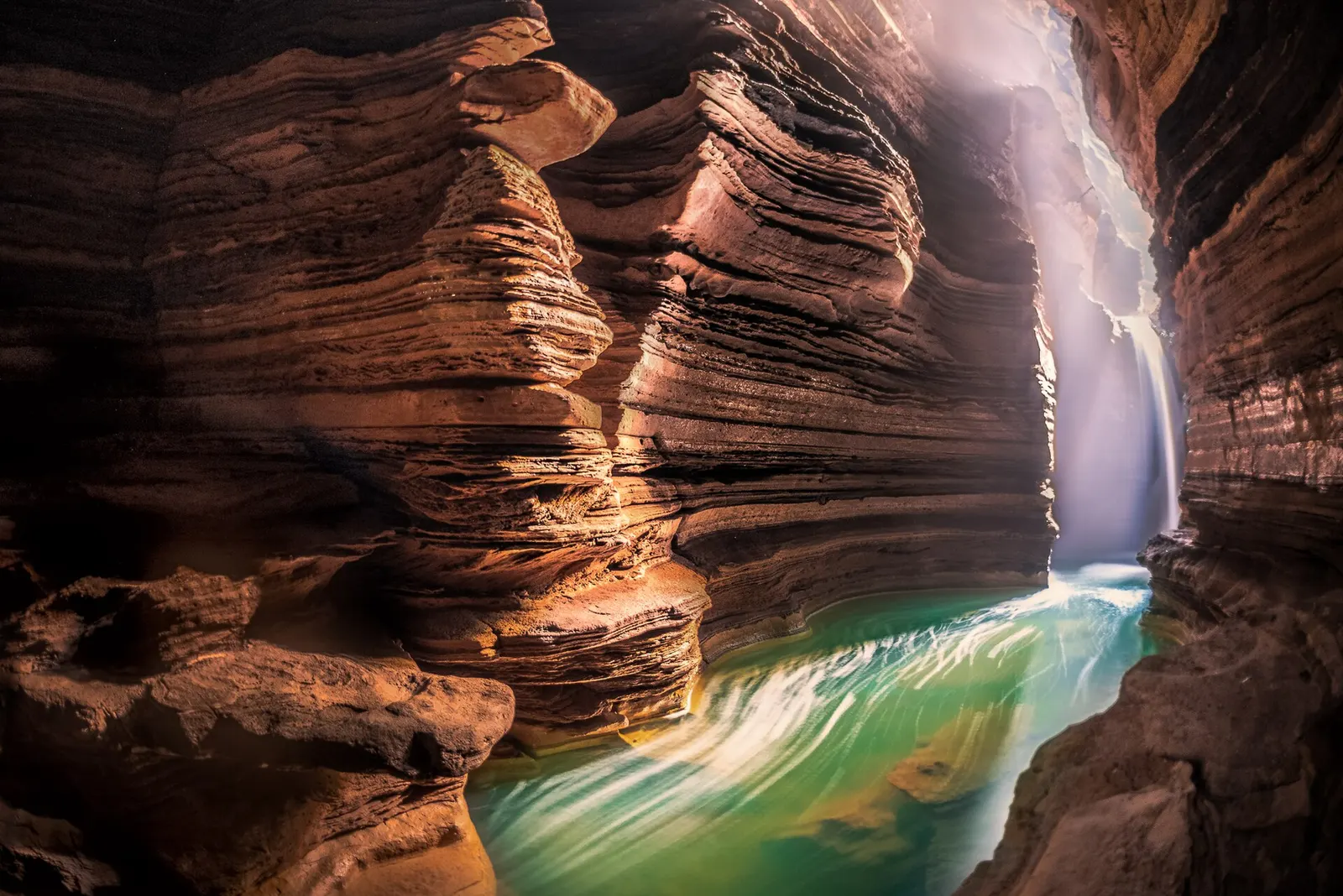
A Shiva cave shrine in south Pokhara, with a lower passage that ends behind the falling water of Davis Falls.
Temple, monastery or heritage site · 797 m
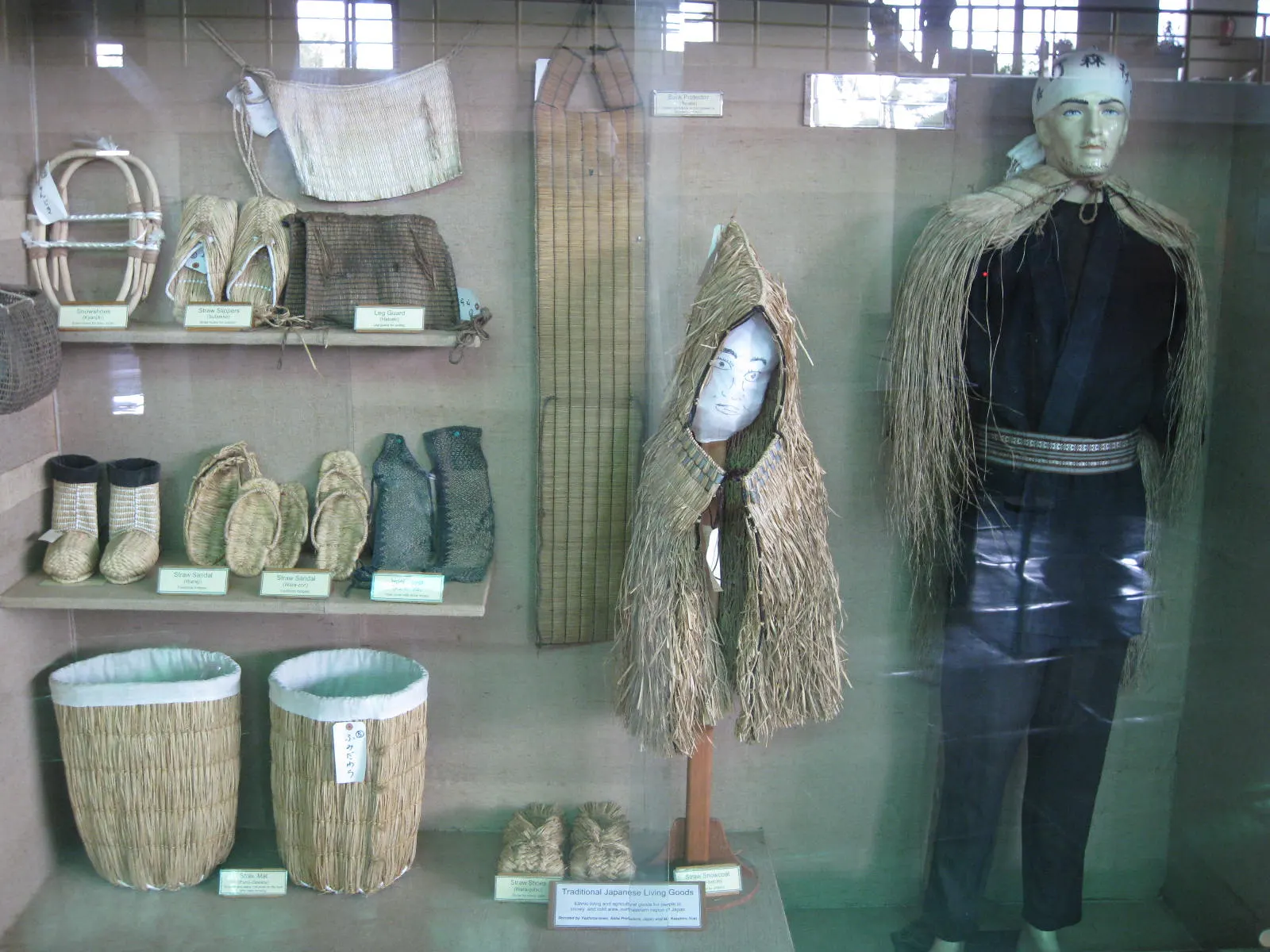
A museum in south Pokhara on the Himalaya's peaks, the people who climb them and the communities who live among them.
Lake · 2,546 m
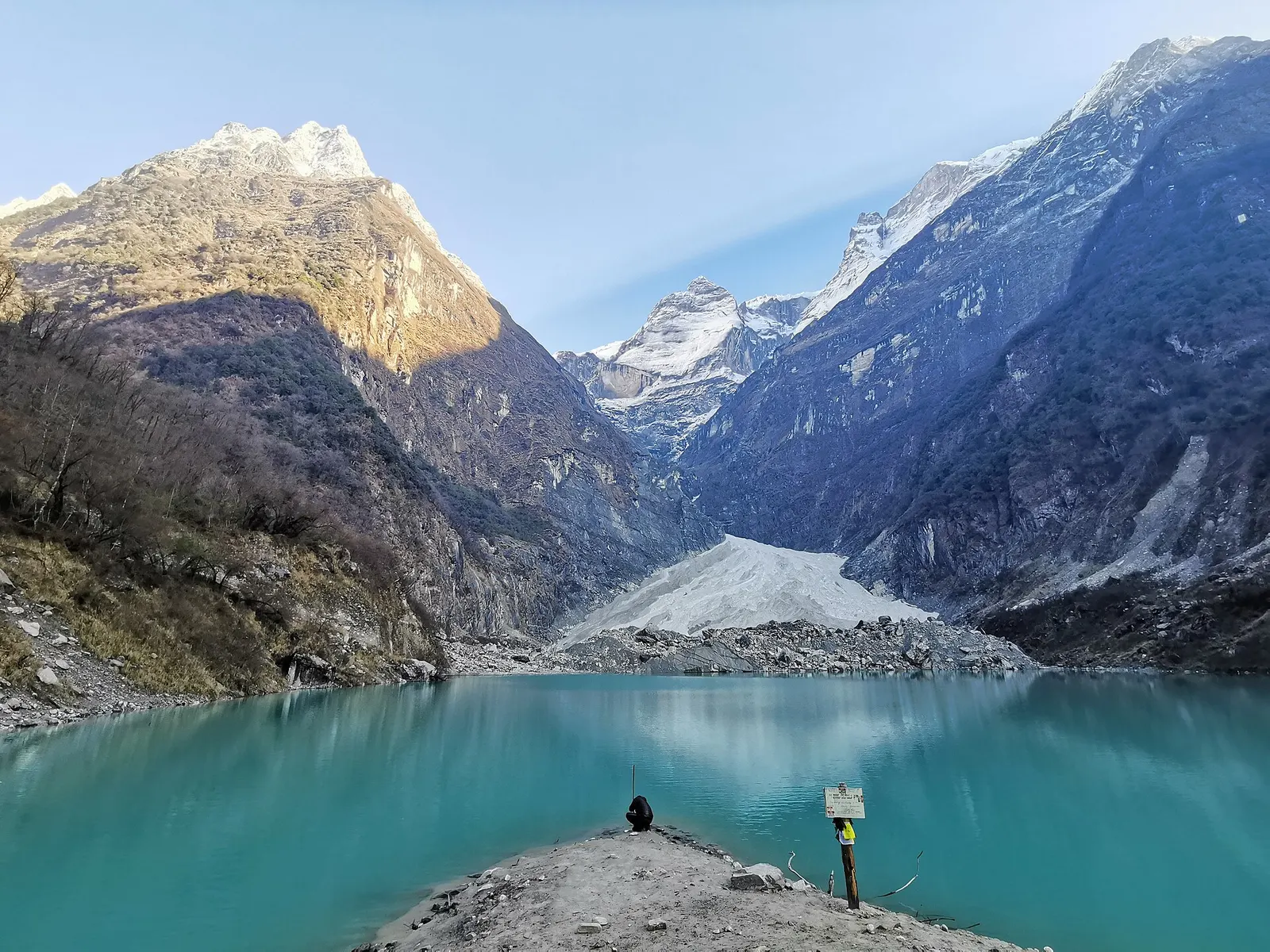
A glacier lake at about 2,546 m beneath Annapurna II and Lamjung Himal, reached by a short trek from the Gurung village of Sikles.
Viewpoint · 2,517 m
A forested hill at about 2,500 m west of Phewa Tal, with a temple and pond on top and views of the Annapurna and Dhaulagiri ranges.
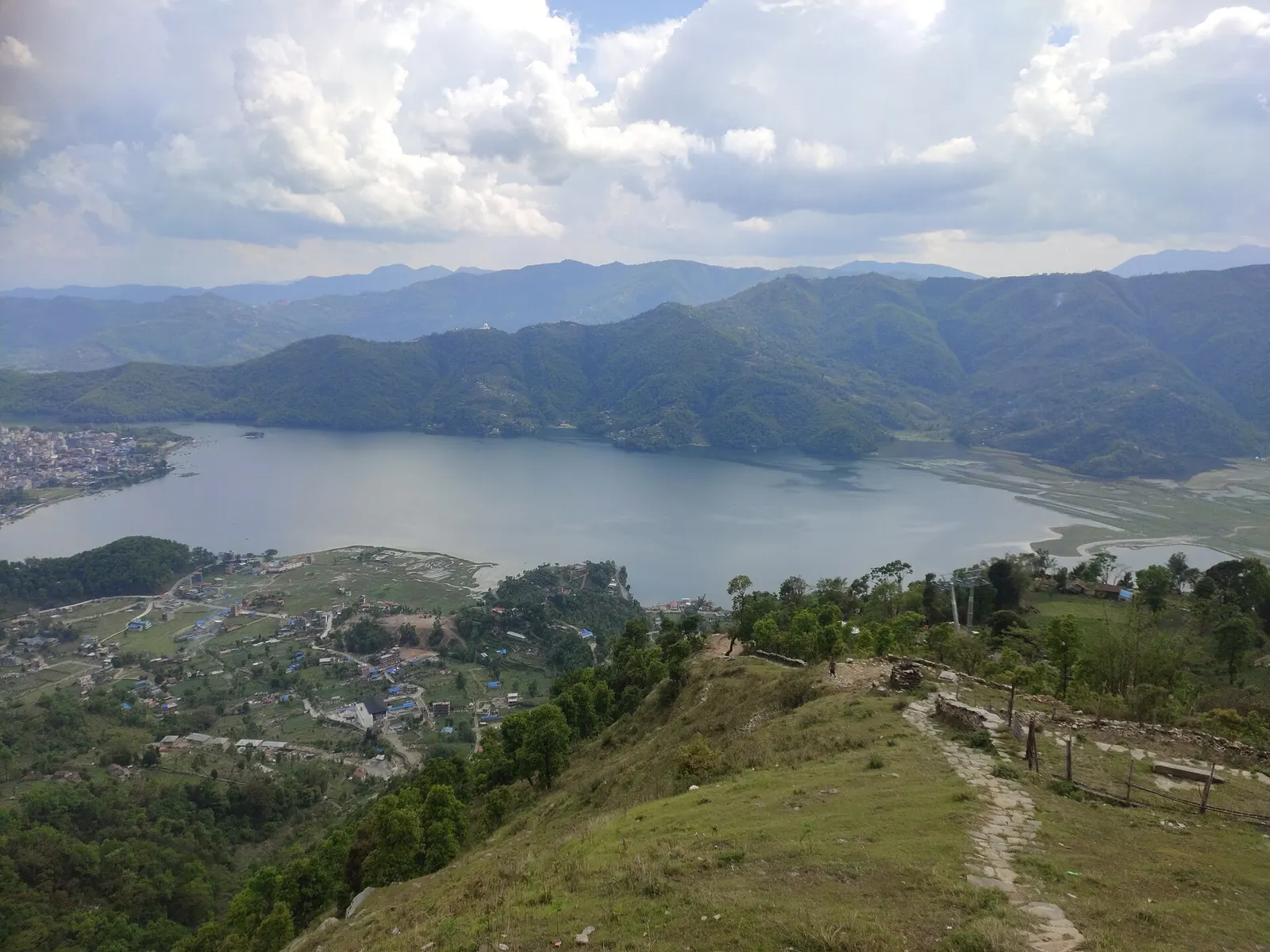
Lake · 742 m
Pokhara's main lake, with rowing boats, an island temple and Machhapuchhre reflected on still mornings.
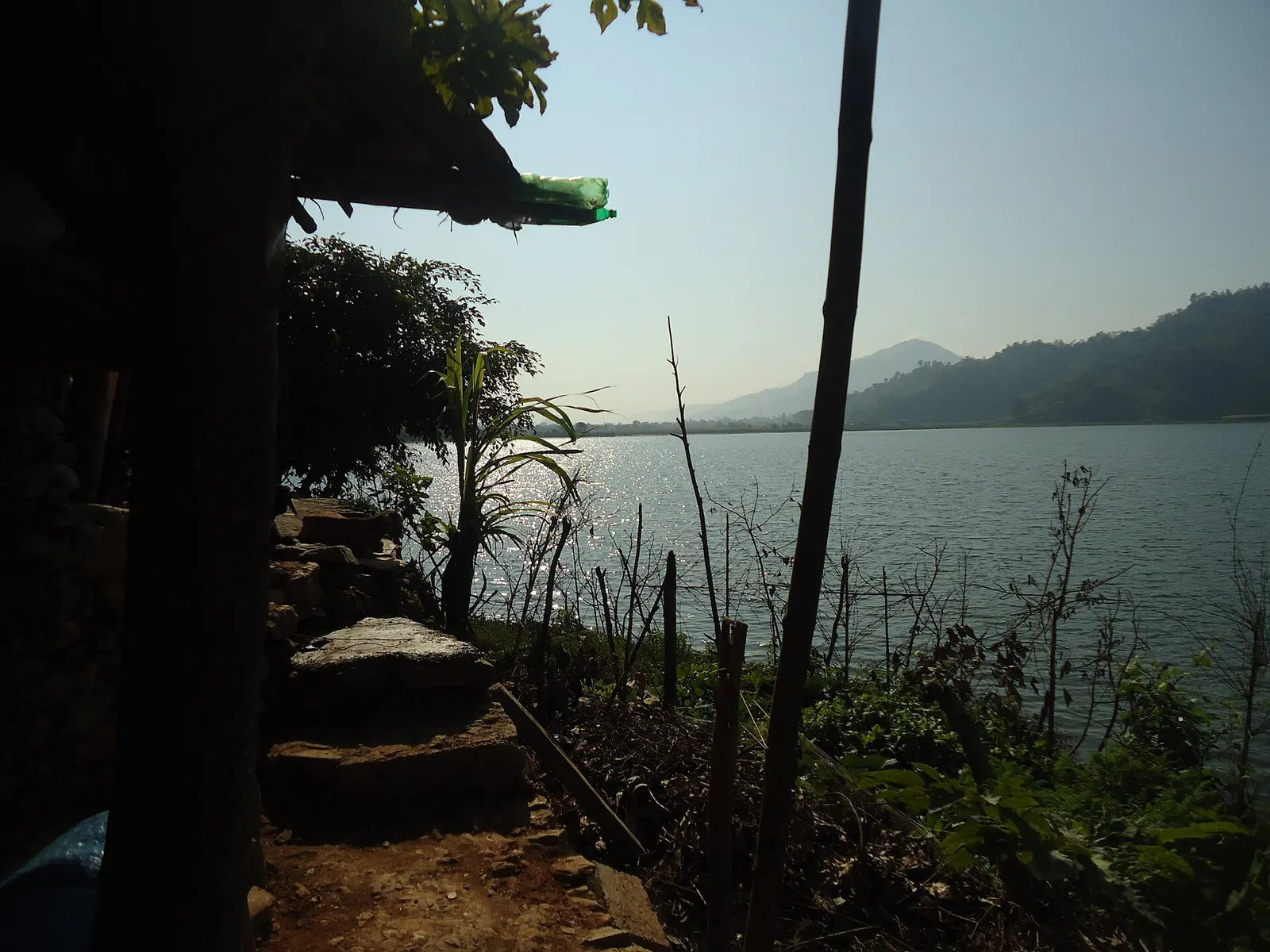
Lake · 600 m
A small, shallow lake beside Begnas in the east of the Pokhara valley, managed by a local fisheries cooperative and rich in waterbirds.
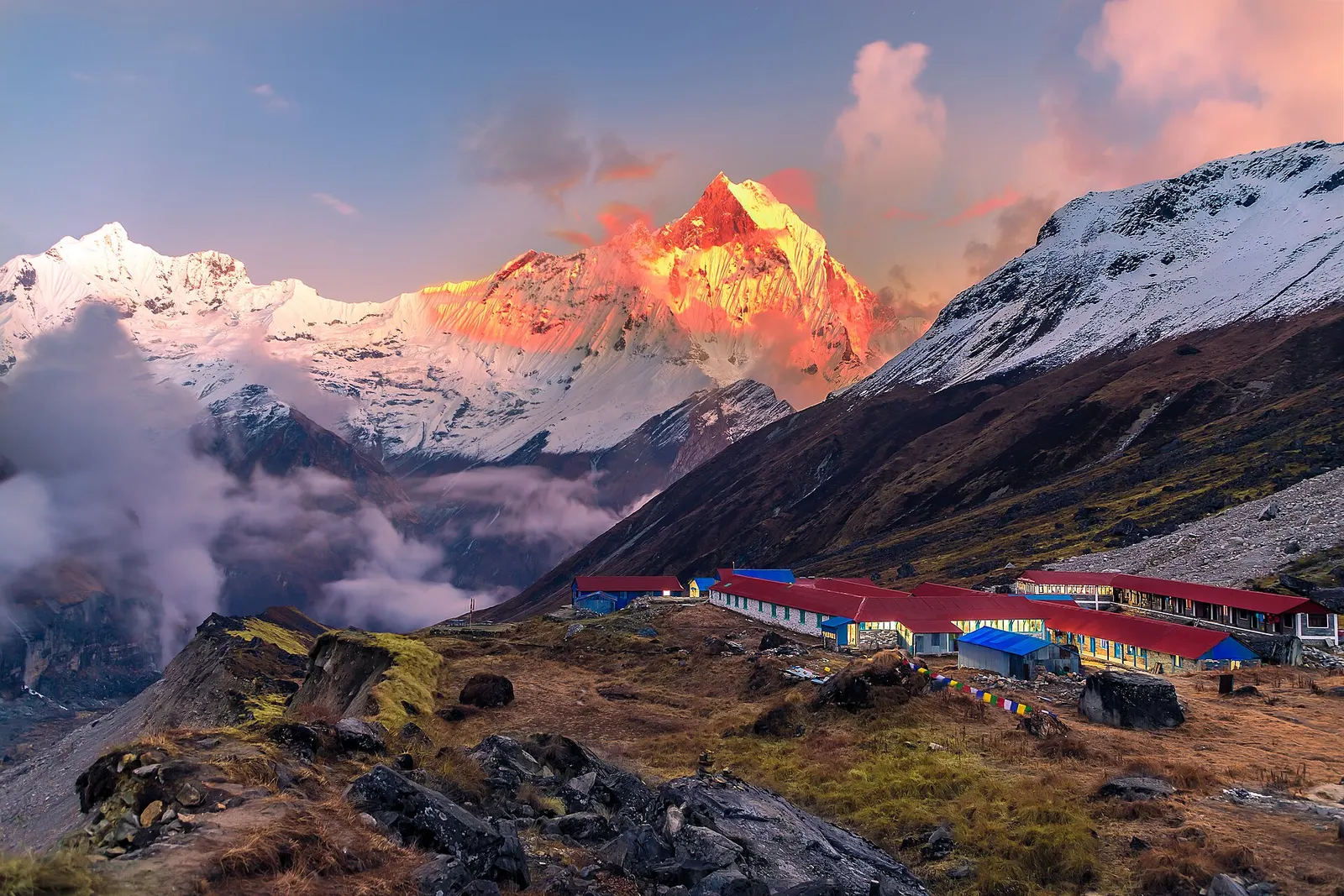
National park or conservation area
Nepal's largest protected area, from Gurung hill villages and rhododendron forest to the dry valleys behind the Annapurna range.