

Viewpoint · 780 m
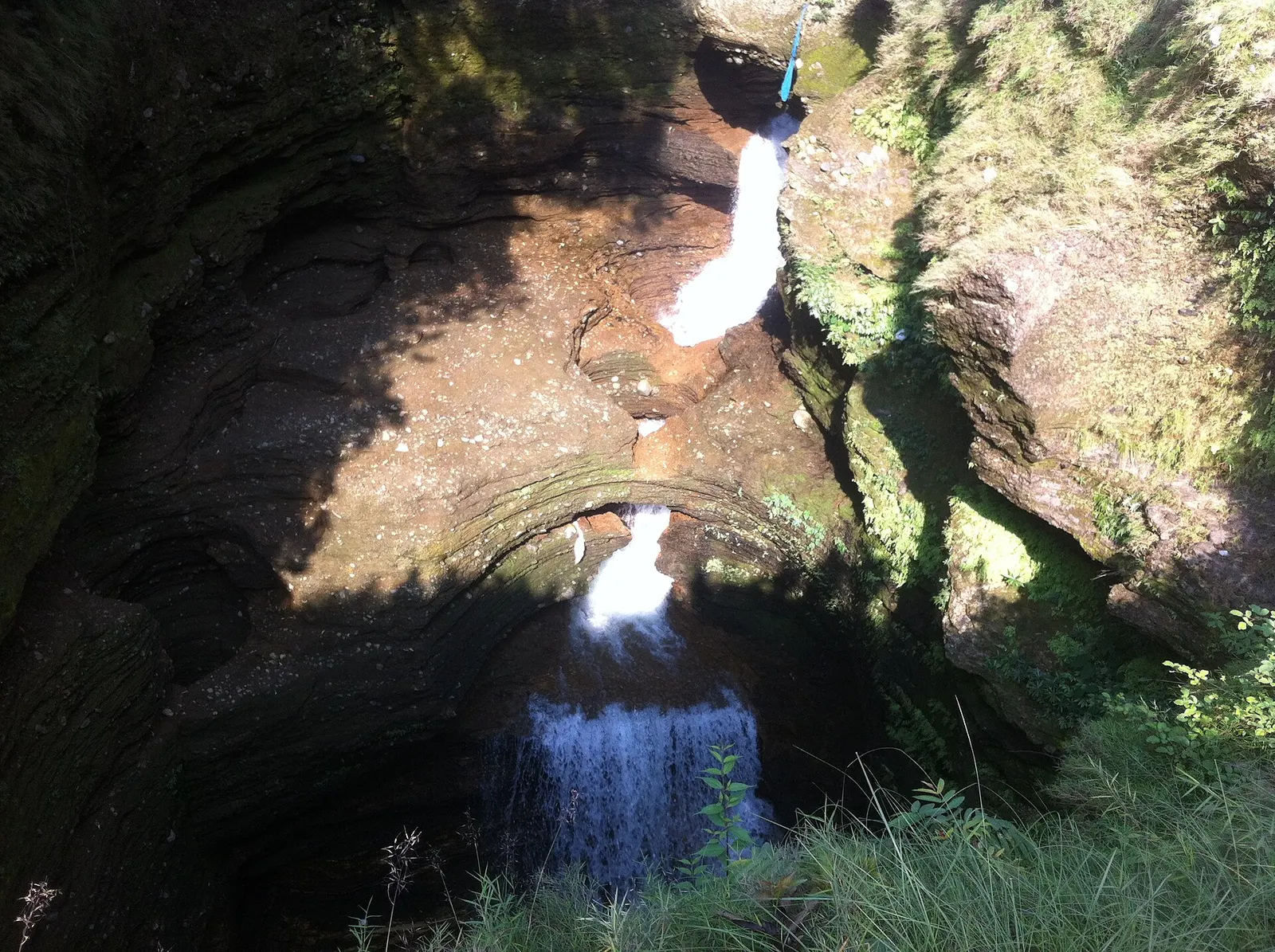
Davis Falls
A waterfall in south Pokhara where the outflow of Phewa Tal drops into a narrow chasm and disappears underground.
Pokharaबेगनास ताल
A quieter freshwater lake in the east of the Pokhara valley, ringed by forested ridges, rice terraces and fish farms.
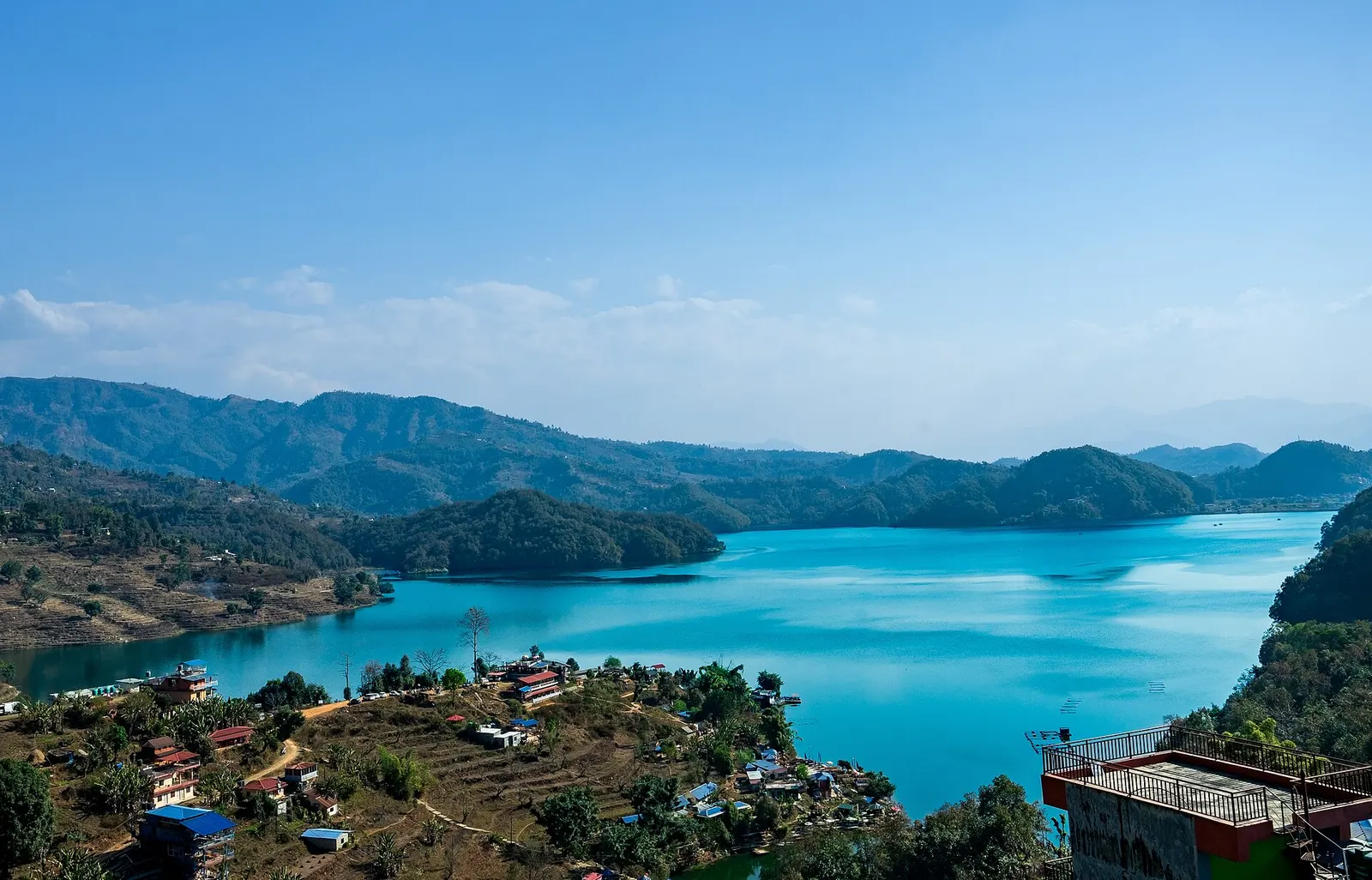
Begnas Lake is the second largest of the seven lakes in the Pokhara valley after Phewa, and one of the lakes counted among Pokhara's sights. It lies in the south-east of the valley, roughly 13-15 km from Lakeside along the Prithvi Highway, inside Pokhara Metropolitan City. Compared with Phewa it is much less built up: the shoreline is a mix of forest, paddy fields, small resorts and fish cages rather than a continuous strip of hotels.
The usual visit is a rowing-boat trip across the water and a walk up one of the ridges that frame the lake. Sundari Danda, the ridge that pushes into the lake from the south, gives a view of the whole lake with the Annapurna and Manaslu ranges behind on clear mornings. Pachbhaiya hill, to the east, separates Begnas from its smaller neighbour Rupa Lake, and a short walk links the two.
Many people come for a half-day trip from Pokhara, but staying a night or two by the lake suits travellers who want quiet mornings, birdwatching and easy village walks. A meditation centre and several small retreats operate nearby.
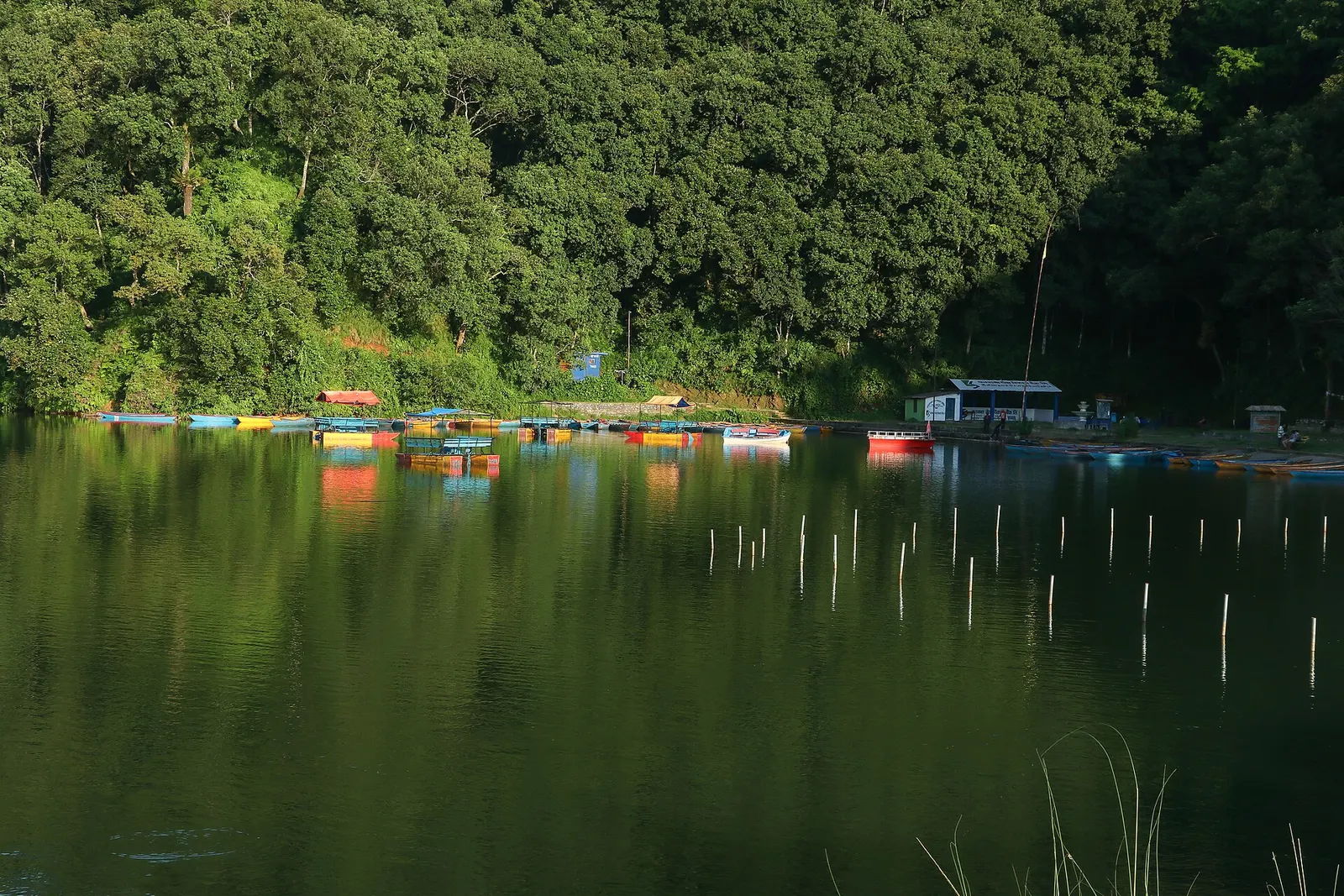
The lake's water level rises and falls with the seasons and with irrigation demand. A small dam built in 1988 on the Khudi Khola, the lake's western outlet, regulates the level, and the water is used to irrigate farmland downstream. Parts of the lake are used for caged fish farming, and the local fisheries are celebrated in a fish festival held at the lakeside.
Surrounding villages are home to Gurung, Magar, Brahmin, Chhetri and Dalit families, and farming remains the main livelihood. Several of the swampy margins that once surrounded the lake have been converted into rice paddies over the past decades, which conservation groups cite as a pressure on the wetland.
Boating
Hire a rowing boat at the landing near the bazaar, paddle yourself or go with a local boatman; early morning is calmest.
Sundari Danda walk
Follow the ridge on the lake's southern side for views over the water to the Himalaya; allow 1-2 hours.
Begnas to Rupa hike
Cross Pachbhaiya hill to the shore of Rupa Lake, about 1-2 hours each way through farmland.
Fresh fish
Try lake fish at one of the simple eateries near the boat landing.
Forecast for 650 m. Conditions change fast in the mountains.
Weather data: MET Norway, licensed CC BY 4.0. A forecast, not a guarantee.
Feb-Apr, Oct-Dec
A handful of resorts, small guesthouses and homestays are spread around the lake and on the ridges; most visitors base themselves in Pokhara.
No partner stays are listed here yet. List a property.
Begnas Bazaar, at the lake's western end, is a short drive east of Pokhara on the Prithvi Highway and then north on a side road.
Nearest hub: Pokhara
None needed
No permit is needed to visit Begnas Lake. Boat hire is paid locally.
Verify before travel: permit rules and fees change. Checked 2026-10-06 against Pokhara, Wikivoyage.
Begnas Bazaar is about 13-15 km east of Pokhara Lakeside, roughly 30-45 minutes by road.
It suits travellers looking for a calmer lake than Phewa, with boating, ridge walks and village life; it works as a half-day trip or a quiet overnight stay.
Yes, on clear mornings the Annapurna and Manaslu ranges are visible, best from Sundari Danda; autumn and winter give the clearest views.
No permit is needed; you only pay for boat hire or other services.
Viewpoint · 780 m
A waterfall in south Pokhara where the outflow of Phewa Tal drops into a narrow chasm and disappears underground.
Temple, monastery or heritage site · 778 m
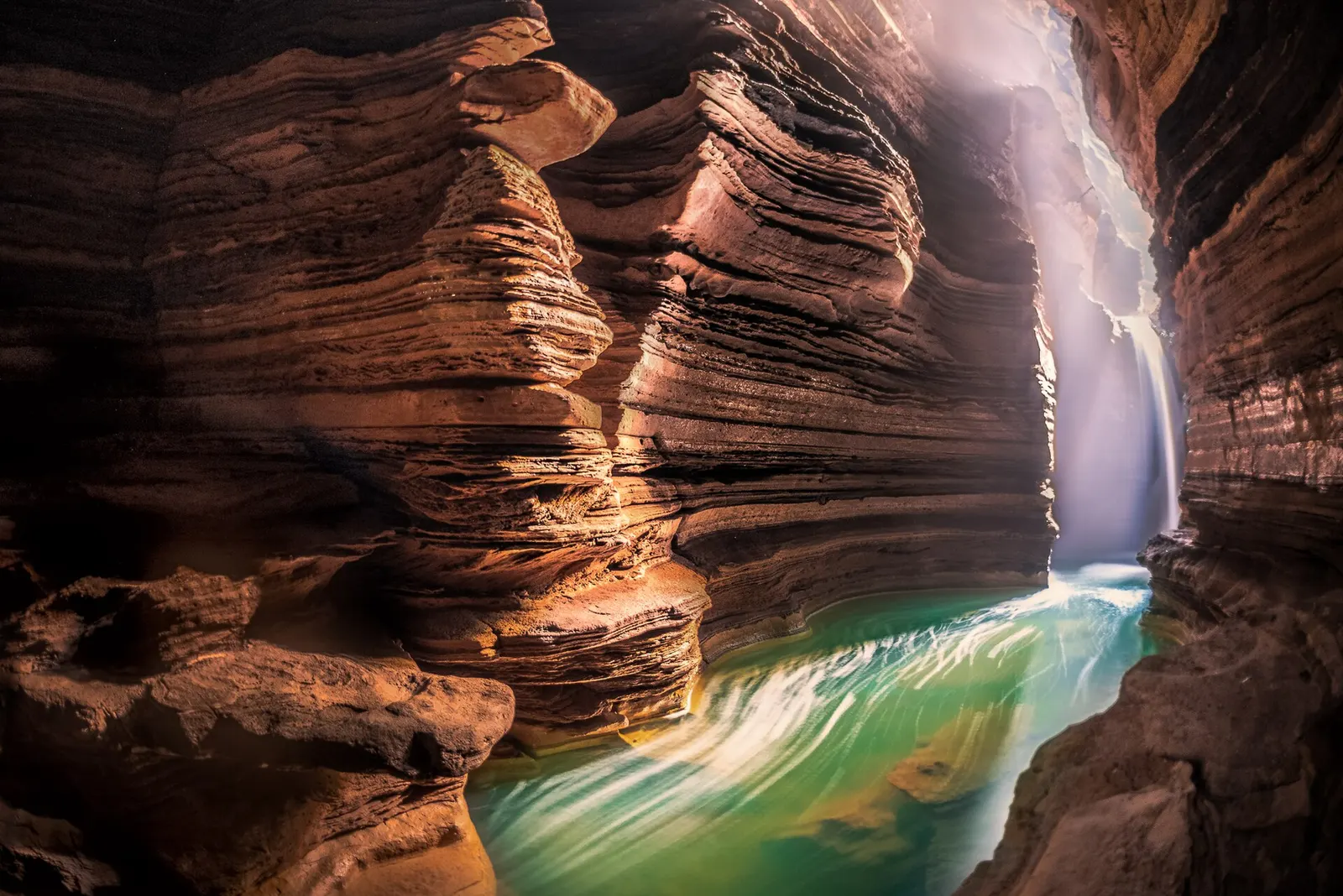
A Shiva cave shrine in south Pokhara, with a lower passage that ends behind the falling water of Davis Falls.
Temple, monastery or heritage site · 797 m
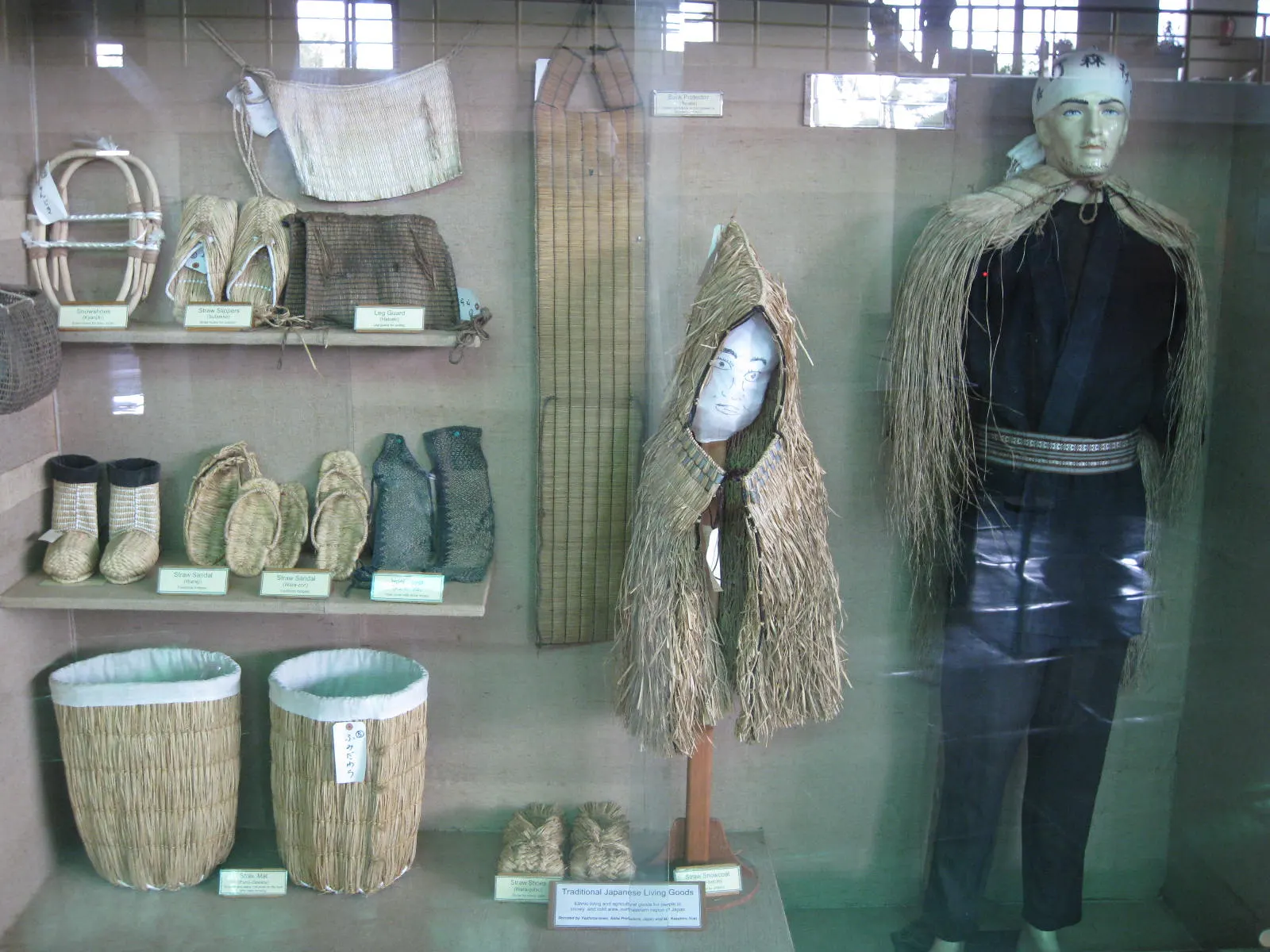
A museum in south Pokhara on the Himalaya's peaks, the people who climb them and the communities who live among them.
Lake · 2,546 m
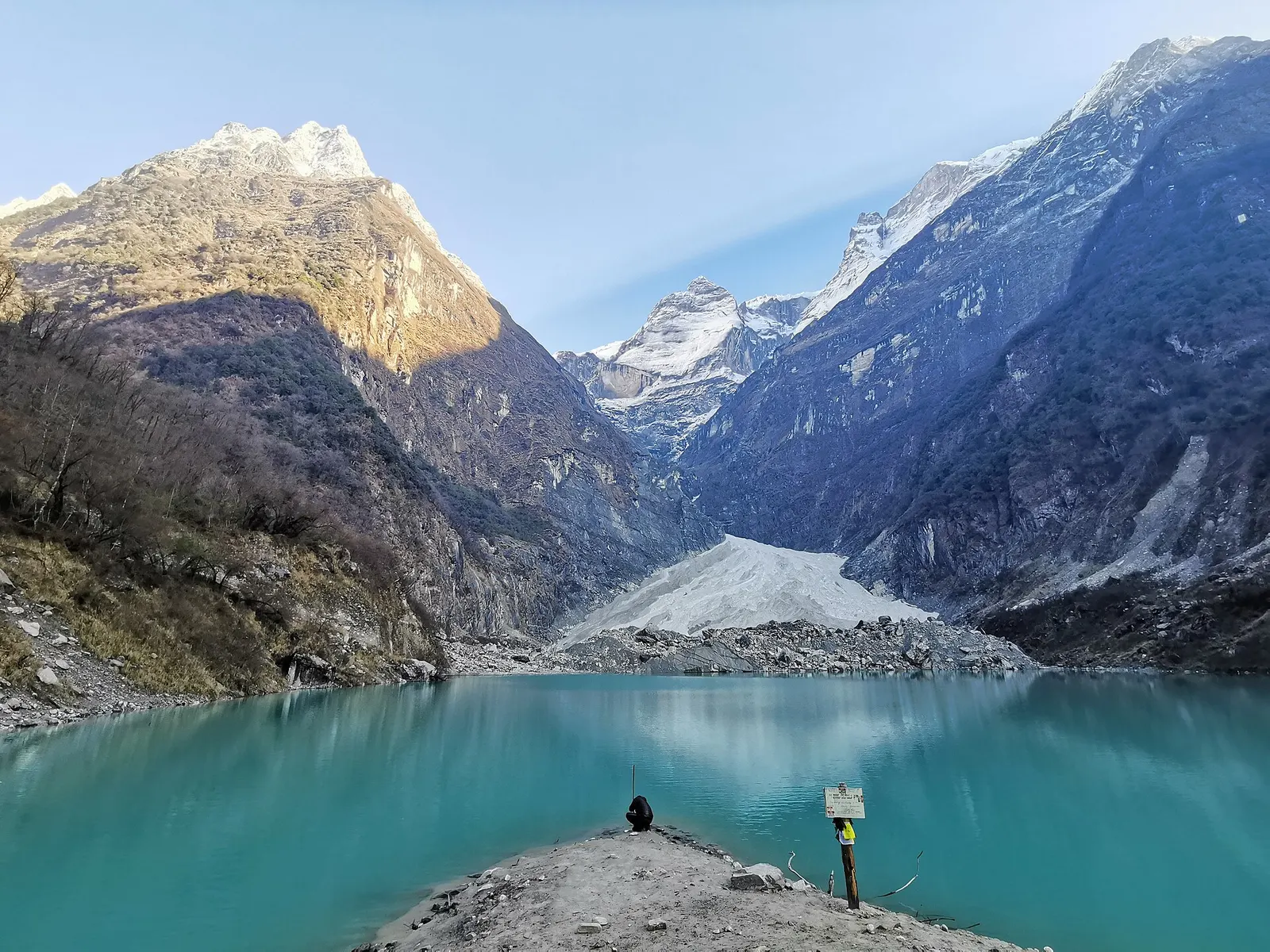
A glacier lake at about 2,546 m beneath Annapurna II and Lamjung Himal, reached by a short trek from the Gurung village of Sikles.
Viewpoint · 2,517 m
A forested hill at about 2,500 m west of Phewa Tal, with a temple and pond on top and views of the Annapurna and Dhaulagiri ranges.
Lake · 742 m
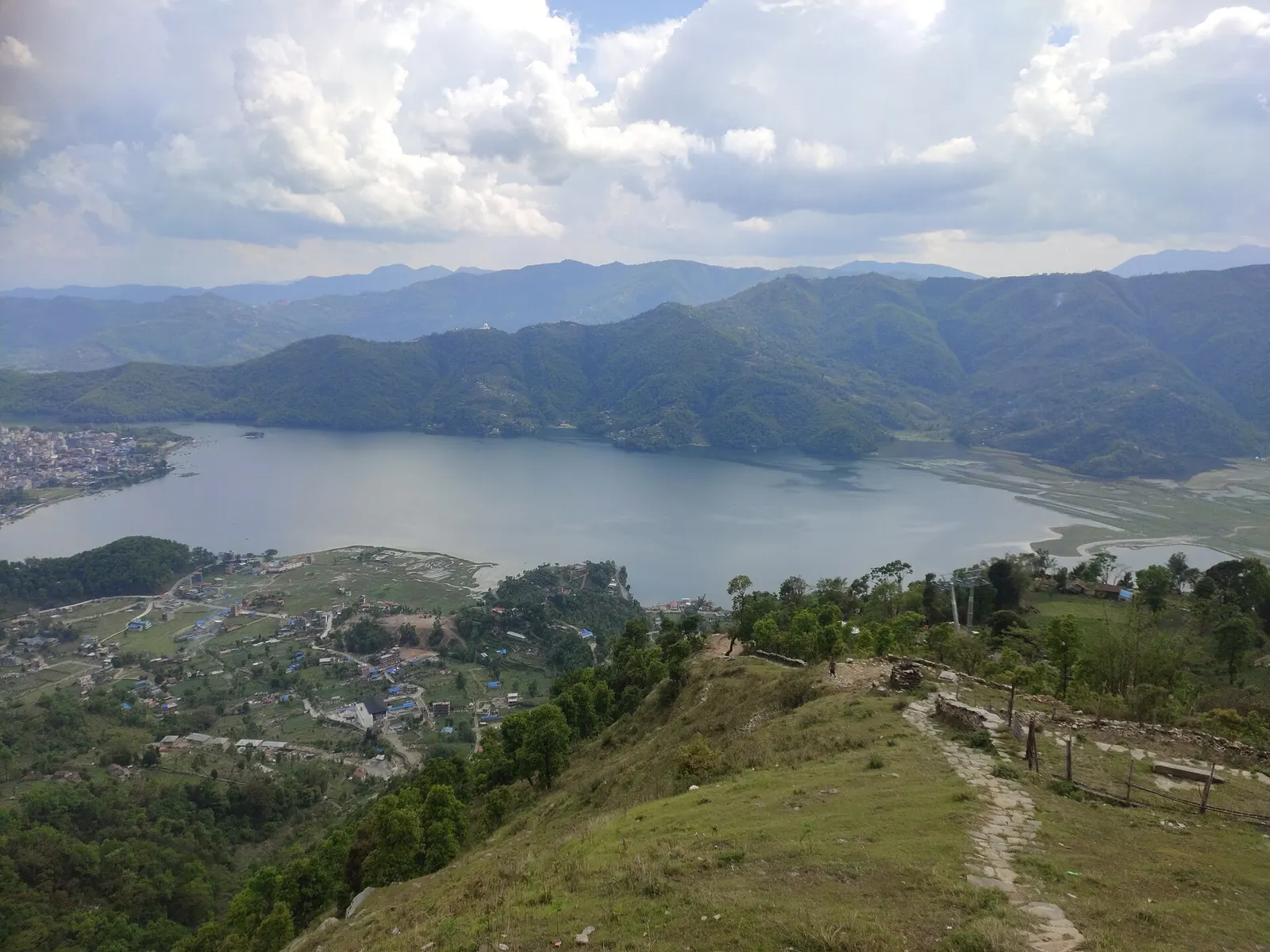
Pokhara's main lake, with rowing boats, an island temple and Machhapuchhre reflected on still mornings.
Lake · 600 m
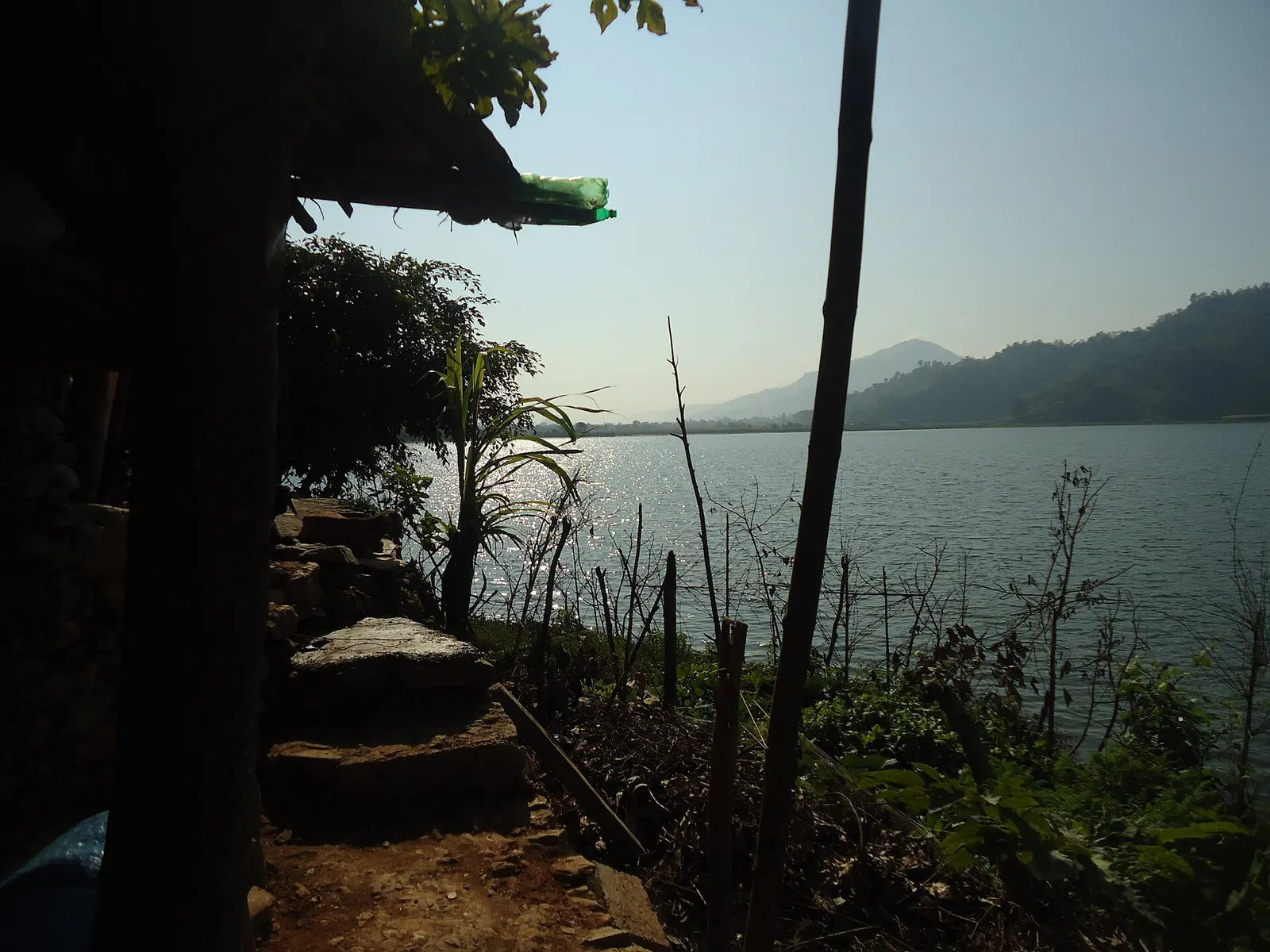
A small, shallow lake beside Begnas in the east of the Pokhara valley, managed by a local fisheries cooperative and rich in waterbirds.
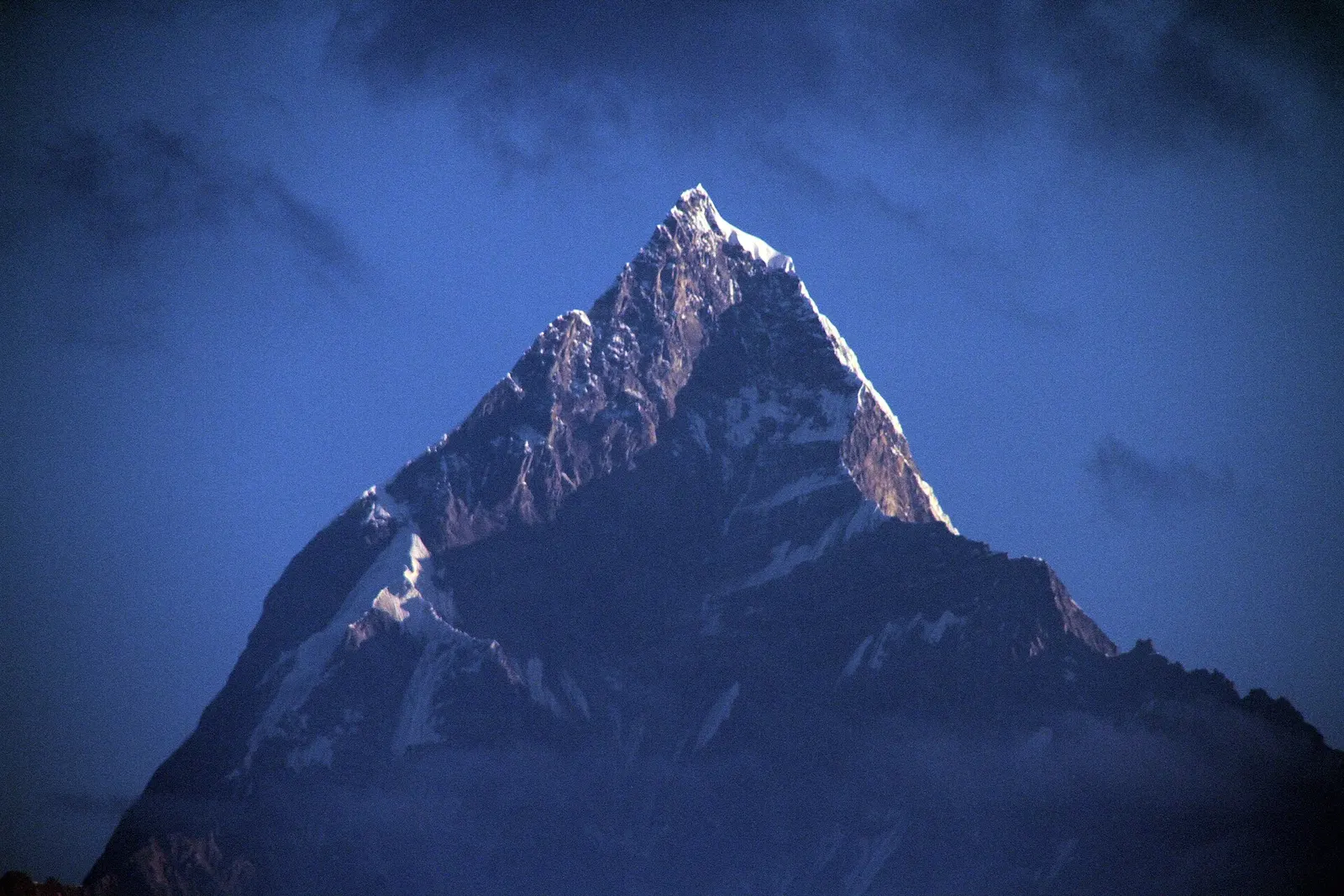
Viewpoint · 1,600 m
A ridge-top viewpoint on Pokhara's western edge, known for sunrise over the Annapurnas and as the city's paragliding launch.
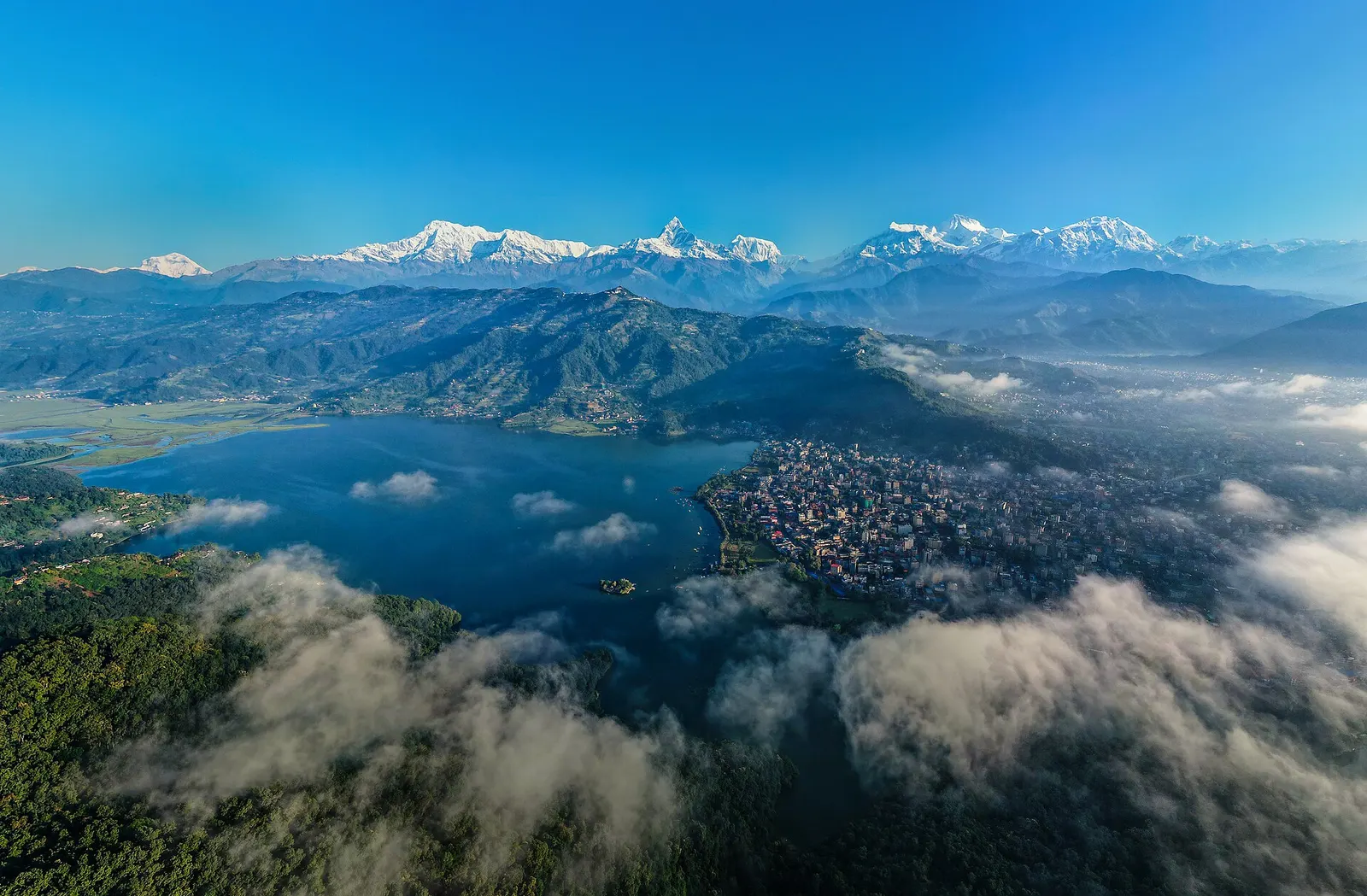
Town or village · 822 m
A lakeside city about 200 km west of Kathmandu, with the Annapurna range and Machhapuchhre rising close to the north.