

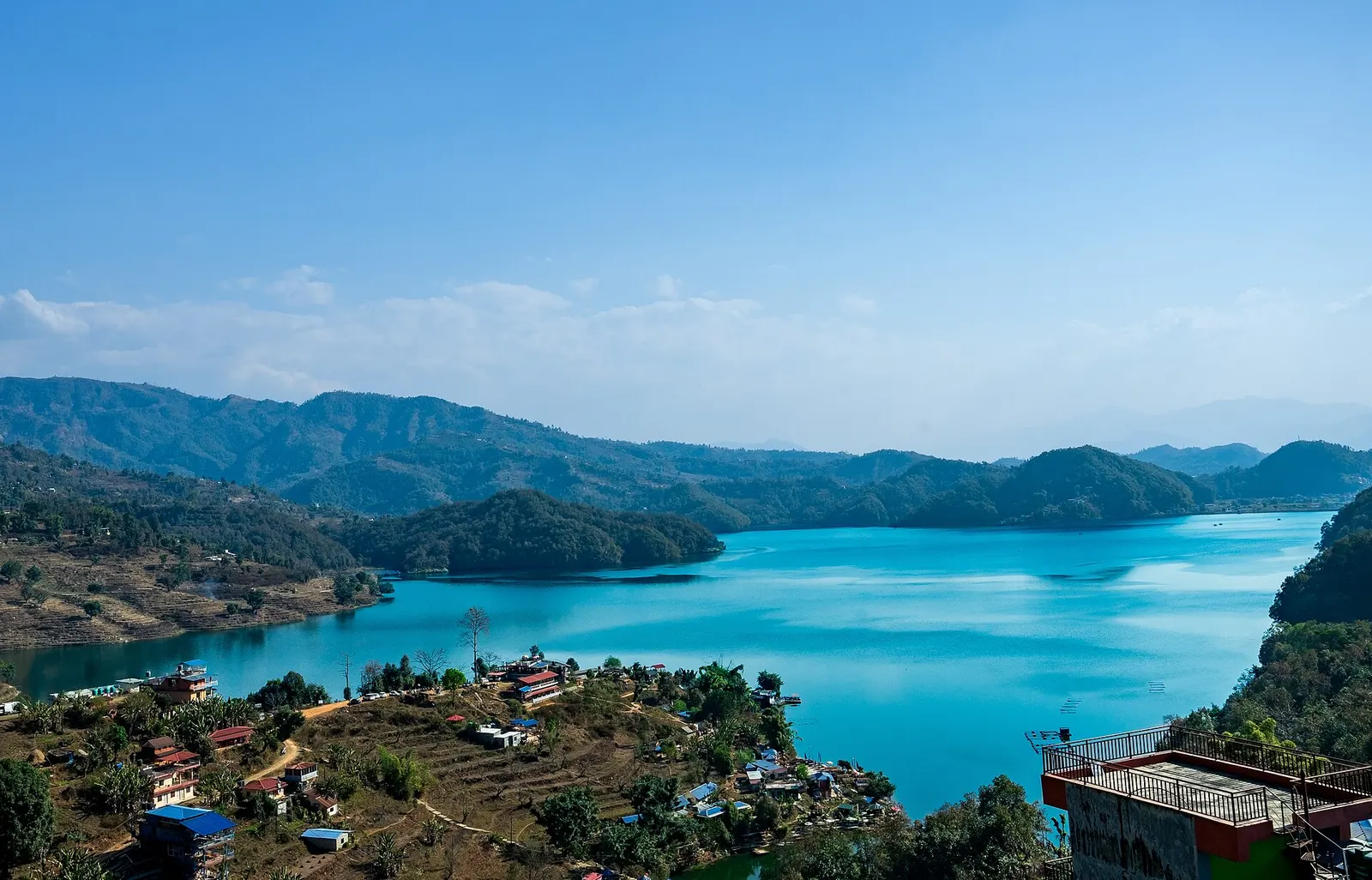
Lake · 650 m
Begnas Lake
A quieter freshwater lake in the east of the Pokhara valley, ringed by forested ridges, rice terraces and fish farms.
Pokharaरुपा ताल
A small, shallow lake beside Begnas in the east of the Pokhara valley, managed by a local fisheries cooperative and rich in waterbirds.
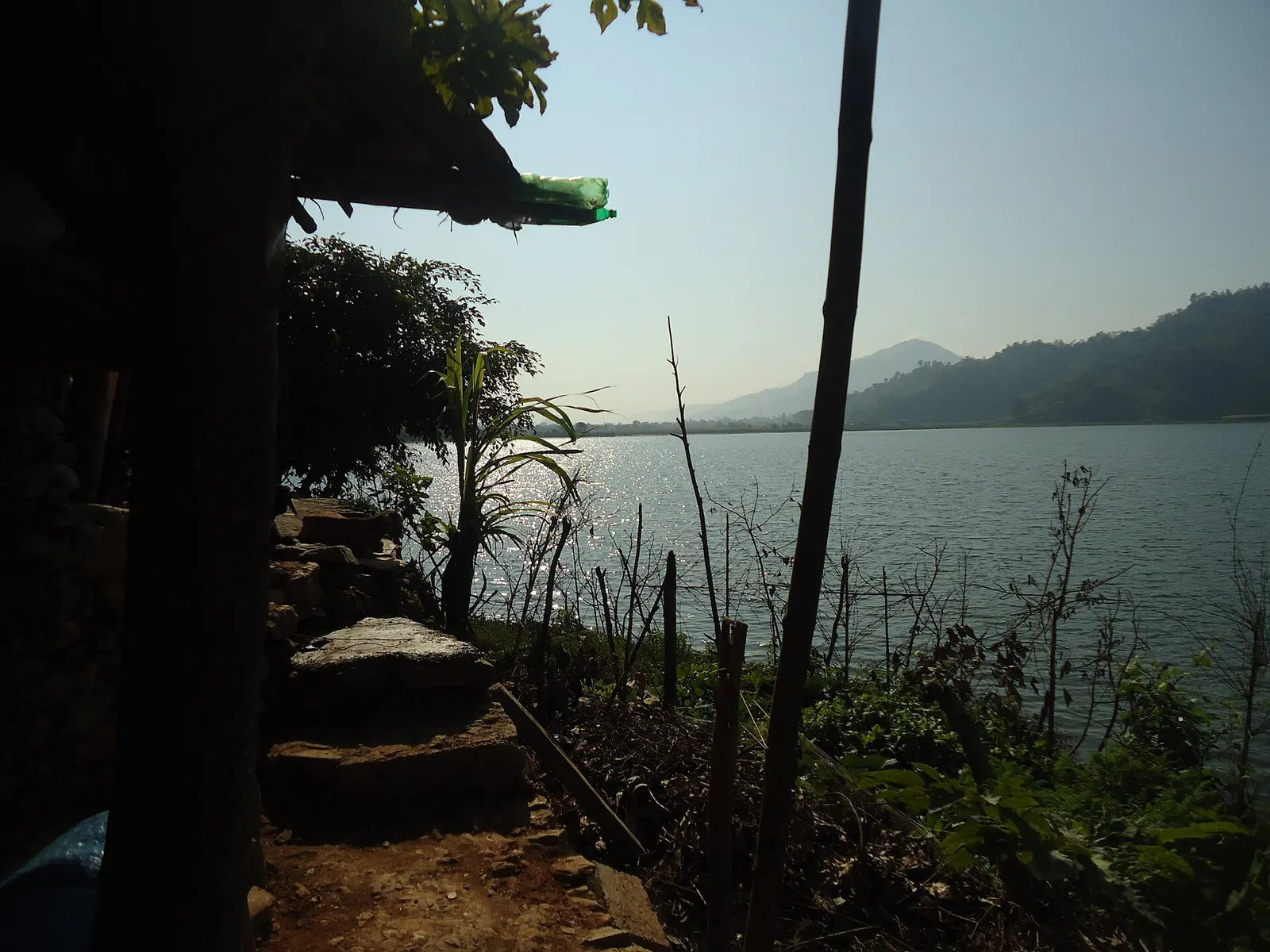
Rupa Lake is the third largest of the Pokhara valley lakes and one of the quieter sights of Pokhara. It lies just south-east of Begnas Lake, on the boundary between Pokhara Metropolitan City and Rupa Rural Municipality, separated from Begnas by the low ridge of Pachbhaiya. The lake is long and narrow, running north to south, and covers about 1.35 square kilometres at roughly 600 m.
It is shallow, averaging about 3 m and reaching around 6 m at its deepest, and fed by perennial streams from a catchment of about 30 square kilometres. Those conditions make it good habitat for waterbirds: researchers have recorded 36 species of wetland birds here, around a fifth of the wetland-dependent species known in Nepal.
There is little tourist infrastructure. Visitors usually walk over from Begnas, hire a boat for a short paddle, watch birds along the reedy margins and walk back, or continue on village paths through the surrounding farmland. It is a good choice for anyone who found Phewa too busy and Begnas still too developed.
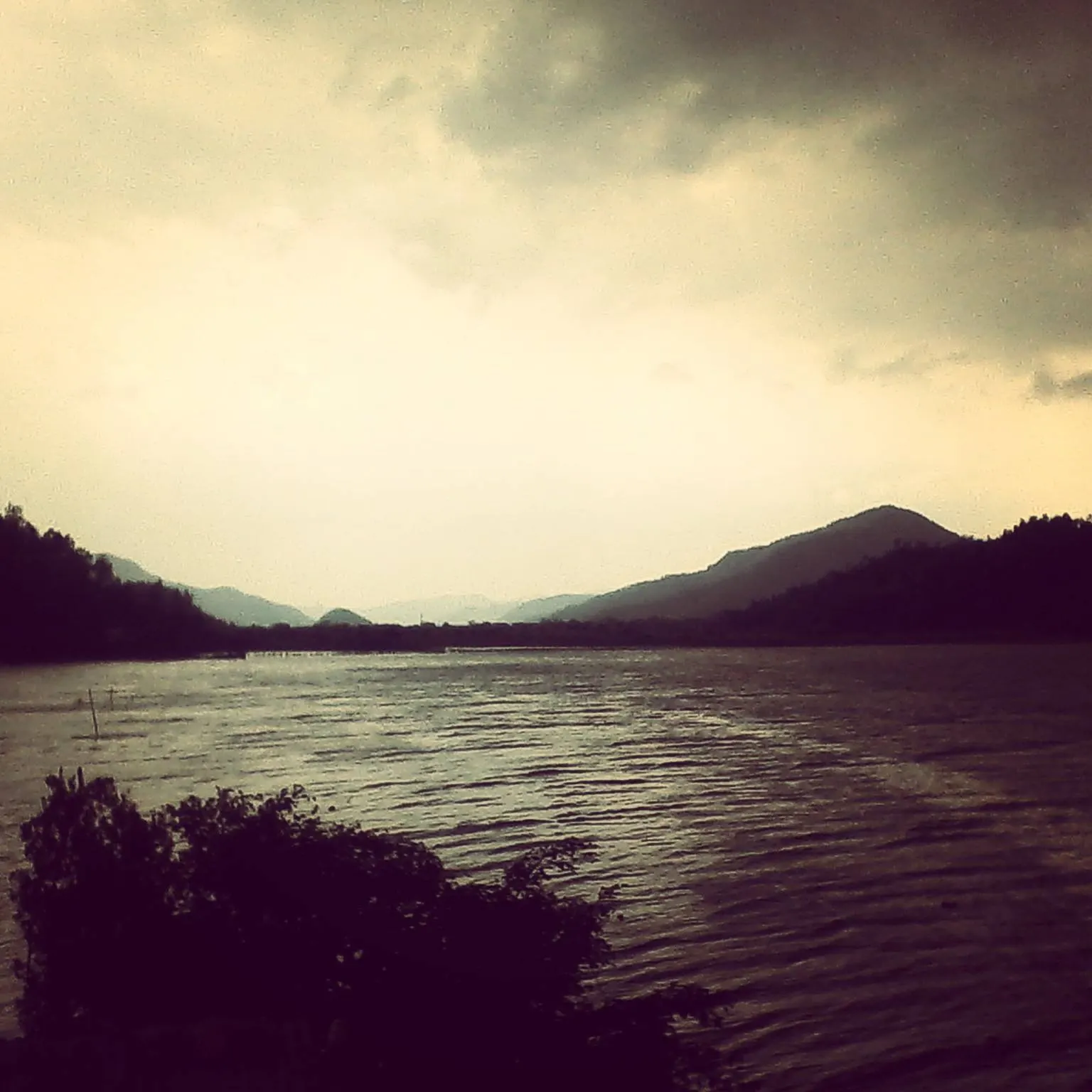
Rupa Lake is notable for community management. Farmers from the surrounding villages formed a cooperative for the lake's rehabilitation and fisheries, which runs cage and pen fish farming and works to protect the watershed from siltation and encroachment. Income from the fishery funds local conservation work and supports member households.
Like other lakes in the valley, Rupa has been shrinking as sediment washes in from deforested slopes and as margins are converted to paddy. Its future depends on catchment protection, and conservation groups regularly cite it as one of the valley's vulnerable wetlands.
Walk from Begnas
Cross Pachbhaiya hill from Begnas Bazaar to the Rupa shore, around 1-2 hours each way through farms and forest.
Birdwatching
Early mornings in winter are the best time to look for ducks, herons and kingfishers along the edges.
Boating
Small boats can sometimes be hired locally; ask at the shore.
Forecast for 600 m. Conditions change fast in the mountains.
Weather data: MET Norway, licensed CC BY 4.0. A forecast, not a guarantee.
Oct-Mar
A few homestays and small guesthouses operate on the hills between Begnas and Rupa; most visitors stay at Begnas or in Pokhara.
No partner stays are listed here yet. List a property.
Rupa Lake is reached via Begnas, either on foot over Pachbhaiya hill or by a rural road that reaches the eastern side of the lake.
Nearest hub: Pokhara
None needed
No permit is needed to visit Rupa Lake.
Verify before travel: permit rules and fees change. Checked 2026-10-06 against Rupa Lake, Wikipedia.
Drive or take a local bus to Begnas Bazaar (about 30-45 minutes), then walk over Pachbhaiya hill or continue by local road to the lake.
Begnas is larger and has more resorts and boating; Rupa is smaller, shallower and quieter, with more emphasis on birdlife and community fish farming.
Winter, from December to February, brings the most waterbirds, including migrant species; early morning is best.
Lake · 650 m
A quieter freshwater lake in the east of the Pokhara valley, ringed by forested ridges, rice terraces and fish farms.
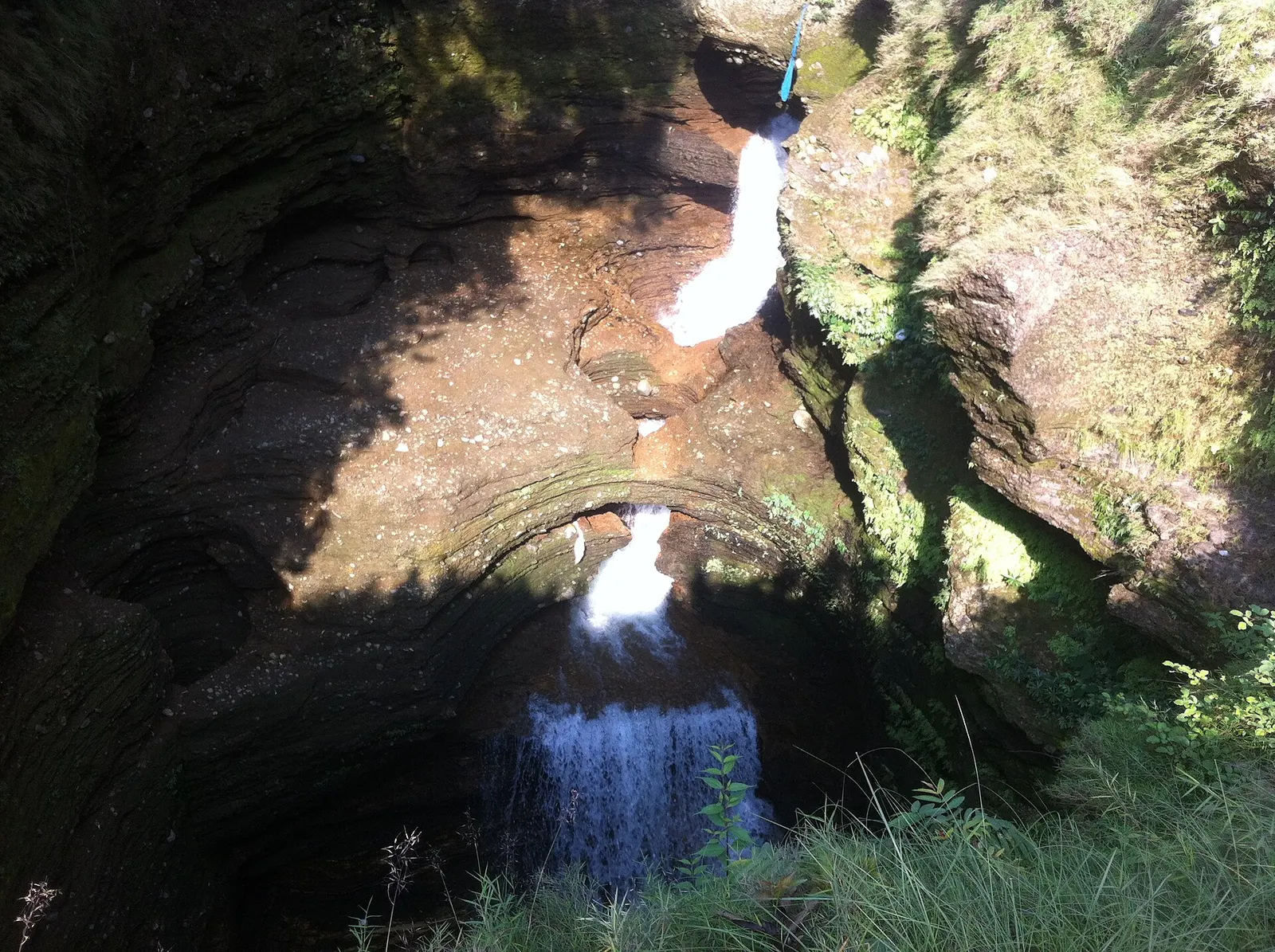
Viewpoint · 780 m
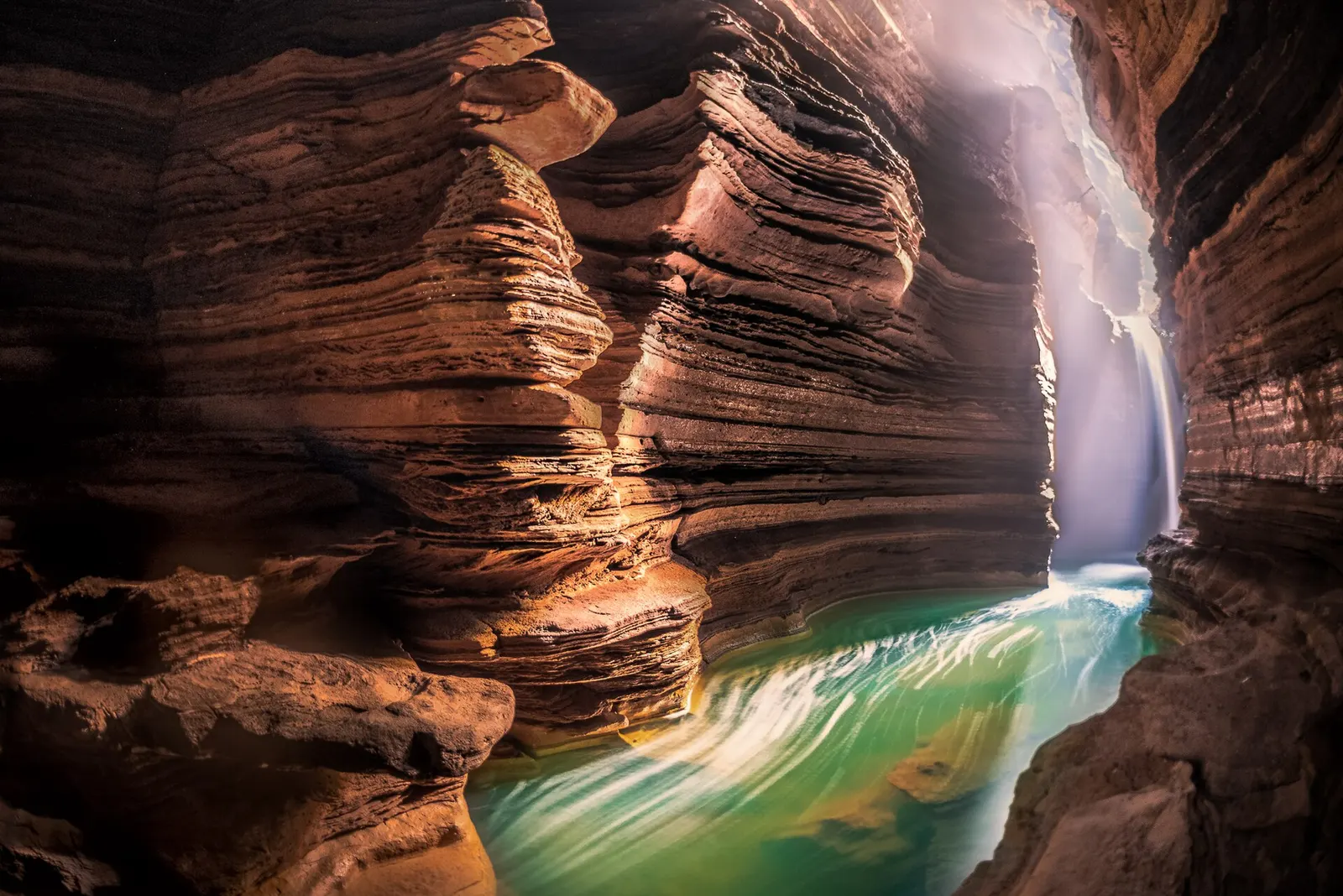
A waterfall in south Pokhara where the outflow of Phewa Tal drops into a narrow chasm and disappears underground.
Temple, monastery or heritage site · 778 m
A Shiva cave shrine in south Pokhara, with a lower passage that ends behind the falling water of Davis Falls.
Temple, monastery or heritage site · 797 m
A museum in south Pokhara on the Himalaya's peaks, the people who climb them and the communities who live among them.
Lake · 2,546 m
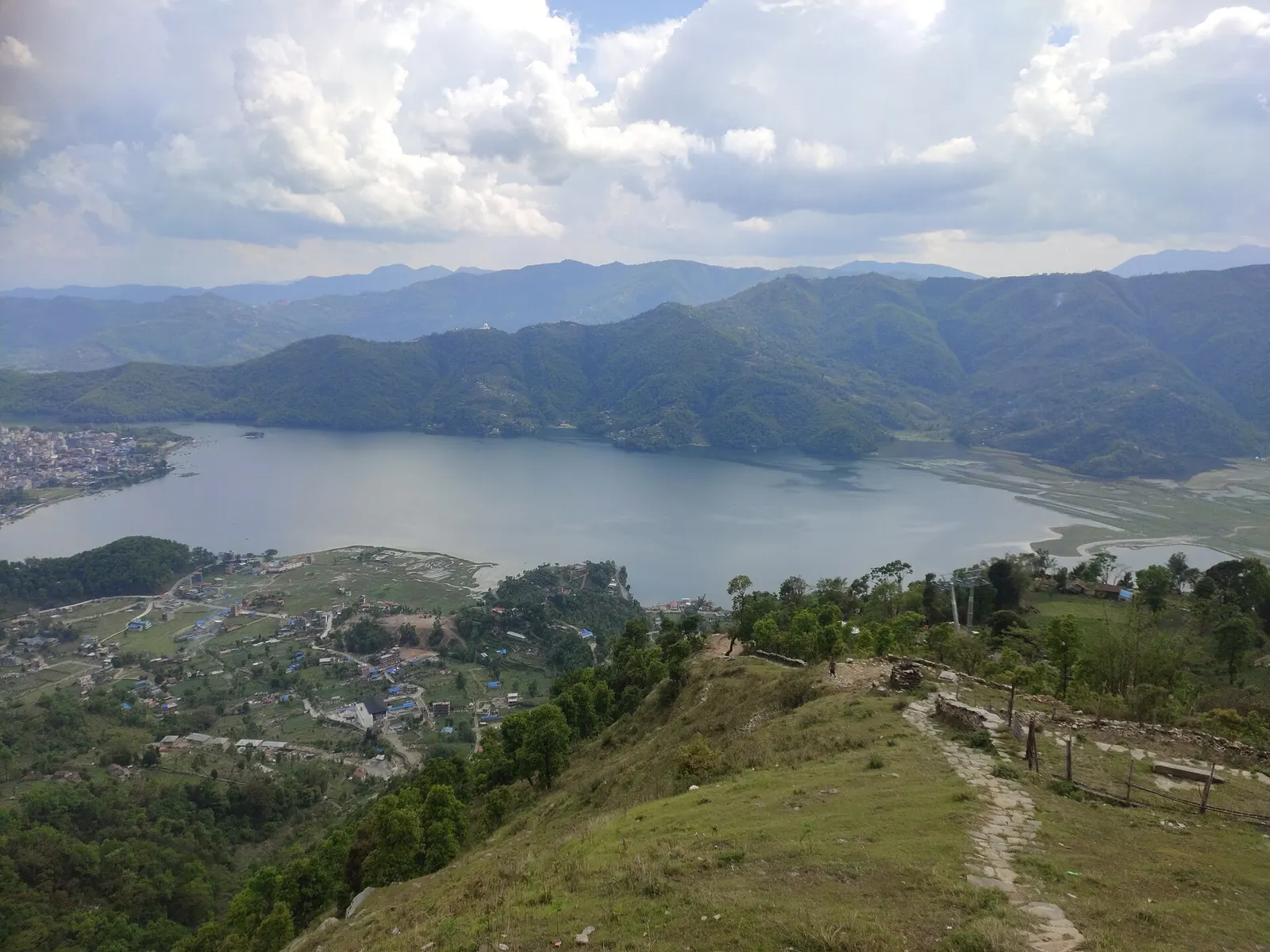
A glacier lake at about 2,546 m beneath Annapurna II and Lamjung Himal, reached by a short trek from the Gurung village of Sikles.
Viewpoint · 2,517 m
A forested hill at about 2,500 m west of Phewa Tal, with a temple and pond on top and views of the Annapurna and Dhaulagiri ranges.
Lake · 742 m
Pokhara's main lake, with rowing boats, an island temple and Machhapuchhre reflected on still mornings.
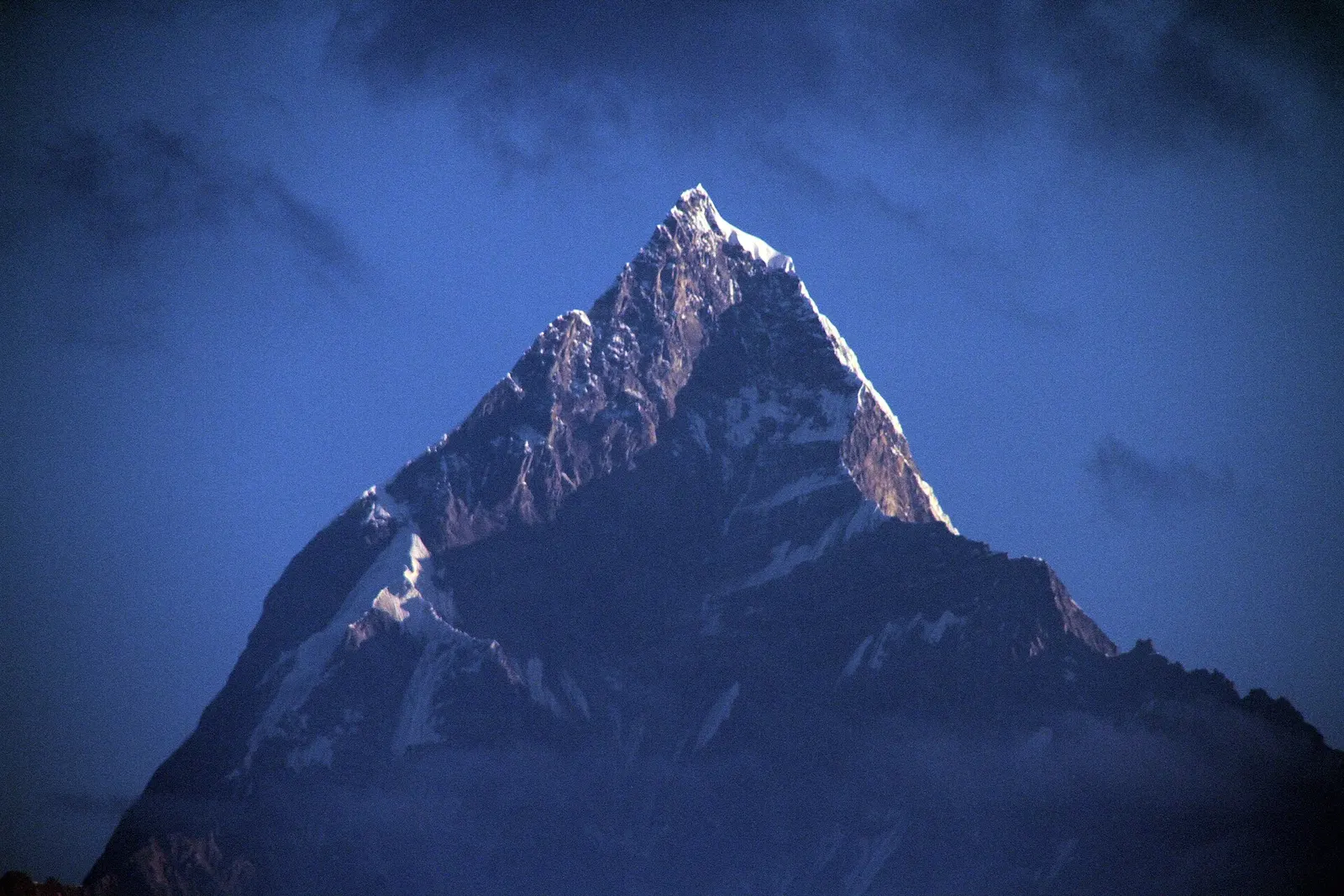
Viewpoint · 1,600 m
A ridge-top viewpoint on Pokhara's western edge, known for sunrise over the Annapurnas and as the city's paragliding launch.
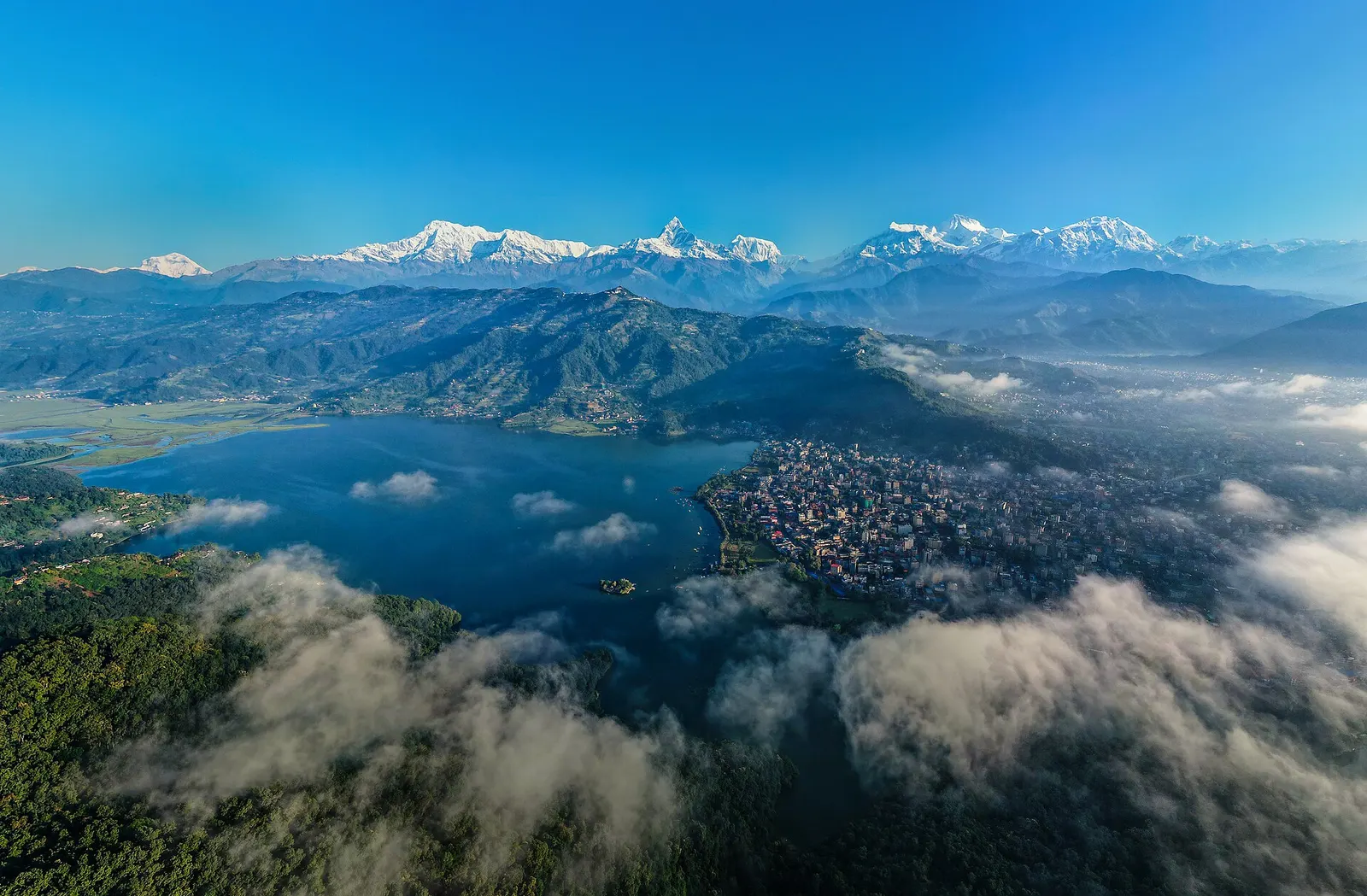
Town or village · 822 m
A lakeside city about 200 km west of Kathmandu, with the Annapurna range and Machhapuchhre rising close to the north.