
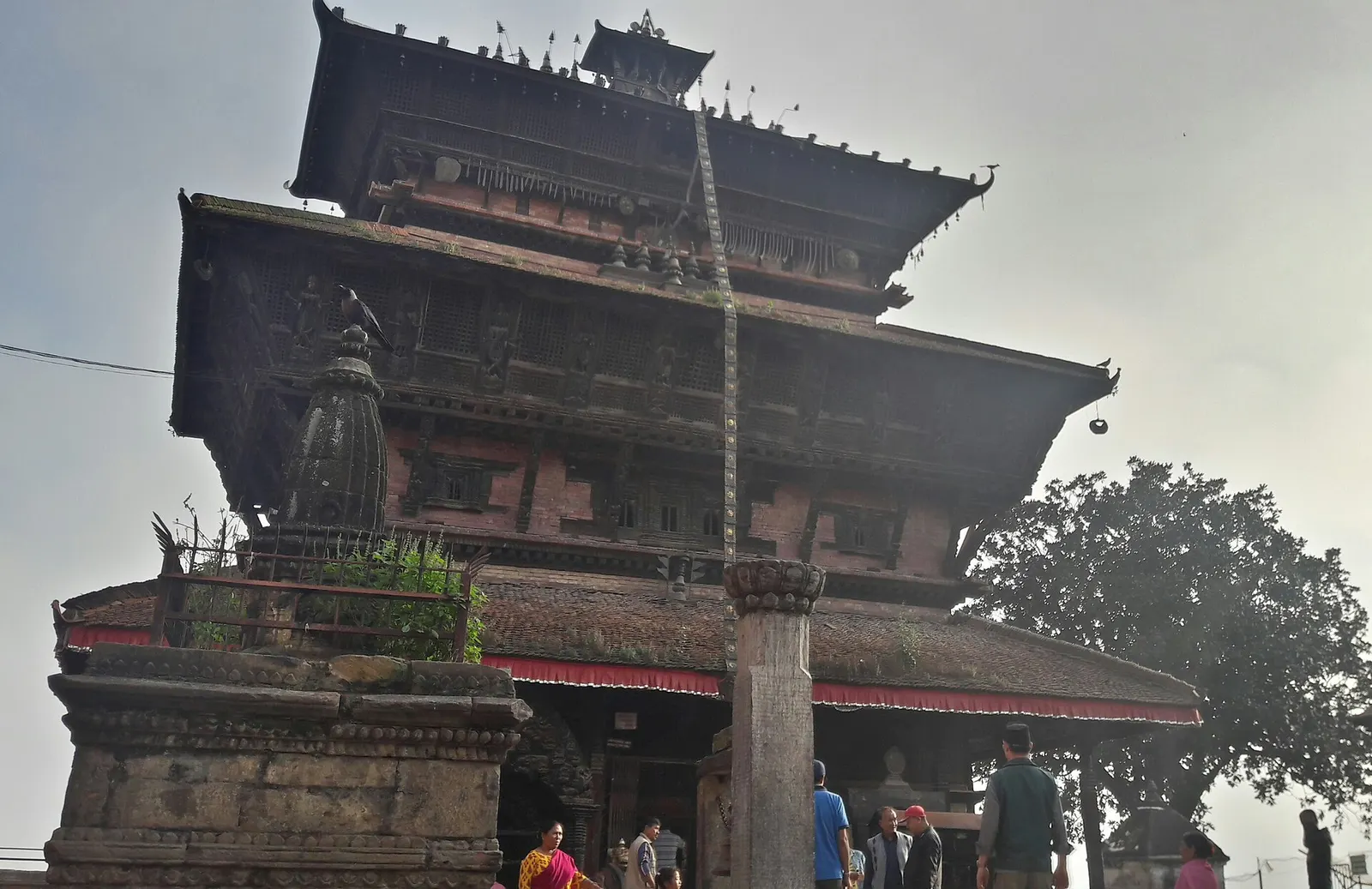
Town or village · 1,400 m
Kirtipur
An old Newar hill town on Kathmandu's south-western edge, with temples, valley views and a dramatic history of resistance.
Kathmanduकोपन गुम्बा
A hilltop Tibetan Buddhist monastery north of Boudha, known for its meditation courses for international students.
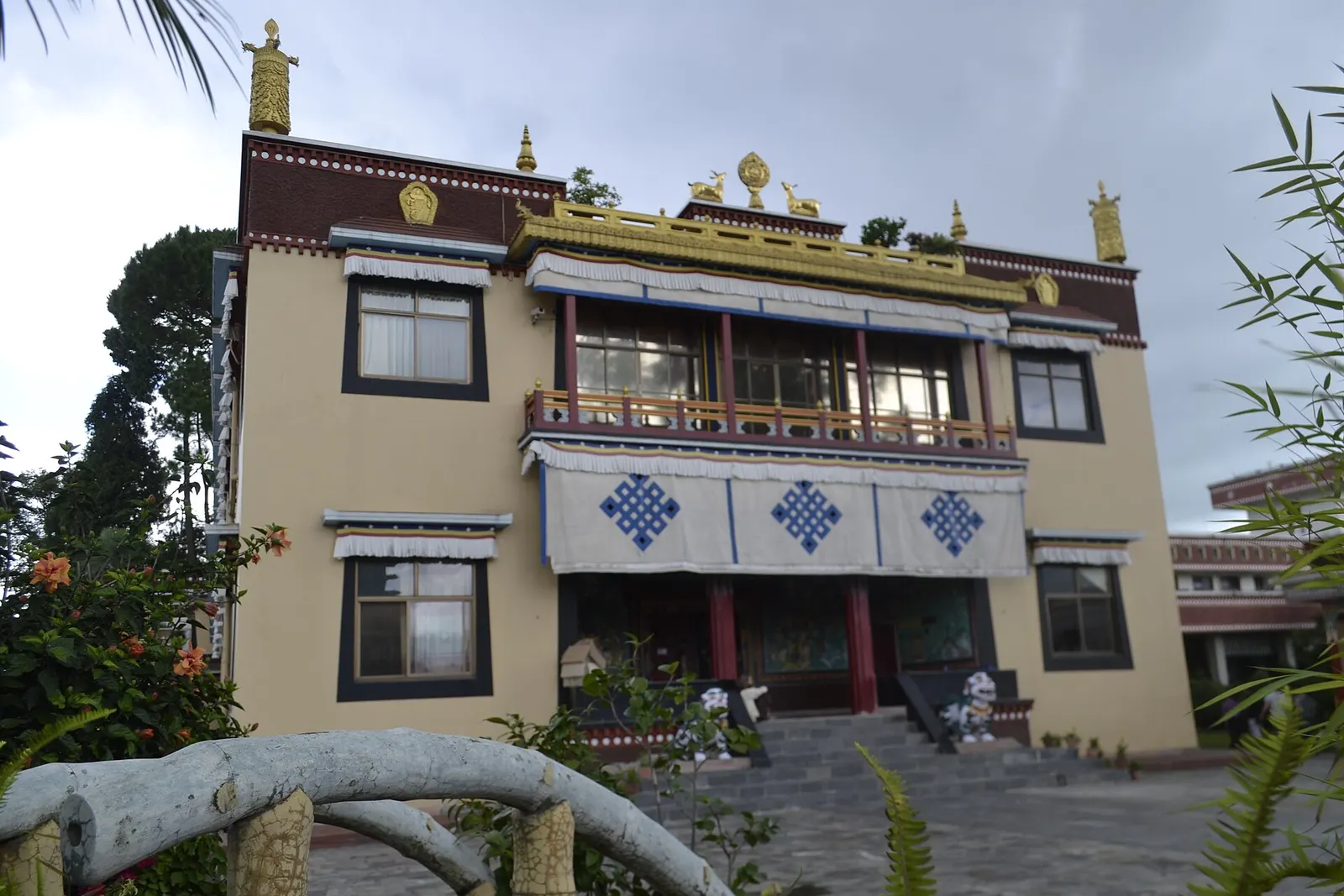
Kopan Monastery sits on a small hill on the northern edge of the Kathmandu Valley, about 2-3 km north of Boudhanath stupa. From its gardens there are wide views back over the city, with the dome of Boudha below and, on clear days, the hills of the valley rim and snow peaks to the north. The main prayer hall, stupas, prayer wheels and gardens are open to respectful visitors during the day, and young monks are a constant presence in the courtyards.
Kopan is best known abroad for teaching Buddhism and meditation to people from outside the Tibetan tradition. Short introductory courses run through much of the year, and the long November-December course has been held annually since 1971; residential participants stay on site, follow a daily timetable and keep a vegetarian diet. Many travellers come simply for a few quiet hours, while others plan a trip around a course.
The monastery is also a popular spot for Kathmandu residents looking for fresh air and a view, especially at weekends. It pairs naturally with Boudhanath and with Pullahari Monastery on the next ridge to the north-east.
Kopan was founded by two Tibetan lamas, Thubten Yeshe and Thubten Zopa Rinpoche, who bought the hilltop in 1969 from the former royal astrologer; the monastery takes its name from the hill. They went on to found the Foundation for the Preservation of the Mahayana Tradition (FPMT), an international network of centres in the Gelug school of Tibetan Buddhism, and Kopan served for a time as its headquarters. The monks come largely from Nepal's Himalayan communities, including Sherpa and Tamang families, as well as Tibetan families.
In 1979 Lama Yeshe established the nearby Khachoe Ghakyil Ling nunnery, usually called the Kopan Nunnery, to give nuns an education on the same model as the monks; it has grown to house several hundred nuns. Both institutions follow the Tibetan festival calendar, with special prayers at Losar and Saga Dawa.
Join an introductory course
Short courses of a few days to the month-long November-December course combine teachings, meditation and discussion; book ahead through the monastery.
Visit for the view and gardens
Spend an hour walking the grounds and prayer wheels and looking down over Boudha.
Walk from Boudha
Walk up from Boudhanath, about 2-3 km and 40-60 minutes mostly uphill on village roads.
Forecast for 1,440 m. Conditions change fast in the mountains.
Weather data: MET Norway, licensed CC BY 4.0. A forecast, not a guarantee.
Feb-Mar, Oct-Dec
Course participants stay on site; day visitors usually stay in Boudha, 15-20 minutes away by taxi.
No partner stays are listed here yet. List a property.
Kopan is on a hill north of Boudhanath in north-east Kathmandu.
Nearest hub: Kathmandu
Nearest hub: Kathmandu. Times are typical ranges, not schedules, and vary with roadworks, weather and the season.
By busfrom Kathmanduabout 0.7-1.2 hLocal buses
Microbuses run to Kapan, below the monastery; from the stop it is a 20 to 30 minute walk uphill.
By car or jeepfrom Kathmanduabout 0.5-0.9 h
About 9 to 11 km from Thamel via Boudha; taxis can drive right up to the monastery gate.
Road: Sealed as far as Kapan, then a narrow, steep and patchy local road up to the gate.
When to set off: arrive before midday if you want to join a public talk or the midday meal
By motorbikefrom Boudhanathabout 0.2-0.4 hModerate riding
Short steep climb from Boudha; the surface is broken in places and slippery after rain.
Road: Narrow, steep local road with broken sections above Kapan.
On footfrom Boudhanathabout 0.7-1 h40-60 minutes from Boudhanath, about 2 to 3 km, roughly 100 m of ascent
Uphill through Kapan from the stupa, the usual approach on foot.
None needed
There is no ticket for day visitors; courses have their own fees and registration with the monastery.
Verify before travel: permit rules and fees change. Checked 2026-10-06 against Kopan Monastery.
What this place is typically exposed to, and when. These are seasonal patterns, not a report on conditions now.
Othermoderate in a typical yearDec-Apr
Dry-season dust and haze are a normal feature of the Kathmandu valley, where measured PM2.5 has run several times the WHO guideline level. Visitors prone to asthma usually do better on early mornings and after rain.
Coldmoderate in a typical yearDec-Feb
The monastery sits above the valley floor and rooms are unheated; December to February nights are cold, close to freezing before dawn, which matters on residential courses.
Othermoderate in a typical yearJun-Sep
Forest and farm trails here are typically slippery in the monsoon, with leeches in the damp sections and cloud that hides the mountain views for days at a time.
Landslideslow in a typical yearJun-Sep
The lane up the hill is cut into soft valley-rim soil and slumps in places during the June to September rains, so vehicles occasionally have to stop short of the gate.
Road blockageslow in a typical yearJun-Sep
About two thirds of the valley's rain falls between June and September, and sustained downpours typically waterlog junctions and slow valley roads, so short cross-city journeys can take much longer than planned.
Check current conditions before you travel
Roads, trails, passes and flights change with the weather and with roadworks, and nothing on this page describes conditions today. Before you set off, check the Department of Hydrology and Meteorology for weather and flood warnings, the Nepal Disaster Risk Reduction Portal for incidents, and the local authority, police or your licensed operator for road, trail and flight status.
Yes. Day visitors are generally welcome in the grounds and prayer hall, though access can be limited during courses and ceremonies.
Take a short taxi ride or walk about 2-3 km north, 40-60 minutes uphill.
Yes. It runs introductory courses through much of the year and a long course every November-December. Book through the monastery.
Town or village · 1,400 m
An old Newar hill town on Kathmandu's south-western edge, with temples, valley views and a dramatic history of resistance.
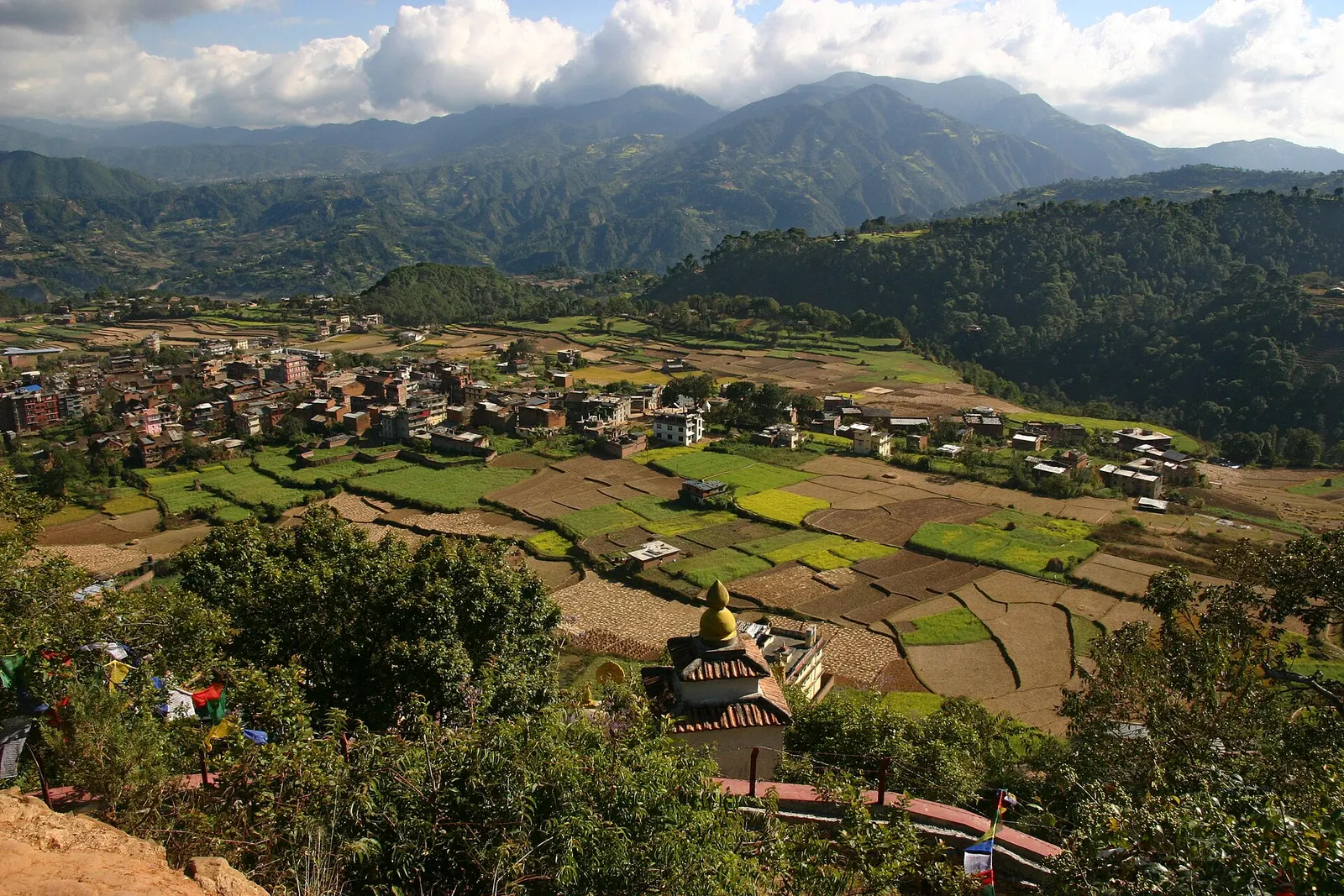
Town or village · 1,570 m
A small Newar town on the southern rim of the Kathmandu Valley, sacred to Vajrayana Buddhists for Guru Rinpoche's meditation caves.
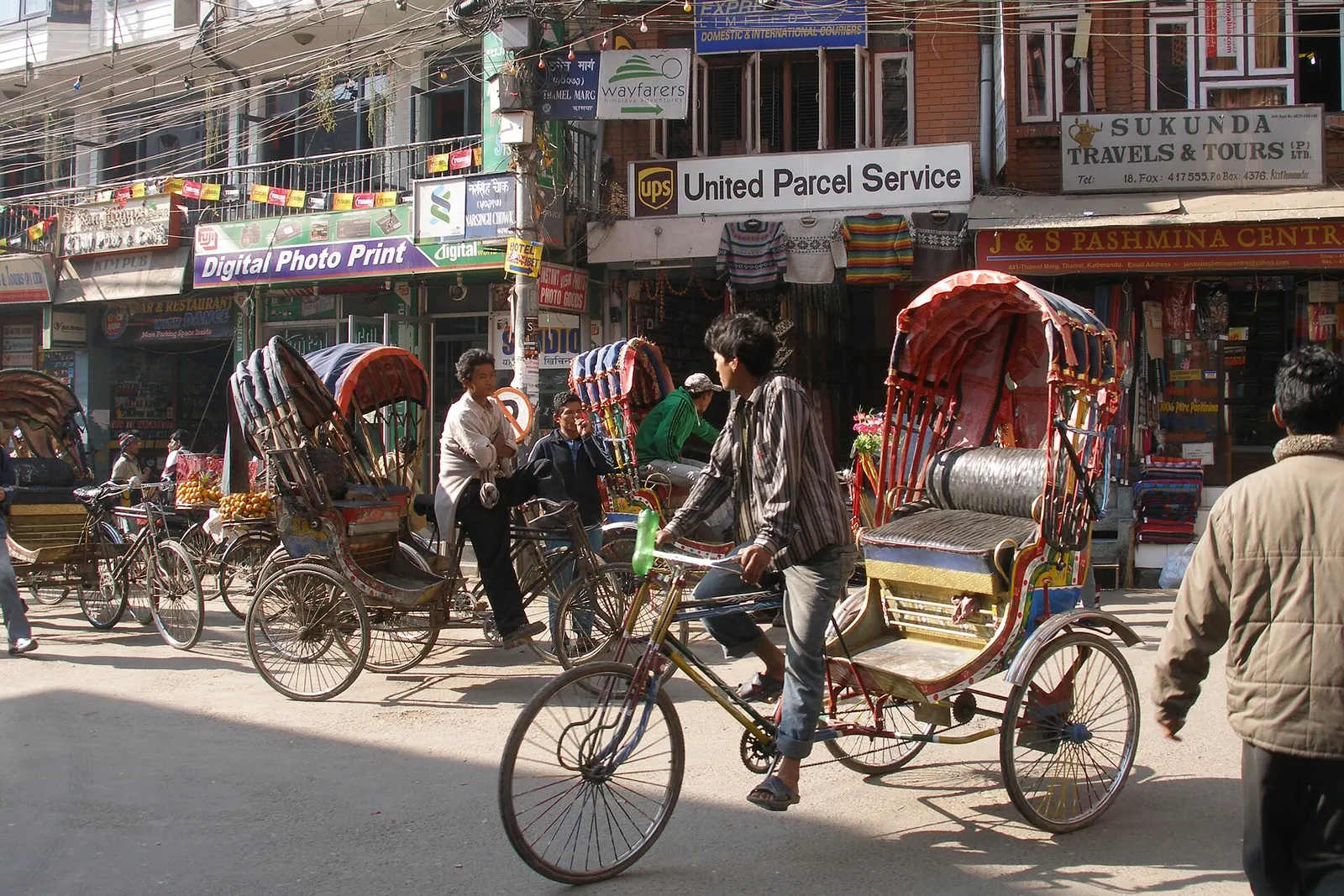
Town or village · 1,320 m
Kathmandu's traveller quarter of narrow lanes, guesthouses, trekking shops and cafes, a short walk north of the old city.
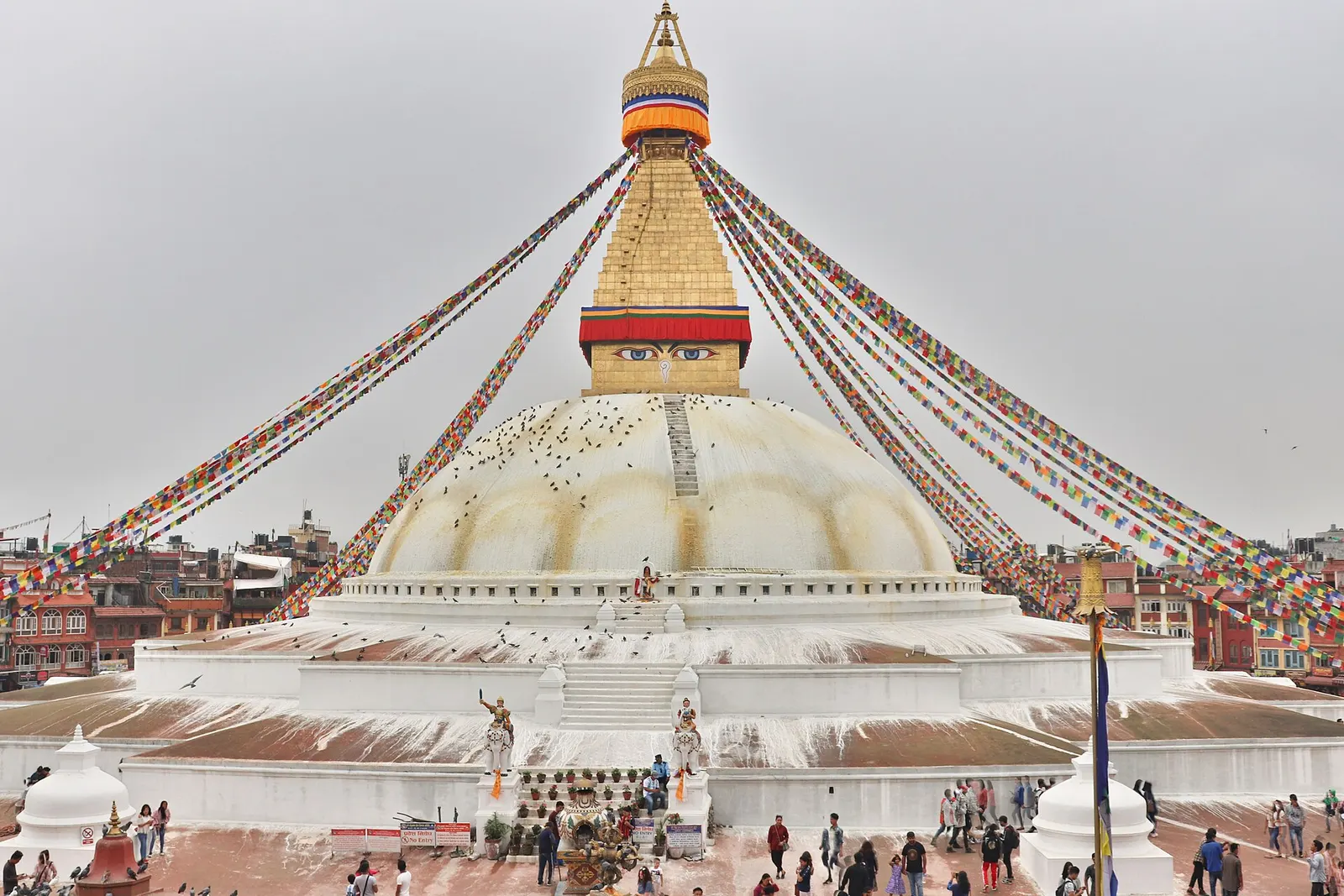
Temple, monastery or heritage site · 1,340 m
The great white stupa of north-east Kathmandu, centre of the valley's Tibetan Buddhist community and its many monasteries.
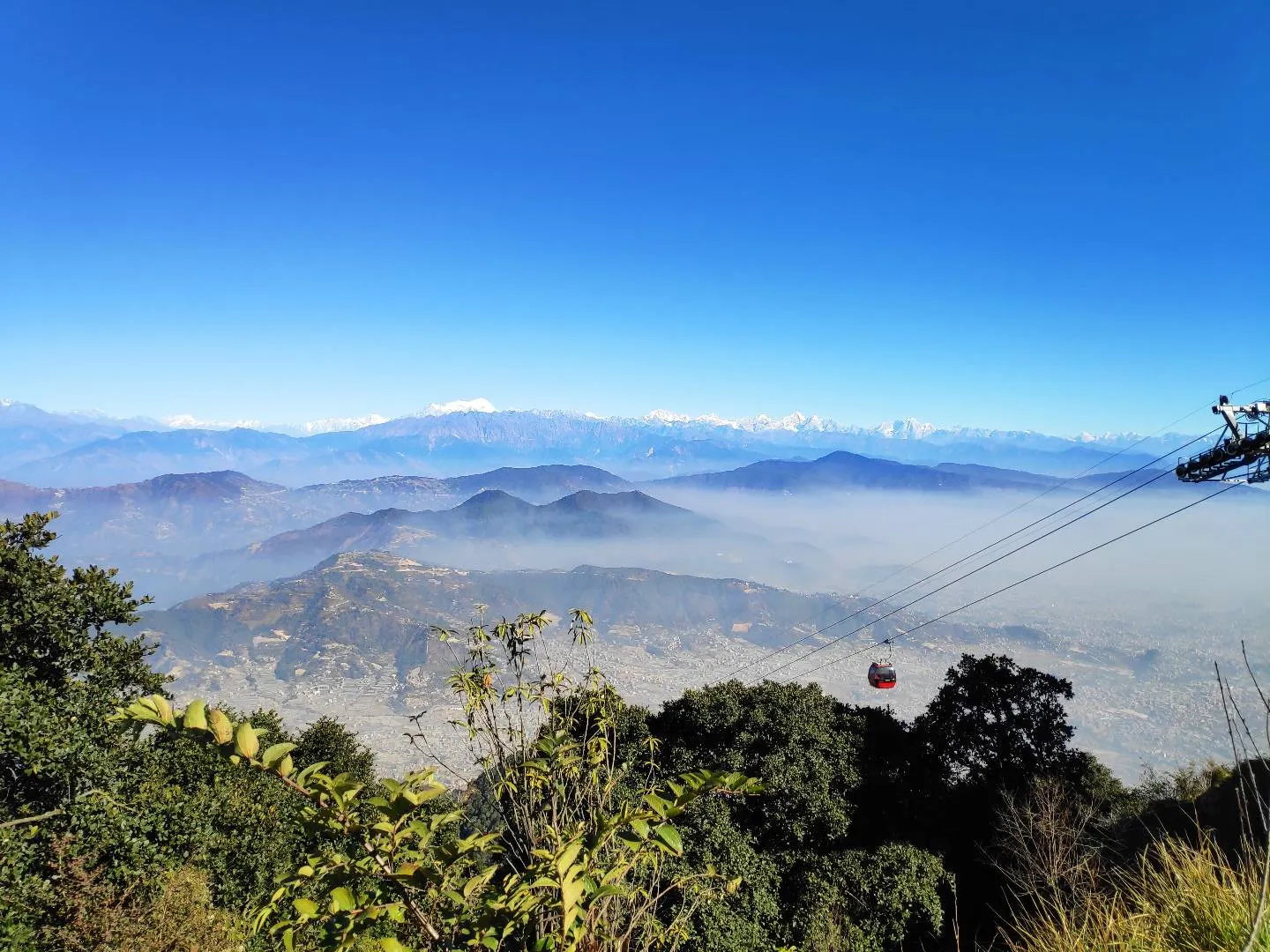
Viewpoint · 2,551 m
A hill on the Kathmandu Valley's south-western rim, reached by cable car, with a Shiva temple and wide Himalayan views.
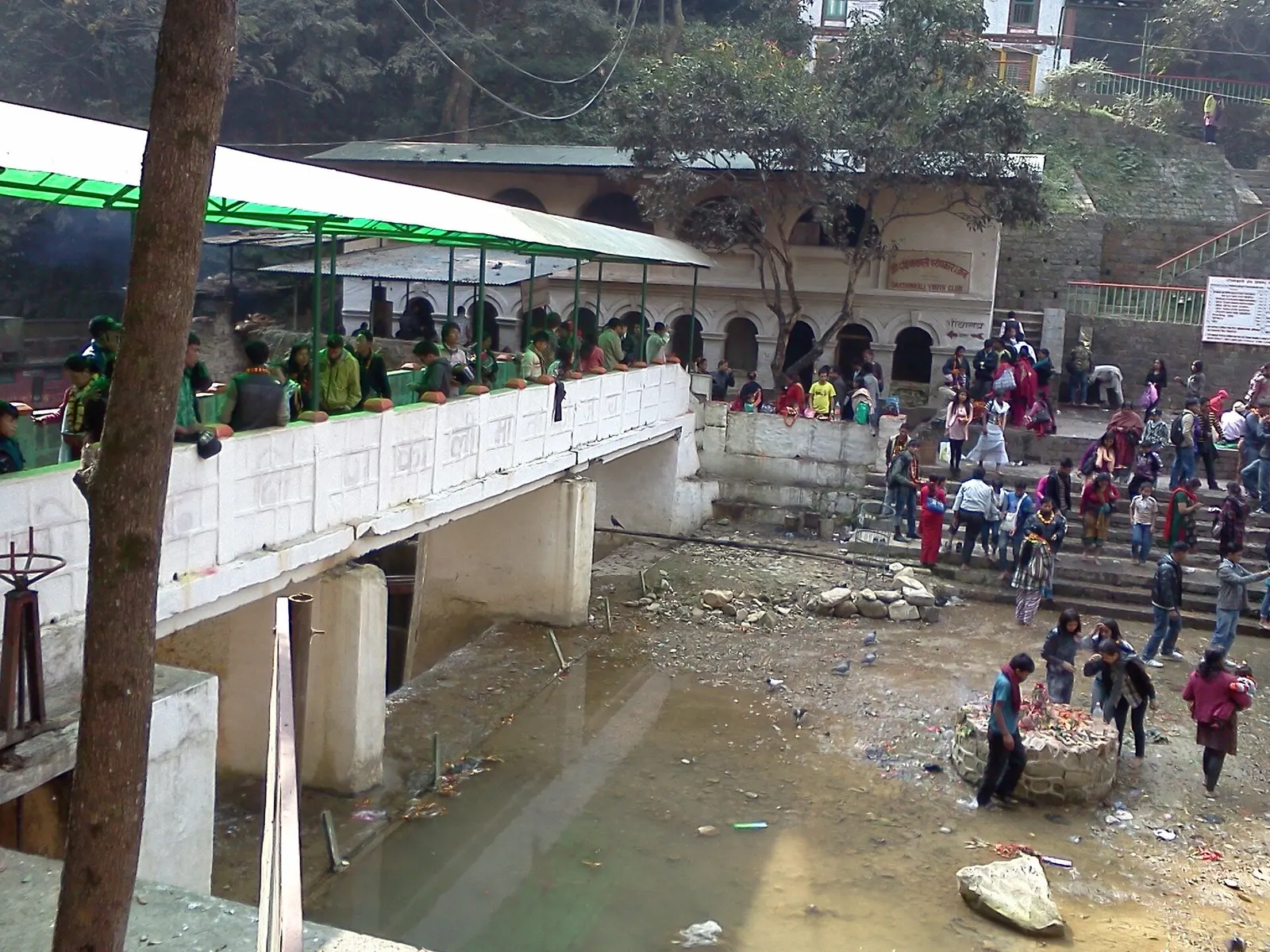
Temple, monastery or heritage site · 1,480 m
A Hindu temple to the goddess Kali in a forested gorge south of Pharping, known for its Tuesday and Saturday animal sacrifices.
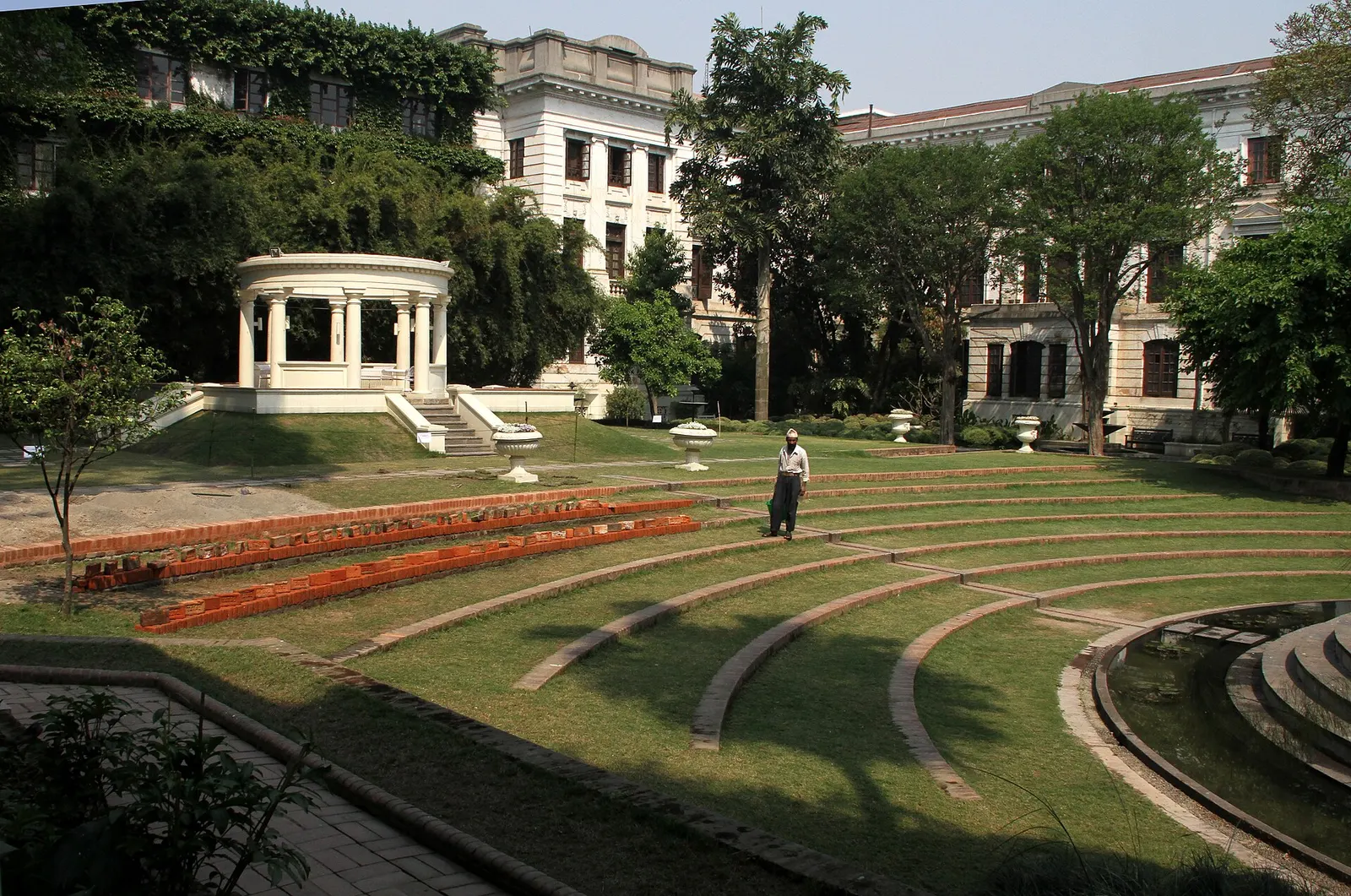
Temple, monastery or heritage site · 1,320 m
A restored 1920s Rana-era garden of pavilions, ponds and lawns at the edge of Thamel.
Viewpoint · 2,030 m
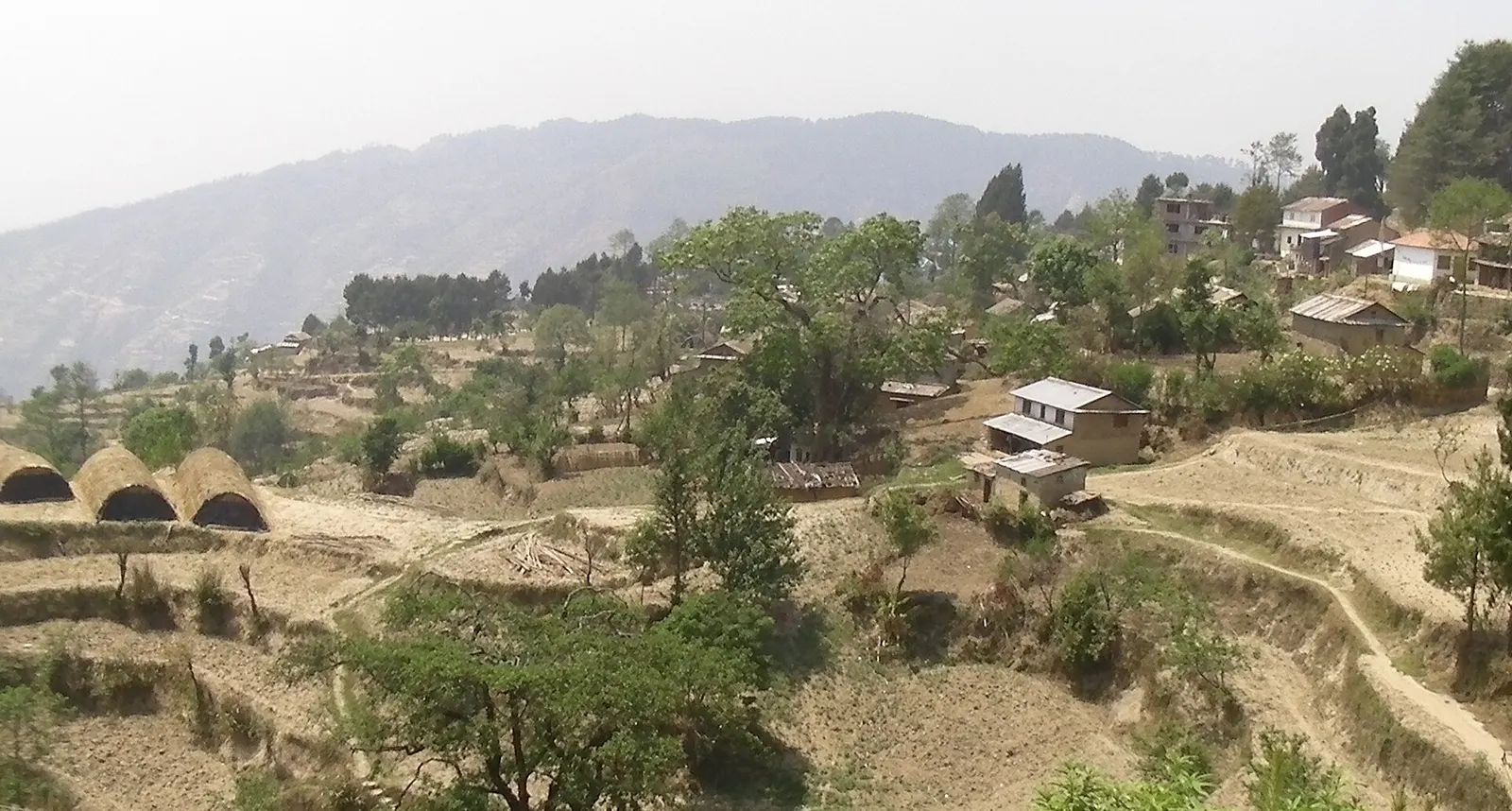
A quiet hill station just outside the Kathmandu Valley in Nuwakot, with Himalayan views, strawberry farms and memorial parks.
Town or village · 1,400 m
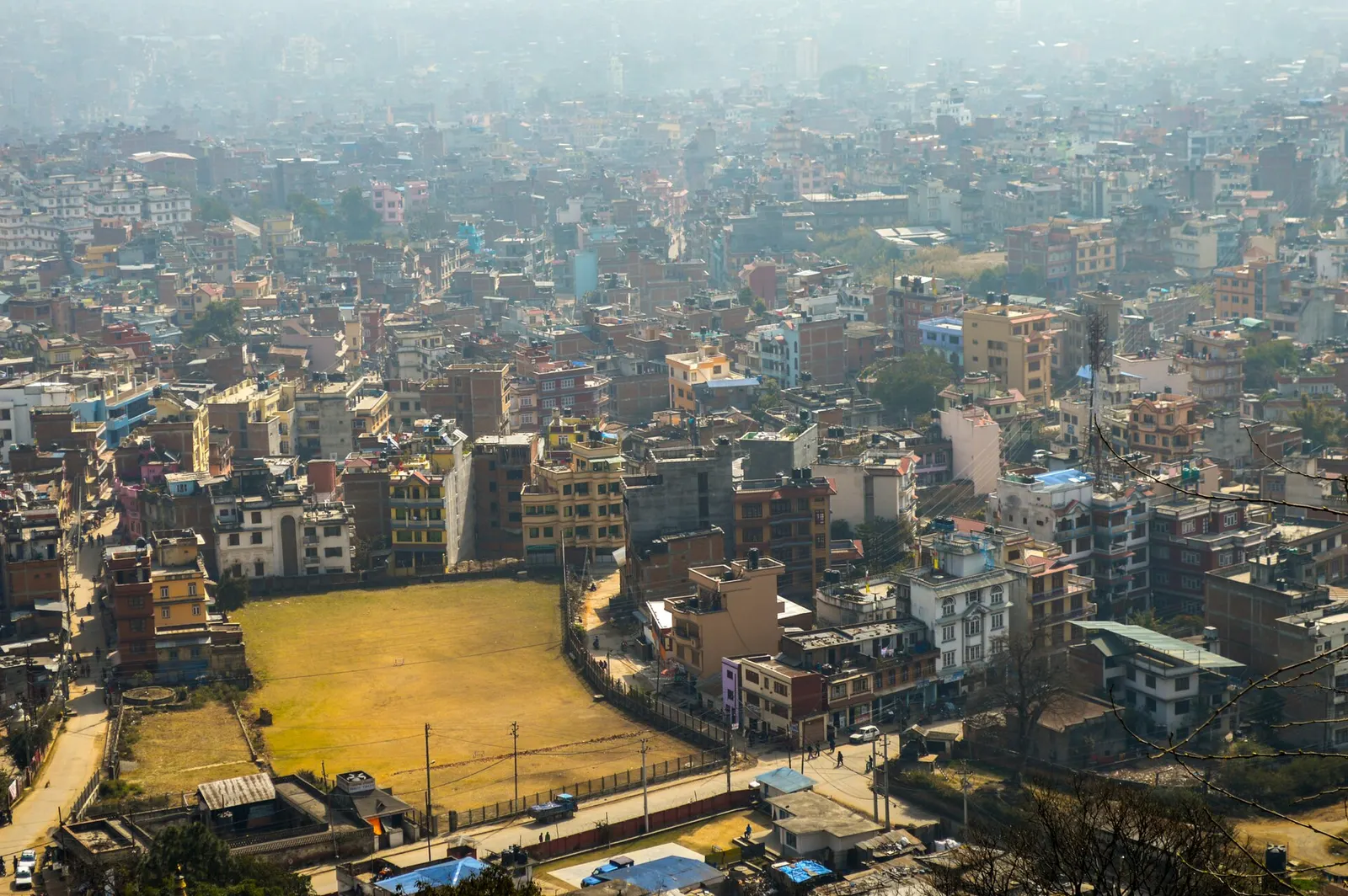
Nepal's capital, a sprawling valley city wrapped around a medieval Newar core, with major Hindu and Buddhist sites and the country's main airport.