


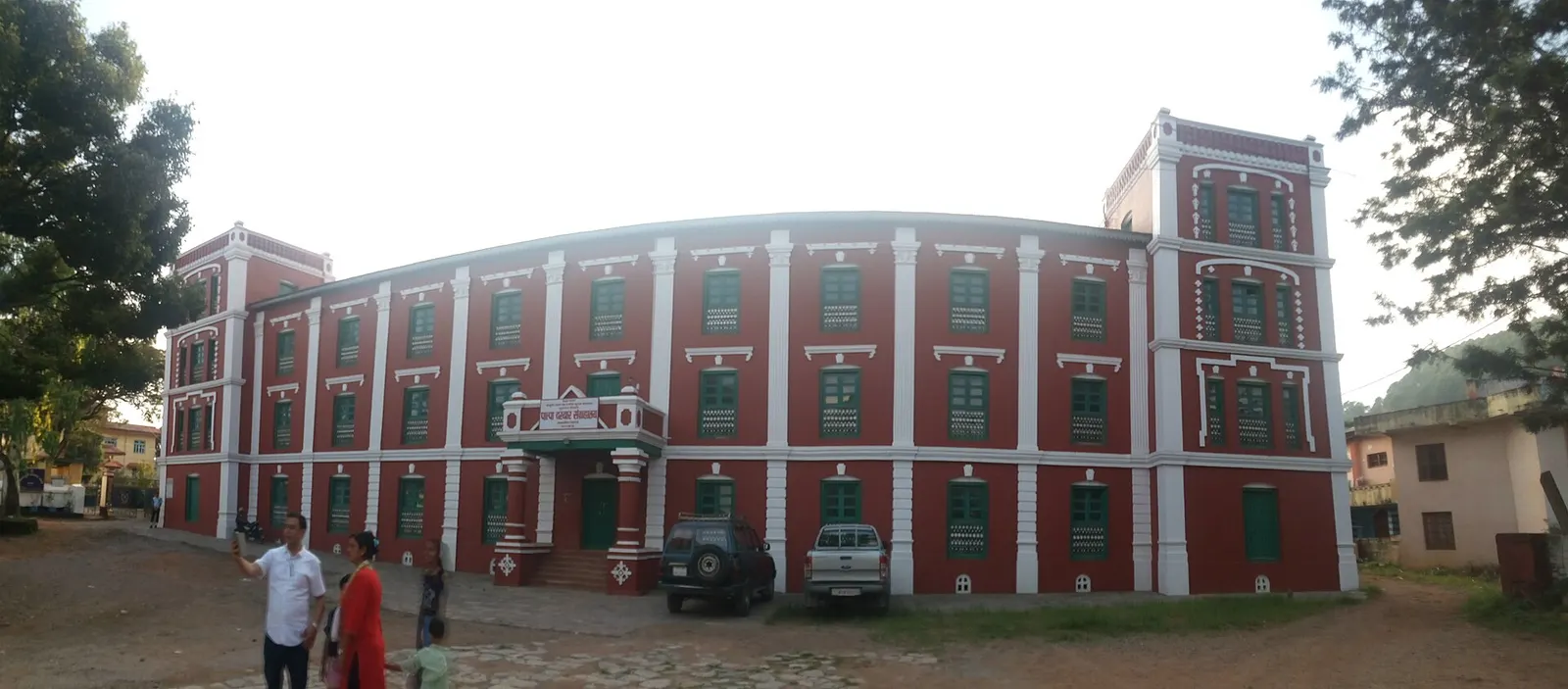
Town or village · 1,350 m
Tansen
The old hill bazaar of Palpa district, with steep Newar lanes, Rana-era buildings and a Himalayan viewpoint above the town.
Palpaरानीमहल
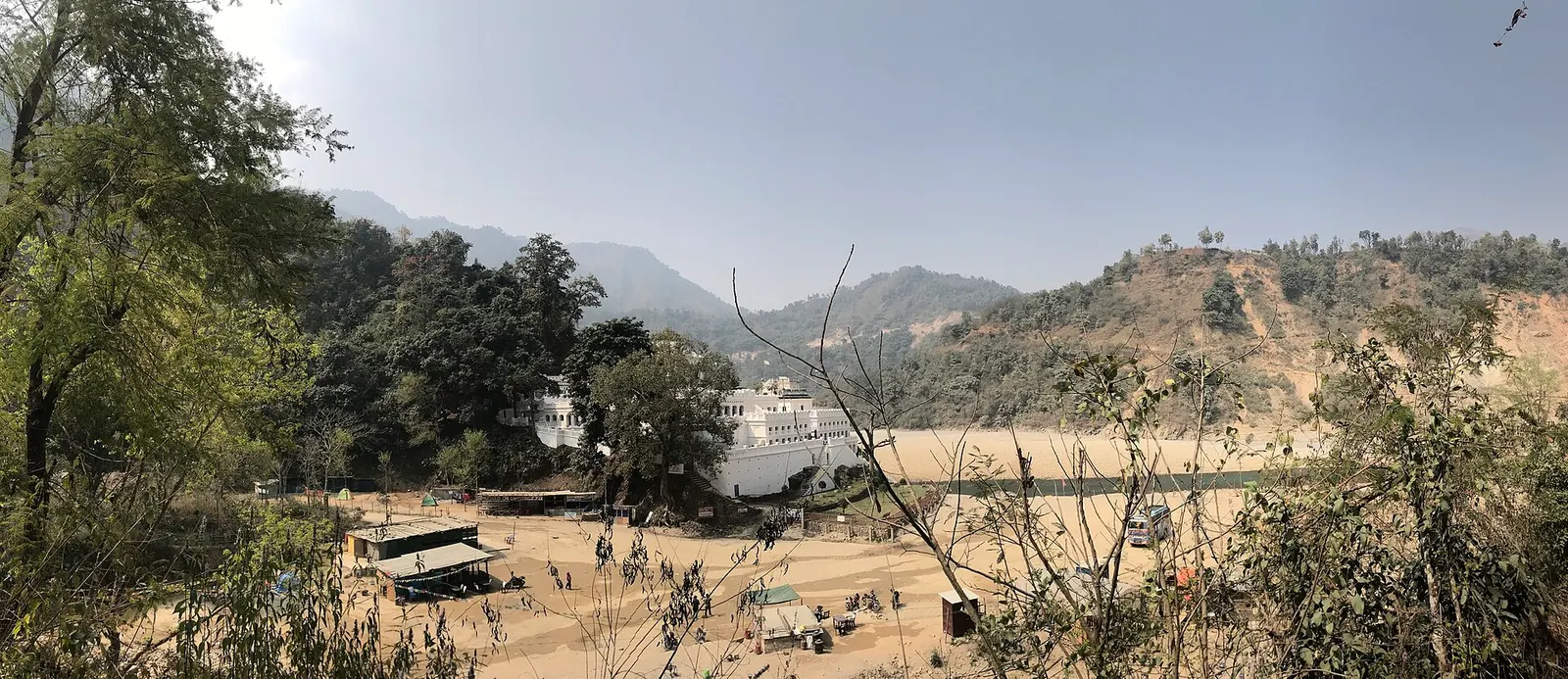
A restored Rana-era palace on a rock above the Kali Gandaki, built in the 1890s in memory of a general's wife.
This is Rani Mahal (Ranighat Palace) on the Kali Gandaki in Palpa district, Nepal; not the Rani Mahal palace in Jhansi, India.
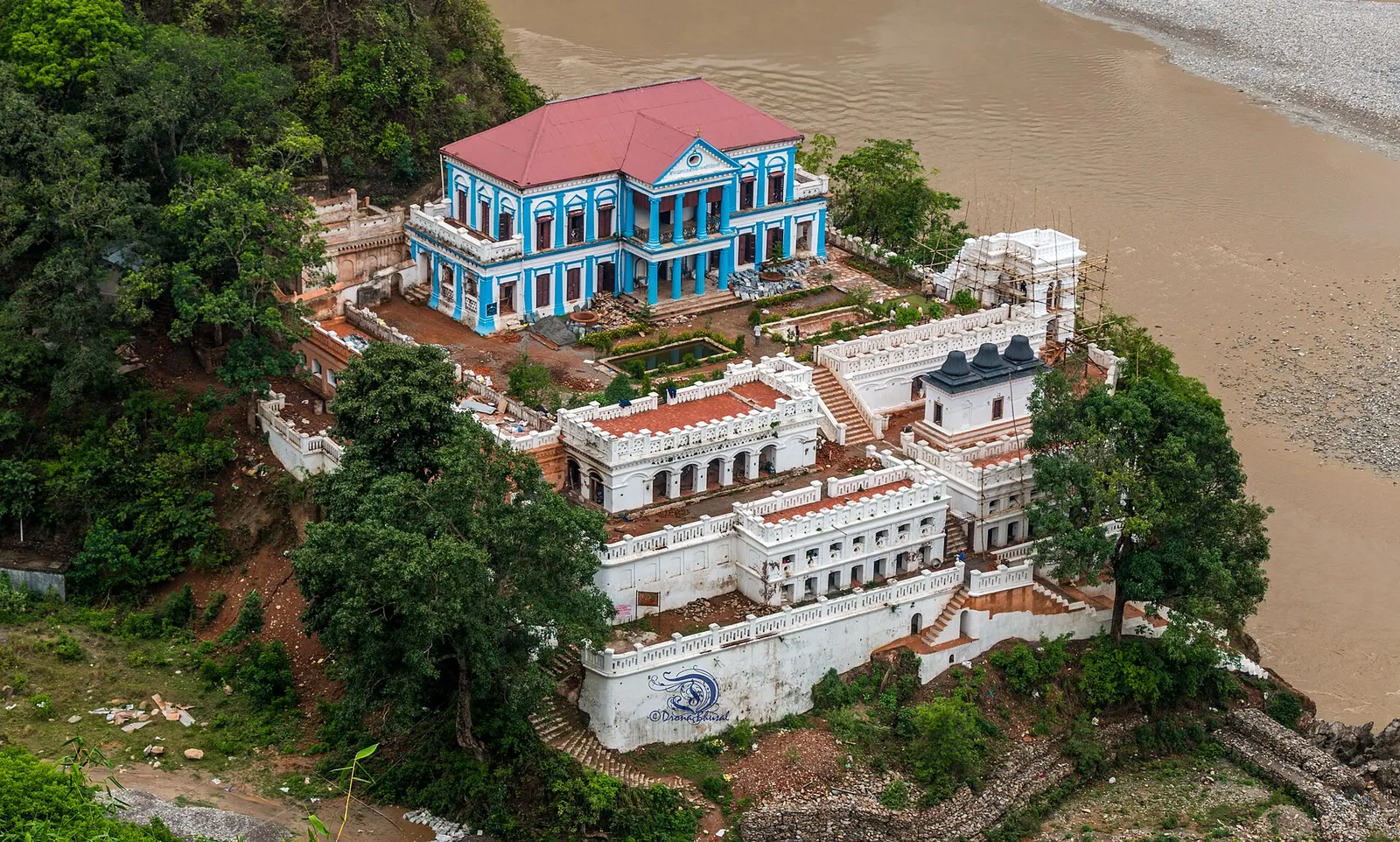
Rani Mahal, also called Ranighat Palace, is a European-style Rana palace built on a rocky bluff above the Kali Gandaki river in Palpa district, in a forested gorge below the hill town of Tansen. Its pale walls, columns, balustrades and red roofs stand out against the green hills and the wide river, an unexpected sight in a remote stretch of the valley. Within the Palpa destination, it is the best known excursion from Tansen.
The palace was left to decay for most of the 20th century and was restored by the Government of Nepal from around 2017, with a museum set up inside. A newer road along the Brangdi river has made it easier to reach. Visitors come for the building, the river views and the setting; the drive or walk through the hills is part of the trip.
Most people visit as a half-day or day trip from Tansen by jeep, motorbike or on foot via Kailash Nagar near Batase Danda. It is often called the Taj Mahal of Nepal because, like the Taj, it was built in memory of a beloved wife and stands on a riverbank.
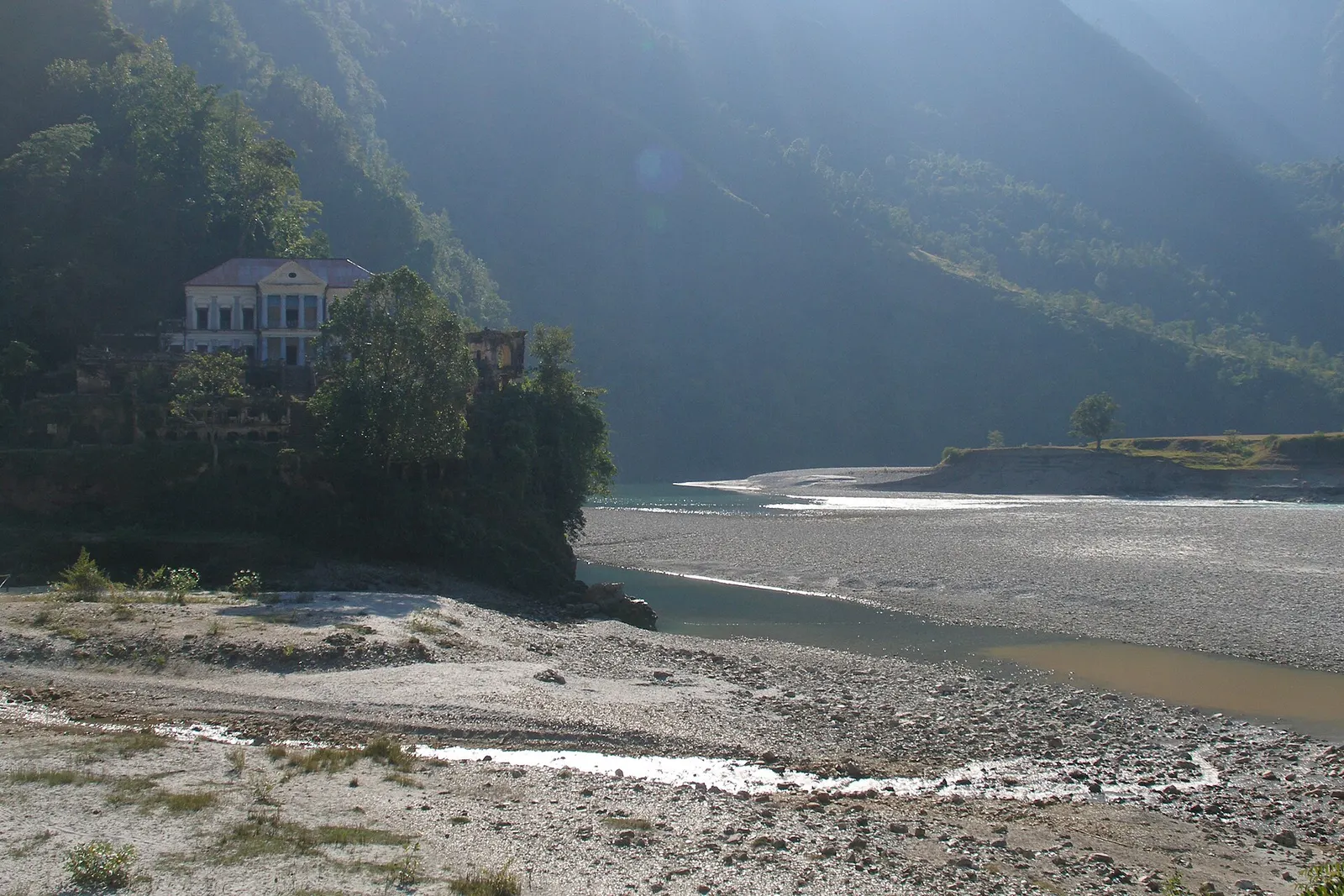
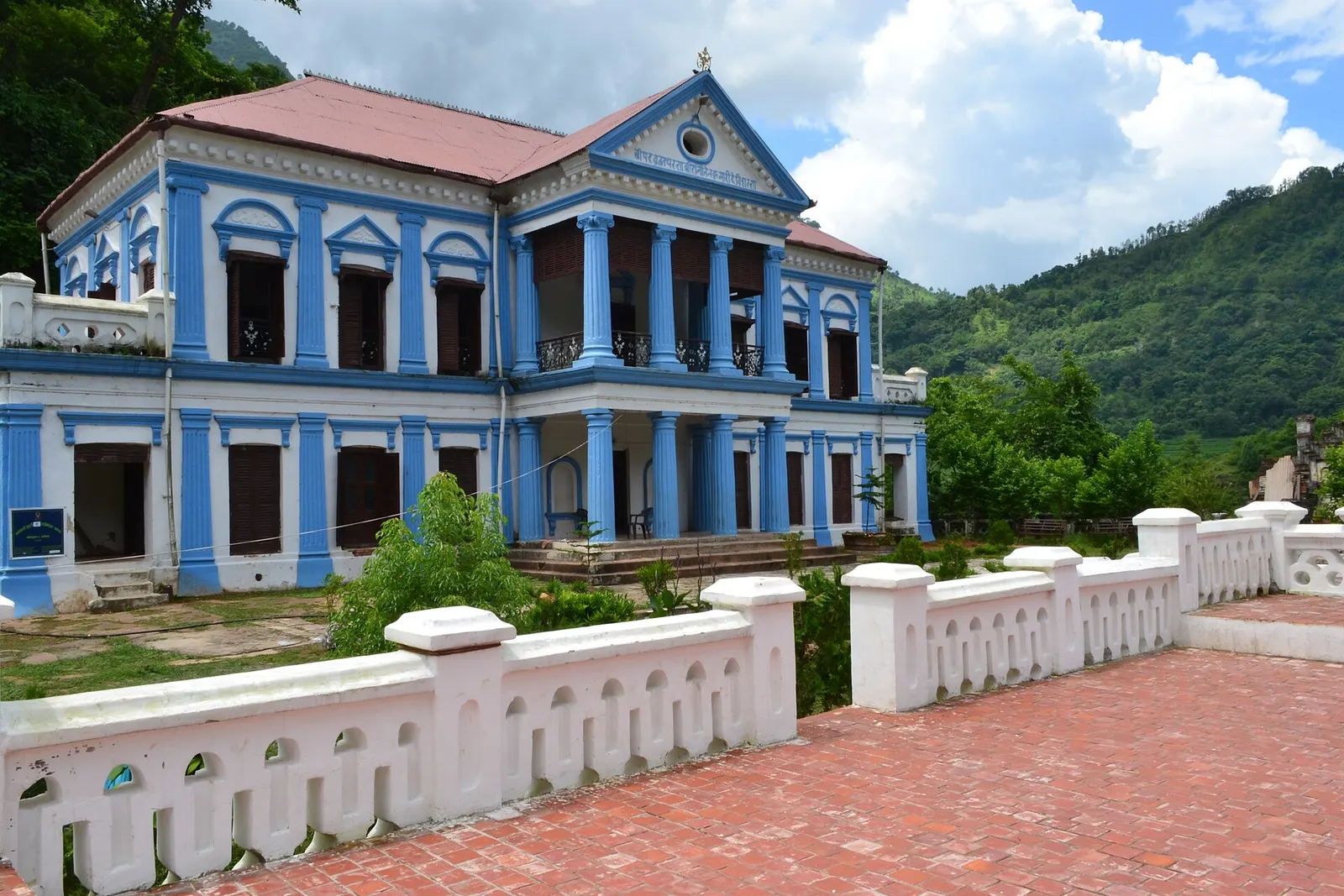
The palace was built by General Khadga Shamsher Jang Bahadur Rana, a powerful member of the Rana family who was exiled from Kathmandu after a failed attempt in 1887 to remove Prime Minister Bir Shumsher. He was later posted to Palpa as governor of western Nepal. After his youngest wife, Tej Kumari Devi, died in 1892, he built the palace, completed in about four years, to honour her memory and her wish for a place of pilgrimage. He also named the nearby forest Rani Ban and the river ghats Rani Ghat.
Construction used labour from army units and local villagers, including forced labour, and workers brought from India; the design is credited to a British architect. Khadga Shamsher fled to India in 1902 and the palace was abandoned. Its story is part of the wider history of the Rana period, when the ruling family built grand, European-influenced palaces across Nepal.
Tour the palace and museum
Walk through the restored rooms and courtyards and see the displays on the palace and its builder.
Walk down to the river
Go down to Rani Ghat for views of the palace from below; the river is fast, so do not swim.
Hike from Tansen
Walk the trail from Kailash Nagar near Batase Danda, about 13 km from Tansen, down to the palace.
Forecast for 459 m. Conditions change fast in the mountains.
Weather data: MET Norway, licensed CC BY 4.0. A forecast, not a guarantee.
Oct-Mar
Most visitors stay in Tansen; there is limited simple accommodation near the palace.
No partner stays are listed here yet. List a property.
Rani Mahal is reached from Tansen, the headquarters of Palpa, by road or on foot.
Nearest hub: Tansen
Entry fee
No permit is needed. An entry ticket is usually charged for the palace and museum; check the current fee locally.
Verify before travel: permit rules and fees change. Checked 2026-10-06 against Ranighat Palace, Wikipedia.
By jeep or motorbike on a rough road, roughly 30 minutes to 2 hours depending on the route, or on foot from Kailash Nagar near Batase Danda.
Like the Taj Mahal, it was built in memory of a beloved wife and stands on a riverbank; General Khadga Shamsher built it after his wife Tej Kumari Devi died in 1892.
An entry ticket is usually charged for the palace and museum. Check the current amount on arrival.
October to March, when the weather is dry and the river is lower. The monsoon can make the road difficult.
Town or village · 1,350 m
The old hill bazaar of Palpa district, with steep Newar lanes, Rana-era buildings and a Himalayan viewpoint above the town.
Valley or region
A hill district between Pokhara and the plains, home to the old bazaar town of Tansen, Magar villages and the Rani Mahal palace on the Kali Gandaki.
Temple, monastery or heritage site · 150 m
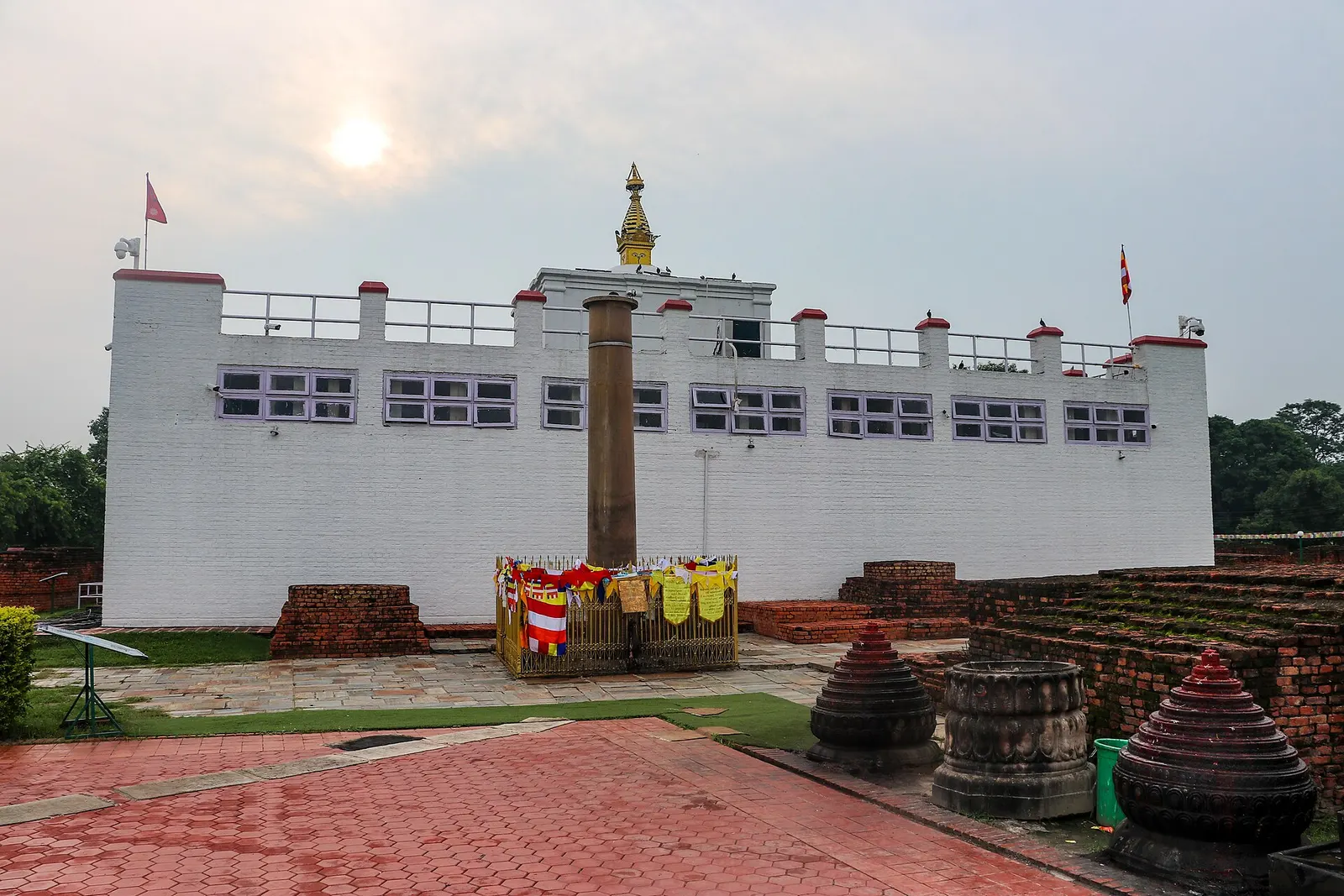
The birthplace of the Buddha in the Terai, a sacred garden with an Ashokan pillar, ringed by monasteries from across the Buddhist world.
Town or village · 822 m
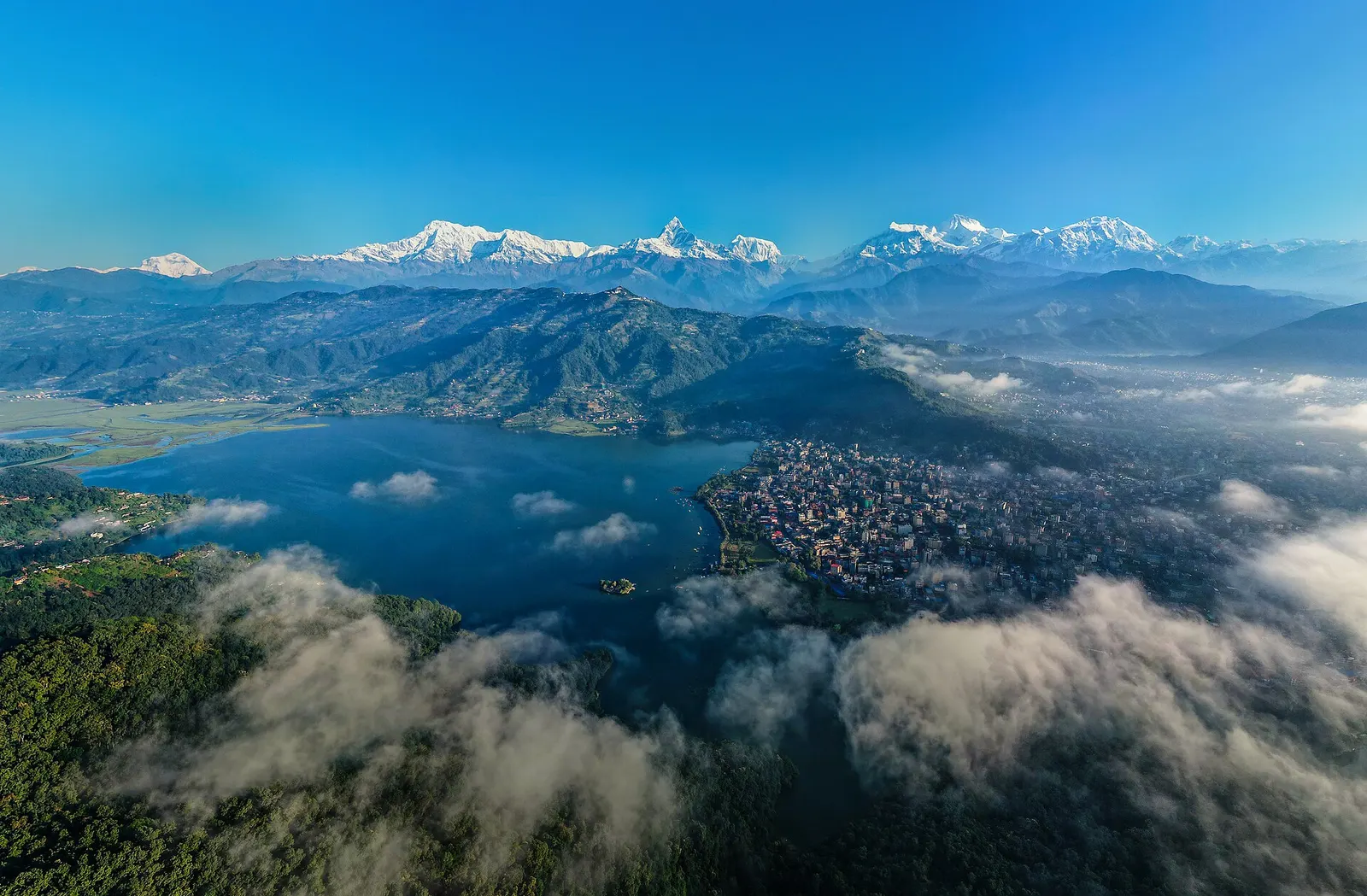
A lakeside city about 200 km west of Kathmandu, with the Annapurna range and Machhapuchhre rising close to the north.