National park or conservation area
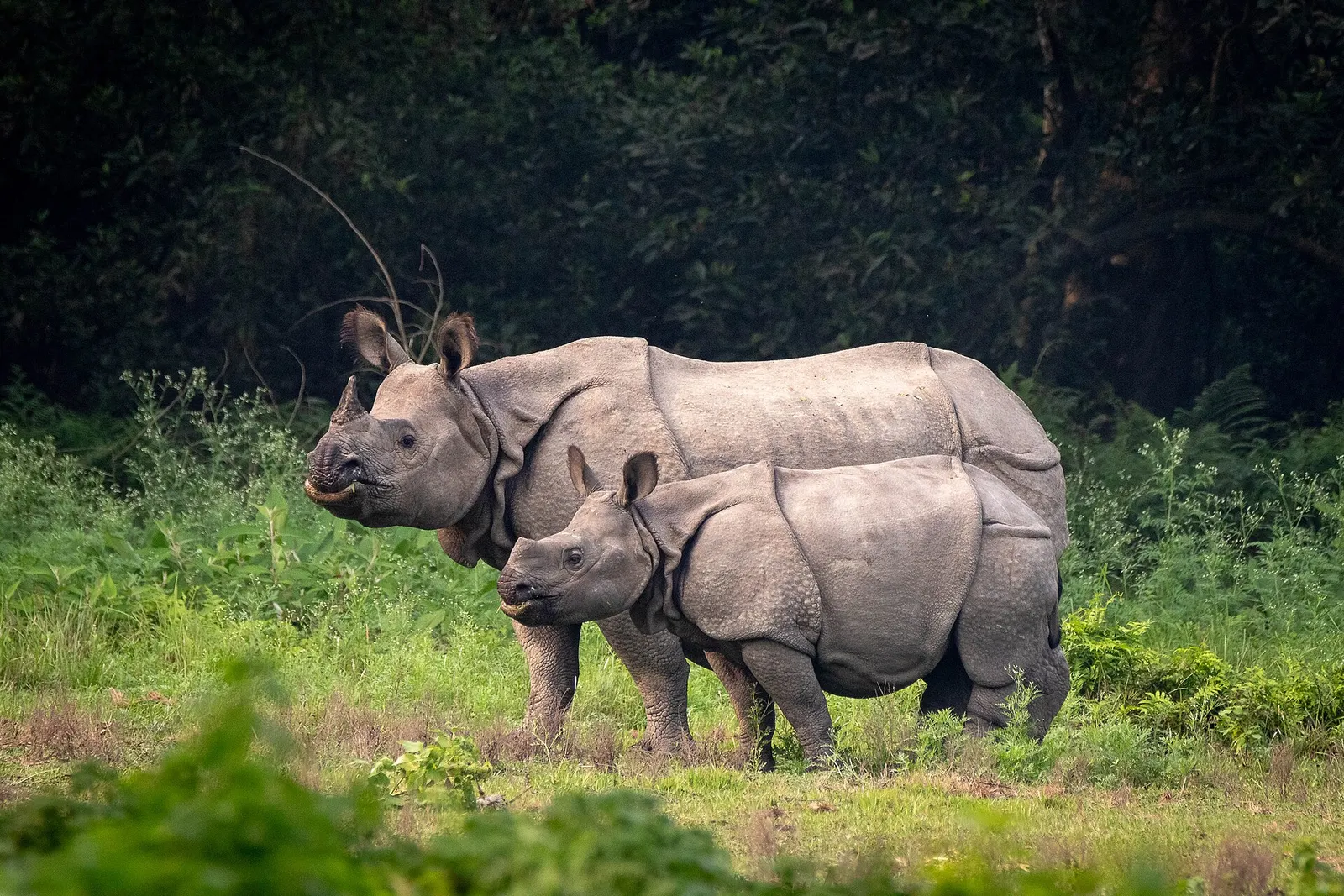
Chitwan National Park
Nepal's first national park, in the inner Terai lowlands: sal forest, tall grassland and rivers home to one-horned rhinoceros, tigers and gharials.
Chitwan & Teraiबीस हजारी ताल
A chain of forest-fringed oxbow lakes and marshes in the Chitwan National Park buffer zone, known for birdwatching and wildlife.
Bis Hazari Tal is a wetland complex of lakes, ponds and marshes lying in the forest between Bharatpur and the northern edge of Chitwan National Park. The name means 'twenty thousand lakes', a reference to the many small water bodies scattered through the Tikauli forest. The area lies in the national park's buffer zone and is listed as a Wetland of International Importance under the Ramsar Convention, as Beeshazar and Associated Lakes.
For visitors the lakes are mainly a place for birdwatching and quiet wildlife walks. Resident and migratory waterbirds use the open water and reed beds, and the forest around them holds woodpeckers, kingfishers, hornbills and many smaller species. Mugger crocodiles bask along the banks, and larger mammals including deer, wild boar and occasionally rhinoceros move through the area, so walks are made with a licensed guide.
Most people come on a guided half-day trip from Sauraha or Bharatpur, by jeep, bicycle or on foot through the community forest. The lakes are quieter than the main safari areas south of the Rapti, and early morning is the best time to see birds and mist over the water.
The lakes formed in old channels of the rivers that cross the Chitwan valley, and they act as a link for wildlife moving between the national park and the forests of the Mahabharat hills to the north. Their listing under the Ramsar Convention recognised the importance of this corridor and of the wetland's birdlife.
Like much of Chitwan, the surrounding land was settled heavily after malaria control in the 1950s and 1960s, when forest was cleared for farming. The buffer zone system now involves local community forest user groups in managing the forest, and some of the income from visitors is meant to support local conservation and development.
Birdwatching walk
Walk the lake edges with a licensed guide in the early morning, when birds are most active and mist lies over the water.
Jeep or bicycle trip from Sauraha
Join a half-day guided trip from Sauraha that combines the lakes with the surrounding community forest.
Wildlife viewing
Watch for crocodiles, deer and other mammals from the banks and viewing points, keeping a safe distance.
Conditions change fast in the mountains.
Weather data: MET Norway, licensed CC BY 4.0. A forecast, not a guarantee.
Oct-Mar
There is no accommodation at the lakes; visitors stay in Sauraha or Bharatpur.
No partner stays are listed here yet. List a property.
The lakes lie in the forest north of the national park, reachable by road and forest track from Bharatpur or Sauraha, normally on a guided trip.
Nearest hub: Bharatpur
Entry fee
The lakes are in the Chitwan National Park buffer zone; a buffer zone or community forest entry fee is normally charged, and a licensed guide is expected.
Verify before travel: permit rules and fees change. Checked 2026-10-08 against Department of National Parks and Wildlife Conservation.
What this place is typically exposed to, and when. These are seasonal patterns, not a report on conditions now.
Floodingmoderate in a typical yearJun-Sep
Monsoon rain floods low paths and raises the lakes; access tracks can be muddy or impassable.
Heatmoderate in a typical yearApr-Jun
Pre-monsoon days in the Inner Terai are very hot and humid; walk early and carry water.
Othermoderate in a typical yearAll year
Wild animals including rhinoceros, wild elephants and crocodiles use the area; walk only with a licensed guide.
Check current conditions before you travel
Roads, trails, passes and flights change with the weather and with roadworks, and nothing on this page describes conditions today. Before you set off, check the Department of Hydrology and Meteorology for weather and flood warnings, the Nepal Disaster Risk Reduction Portal for incidents, and the local authority, police or your licensed operator for road, trail and flight status.
It means 'twenty thousand lakes', a reference to the many small lakes and ponds in the forest.
Yes, a licensed guide is advised because rhinoceros, wild elephants and crocodiles use the area.
Most visitors join a guided half-day trip by jeep, bicycle or on foot from Sauraha or Bharatpur.
Winter, from December to February, brings migratory waterbirds; early mornings are best throughout the dry season.
National park or conservation area
Nepal's first national park, in the inner Terai lowlands: sal forest, tall grassland and rivers home to one-horned rhinoceros, tigers and gharials.
Town or village
Chitwan's main city and transport hub on the Narayani river, the usual gateway for Chitwan National Park and the central Terai.