

Town or village · 1,030 m
Bandipur
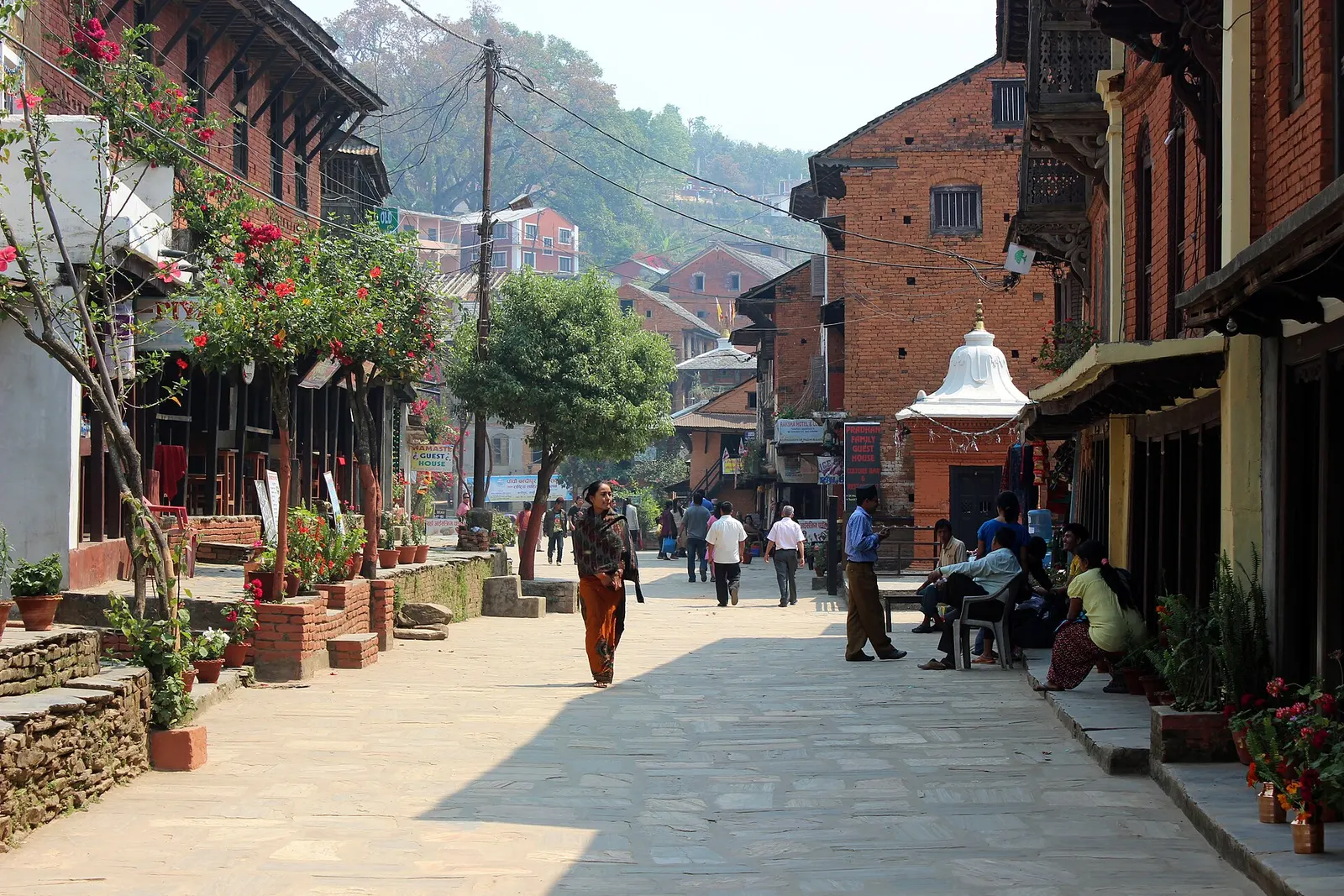
An old Newar trading bazaar on a ridge above the Kathmandu-Pokhara highway, with a car-free main street and views of the Himalaya.
Bandipurसिद्ध गुफा
A large limestone cave with chambers full of stalactites, on the forested slope below Bandipur.
This is Siddha Gufa near Bandipur in Tanahun, not the smaller caves of the same name elsewhere in Nepal, such as in Salyan.
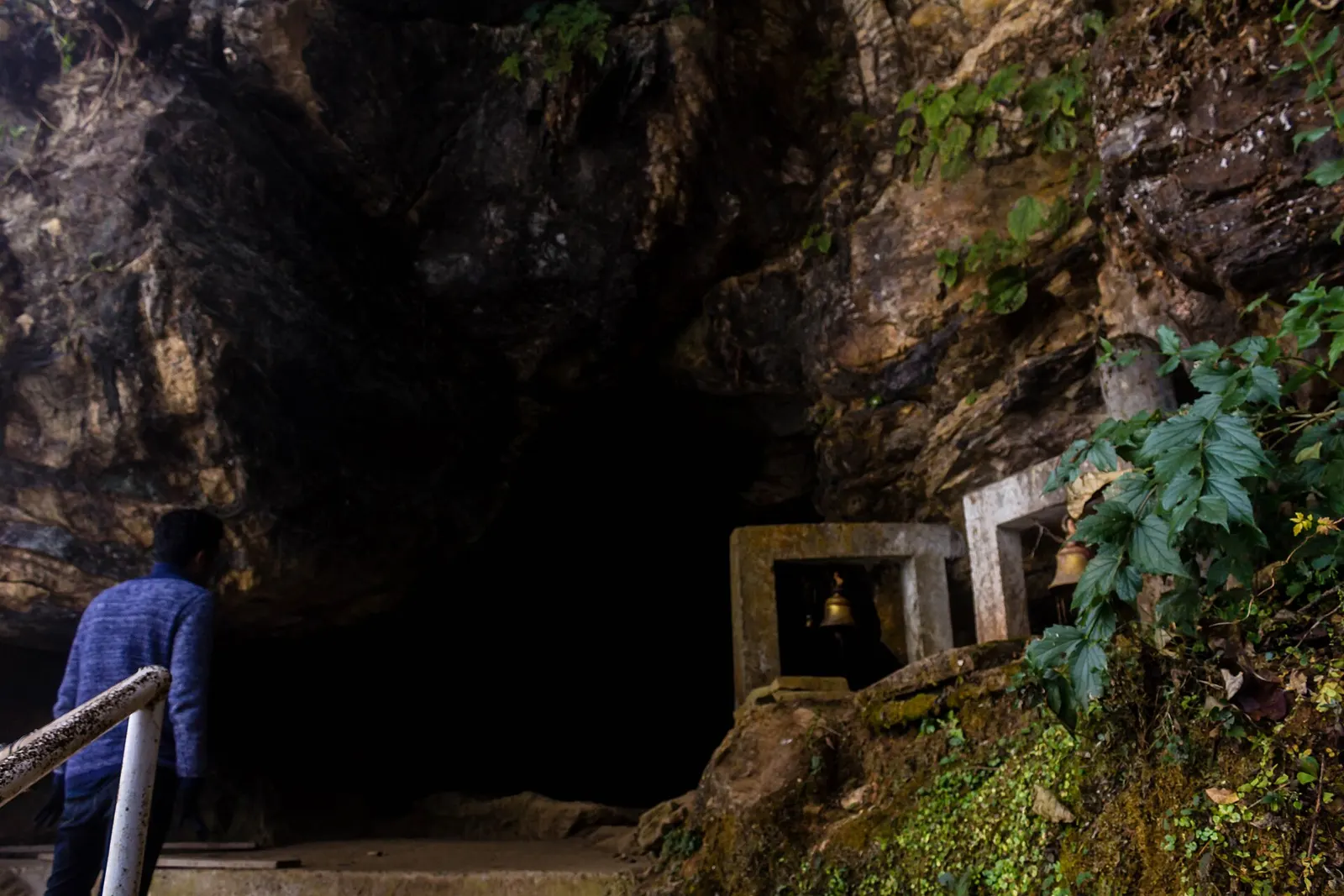
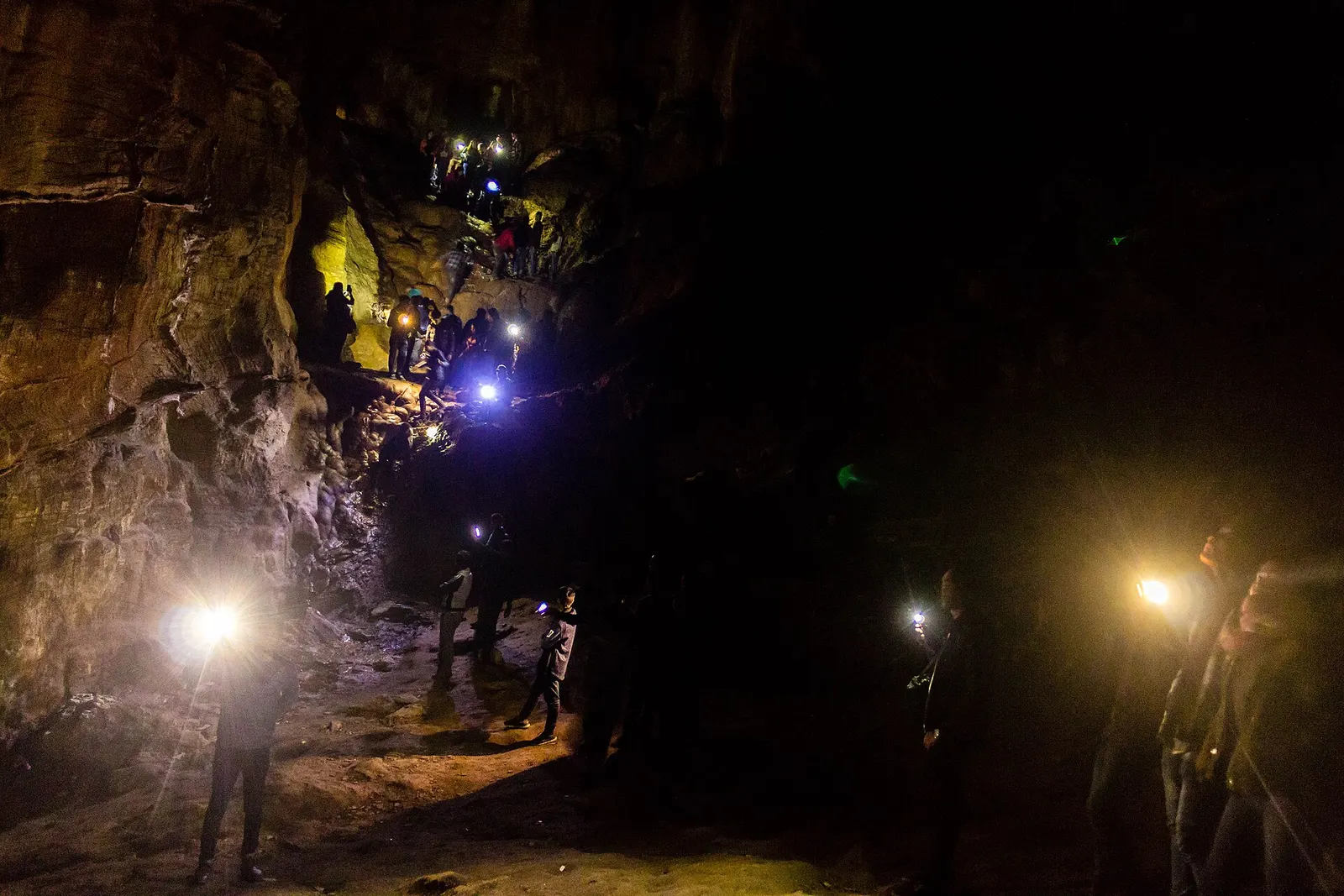
Siddha Gufa is a limestone cave on the hillside between Bandipur and Bimalnagar on the Prithvi Highway, and the main excursion from Bandipur town. It is often described as the largest cave in Nepal: Wikipedia records it as about 437 m deep and 50 m high, with a main chamber large enough to hold a crowd of around 2,500 people.
Inside, a path drops into a series of dark, damp chambers with stalactites, stalagmites and flowstone formations, and the cave is home to colonies of bats. There is no permanent lighting, so visits are made with a local guide and torches; the floor is uneven and slippery, and some sections need scrambling. Shrines at the entrance reflect the cave's religious use.
Most visitors walk down from Bandipur bazaar in about 1-1.5 hours, explore for an hour or so, and either climb back up or continue down to Bimalnagar to catch a bus on the highway. The walk passes terraces and small farms with views over the Marsyangdi valley.
Siddha means a perfected ascetic or holy person, and local tradition holds that the cave was once used by a hermit for meditation, which is how it gained its name. The cave became widely known in the late 1980s, and local community groups now manage access, collect entry tickets and train guides. Small shrines at the entrance are visited by local worshippers, especially during festivals.
For people in Bandipur and Bimalnagar, the cave has become an important source of income, supporting local guides, tea stalls and the community groups that maintain the steps and paths. Visitor numbers peak during Nepali holidays and at weekends in the dry season, when the trail from Bandipur can be busy with domestic tourists.
Guided cave visit
Hire a guide at the entrance; guides bring lights and lead you through the main chambers in about 1 hour.
Walk from Bandipur to the highway
Descend from the bazaar to the cave and continue to Bimalnagar for buses, about 2-3 hours with the visit.
Forecast for 666 m. Conditions change fast in the mountains.
Weather data: MET Norway, licensed CC BY 4.0. A forecast, not a guarantee.
Oct-Apr
There is no accommodation at the cave; stay in Bandipur or Dumre.
No partner stays are listed here yet. List a property.
Reach the cave on foot from Bandipur bazaar or from Bimalnagar on the Prithvi Highway.
Nearest hub: Pokhara
Entry fee
A local entry ticket is charged and a guide fee is paid separately at the entrance.
Verify before travel: permit rules and fees change. Checked 2026-10-06 against Siddha Cave, Wikipedia.
Walk 1-1.5 hours down from Bandipur bazaar, or 1-1.5 hours up from Bimalnagar on the Kathmandu-Pokhara highway.
It is often described that way; Wikipedia records it as about 437 m deep and 50 m high.
Yes, the cave is unlit and slippery, so visits are made with a local guide who provides lights; an entry ticket is charged.
Town or village · 1,030 m
An old Newar trading bazaar on a ridge above the Kathmandu-Pokhara highway, with a car-free main street and views of the Himalaya.
Temple, monastery or heritage site · 1,135 m
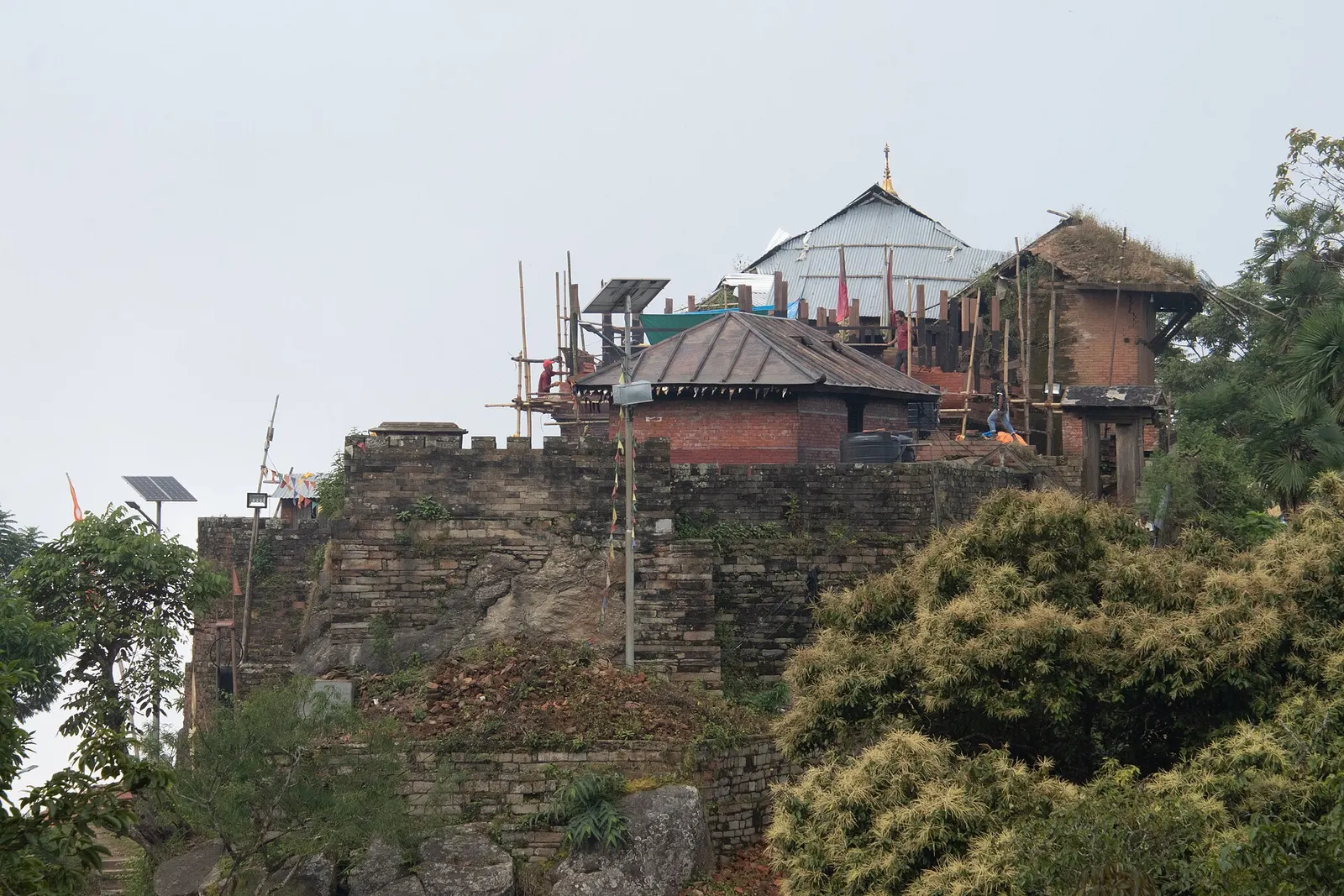
The hill town where the Shah kings ruled the Gorkha Kingdom and Prithvi Narayan Shah began the unification of Nepal.
Town or village · 822 m
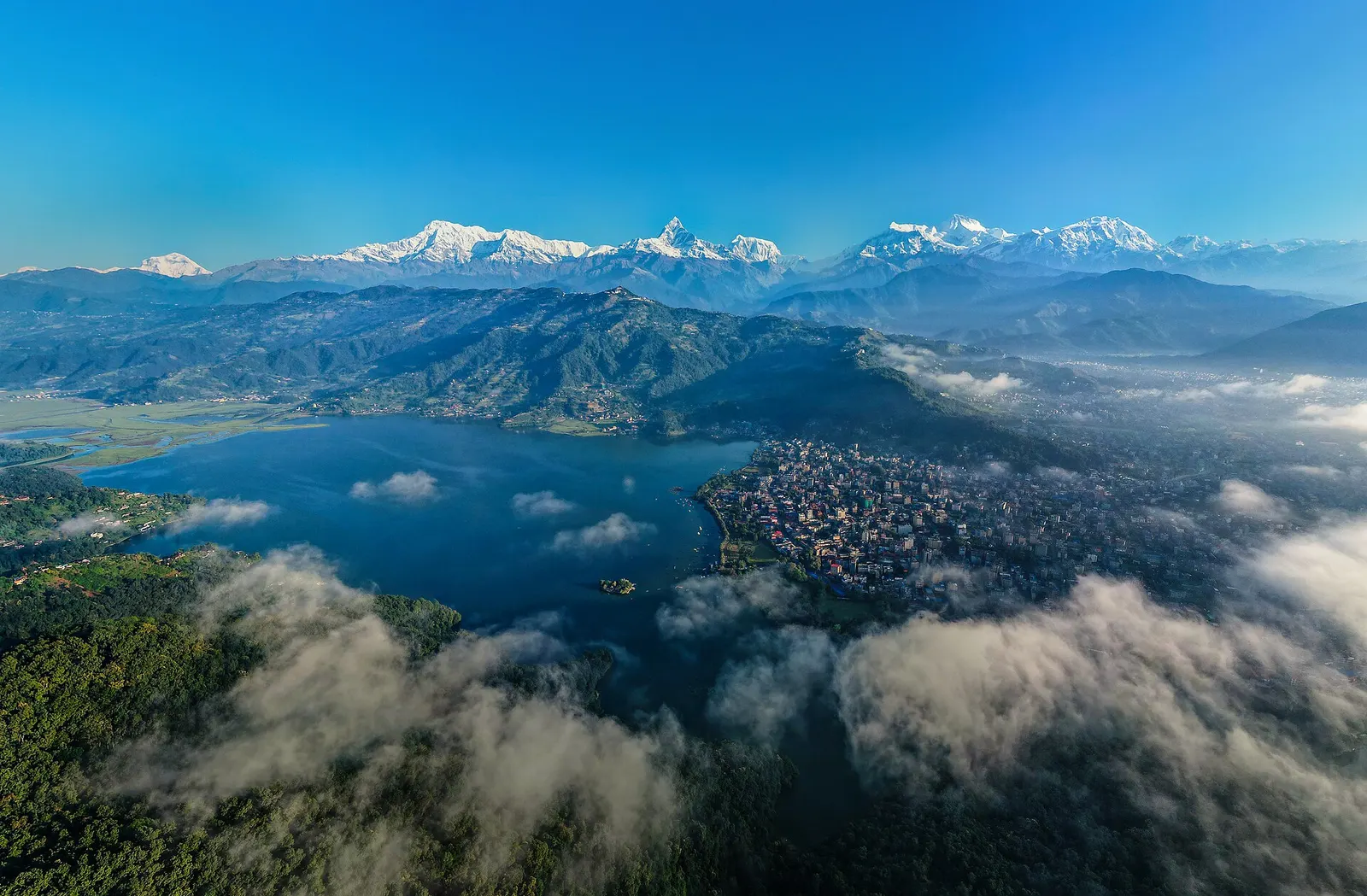
A lakeside city about 200 km west of Kathmandu, with the Annapurna range and Machhapuchhre rising close to the north.
National park or conservation area
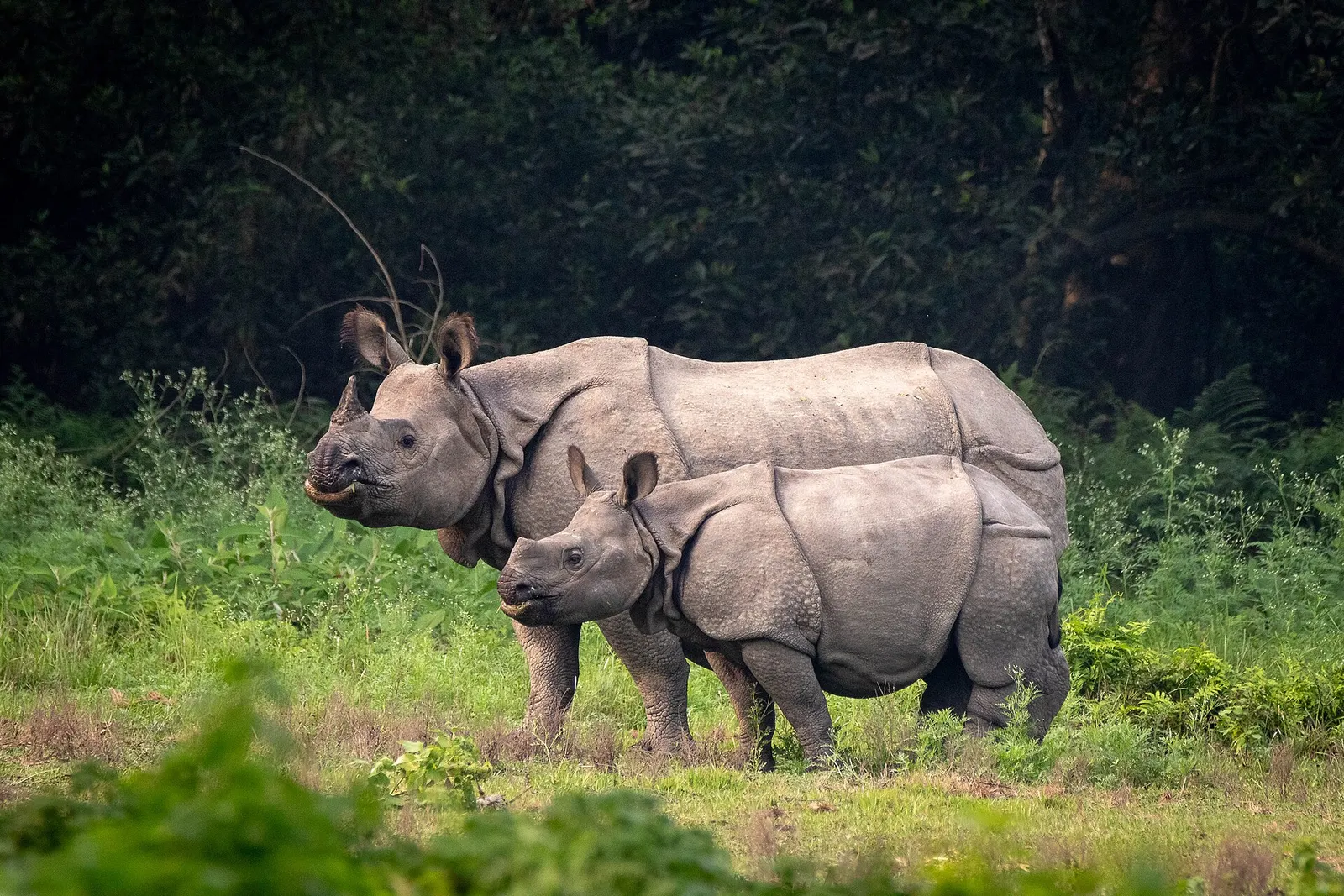
Nepal's first national park, in the inner Terai lowlands: sal forest, tall grassland and rivers home to one-horned rhinoceros, tigers and gharials.