Temple, monastery or heritage site
Maula Kalika Temple
A hilltop Kalika temple above Gaindakot with a long stairway and wide views over the Narayani and Chitwan.
Chitwan & Teraiदेवघाट
A sacred confluence of the Kali Gandaki and Trishuli near Narayangarh, with ashrams, temples and a great Maghe Sankranti fair.
Higher seasonal exposure: flooding (Jul-Sep).
Devghat is a Hindu pilgrimage site at the meeting of the Kali Gandaki and the Trishuli, where the two rivers join to form the Narayani. It lies in Tanahun district a short distance upstream from Narayangarh and Bharatpur, on wooded banks where the hills meet the Inner Terai. Temples, shrines, ashrams and bathing ghats are scattered along the river, linked by paths and by a pedestrian suspension bridge across the Trishuli to the Chitwan side.
Devghat is known as a place where many elderly Hindus come to spend their last years in prayer and to die beside the holy rivers, and the ashrams and simple dwellings that house them give the settlement a calm, contemplative character. Visitors can walk between the temples, sit by the confluence, watch rituals at the ghats and talk with residents and sadhus.
The site is busiest at Maghe Sankranti in mid-January, when a large fair, or mela, draws pilgrims from across Nepal and India to bathe at the confluence. At other times it is quiet and makes an easy half-day trip from Narayangarh, Bharatpur or Sauraha, combining well with Maula Kalika temple across the river at Gaindakot.
Confluences are especially sacred in Hindu tradition, and Devghat has been a place of pilgrimage for a long time; it is associated in legend with sages and gods and mentioned in religious texts as a holy site. The Kali Gandaki, which carries saligram stones from Mustang, adds to its significance.
Over the twentieth century, ashrams and religious institutions were established here, and the settlement grew around them. Members of royal and noble families, as well as ordinary devotees, have retired to Devghat. Cremations take place at the ghats, and the site is visited for funeral and memorial rites.
Temple walk
Walk the paths between the main temples and ashrams along the riverbanks.
Confluence
Sit by the meeting of the rivers and watch rituals at the ghats.
Maghe Sankranti
Visit during the mid-January mela for the festival, expecting big crowds.
Conditions change fast in the mountains.
Weather data: MET Norway, licensed CC BY 4.0. A forecast, not a guarantee.
Oct-Mar
Most visitors stay in Narayangarh, Bharatpur or Sauraha; ashrams may offer basic lodging to pilgrims.
No partner stays are listed here yet. List a property.
Devghat is a short drive north-west of Narayangarh and Bharatpur; local buses, taxis and private vehicles run there.
Nearest hub: Bharatpur
None needed
No permit is needed to visit Devghat.
Verify before travel: permit rules and fees change. Checked 2026-10-08 against Devghat, Wikipedia.
What this place is typically exposed to, and when. These are seasonal patterns, not a report on conditions now.
Floodinghigh in a typical yearJul-Sep
The Kali Gandaki and Trishuli rise quickly in the monsoon; keep away from the ghats and river banks during high water.
Heatmoderate in a typical yearApr-Jun
April to June is hot and humid at the confluence; visit early in the day.
Check current conditions before you travel
Roads, trails, passes and flights change with the weather and with roadworks, and nothing on this page describes conditions today. Before you set off, check the Department of Hydrology and Meteorology for weather and flood warnings, the Nepal Disaster Risk Reduction Portal for incidents, and the local authority, police or your licensed operator for road, trail and flight status.
At the confluence of the Kali Gandaki and Trishuli in Tanahun district, a short drive from Narayangarh.
It is a holy river confluence, where the two rivers form the Narayani, and a traditional place for elderly Hindus to spend their final years.
The main mela is held at Maghe Sankranti in mid-January.
No permit is required.
Temple, monastery or heritage site
A hilltop Kalika temple above Gaindakot with a long stairway and wide views over the Narayani and Chitwan.
National park or conservation area
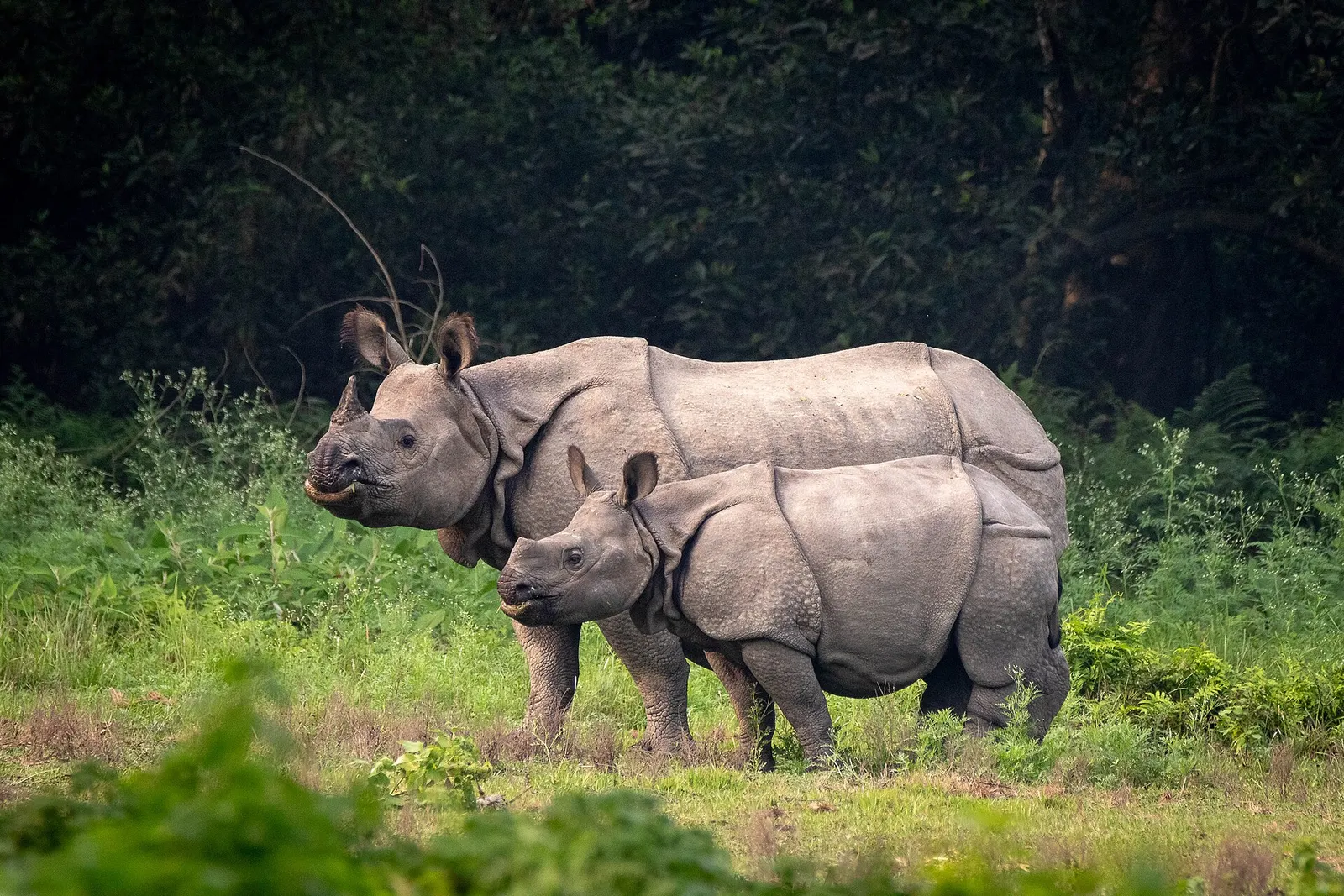
Nepal's first national park, in the inner Terai lowlands: sal forest, tall grassland and rivers home to one-horned rhinoceros, tigers and gharials.
Temple, monastery or heritage site
A modern temple and spiritual complex beside the East-West Highway in Nawalpur, with gardens, shrines and a museum.
Town or village · 1,030 m
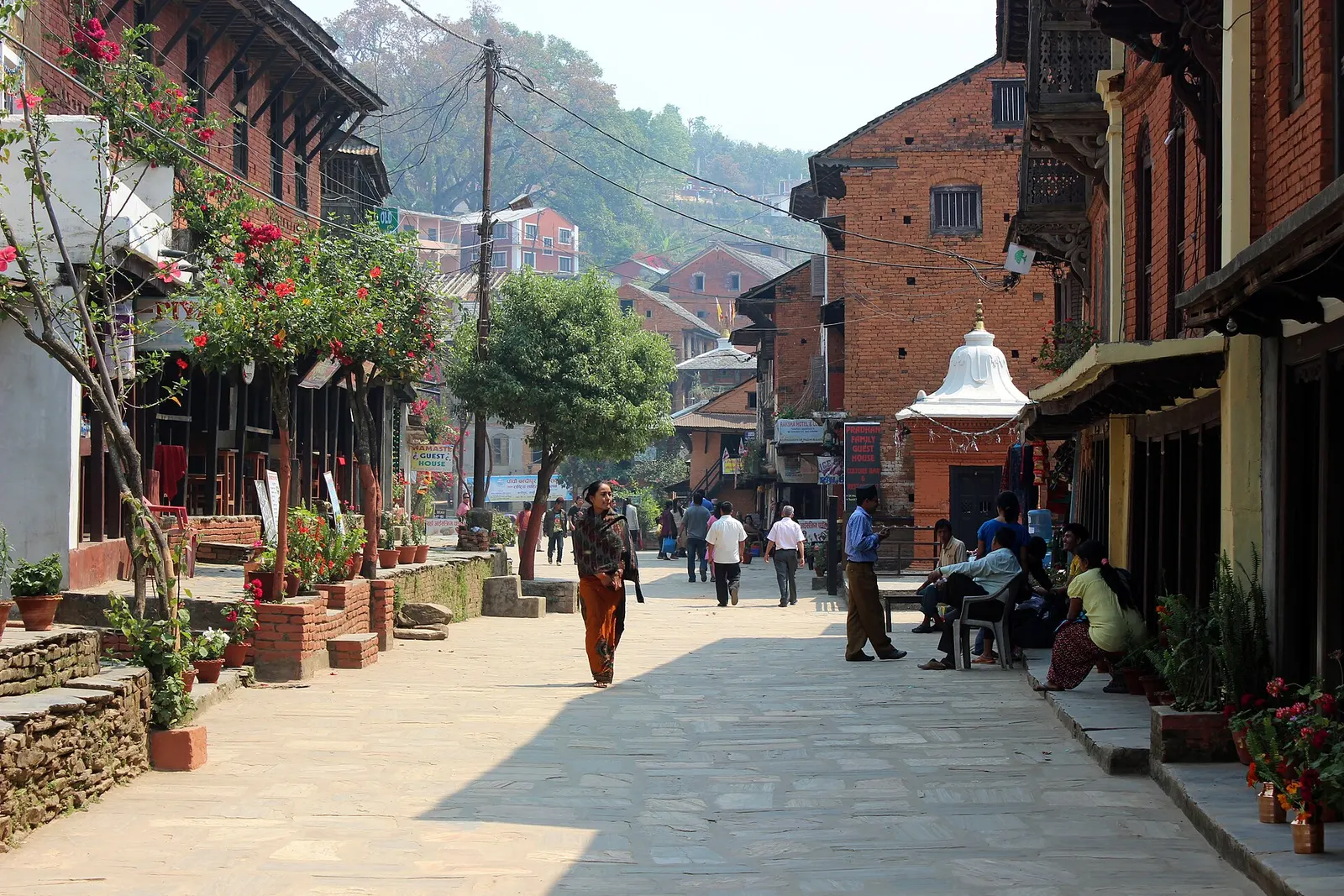
An old Newar trading bazaar on a ridge above the Kathmandu-Pokhara highway, with a car-free main street and views of the Himalaya.